Updated July 16, 2026

Homeowners Insurance in Portland
Replacement cost is the sharpest difference here. In a market where Portland's median home value is $557,600, rebuilding costs can run well above what you originally paid, which means a dwelling limit tied to purchase price may leave you short after a total loss. That makes it worth a closer look at your dwelling limits, ordinance or law coverage, and whether your policy basis matches what it would take to repair or rebuild your specific house. That matters even more if you own an older bungalow in Southeast, a hillside home with harder access, or a townhouse with shared walls and an HOA master policy that leaves gaps inside your unit. Many owners here also have enough equity and assets that a low liability limit or thin loss-of-use coverage can create a real out-of-pocket problem after a serious claim. A useful quote review starts with the specifics of your property, from the year it was built and the age of the roof to any updates you have made, detached structures on the lot, and whether you run any kind of business from the kitchen table. Then compare settlement terms, sublimits, and endorsements before renewal, especially if you have made improvements since your last application.
Oregon has a moderate climate risk rating. Top hazards: Wildfire (Very High), Earthquake (High), Flooding (Moderate), Landslide (Moderate). The state's expected annual loss from natural hazards is $620M, which influences homeowners insurance premiums and may affect coverage availability in high-risk areas.
What Homeowners Insurance Covers
In Oregon, homeowners insurance usually centers on six core protections. Dwelling protection addresses the structure itself, while personal property coverage handles your belongings inside it. Liability coverage can help with legal responsibility for injuries or damage, and additional living expenses may help if a covered loss forces you out during repairs. Other structures coverage applies to detached garages, sheds, or fences, and medical payments can help with minor injuries to guests. The core policy is a private contract, but state regulators oversee it. That means policy wording and claims handling are subject to oversight rather than a one-size-fits-all national approach. Standard policies generally protect against fire, windstorms, theft, and vandalism. This matters because Oregon carries a very high wildfire hazard rating, which means claims from fire and theft are realistic possibilities.
What your policy leaves out matters just as much as what it includes. Standard homeowners policies exclude flood damage, so owners who face flash-flood or mudslide exposure need a separate flood policy through the National Flood Insurance Program or a private insurer. Earthquake coverage also requires a separate policy or endorsement, which is relevant because Oregon has a high earthquake risk rating. Dwelling coverage should be based on rebuilding costs, not market value, because median home value and reconstruction cost are not the same number. Personal property coverage should be reviewed carefully if you own higher-value belongings, because replacement needs vary by household and location.
Coverage Included

Dwelling
Repairs or rebuilds your home itself, the walls, roof, floors, built-in appliances, and attached structures like a garage, after a covered loss. Set this limit to the full cost of rebuilding, not market value.
Other Structures
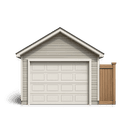
Detached structures on your property, such as a fence, shed, detached garage, or gazebo. Usually set at about 10 percent of your dwelling limit [2].

Personal Property
Your belongings, furniture, clothing, electronics, and appliances, generally written at 50 to 70 percent of your dwelling limit [2]. High-value items like jewelry and art carry special limits.

Additional Living Expenses
Also called loss of use. Pays your added living costs, hotel stays, meals, and a temporary rental, while a covered loss makes your home uninhabitable. Usually set at about 20 percent of your dwelling limit.

Liability
Covers you if someone is injured on your property, or you damage someone else's property, and you are found responsible. The standard $100,000 limit [2] is often raised to $300,000 or $500,000.

Medical Payments
Pays small medical bills, commonly $1,000 to $5,000, if a guest is hurt at your home regardless of fault, without a formal liability claim.
Homeowners Insurance Cost in Portland
Average Cost in Oregon
$75 - $200
per month
In Oregon, homeowners insurance premiums typically run $75 - $200 per month, which tends to run 24% below the national range of $110 - $250 per month.
- Home replacement cost, age, and construction type
- Roof age, material, and condition
- ZIP code and local weather risk (wind, hail, wildfire, hurricane)
- Coverage limits and endorsements
- All-peril and percentage wind/hail deductibles
- Claims history and insurance score where allowed
Typical range for many standard homeowners profiles; lower-risk homes fall below it and coastal, wildfire, or older-roof homes can run well above. Final pricing depends on property details, location, underwriting, and selected coverage.
Prices shown are general estimates, not guaranteed rates or quotes. Your actual premium will depend on the insurer, coverage selected, personal details, location, claims history, and other underwriting factors. Learn about our pricing methodology.
Homeowners insurance cost in Oregon is shaped by both statewide market conditions and the details of the home. As noted above, the state's premium index of 104 means rates run near national norms. The biggest local cost drivers are coverage limits and deductibles, claims history, location, and policy endorsements. Location matters because Oregon's risk profile includes very high wildfire exposure, high earthquake exposure, moderate flooding risk, and moderate landslide risk. A home in a higher-risk area can see a different quote than a similar home elsewhere in the state, especially if the property sits near forested land, steep terrain, or water.
Because the reconstruction cost index is 108, local labor and materials can push dwelling coverage needs higher than owners expect. Age and condition of the dwelling have a high impact on pricing, while security and safety features have a low impact on cost. Oregon also has a competitive insurance market, which gives shoppers options but not identical pricing. Because the state is regulated and competitive, the most useful comparison is a personalized quote that reflects your home's rebuild cost, deductible choice, and any endorsements you need.
Industries & Insurance Needs in Portland
Multnomah County has 27,434 business establishments, with professional, scientific, and technical services at 14.5%, health care and social assistance at 13.3%, and accommodation and food services at 11.6% of establishments. That county mix matters for homeowners because many households here use part of the home for client calls, remote work, inventory, tools, or side-business activity. A standard homeowners policy may not respond the way you expect if business property, business visitors, or work-related equipment are involved in a loss. If you work from home, ask where your policy draws the line between personal and business property, whether liability changes if clients or delivery drivers come to the house, and whether a home business endorsement makes sense. County business density also means more owners rely on contractors, cleaners, and service vendors, so it is worth reviewing liability limits and documenting upgrades after any work is completed.
What Affects Homeowners Insurance Rates in Portland
Home values change the insurance conversation here because they raise the stakes of underinsuring the structure. A policy that has not been reviewed since purchase or before a remodel can leave you short on dwelling coverage, extended replacement features, or enough loss-of-use protection if repairs take longer than expected. This is not just about premium. It is about whether the limit, deductible, and endorsement package still fit the house you own now. Portland’s median household income is $88,792, so many households also need to think beyond the building itself and review personal liability, guest injury exposure, and whether valuable items need scheduled coverage instead of standard sublimits. Ask for a quote that breaks out dwelling, other structures, personal property, loss of use, liability, and key endorsements line by line, then pressure-test each amount against your current home and budget.
What Makes Portland Different
Portland buyers often need a more exact review of rebuilding assumptions because home values, housing stock, and renovation history can vary sharply from one neighborhood to the next. The insurance question that matters more is what it would cost to repair or reconstruct your home with comparable materials and current labor rates, not what you could list it for tomorrow. That gap shows up most often after additions, kitchen and bath remodels, finished basements, detached studios, or older homes with partial system updates. It also shows up in attached housing, where owners assume the HOA master policy handles more than it actually does. Before you renew, verify the dwelling limit, review endorsements that broaden settlement terms, and confirm who insures which parts of the property.
Our Recommendation for Portland
Start with a coverage audit, not a price-first search. Gather your current declarations page, any recent inspection or appraisal, and notes on updates you have made over the years, whether that is a roof replacement, electrical work, plumbing, windows, or a full remodel. Then ask for a quote review that tests whether the dwelling limit still matches the home, whether ordinance or law coverage is worth adding or increasing, and whether detached structures are scheduled realistically. If you own a condo or townhouse, compare your policy against the HOA master policy so you can see where the association stops and your responsibility begins. If you work from home, be direct about business equipment, inventory, or client traffic. If you have built equity, revisit liability limits and umbrella options instead of leaving older limits in place. You want a policy that reflects the property as it stands today.
Get Homeowners Insurance in Portland
Enter your ZIP code to compare homeowners insurance rates from carriers in Portland, OR.
Home insurance starting at $50/mo
FAQ
Frequently Asked Questions
Portland homeowners often face a bigger rebuilding-limit question because local home values can make it easy to anchor on market price instead of repair cost. That makes it worth checking whether your dwelling limit, settlement terms, and remodel updates still line up with the house as it stands today.
Portland condo owners usually still need their own policy because the HOA master policy often stops short of interior finishes, personal property, liability, and loss-of-use needs. Sit down with the association documents before renewal so you can match your unit policy to exactly where the master coverage ends and your responsibility begins.
Portland households should not assume it does. In Multnomah County, 27,434 business establishments and a large professional-services base point to common home-based work activity, which means many residents have equipment or inventory that a standard policy may not fully protect. When you ask how your policy treats business property, deliveries, and client visits, you find out whether you need an endorsement or a separate policy before a claim catches you off guard.
Portland homeowners often should review that question carefully. Many households here have assets worth protecting, so an older liability limit may deserve a fresh look alongside guest injury exposure and umbrella options.
Multnomah County work patterns can matter because professional, scientific, and technical services account for 14.5% of establishments. That share tells you how many of your neighbors may be running a business from home, which is exactly the kind of detail an insurer will want disclosed so your quote reflects how the property is actually used.
In Oregon, a standard policy may cover dwelling damage, personal property, liability, additional living expenses, other structures, and medical payments, but the exact wording depends on the policy. It commonly protects against fire, windstorms, theft, and vandalism, which is important in a state with very high wildfire risk.
Monthly cost depends on your home's rebuild cost, deductible, location, claims history, and any endorsements. Oregon's premium index of 104 means rates run near the national average, so your final rate is more dependent on property details than broad state trends.
Mortgage lenders usually require proof of homeowners insurance before closing, even though Oregon does not legally require every owner to carry a policy. Lenders typically want enough dwelling coverage to protect the loaned property, but the exact requirement varies by lender.
Sources
- 1.U.S. Census Bureau, ACS 5-Year Estimates, table B25077(Portland’s median home value is $557,600.)
- 2.U.S. Census Bureau, ACS 5-Year Estimates, table B19013(Portland’s median household income is $88,792.)
- 3.U.S. Census Bureau, County Business Patterns, Multnomah County(Multnomah County has 27,434 business establishments.; In Multnomah County, professional, scientific, and technical services account for 14.5% of establishments, health care and social assistance 13.3%, and accommodation and food services 11.6%.)
Updated July 16, 2026