Updated July 5, 2026

On-Hook Towing Insurance in Erie
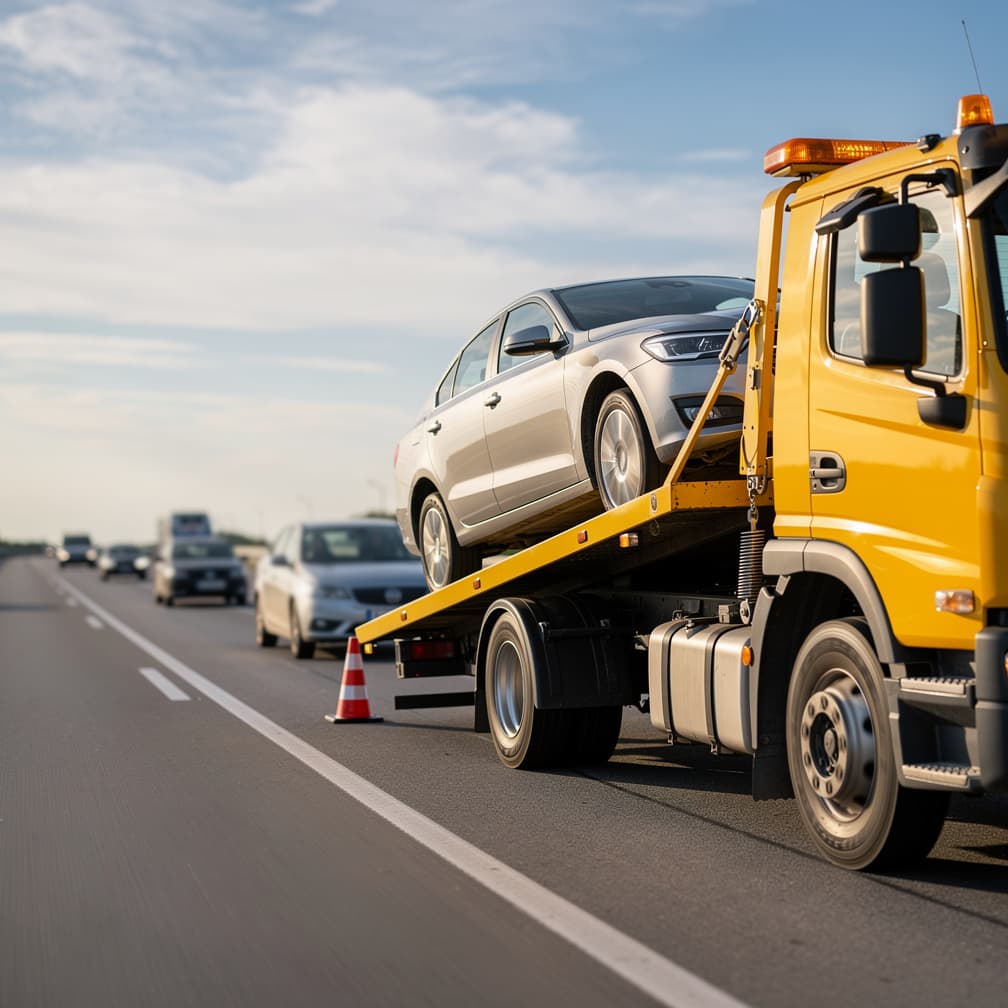
The decision often lands here when you sign a yard lease near the bayfront, line up a new police, roadside, or private-property account, or get ready for the first hard stretch of winter calls. At that point, on-hook towing insurance in Erie should be reviewed around the vehicles you actually pick up locally: disabled commuters, retail parking lot tows, hospital-area removals, and recovery work on slick neighborhood streets. That matters because a compact sedan pulled from a downtown garage, an SUV loaded on a rollback after a lake-effect event, and a damaged vehicle moved from a shopping center do not create the same damage dispute if something shifts, scrapes, or drops during loading and transport. Local buyers also tend to feel claim costs more directly. Erie median household income is $43,397, so a customer whose vehicle is out of service or damaged during a tow may press harder for a fast, well-documented resolution. Before you request quotes, map out your real mix of private-property, roadside, and recovery calls, then ask how the policy handles loading, unloading, storage-lot movement, and vehicle value limits.
On-Hook Towing Insurance Risk Factors in Erie
Lake-effect winter conditions are the local issue that changes the towing conversation most. Here, a routine hook-up can turn into a low-visibility recovery, a curbside pull on packed snow, or a winch-out where the vehicle already has prior damage before your operator touches it. That raises two practical questions for your on-hook review: how clearly your procedures separate pre-existing damage from tow-related damage, and whether your limits still make sense for the kinds of vehicles you recover during bad-weather stretches. The exposure is not just road ice. It is repeated loading and unloading in slush, tight clearances around parked cars, and more customer scrutiny when a vehicle comes off the truck with fresh body, wheel, or undercarriage damage allegations. Ask for wording and claims handling details that fit **winter recoveries**, not just ordinary transport, and make sure your photo, dispatch, and condition-report process is tight before the season ramps up.
Pennsylvania has a moderate climate risk rating. Top hazards: Flooding (High), Winter Storm (High), Severe Storm (Moderate), Tornado (Low). The state's expected annual loss from natural hazards is $1.6B, which influences on-hook towing insurance premiums and may affect coverage availability in high-risk areas.
What On-Hook Towing Insurance Covers
The state-specific issue is how your operation creates different damage scenarios and how clearly those scenarios are described to underwriting before a loss happens. A truck handling routine roadside tows on local streets presents one profile. A unit that also responds to crash scenes, steep driveways, parking structures, flood-affected areas, or winter recoveries presents another. Your review should spell out those differences in plain operating terms.
Ask the agent to walk through the exact points where disputes usually start: hookup, winching, bed loading, wheel-lift positioning, transport over rough pavement, unloading, and transfer to a body shop, storage lot, dealer, or customer location. If your drivers use photos, condition checklists, dispatch timestamps, and signed releases, say so. Those details matter because they help show how your business handles customer vehicles before, during, and after the tow.
Route and job type also matter. Harsh weather can change stopping distance, traction, and loading conditions, so your policy review should reflect whether you continue service during those periods and what safeguards drivers follow. If you tow higher-value pickups, commercial vans, all-wheel-drive vehicles, or low-clearance cars, request wording and limits that fit those exposures instead of assuming a prior policy still matches your current book of work.
You should also review how on-hook coverage interacts with the rest of your towing program. If a claim could involve a customer allegation, a police-directed tow, or a handoff to storage, ask where one policy ends and another begins so there is less confusion after a loss.
Coverage Included
Collision on Hook
Covers damage to towed vehicles from collisions during transport.
Comprehensive on Hook
Covers theft, fire, and weather damage to vehicles being towed.
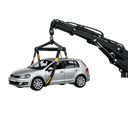
Loading & Unloading
Covers damage during the process of loading and unloading vehicles.
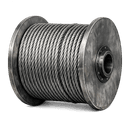
Winching Coverage
Covers damage to vehicles during winching and recovery operations.
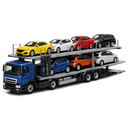
Multiple Vehicle
Covers all vehicles on multi-car carriers and rollback flatbeds.
Industries & Insurance Needs in Erie
County demand mix is the local business signal worth watching. Erie County has 6,165 business establishments, and the leading sectors by establishment share are retail trade at 14.5%, health care and social assistance at 14.4%, and other services at 12.8%. So a local towing operation often handles the kinds of calls that come from shopping centers, service businesses, medical campuses, employee lots, and customer parking areas where vehicle condition disputes can escalate quickly. That does not automatically change every quote, but it should change what you disclose. If a meaningful share of your work comes from private-property removals, vendor accounts, apartment complexes, or business parking enforcement, say so up front and ask whether your on-hook terms fit that mix of frequent, lower-speed handling and tight-space loading. A quote built around highway breakdown assumptions can miss how your actual local accounts create damage allegations.
What Makes Erie Different
Winter recovery frequency is the one factor that changes the calculus here. In many places, on-hook questions center on ordinary transport from one point to another. Locally, the harder issue is what happens before the vehicle is fully secured and after conditions have already compromised traction, visibility, and vehicle condition. That shifts your buying focus toward operational fit. You want to review how the policy responds during loading, winching, and short-distance repositioning, because those are the moments when customers often argue about fresh damage versus pre-existing damage. It also means your underwriting story should be specific. A carrier or broker needs to understand whether you mainly do consensual roadside work, private-property towing, or weather-driven recoveries, because each creates a different pattern of vehicle handling and documentation needs. If your book of business spikes during winter events, bring that up early and ask what information will help the quote reflect those calls accurately.
Our Recommendation for Erie
Start with your dispatch history, not your current declarations page. Pull a recent sample of calls and sort them by roadside tow, private-property removal, recovery, storage-lot movement, and any municipal or commercial account work. Then review where damage allegations are most likely to start: hook-up, winching, loading angle, transport, or unloading. That exercise usually tells you more than a generic request for higher limits. If you work around retail centers, hospitals, or dense parking areas, ask whether the quote assumptions match frequent low-speed handling in tight spaces. If winter recoveries are a real part of your operation, ask how claims are documented when a vehicle already arrives with snow, ice, or collision damage. It is also worth checking whether your proof-of-insurance package is easy to send to property managers, account partners, and lenders without delays. When you request a free quote, include your truck types, call mix, average vehicle values, and any seasonal surge pattern so the review starts from how you actually tow here.
Get On-Hook Towing Insurance in Erie
Enter your ZIP code to compare on-hook towing insurance rates from carriers in Erie, PA.
Business insurance starting at $25/mo
FAQ
Frequently Asked Questions
Erie operators should lead with call mix, truck types, and where damage disputes usually start, especially during winter recoveries or private-property tows. That helps the quote reflect loading, unloading, and recovery handling instead of assuming only routine transport.
Erie County has 6,165 business establishments, with retail trade at 14.5%, health care and social assistance at 14.4%, and other services at 12.8%, so local account work often involves parking lots and tight spaces where vehicle-condition disputes deserve closer review.
Erie buyers should match limits to the vehicles they actually handle. A damaged late-model SUV, work van, or specialty vehicle can create a larger dispute than an older sedan, especially if the claim turns on loading or unloading damage.
Erie winter recovery work often involves poor visibility, packed snow, and pre-existing vehicle damage, so you should ask how the policy is reviewed for winching, loading, and documentation issues, not just straight transport from one location to another.
Erie median household income is $43,397, so an out-of-service vehicle or disputed tow damage can hit a customer budget hard. That makes clear condition photos, dispatch notes, and policy terms worth reviewing before a claim happens.
Yes. A new truck may handle different calls, towing methods, or vehicle types than the rest of your fleet. For example, if you add a heavy-duty wrecker to a fleet of light-duty flatbeds, the new unit exposes you to claims your current policy may not address. Update the application before binding so the quote reflects current operations.
Winter conditions can change traction, braking distance, visibility, and loading conditions, so cold-weather operations should be described clearly during underwriting. If your drivers follow special securement or documentation steps in snow or ice, include those procedures in the quote review.
Pennsylvania police tow and impound work can change the underwriting picture because job timing, scene conditions, and dispute potential often differ from routine roadside calls. Tell the agent how often you take those assignments and how vehicles are documented at pickup.
Sources
- 1.U.S. Census Bureau, ACS 5-Year Estimates, table B19013(Erie median household income is $43,397, so a customer whose vehicle is out of service or damaged during a tow may press harder for a fast, well-documented resolution.)
- 2.U.S. Census Bureau, County Business Patterns, Erie County(Erie County has 6,165 business establishments, and the leading sectors by establishment share are retail trade at 14.5%, health care and social assistance at 14.4%, and other services at 12.8%.)
Updated July 5, 2026