Updated July 16, 2026

Commercial Auto Insurance in Pennsylvania
Buying commercial auto insurance in Pennsylvania is often about matching your vehicle use to the state's minimum liability rules, weather exposure, and how your business actually drives. The baseline commercial vehicle minimum is $15,000/$30,000/$5,000. That translates to $15,000 for injury to one person, $30,000 total for injuries per accident, and $5,000 for property damage. A single fender-bender can exhaust those amounts, which is why many businesses carry higher limits. Winter storms, flooding, and busy road corridors can turn a small loss into a larger one. The market is broad, with many insurers competing here, yet pricing still reflects your fleet size, vehicle type, driver records, mileage, and operating radius. If your team drives through major metro areas, the right policy choices can look very different from a short-radius local route in Lancaster or Scranton.
What Commercial Auto Insurance Covers
A business-use vehicle policy has to fit the state's minimum liability rules plus any endorsements your operation needs. At a minimum, Pennsylvania requires state minimum liability for commercial vehicles, and state-specific guidance notes that uninsured/underinsured motorist coverage may be required, so you should verify how that applies to your vehicle setup before binding coverage. The core protections typically include liability for bodily injury and property damage, collision for damage to your own vehicle after a covered crash, comprehensive for theft or weather-related damage, medical payments, and uninsured motorist protection. If your business rents vehicles or employees use personal cars for work, hired auto and non-owned auto coverage may help close those gaps when added correctly. That matters in Pennsylvania because your policy should align with how each vehicle is titled, registered, and used. If you haul equipment or operate in winter-prone or flood-prone areas, the collision and comprehensive choices become more important than a minimum-only policy.
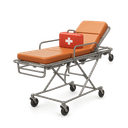
Bodily Injury Liability
Covers injuries you cause to others in an accident
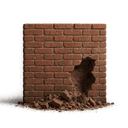
Property Damage Liability
Covers damage you cause to others' property
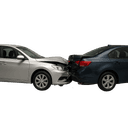
Collision Coverage
Pays for damage to your vehicle in an accident
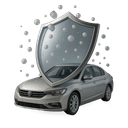
Comprehensive Coverage
Covers theft, vandalism, weather, and animal damage

Medical Payments
Covers medical costs for your drivers and passengers
Uninsured Motorist
Protection when the other driver lacks insurance
Hired & Non-Owned Auto
Covers rented or employee-owned vehicles used for work
Commercial Auto Insurance Requirements in Pennsylvania
- Pennsylvania requires minimum commercial auto liability of $15,000/$30,000/$5,000, but many businesses may choose higher limits based on their risk.
- Uninsured/underinsured motorist coverage may be required in Pennsylvania, so verify how it applies to your policy setup.
- Hired auto and non-owned auto coverage are important if employees drive personal vehicles or your business rents vehicles for work.
- Your policy and registration details should be consistent with state DMV requirements.
How Much Does Commercial Auto Insurance Cost in Pennsylvania?
Average Cost in Pennsylvania
$140 - $430
per month
Businesses in Pennsylvania typically see commercial auto insurance premiums of $140 - $430 per month, which tends to run 4% above the national range of $140 - $410 per month.
- Fleet size and vehicle types
- Driver records and experience
- Coverage limits and deductibles
- Business industry and use
- Annual mileage and operating radius
- Claims history
Rates based on small business averages. Your actual premium may vary.
Commercial auto insurance cost in Pennsylvania is shaped by a mix of local risk and market conditions, not a one-size-fits-all rate. Based on internal CPK Insurance marketplace data drawn from a sample of small-business quotes, the broader small-business benchmark is about $140 to $410 per vehicle per month, or roughly $1,200 to $2,400 annually per vehicle. According to industry data, Pennsylvania premiums generally run about 5 to 10 percent above the national average. For a buyer, that means a policy that costs $200 a month elsewhere might run $210 to $220 here. Winter storms and flooding also matter, because the state's climate profile rates both as high hazards. Your premium may move up or down based on your fleet size and vehicle types, along with driver records and experience. Coverage limits and deductibles play a role, as do your business industry and use, annual mileage and operating radius, and claims history. A small local service vehicle in Harrisburg may price differently than a truck that runs longer routes through weather-exposed parts of the state. Pennsylvania also has many active insurance companies, so quote variation can be meaningful even for similar vehicles.
| Coverage Type | What It Covers | Typical Limits |
|---|---|---|
| Bodily Injury Liability | Injuries to others in accidents you cause | $500K to $2M |
| Property Damage Liability | Damage to others' property | $100K to $1M |
| Collision | Damage to your vehicle in an accident | Actual cash value |
| Comprehensive | Theft, vandalism, weather, animal damage | Actual cash value |
| Medical Payments | Medical costs for your drivers/passengers | $5K to $25K |
| Uninsured Motorist | Protection when other driver lacks insurance | $500K to $1M |
| Hired & Non-Owned | Rented or employee personal vehicles | Same as liability limits |
Bodily Injury Liability
- What It Covers
- Injuries to others in accidents you cause
- Typical Limits
- $500K to $2M
Property Damage Liability
- What It Covers
- Damage to others' property
- Typical Limits
- $100K to $1M
Collision
- What It Covers
- Damage to your vehicle in an accident
- Typical Limits
- Actual cash value
Comprehensive
- What It Covers
- Theft, vandalism, weather, animal damage
- Typical Limits
- Actual cash value
Medical Payments
- What It Covers
- Medical costs for your drivers/passengers
- Typical Limits
- $5K to $25K
Uninsured Motorist
- What It Covers
- Protection when other driver lacks insurance
- Typical Limits
- $500K to $1M
Hired & Non-Owned
- What It Covers
- Rented or employee personal vehicles
- Typical Limits
- Same as liability limits
How Pennsylvania compares with the national baseline
Uninsured drivers
7.6% vs 11.6% baseline
About 7.6% of Pennsylvania drivers are estimated to be uninsured, below the 11.6% average across states.
Fatal crashes per 100 million miles
1.19 vs 1.33 baseline
Pennsylvania sees about 1.19 fatal crashes per 100 million miles driven, below the national average of 1.33.
Blue bar: Pennsylvania. Gray line: national baseline.
Prices shown are general estimates, not guaranteed rates or quotes. Your actual premium will depend on the insurer, coverage selected, business details, location, claims history, and other underwriting factors. Learn about our pricing methodology.
Request a Quote Comparison
Enter your ZIP code to compare commercial auto insurance rates from top carriers.
Business insurance starting at $25/mo
Who Needs Commercial Auto Insurance?
Retail businesses with delivery vans, healthcare and social assistance providers with client-visit vehicles, and manufacturing companies moving people or materials all have business-use exposure that personal auto policies may not address. Many owners here rely on a single company car, a few service vans, or a small fleet rather than a large transportation operation. If employees drive to client sites across a wide operating radius, the policy should reflect that use. Businesses that rent vehicles for short-term jobs may need hired auto coverage, while those allowing staff to use personal vehicles for errands, meetings, or deliveries may need non-owned auto coverage. Fleet coverage is especially relevant if you manage multiple vehicles with different drivers, because one policy can help organize liability, collision, and comprehensive choices across the group. Truck insurance also becomes important when heavier vehicles, longer mileage, and weather exposure raise the odds of a loss. Even a company car used only part-time for business can need its own policy if the personal policy does not fully cover work-related driving.
| Requirement | What Pennsylvania law says |
|---|---|
| Auto liability minimums | $15,000/$30,000/$5,000 (bodily injury per person / per accident / property damage). These floors apply to personal and business vehicles alike; lenders and contracts often require more. |
| Where to verify | Pennsylvania Insurance Department publishes current requirements, consumer guides, and license lookups. |
Commercial Auto Insurance by City in Pennsylvania
Commercial Auto Insurance rates and coverage options can vary across Pennsylvania. Select your city below for localized information:
How to Buy Commercial Auto Insurance
Start by confirming how each vehicle is used, because Pennsylvania's commercial vehicle rules are tied to actual business use and registration. Your policy details should match the vehicle records, driver assignments, and how the vehicle is operated day to day. Then gather the basics insurers usually ask for, including your vehicle list, VINs, garaging locations, annual mileage, operating radius, driver histories, and whether you need hired auto or non-owned auto coverage. Because Pennsylvania has many active insurers, you can compare more than one quote and still stay within the same state minimum framework. A commercial auto insurance quote in Pennsylvania should show the liability limits, any uninsured/underinsured motorist treatment, collision and comprehensive options, and whether the quote includes endorsements for rented or employee-owned vehicles. If you are insuring a fleet, ask how the carrier handles mixed vehicle types, multiple drivers, and different use patterns across the same account. Since Pennsylvania's pricing tends to run above average, it is worth comparing not just price but also how each insurer handles winter storm, flood, and crash-related claims. You can also ask whether bundling with other business policies is available, because that may affect the final package even though the auto policy itself still needs to stand on its own terms. To compare your options with participating licensed providers, request a quote through CPK Insurance.
How to Save on Commercial Auto Insurance
The most effective ways to lower commercial auto insurance cost in Pennsylvania usually come from risk control, cleaner driver profiles, and smarter policy design rather than cutting needed protection. Start with a fleet safety program. Lane departure, speeding, weather conditions, failure to yield, and distracted driving are common crash causes here, and a structured program gives drivers clear expectations. Pair that with GPS tracking and dash cameras, which support safer driving and stronger claim documentation. Over time, telematics data from those tools may help some businesses earn better pricing. Next, look at your deductibles. Higher deductibles can reduce premium, but only if your business can absorb the out-of-pocket amount after a collision or comprehensive loss. Keeping annual mileage and operating radius tight when possible may also help, since those are rating factors in Pennsylvania. If you have multiple vehicles, ask about fleet coverage so the carrier can price the account as a whole rather than vehicle by vehicle. Clean driver records and documented experience matter because insurers weigh driver history heavily, and that is especially relevant given that Pennsylvania sees over 120,000 reportable crashes annually and an uninsured driver rate estimated near 7 percent. You can also compare liability coverage across carriers, because the state's many insurers create room for quote differences on similar risk profiles. Bundling can help too, because pairing auto with other business policies through the same carrier may reduce premiums, though the actual result varies by account.
Our Recommendation for Pennsylvania
For Pennsylvania businesses, I would treat the minimum liability limit as a starting point, not a final purchase target, because the state's claim costs, crash volume, and winter and flood exposure can quickly outgrow a bare-bones policy. If you use rented vehicles or employee-owned cars for work, ask specifically about hired auto and non-owned auto coverage so your quote reflects those exposures instead of leaving them off. Compare at least several carriers in the Pennsylvania market, since many active insurers operate here and the same vehicle can price differently depending on how each company views your drivers, mileage, and operating radius. Make sure the quote aligns with Pennsylvania DMV registration and any uninsured/underinsured motorist treatment that may apply.
FAQ
Frequently Asked Questions
In Pennsylvania, a commercial auto policy can include liability, collision, comprehensive, medical payments, and uninsured motorist protection, and it can also extend to hired and non-owned vehicles if those endorsements are added.
Pennsylvania requires minimum liability for commercial vehicles, and your policy should align with state DMV registration rules.
The typical range for the state is about $140 to $410 per month per vehicle, while the small-business annual benchmark is about $1,200 to $2,400 per vehicle, depending on your drivers, mileage, limits, and vehicle types.
Any business that uses a car, van, truck, or fleet for work in Pennsylvania may need coverage, especially if employees drive to client sites, make deliveries, or use personal vehicles for company errands.
If your business rents vehicles or employees drive personal cars for work, hired auto and non-owned auto coverage can help fill the gap that a standard commercial auto policy may not cover by itself.
Gather your vehicle list, driver information, annual mileage, operating radius, and any need for hired auto or non-owned auto coverage, then compare quotes from Pennsylvania carriers or others in the state.
Premiums are influenced by fleet size, vehicle types, driver records, coverage limits and deductibles, business use, annual mileage, operating radius, claims history, and how much winter or flood exposure your routes face.
Commercial auto insurance can help cover liability for bodily injury and property damage, collision damage to your vehicles, comprehensive coverage for theft and weather damage, medical payments, and uninsured/underinsured motorist protection. It also can help cover hired and non-owned vehicles with the right endorsements.
Updated July 16, 2026