Updated July 16, 2026

Key Takeaways
- Review your construction contract before requesting a quote, so the named insureds and insurance responsibility match the job documents.
- Prepare the project budget, timeline, address, and scope summary before applying, so the quote reflects the work actually being built.
- Check whether the policy addresses on-site materials, transit, temporary structures, and soft costs before the first delivery arrives.
- Compare the policy term against your realistic completion schedule, then ask about extension options before the original term gets close to expiring.
- Map builders risk against your liability, installation, and equipment policies, so you avoid both coverage gaps and overlapping property insurance.
Builders Risk Insurance in Rhode Island
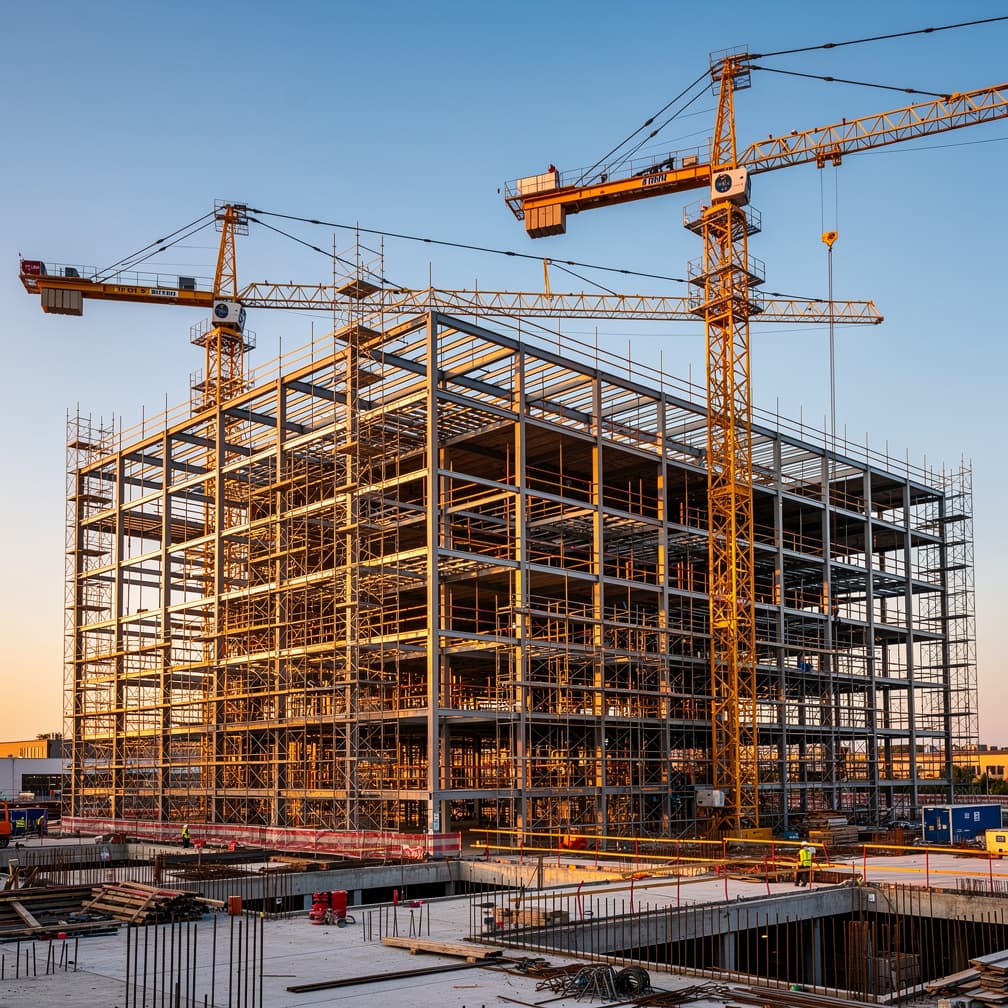
A builders risk quote usually starts with your plans, budget, contract requirements, and construction timeline, not just an address. That preparation matters here because underwriters want a clear picture of what is being built, who controls the site, which materials will be stored before installation, and how delays could affect the job. If you request a quote without those details, you are more likely to spend time revising values, named insureds, or policy dates after the first quote comes back. A better approach is to gather the construction contract, lender insurance requirements, project schedule, site security details, and a current statement of completed value. It also helps you ask better questions about temporary structures, materials in transit, soft costs, and whether renovation work changes how the project should be underwritten. Projects here often involve tight sites, coastal weather exposure, and renovation work on existing structures, so the quote process works best when your submission explains those job conditions up front.
What Builders Risk Insurance Covers
The useful review focuses on how the policy matches the way your job is staged, not just the basic concept of builders risk coverage. A ground-up build, a phased addition, and a renovation inside an occupied structure create different property exposures during the course of construction. You want the quote to identify what property is included at the site, what property may be covered off-site or in transit if requested, and whether temporary works or stored materials need to be scheduled or specifically discussed.
A policy review should focus on the points where construction actually slows down or gets more expensive after a loss. That includes partially installed materials, equipment that becomes part of the structure, scaffolding or temporary protection, and the cost of restarting work after damage. If your contract pushes responsibility for certain materials to the owner before installation, that should be reflected in the application and the named insured structure.
Renovation work deserves extra attention because many jobs involve existing buildings rather than empty sites. In that setting, you should ask where the policy draws the line between existing property and new work, whether occupied portions of the building create underwriting conditions, and how water intrusion, theft of installed materials, or damage during a partial shutdown would be handled under the policy terms. The practical goal is simple: make sure the quote follows the job flow, the contract, and the property values actually at risk.

Structure Coverage
Covers the building or structure under construction.

Materials on Site
Covers building materials stored at the construction site.

Materials in Transit
Covers materials being transported to the job site.
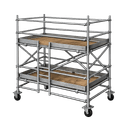
Temporary Structures
Covers scaffolding, fencing, and temporary buildings.

Soft Costs
Covers additional expenses from construction delays due to covered losses.

Equipment Coverage
Covers permanently installed fixtures and equipment.
Builders Risk Insurance Requirements in Rhode Island
- Coastal exposure can make weather interruptions, material storage timing, and temporary site protection more important during underwriting than many buyers expect.
- Renovation projects often need a sharper distinction between existing property and the new work so the policy follows the actual construction risk.
- Tight urban or infill sites can change how you describe fencing, deliveries, staging, and theft controls, which affects how the project is evaluated.
- If your job involves phased occupancy or tenant improvements, review how policy dates and insured interests line up with each construction phase.
How Much Does Builders Risk Insurance Cost in Rhode Island?
Pricing is usually shaped by how easy the project is to understand and how much uncertainty remains in the submission. If the completed value is still moving, the construction schedule is vague, or the contract leaves insurance responsibility unclear, the quote often takes longer and may come back with tighter terms. If your submission is organized, underwriters can evaluate the project with fewer assumptions.
The biggest cost drivers are usually the completed value, construction type, project duration, renovation versus new construction, site security, and the location of the job. A coastal project may need closer review of weather-related exposure. A renovation in an older occupied building can raise more underwriting questions than a straightforward new build because the work has to be separated from the existing structure and ongoing operations. Material storage also affects pricing. If high-value items will sit off-site, in a warehouse, or on an unsecured lot before installation, mention that early so the quote reflects the real exposure.
Deductible choices and optional extensions also change the premium. If you ask for broader protection around delay-related costs, temporary structures, or property in transit, expect the quote to move accordingly. The most useful way to shop is to compare the total package: covered property categories, valuation basis, policy term, extensions requested, and any conditions tied to vacancy, occupancy, or protective safeguards. The state's insurance regulator is the Department of Business Regulation. If a carrier or agent seems unfamiliar, you can verify licensing through their database.
Request a Quote Comparison
Enter your ZIP code to compare builders risk insurance rates from top carriers.
Business insurance starting at $25/mo
Who Needs Builders Risk Insurance?
The right buyer is usually the party that carries the financial risk if work in place is damaged before completion, but the practical answer often depends on the contract. Owners commonly arrange the policy on custom homes, additions, and commercial projects because they control the site and financing. General contractors may buy it when the agreement makes them responsible for the work until completion or when they want tighter control over how the project is insured. Developers, investors, and lenders also have a stake in making sure the policy structure matches the deal documents.
The need becomes more obvious on projects with phased draws, stored materials, or renovation work in existing buildings. If your lender is advancing funds based on completed stages, a loss can disrupt more than the physical work. It can affect inspections, draw timing, and the ability to keep subcontractors moving. That is why the buyer should not just ask who can purchase the policy, but who should control it, who needs to be named, and whose property interest must be reflected.
Jobs here also make this review important for condominium associations, landlords improving tenant space, and owners rehabbing older properties. In those situations, the insurance question is rarely limited to the new work alone. You may need to sort out responsibility between the association, owner, tenant, contractor, and lender before the first delivery arrives. If you have money tied up in the project, materials committed to the site, or contractual responsibility for the work in progress, it is worth reviewing builders risk before construction starts, not after a loss exposes a gap.
Builders Risk Insurance by City in Rhode Island
Builders Risk Insurance rates and coverage options can vary across Rhode Island. Select your city below for localized information:
How to Buy Builders Risk Insurance
Get your documents together first. Underwriters will ask for the signed or near-final construction contract, project address, scope summary, start date, target completion date, total completed value, and a breakdown of major materials or phases if the job is unusual. If the project involves renovation, include a clear description of the existing structure, whether any part of it remains occupied, and how the work area will be separated and protected.
Next, confirm who needs to be insured. The named insured setup should follow the contract and financing documents, not guesswork. Owners, general contractors, developers, and lenders may all need to be addressed in some way, and getting that wrong can slow closing or force endorsements later. You should also identify whether materials will be stored off-site, shipped in stages, or installed long after delivery. Those details often matter more than buyers expect.
Then review the quote for terms, not just premium. Check the policy period against the construction schedule, including likely delays. Review deductibles, covered property categories, valuation, and any conditions tied to protective devices, fencing, temporary heat, or occupancy. If the project is near the coast or exposed to weather-driven delays, ask how that affects the form and any special conditions. When you are ready to move forward, compare the certificate requirements from the owner, lender, or municipality against the actual quote so you do not discover a mismatch right before permits, funding, or mobilization. Request a quote through CPK Insurance to compare your options with participating licensed providers.
How to Save on Builders Risk Insurance
The cleanest way to lower your cost is to remove uncertainty from the submission. If your application leaves open questions about completed value, project duration, renovation scope, or who is responsible for insuring the work, you make the job harder to underwrite. A detailed submission can improve both pricing and terms because it shows how the project will actually be managed.
Accurate values matter first. Do not round casually or rely on an outdated budget if material pricing or scope has changed. If the project includes owner-supplied materials, long-lead items, or custom components stored before installation, account for them clearly. Next, tighten site controls. Fencing, lighting, locked storage, water shutoff procedures, and documented delivery handling can all support a better underwriting conversation because they address common loss points during construction.
You can also save by matching the policy term to the real schedule instead of guessing. If the build is likely to run longer because of permitting, specialty trades, or phased occupancy, address that early rather than paying for rushed changes later. On renovation work, separate the new work from existing property as clearly as possible in the contract and submission. That helps avoid broader assumptions than the project deserves.
A lower premium can cost more later if the policy handles stored materials, transit, temporary works, or delay-related expenses less favorably than your project requires. Ask each quoting source to explain what information would improve the submission, then revise once and requote if needed.
Our Recommendation for Rhode Island
For builders risk, treat the application like a project control document. If the values, schedule, and insured parties are not settled on paper, the quote is less reliable. I would review the construction contract and lender requirements side by side before you request terms, then build the submission around those documents.
On coastal or weather-exposed jobs, ask specifically about materials storage, delivery timing, and temporary protection during pauses in work. Those details often matter more than buyers expect because losses do not only happen after the structure is enclosed. On renovation projects, push for a clear written distinction between existing property and the work being put in place. That is one of the easiest places for misunderstandings to surface after a claim.
If your project involves phased completion, tenant improvements, or owner-furnished materials, say so early. Do not assume the underwriter will infer it from plans alone. At the final review stage, compare the quote against the certificate language your lender or contract administrator expects. That final check can prevent last-minute endorsement requests, delayed closings, or a policy that technically binds but does not match the job's actual insurance obligations.
FAQ
Frequently Asked Questions
Insurance oversight sits with the Department of Business Regulation, which maintains a database you can check to confirm a carrier or agent is properly licensed.
Renovation projects often deserve a closer review because the policy needs to separate existing property from the work in progress. That matters even more if the building stays partially occupied during construction.
Contractors can be the buyer if the contract places that responsibility on them, but the better question is whether the named insured structure matches the owner, lender, and project obligations at the outset.
Lenders usually focus on whether the policy matches the construction contract, project value, and draw process. You should compare certificate wording and insured party requirements early, not after closing is scheduled.
Coastal projects can face closer underwriting review because weather exposure changes how carriers look at stored materials, temporary protection, and delays. It helps to explain site controls and delivery timing clearly in the submission.
You usually get a cleaner quote by preparing the contract, project address, completed value, construction timeline, financing requirements, and any details about renovation, occupancy, or off-site material storage.
Older-building projects often need more underwriting detail because renovation work can interact with existing construction, occupied areas, and staged repairs. You should ask how the policy treats new work versus the original structure.
Builders risk insurance may cover, subject to policy terms, the structure under construction, materials on site, materials in transit, temporary structures, and fixtures or equipment being installed. Depending on the policy, you can also review soft costs and delay-related coverage tied to a covered property loss.
Sources
- 1.Rhode Island Department of Business Regulation(Rhode Island's insurance regulator is the Rhode Island Department of Business Regulation.)
Updated July 16, 2026