Updated July 16, 2026

Car Insurance in Charleston
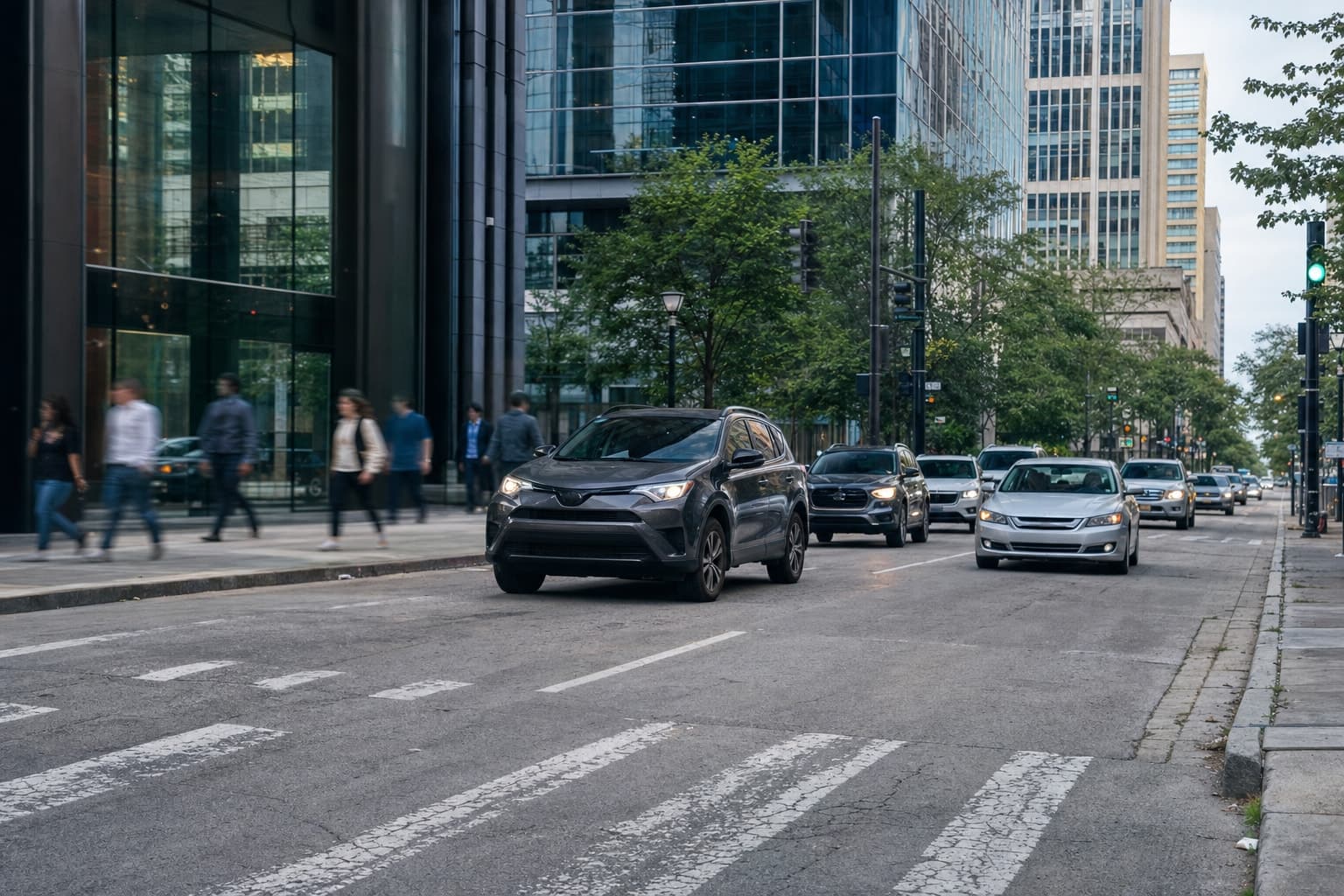
Driving patterns here change your policy review more than the state minimum ever will. You may park in a dense downtown garage during the workday, cross the peninsula for errands, then head over longer suburban routes toward West Ashley, Mount Pleasant, or North Charleston in the same week. That mix of tight parking, visitor traffic, and higher-value vehicles is why your coverage often deserves a closer look at deductibles, rental reimbursement, and whether your liability limits still fit your assets. Charleston's median household income is $90,038, roughly $20,000 above the national median. In plain terms, a serious at-fault claim here could reach savings or future earnings that state-minimum liability would leave exposed. If you own a newer vehicle, carry savings you do not want exposed after a serious crash, or regularly leave your car in busy commercial areas, it is worth comparing your current limits against how you actually drive and park locally. Start with the practical questions: where the car sits overnight, how often you drive through the historic core, and whether you could comfortably replace or repair the vehicle out of pocket after a covered loss.
South Carolina has a high climate risk rating. Top hazards: Hurricane (Very High), Flooding (High), Severe Storm (High), Tornado (Moderate). The state's expected annual loss from natural hazards is $1.4B, which influences car insurance premiums and may affect coverage availability in high-risk areas.
What Car Insurance Covers
In South Carolina, car insurance usually starts with liability coverage, which helps pay for injuries you cause to others in an auto accident. The state's commercial auto minimums use split liability limits, so verify how your policy limits compare before buying. Beyond that, collision coverage can help with repairs to your own vehicle after a crash, while comprehensive coverage can help with non-collision losses such as theft, severe weather, or other covered events. That matters here because the state's climate risk profile is rated High overall, with Hurricane risk marked Very High and Flooding and Severe Storm both High. Uninsured motorist coverage is especially relevant because of the state's uninsured driver rate, so it can help when the other driver does not have enough protection. Medical payments coverage can help with medical expenses after a crash, and rental car coverage can help keep you mobile while your vehicle is being repaired. Coverage needs can also change by location, since coastal counties face different weather exposure than inland areas like Columbia or Greenville, and that changes how drivers think about comprehensive coverage versus liability-only choices.
Coverage Included

Liability
Can help pay for injuries and property damage you cause to others in an accident, coverage most states require drivers to carry.
Collision
Can help pay to repair or replace your car after a crash with another vehicle or object, regardless of fault.

Comprehensive
Typically covers damage to your car from events other than collisions, such as theft, hail, fire, flooding, or hitting an animal.

Uninsured Motorist
May pay for your injuries and, in some states, car damage when an at-fault driver has no insurance or too little.

Medical Payments
Can help cover medical bills for you and your passengers after an accident, no matter who was at fault.
Rental Reimbursement
May pay for a rental car while your vehicle is in the shop for repairs after a covered claim.
Car Insurance Cost in Charleston
Average Cost in South Carolina
$110 - $270
per month
In South Carolina, car insurance premiums typically run $110 - $270 per month, which tends to run 12% above the national range of $110 - $230 per month.
- Driving record and age
- Vehicle make, model, and year
- Location and commute distance
- Credit-based insurance score
- Coverage limits and deductibles
Contact CPK Insurance for a personalized quote.
Prices shown are general estimates, not guaranteed rates or quotes. Your actual premium will depend on the insurer, coverage selected, personal details, location, claims history, and other underwriting factors. Learn about our pricing methodology.
Car insurance cost in South Carolina depends on your profile and coverage choices more than on any single statewide number. Factors that affect cost include coverage limits and deductibles, claims history, location, and policy endorsements, all of which matter in a state with 142,000 crashes in 2023 and an average claim cost of $22,178. That average claim figure means a single accident can cost more than many drivers expect, which is why higher limits often make sense. Local risk also plays a role, as the state's hurricane exposure, severe storm history, and elevated uninsured driver rate can push shoppers to choose higher limits or add uninsured motorist coverage. Urban and coastal drivers may see different pricing pressure than rural drivers because commute patterns, traffic density, and weather exposure vary across places like Charleston, Columbia, Myrtle Beach, and the Hilton Head area. With multiple carriers vying for business, a quote can vary widely by carrier even for similar drivers.
Industries & Insurance Needs in Charleston
Charleston County has 15,484 business establishments, and its leading sectors by establishment share are professional, scientific, and technical services at 14.2%, retail trade at 13.6%, and accommodation and food services at 10.1%. That mix matters because it creates steady weekday commuting, customer traffic, service trips, and destination driving around shopping and hospitality areas, so your car may spend more time in busy lots and mixed-use corridors than a purely residential market. If you use one vehicle for office commuting, client meetings, shopping runs, and evenings out, review whether your policy assumptions still match actual use. It is also a good prompt to separate personal driving from any business errands that could call for a different conversation. Before renewing, think through where the car is parked during work hours, how often you carry work materials, and whether your insurer should re-rate the vehicle based on a changed routine.
What Affects Car Insurance Rates in Charleston
Charleston households often have enough income, vehicle value, or savings at stake that the cost conversation should go beyond the lowest monthly premium. Higher-income households often have more to lose from carrying only minimal liability protection, so the real question is not just monthly price, but how much loss you would retain after a major claim. If replacing your car, paying for a rental, or defending assets after an at-fault accident would strain your budget, review higher liability limits and compare deductible options instead of shopping on premium alone. This is also a market where many drivers combine commuting, errands, and leisure driving in one vehicle, which makes convenience features such as roadside assistance or rental reimbursement worth pricing separately. Use the quote process to test tradeoffs: a higher deductible, stronger liability limits, and whether optional coverages still make sense for the car’s age and value.
What Makes Charleston Different
In this market, the issue is often not extreme mileage but how often your car is parked, maneuvered, and exposed in tighter, busier places. A driver who spends part of the week in garages, curbside spaces, restaurant districts, and retail corridors faces a different claims pattern than someone whose vehicle mostly sits in a private driveway and travels predictable suburban routes. A local policy review should focus less on the state minimum framework and more on practical loss scenarios. Think about backing into a post in a tight garage, catching a bumper in a crowded lot, a cracked windshield from bridge debris, theft from a street parking spot, and the week or more you might spend without your car while repairs are underway. For many drivers here, the smarter approach is to test liability limits, comprehensive and collision deductibles, and rental reimbursement together.
Our Recommendation for Charleston
Start with your parking reality, not your declarations page. If the car spends regular time on the street, in public decks, or in busy mixed-use areas, ask for side-by-side quotes with different comprehensive and collision deductibles so you can see what you would actually pay after a covered loss. Next, look at liability limits in light of your household finances. Many drivers here have enough income or assets that state-minimum thinking can leave too much risk on their side of the ledger. If you own a newer car, depend on it for workday mobility, or would need a temporary replacement during repairs, price rental reimbursement separately instead of assuming it is included. Finally, be precise about use. If your routine now includes client visits, regular work errands, or carrying tools or samples, say so during the quote review. Small usage details can change which policy structure makes sense.
Get Car Insurance in Charleston
Enter your ZIP code to compare car insurance rates from carriers in Charleston, SC.
Car insurance starting at $59/mo
FAQ
Frequently Asked Questions
Dense parking, mixed traffic, and higher-value vehicles can raise the financial stakes of a serious claim. If your car is parked in public areas often, the real question is whether your current liability ceiling is high enough that a multi-vehicle incident would not reach your personal assets.
Where you park does not create a separate rule, but it can change how you think about coverage. If your vehicle sits in garages, on the street, or in busy commercial lots, ask what your out-of-pocket cost looks like at two or three deductible levels before you commit.
Charleston County has 15,484 business establishments, roughly one for every 14 residents. The takeaway: you are maneuvering around shared parking and active retail corridors far more often than a typical suburban driver. That kind of constant low-speed maneuvering is where comprehensive and collision deductibles earn their keep, so it is worth checking whether yours still feels affordable after a real parking-lot claim.
Charleston County's leading sectors are professional services at 14.2%, retail at 13.6%, and accommodation and food services at 10.1%. Nearly four in ten local jobs sit in destinations where customers and employees share the same parking and access points. If one car handles commuting and errands through those corridors, the useful exercise is mapping your weekly routes and confirming your policy still fits the risk profile those trips actually create.
Charleston households often have more to protect than a bare minimum policy addresses. If an at-fault accident could put savings or future income at risk, ask whether your liability limit clears the value of what a plaintiff could realistically pursue.
It usually starts with liability coverage, then adds options like collision, comprehensive, uninsured motorist, medical payments, and rental reimbursement based on your needs and vehicle.
South Carolina is regulated by the South Carolina Department of Insurance, and the commercial auto minimums are $25,000/$50,000/$25,000. That means up to $25,000 per person for injuries you cause, $50,000 total per accident, and $25,000 for property damage. Exact needs can vary by driver and vehicle use.
The average premium range is **$110 to $270 per month**. Your quote can move up or down based on coverage limits, deductibles, claims history, location, and endorsements.
Sources
- 1.U.S. Census Bureau, ACS 5-Year Estimates, table B19013(Charleston’s median household income is $90,038.)
- 2.U.S. Census Bureau, County Business Patterns, Charleston County(Charleston County has 15,484 business establishments.; Charleston County’s leading sectors by establishment share are professional, scientific, and technical services 14.2%, retail trade 13.6%, and accommodation and food services 10.1%.)
Updated July 16, 2026