
Updated July 5, 2026

Homeowners Insurance in Charleston
Should you buy a standard policy and move on, or ask for a more tailored review before you close or renew here? In Charleston, a tailored review is usually the safer move, because home values, neighborhood housing stock, and lender expectations can raise the stakes of a coverage gap. Homeowners insurance in Charleston deserves a closer look when the median home value is $469,100, so a low dwelling limit or outdated replacement estimate can leave you carrying more of a repair bill than you expected. The local picture also is not just about the house itself. Older homes south of Calhoun, renovated properties in Wagener Terrace, and newer builds in West Ashley or on James Island can each call for different conversations about roof age, ordinance or law, water backup, and whether flood insurance should sit alongside the base policy. Many buyers here are balancing a valuable asset against a budget that still has to absorb deductibles, maintenance, and rising escrow. Before you bind coverage, compare the dwelling limit, deductible structure, endorsements, and any separate wind or flood decisions against how your property is actually built and financed.
South Carolina has a high climate risk rating. Top hazards: Hurricane (Very High), Flooding (High), Severe Storm (High), Tornado (Moderate). The state's expected annual loss from natural hazards is $1.4B, which influences homeowners insurance premiums and may affect coverage availability in high-risk areas.
What Homeowners Insurance Covers
For a South Carolina home, the most useful coverage review starts with the loss scenarios that are most likely to test the policy wording, not with a generic checklist. You want to see how the quote handles wind-driven rain, fallen trees, roof damage, screened porches, detached structures, and interior water damage that starts with a plumbing failure or appliance line. Two policies can show similar dwelling limits but diverge sharply on deductibles, exclusions, and optional endorsements, so reading the fine print is what actually tells you which one fits.
This is also where you separate standard homeowners protection from hazards that usually need separate planning. In South Carolina, buyers often need to ask specifically about flood, sewer or drain backup, ordinance or law coverage for rebuilding to current code, and scheduled coverage for higher-value jewelry, art, or collectibles. If your home has a detached garage, workshop, fence, or pool enclosure, confirm how those structures are treated and whether the limits fit what is actually on the property.
Liability deserves a practical review too. If you host guests, have a dog, employ occasional domestic help, or own features that increase injury exposure, ask how personal liability and medical payments are written and where exclusions may apply. If you work from home, check whether business property or client visits create a gap that should be addressed separately.
The South Carolina Department of Insurance is the state regulator. If you have a dispute over a claim or coverage interpretation, you can file a complaint with that office. Before binding, request specimen forms or a full coverage summary, then mark up the exclusions and deductible language before you choose.
Coverage Included

Dwelling
Repairs or rebuilds your home itself, the walls, roof, floors, built-in appliances, and attached structures like a garage, after a covered loss. Set this limit to the full cost of rebuilding, not market value.
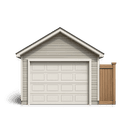
Other Structures
Detached structures on your property, such as a fence, shed, detached garage, or gazebo. Usually set at about 10 percent of your dwelling limit [2].

Personal Property
Your belongings, furniture, clothing, electronics, and appliances, generally written at 50 to 70 percent of your dwelling limit [2]. High-value items like jewelry and art carry special limits.

Additional Living Expenses
Also called loss of use. Pays your added living costs, hotel stays, meals, and a temporary rental, while a covered loss makes your home uninhabitable. Usually set at about 20 percent of your dwelling limit.

Liability
Covers you if someone is injured on your property, or you damage someone else's property, and you are found responsible. The standard $100,000 limit [2] is often raised to $300,000 or $500,000.

Medical Payments
Pays small medical bills, commonly $1,000 to $5,000, if a guest is hurt at your home regardless of fault, without a formal liability claim.
Homeowners Insurance Cost in Charleston
Average Cost in South Carolina
$130 - $380
per month
In South Carolina, homeowners insurance premiums typically run $130 - $380 per month, which tends to run 42% above the national range of $110 - $250 per month.
- Home replacement cost, age, and construction type
- Roof age, material, and condition
- ZIP code and local weather risk (wind, hail, wildfire, hurricane)
- Coverage limits and endorsements
- All-peril and percentage wind/hail deductibles
- Claims history and insurance score where allowed
Typical range for many standard homeowners profiles; lower-risk homes fall below it and coastal, wildfire, or older-roof homes can run well above. Final pricing depends on property details, location, underwriting, and selected coverage.
Prices shown are general estimates, not guaranteed rates or quotes. Your actual premium will depend on the insurer, coverage selected, personal details, location, claims history, and other underwriting factors. Learn about our pricing methodology.
Homeowners pricing in South Carolina moves on property-specific underwriting, so the useful question is not what a typical home costs, but which details on your house are pushing the quote up or down. Many homes see premiums from $130 to $380 per month, depending on location, rebuild cost, roof age and material, claims history, deductible choice, protective devices, and whether endorsements are added for water backup or other gaps. For a household budget, that spread means the difference between roughly $1,560 a year and $4,560 a year, so the details that move your quote up or down are worth getting right before you bind. Carriers also look closely at construction features, updates to electrical and plumbing systems, prior losses tied to the property or insured, and whether the home is owner occupied, seasonal, or vacant for stretches of time. Even two homes with similar market values can quote very differently if one would cost more to rebuild or presents a tougher wind or water profile.
Your deductible is one of the clearest pricing levers. A higher deductible can lower the premium, but only if you can comfortably absorb that amount after a covered loss. The same logic applies to endorsements. Adding coverage for water backup, higher personal property categories, or ordinance and law can improve the fit of the policy, but it changes the total cost.
To compare quotes fairly, keep the dwelling limit, deductible structure, and endorsements aligned across each option. If one quote looks much lower, check whether it uses a different deductible, excludes a key endorsement, or applies tighter sublimits that leave you paying more out of pocket later.
What Affects Homeowners Insurance Rates in Charleston
Charleston's cost conversation is shaped less by a statewide average and more by the value of the asset you are insuring. Quote differences can become meaningful when carriers model higher rebuilding exposure, larger dwelling limits, or upgraded materials. Charleston median household income is $90,038, so many households are trying to protect substantial home equity without letting premiums and deductibles drift out of line with the rest of the budget. That is why a local quote review should focus on the levers you can actually adjust: dwelling limit accuracy, deductible choices, roof and update details, loss history, and which endorsements you keep or drop. If your premium feels high, do not just cut limits. Recheck the replacement estimate, ask how the home's age and updates are being classified, and compare the cost of optional coverages against the out-of-pocket risk you would keep after a claim.
What Makes Charleston Different
Property value is the main thing that changes the calculus here. In Charleston, that means the financial consequence of being underinsured can be larger than buyers expect, especially if they rely on an old estimate from a prior owner, a refinance, or a quick online quote. That does not mean every home needs the same structure or endorsements. It means small errors matter more. A dwelling limit that looked close enough a few years ago may not track with renovations, local labor conditions, detached structures, or finish quality today. The practical takeaway is simple: treat the quote as a property review, not a commodity purchase. Confirm how the carrier is valuing the home, whether recent upgrades are reflected, and what exclusions or separate deductibles could shift costs back to you after a loss. Here, precision usually matters more than chasing the lowest premium.
Our Recommendation for Charleston
Start with the replacement side of the policy, not the premium. Ask for a line-by-line review of the dwelling limit, other structures, personal property, and loss of use, then compare those figures to the way your home is actually built, updated, and occupied. If you own an older property, ask specifically about ordinance or law and whether prior renovations are fully reflected in the estimate. If the home has a finished room over a garage, detached shed, guest space, or higher-end interior materials, make sure those details are not being glossed over. Keep your deductible discussion practical. Choose an amount you could handle without disrupting other obligations, and review whether separate wind or flood decisions leave a gap you would regret after a claim. If you are buying with a mortgage, line up the binder, deductible structure, and escrow timing early so closing is not delayed by last-minute coverage revisions.
Get Homeowners Insurance in Charleston
Enter your ZIP code to compare homeowners insurance rates from carriers in Charleston, SC.
Home insurance starting at $50/mo
FAQ
Frequently Asked Questions
Charleston buyers often need a closer review because the city's housing values can make a small error in dwelling limits much more expensive after a serious loss. Review replacement estimates, updates, and endorsements before binding coverage.
Charleston home values do change the conversation. You should not rely on an old policy limit or a rough online estimate. Ask for a fresh replacement-cost calculation tied to your home's actual features and updates.
Charleston households should usually test the deductible first against cash flow. Median household income is $90,038, so the better question is whether you can comfortably absorb the out-of-pocket amount after a claim without cutting needed coverage elsewhere.
Charleston County does matter if your home has business use. The county has 15,484 business establishments, so home-based work is common enough that you should ask whether your policy's business property and liability terms fit how you actually use the space.
Charleston County's mix includes professional, scientific, and technical services at 14.2%, retail trade at 13.6%, and accommodation and food services at 10.1%. If you run client meetings, store inventory, or keep work equipment at home, review business-use limitations carefully.
Policies can handle wind-related losses differently through deductibles, exclusions, or roof settlement terms, so you need to read the declarations page and endorsements together before binding. Compare how each quote treats roof age, storm damage, and interior water that follows wind damage.
Buyers often ask about water backup because a standard policy may not address every drain or sewer backup scenario the way you expect. Review the endorsement options, sublimits, and deductible impact before you decide, especially if the home has finished lower-level space.
Older-home quotes should be checked for underwriting assumptions about roof age, wiring, plumbing, and HVAC updates. If those details are wrong, the premium and eligibility can be wrong too, so gather inspection reports and renovation records before you bind coverage.
Sources
- 1.U.S. Census Bureau, ACS 5-Year Estimates, table B25077(The median home value in Charleston is $469,100, so a low dwelling limit or outdated replacement estimate can leave you carrying more of a repair bill than you expected.)
- 2.U.S. Census Bureau, ACS 5-Year Estimates, table B19013(Charleston median household income is $90,038, so many households are trying to protect substantial home equity without letting premiums and deductibles drift out of line with the rest of the budget.)
- 3.U.S. Census Bureau, County Business Patterns, Charleston County(Charleston County has 15,484 business establishments, so home-based work is common enough that you should ask whether your policy's business property and liability terms fit how you actually use the space.; Charleston County's leading sectors are professional, scientific, and technical services 14.2%, retail trade 13.6%, and accommodation and food services 10.1%, so buyers who work from home should review business-use limitations carefully.)
Updated July 5, 2026