Updated July 16, 2026

Key Takeaways
- Review your construction contract before requesting a quote, so the named insureds and insurance responsibility match the job documents.
- Prepare the project budget, timeline, address, and scope summary before applying, so the quote reflects the work actually being built.
- Check whether the policy addresses on-site materials, transit, temporary structures, and soft costs before the first delivery arrives.
- Compare the policy term against your realistic completion schedule, then ask about extension options before the original term gets close to expiring.
- Map builders risk against your liability, installation, and equipment policies, so you avoid both coverage gaps and overlapping property insurance.
Builders Risk Insurance in South Dakota
A homeowner adding a detached shop outside Sioux Falls and a developer putting up a mixed use building in Rapid City face different builders risk decisions. The homeowner may care most about temporary storage, delivery timing, and whether materials are sitting on site before installation, while the developer usually needs tighter attention on lender requirements, contract language, and how multiple parties are listed across a longer build. Your policy should be reviewed around the job you are actually building, where materials are kept, and how weather can interrupt the schedule.
In this state, wind, hail, severe storms, wildfire, and winter conditions can change how you think about site security, material staging, and delay exposure. A practical quote review starts with the construction contract, the project timeline, and a clear breakdown of what is already on site, what is in transit, and what still needs to be ordered. Before you request terms, line up the budget, plans, lender instructions, and the party list so the quote matches the way the project is being financed and built.
What Builders Risk Insurance Covers
In South Dakota, the useful difference is not the basic definition of builders risk but how carefully the policy matches the way your project is staged and exposed to loss. A rural custom home build can have materials delivered early because suppliers are farther away. An in town commercial project may have tighter delivery windows but more foot traffic and subcontractor movement.
Start with property that will sit on the site before it is installed, since framing lumber, windows, mechanical equipment, or finish materials often arrive ahead of schedule and you want the quote reviewed for how those items are treated while they are waiting to be used. If key components travel a long distance into South Dakota, ask whether transit exposure should be reviewed as part of the policy structure or handled another way.
You should also look closely at temporary works and soft cost related needs if the project depends on a narrow build season. A weather interruption can create extra carrying costs, rescheduling problems, or a longer path to completion. That does not mean every project needs the same endorsements. It means you should compare the policy against the actual construction sequence, especially if the job includes phased work, owner supplied materials, or specialty items with long replacement times.
The state regulator is the South Dakota Division of Insurance, which you can contact if you have questions about a carrier, need to verify a license, or want to file a complaint about policy handling. On the buying side, the practical move is to request a line by line review of covered property, excluded causes of loss, theft conditions, vacancy or occupancy triggers, and any limitation that could matter once the project moves from rough work to finishes.

Structure Coverage
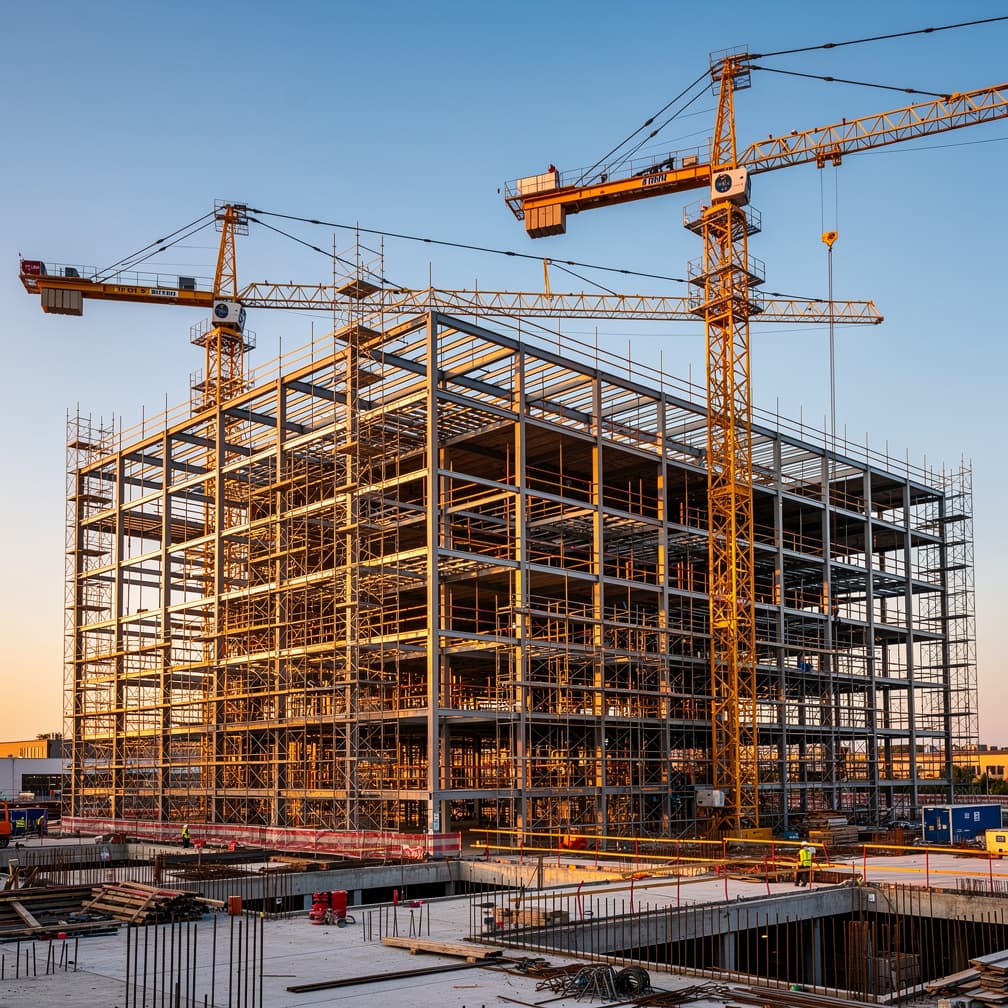
Covers the building or structure under construction.
Materials on Site
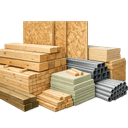
Covers building materials stored at the construction site.

Materials in Transit
Covers materials being transported to the job site.
Temporary Structures
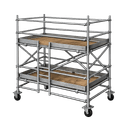
Covers scaffolding, fencing, and temporary buildings.

Soft Costs
Covers additional expenses from construction delays due to covered losses.
Equipment Coverage
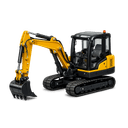
Covers permanently installed fixtures and equipment.
Builders Risk Insurance Requirements in South Dakota
- Projects with open site exposure should be checked for how wind, hail, and storm related damage could affect partially completed work before dry in.
- If your build depends on long distance deliveries, look at how temporary storage and transit related exposures are addressed before key materials are shipped.
- Rural jobsites may need closer attention to after hours security, inspection routines, and how quickly damage can be discovered and documented.
- Projects that may pause during winter conditions should be examined for term length, extension handling, and what protections are expected during shutdown periods.
How Much Does Builders Risk Insurance Cost in South Dakota?
In South Dakota, builders risk pricing is usually driven by the project itself and by how underwriters view the chance of damage before completion, so the more complete and organized your submission is, the easier it is to get terms that fit the job instead of broad assumptions.
Begin with the completed value and the construction schedule, then work outward. If your project is in an exposed area, uses higher value materials, or depends on long lead time components, the quote may need more careful underwriting review. The same is true if materials will be stored off site, delivered in phases, or installed by multiple trades over a compressed timeline. A short renovation in a dense area and a ground up build on open land can produce very different pricing logic because the theft, wind, hail, and water intrusion concerns are not the same.
You can help control cost by giving underwriters a clean statement of values, a realistic completion date, and a clear description of security measures. Explain whether the site is fenced, how materials are locked, who checks the property after hours, and whether there are temporary protections in place before the building is dried in. If the contract shifts insurance responsibility between owner and contractor at different phases, say that early so the quote is structured correctly.
The most useful cost conversation is not about chasing a generic low number. It is about avoiding gaps that become expensive after a storm loss, a theft of stored materials, or a delay tied to damaged components that are hard to replace. Ask for side by side options that show how limits, deductibles, covered property categories, and delay related endorsements change the quote.
Request a Quote Comparison
Enter your ZIP code to compare builders risk insurance rates from top carriers.
Business insurance starting at $25/mo
Who Needs Builders Risk Insurance?
In South Dakota, the buyers who should review builders risk are the ones whose money, timeline, or contractual obligations are tied to the work in place. That can include an owner building a primary residence, a farmer adding a new structure, an investor renovating a commercial property, or a general contractor responsible for delivering a completed project under a signed agreement.
This matters because South Dakota projects often involve practical differences in site conditions. Some jobs are close to suppliers and daily supervision. Others are spread out, visited less often, and more exposed to weather or theft between workdays. If your project includes owner purchased materials, lender draws tied to progress, or custom components that would be difficult to replace quickly, the need for a careful builders risk review becomes stronger.
You should also look at the contract chain. A property owner may assume the general contractor is insuring the project, while the contractor assumes the owner is handling it. A lender may require evidence of coverage before releasing funds. A tenant improvement job may shift responsibility again depending on the lease and construction agreement. Those are not small paperwork issues. They determine who is expected to insure the work, whose interest should be shown, and whether a claim payment would align with the project documents.
If you are financing construction, using a design build arrangement, or coordinating several subcontractors, ask for a review before materials start arriving. The right time to sort out named insureds, mortgagee language, additional interests, and covered property categories is before the first weather event or theft loss tests the policy.
Builders Risk Insurance by City in South Dakota
Builders Risk Insurance rates and coverage options can vary across South Dakota. Select your city below for localized information:
How to Buy Builders Risk Insurance
In South Dakota, buying builders risk efficiently starts with collecting the documents that explain the project better than a short application ever can. Put the construction contract first, then add the plans, budget, draw schedule, site address, target completion date, and any lender insurance requirements, and if the job is a renovation, include a clear description of the existing structure and what remains occupied during the work.
Next, identify every party with a financial interest that may need to appear on the policy or certificate trail. That can include the owner, general contractor, lender, and others named in the contract. If materials are being purchased by different parties, separate that clearly. Underwriters need to know who owns what before installation, where it will be stored, and when it becomes part of the project.
Then build a practical exposure summary for the South Dakota site. Note whether the location is fenced, how often it is checked, whether there is lighting or surveillance, and how deliveries are scheduled. If the project is exposed to wind, hail, wildfire, or winter weather interruptions, say so in operational terms. Explain what protections are in place, such as tarping procedures, temporary heat monitoring, water shutoff practices, or how openings are secured at the end of the day.
Before binding, review the quote against the contract rather than assuming the form handles everything automatically. Confirm the covered property categories, the policy term, any extension options if the job runs long, and how change orders will be reported. Ask specifically about theft conditions, transit treatment, temporary storage, testing, and any exclusion that could matter for your build. Once those points line up, request a quote through CPK Insurance to compare your options with participating licensed providers.
How to Save on Builders Risk Insurance
In South Dakota, the most dependable way to save on builders risk is to make the project easier to understand and less likely to produce a disputed claim, because if your submission leaves open questions about values, storage, security, or who is responsible for insurance, you often pay for that uncertainty one way or another.
Start by tightening the statement of values, breaking out major materials, owner supplied items, and any specialty equipment that could be expensive or slow to replace. If the project will be built in phases, explain the sequence instead of presenting the job as one undifferentiated total. That helps the underwriter see how property accumulates on site and when the exposure is highest.
Security planning can also affect how the risk is viewed. If the site is remote or lightly visited, document how it is checked after hours, how materials are locked or staged, and who is responsible for securing openings before crews leave. If deliveries can be timed closer to installation, that may reduce the amount of property sitting exposed to theft or weather. If a component has a long lead time, note whether it can be stored in a more protected location before it is needed.
You can also save by avoiding mid project corrections. Review the contract early, confirm who is buying the policy, and make sure the named parties are right before binding. Report change orders, schedule extensions, and value increases promptly so the policy keeps pace with the job. A lower premium does not help much if a claim later runs into a reporting problem, a limit issue, or a disagreement over whether certain property was meant to be included. Ask for options, compare deductibles carefully, and choose the structure that fits the project's real loss tolerance.
Our Recommendation for South Dakota
For South Dakota projects, treat weather planning as part of the insurance review, not as a separate field issue, so if your build could face hail, high wind, wildfire conditions, or winter shutdown risk, ask how the policy responds before those exposures show up on the jobsite. The right question is which property is most exposed at each phase and what documentation you would need after a loss.
I would also look at material flow closely. If windows, roofing materials, mechanical units, or finish items are delivered early, confirm where they are stored and whether that location matches the way the policy is written. A claim gets harder when the project team assumed stored property was covered but never described the storage arrangement during underwriting.
Finally, line up the contract, lender requirements, and quote before binding. In South Dakota, a straightforward project can still run into delays if the named insureds, mortgagee wording, or evidence of coverage do not match the construction documents. Ask for a final checklist: covered property, site security assumptions, reporting process for change orders, and what to do if completion runs past the original term. That review usually matters more than trying to shave a small amount off the premium.
FAQ
Frequently Asked Questions
The buyer is usually the party the construction contract makes responsible for insuring the project. That may be the owner or the general contractor, so check the agreement before materials are delivered or lender documents are issued.
Lenders often want evidence that the work in place is insured before releasing funds. The practical step is to match the quote, mortgagee wording, and certificate details to the loan documents before closing or the first draw.
Projects sometimes rely on off site or temporary storage because delivery timing and distance can vary. Coverage depends on the policy terms, so ask for stored materials to be addressed specifically instead of assuming they are included automatically.
Jobs here can face wind, hail, severe storms, wildfire, and winter conditions, so site security, material staging, and dry in timing matter during underwriting. Ask how those exposures affect covered property, deductibles, and any delay related options.
Quotes move faster when you provide the contract, plans, budget, timeline, site address, and lender requirements together. Add a clear list of stored materials, security measures, and any owner supplied items before the application is submitted.
Renovation projects can be insured, but the quote should reflect what part of the structure remains in use and what new work is being added. That distinction affects how the project is described and what property needs attention.
Insurance questions and carrier oversight fall under the South Dakota Division of Insurance. If you are comparing policy forms, handling a complaint, or checking insurer information, that is the state agency to keep on your list.
Builders risk insurance may cover, subject to policy terms, the structure under construction, materials on site, materials in transit, temporary structures, and fixtures or equipment being installed. Depending on the policy, you can also review soft costs and delay-related coverage tied to a covered property loss.
Sources
- 1.South Dakota Division of Insurance(The state regulator is the South Dakota Division of Insurance.)
Updated July 16, 2026