Updated July 16, 2026

Key Takeaways
- Compare quotes using the same peak inventory value, deductible, and valuation assumptions so you can see real coverage differences.
- Ask in writing how the policy handles hail, flood, theft, vandalism, and test drives before you bind coverage.
- Prepare a current inventory schedule, offsite storage list, and security summary before requesting dealer open lot insurance quotes.
- Review whether flood needs separate placement instead of assuming another policy form includes it automatically.
- Requote after security upgrades, lot layout changes, or improved claims history so pricing reflects your current risk.
Dealer Open Lot Insurance in South Dakota
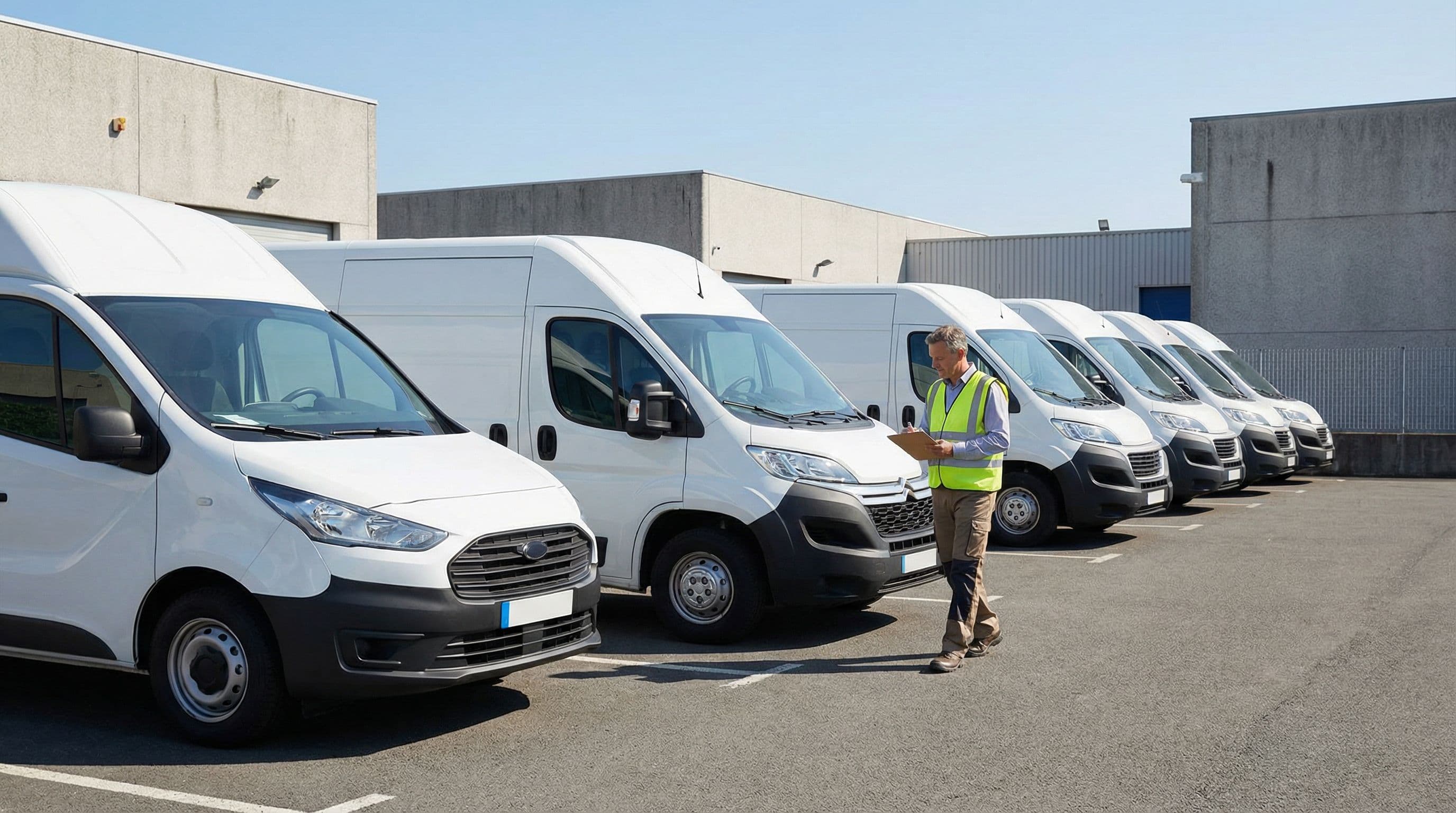
A quote request usually starts with your inventory file, not a rate sheet. The outcome changes when you bring a current unit list, recent values, every storage address, and a clear explanation of how vehicles move between your main lot, overflow space, service areas, auctions, and test drives. That lets the underwriter see your real exposure instead of guessing from a broad dealership description. Weather planning matters early here because severe storms can change where you park units and whether temporary storage needs to be scheduled correctly. A useful review also separates owned inventory from customer vehicles, lender requirements, and any transport exposure so the quote does not mix different risks into one vague answer. The practical next step is simple: prepare the inventory schedule and lot map first, then request quotes built around how your dealership actually operates.
What Dealer Open Lot Insurance Covers
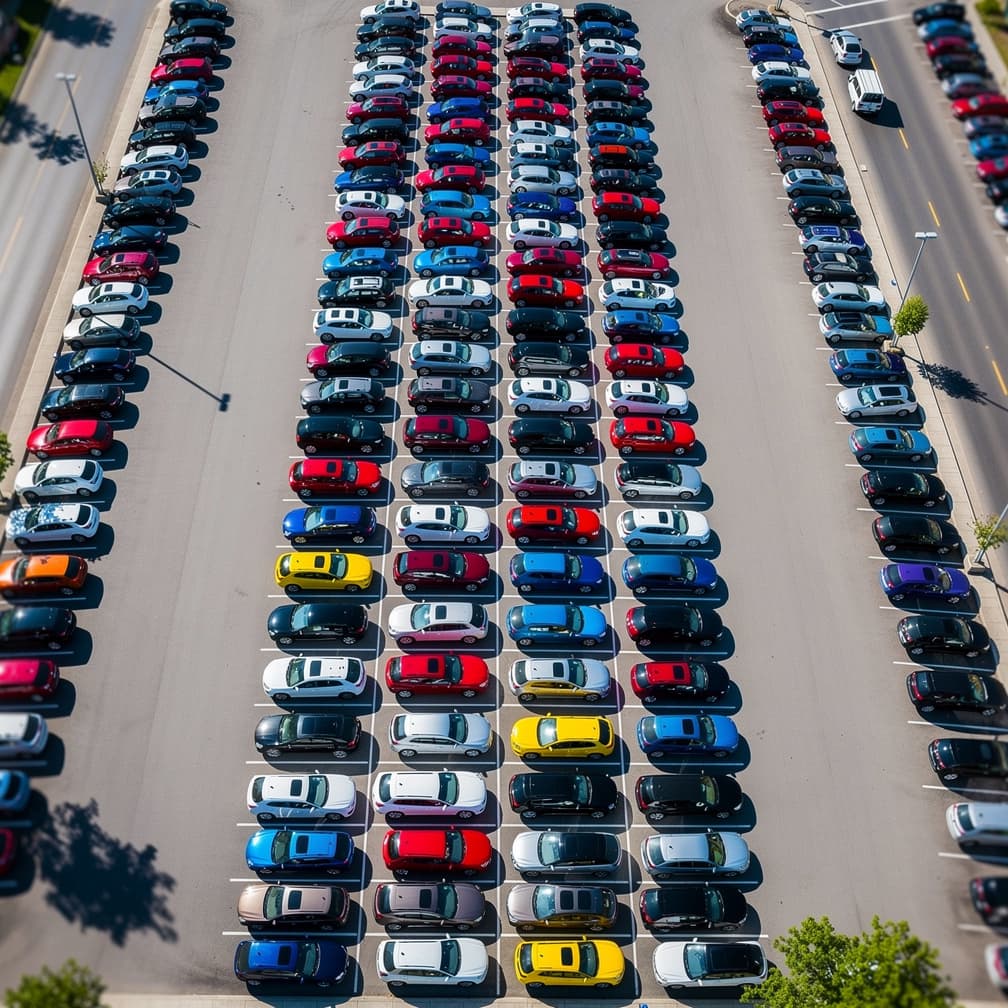
South Dakota buyers usually get the most value from this coverage review by focusing on where inventory is physically exposed during the week. A dealership with rows of units parked in the open faces a different claim pattern than one that rotates vehicles between a fenced primary lot, a gravel overflow area, indoor reconditioning space, and occasional offsite storage. Your quote should identify each location and how inventory is handled at each one, because a loss often turns on where the vehicle was kept and what the policy recognized at binding.
Weather planning deserves a direct conversation before you choose limits and deductibles. A single hailstorm can damage many units in one event, so you want the policy review to test whether your peak inventory values match the season when your lot is fullest. For example, a dealer carrying 40 extra units worth $1.2 million during tax refund season could face a six-figure gap if the policy limit reflects an average month instead. That gap means your insurer pays only up to the stated limit, leaving you to absorb the remaining loss out of pocket. If you add trucks, SUVs, powersports units, trailers, or higher value specialty vehicles at certain times of year, update the schedule before that concentration builds.
Movement rules also matter. If units go to detail shops, body shops, photo locations, auctions, or a second lot, ask how those trips are treated and whether any location or transit assumptions need to be listed. The same goes for demonstrations and test drives. You want the policy accurate enough that a claim file matches your daily operations.
A strong review also separates inventory exposure from garage liability, dealer plate use, and property at the office or service building. That keeps one policy from being asked to solve losses it was never designed to address. Before you buy, compare the covered causes of loss, location wording, valuation method, and any conditions tied to security, storage, or reporting.

Weather Damage
Covers hail, wind, flood, and storm damage to lot inventory.
Theft Protection
Covers vehicles stolen from your lot.
Fire Damage
Covers fire and explosion damage to inventory vehicles.

Vandalism
Covers intentional damage to vehicles on your lot.
Test Drive Coverage
Covers vehicles during customer and employee test drives.
Transit Coverage
Covers vehicles being moved between lot locations.
Dealer Open Lot Insurance Requirements in South Dakota
- South Dakota weather can concentrate damage across many units at once, so lot layout, drainage, and where higher value inventory is parked deserve specific review.
- If you use overflow storage, gravel lots, or a second address in another town, make sure each location is listed the way inventory is actually stored and moved.
- Dealerships that rotate trucks, trailers, powersports units, or seasonal inventory should update values before stock builds, not after the lot is full.
- A South Dakota submission is stronger when it explains storm relocation procedures, offsite handling, and how test drive or auction movement fits into normal operations.
How Much Does Dealer Open Lot Insurance Cost in South Dakota?
Cost in South Dakota depends on how concentrated your inventory is and how exposed it stays between sales. A lot carrying older lower value units presents a different profile than one holding late model pickups, SUVs, diesel trucks, or specialty inventory that can produce a larger single loss after hail or a winter weather event.
Location details shape pricing next. Underwriters usually want to know whether vehicles are parked on the main lot only or spread across overflow storage, repair areas, or offsite locations. They also look at how close units sit to one another, whether drainage problems can affect part of the lot, and how often inventory is moved to reduce storm exposure. If your dealership uses more than one address, list each one clearly so the quote reflects the real spread of risk.
Deductible choice changes the monthly cost, but it should match your cash flow and your tolerance for weather-driven claims. A higher deductible can reduce premium, yet it also means you retain more of the loss when multiple units are damaged at once. Limits matter in the same way. If your peak inventory rises during tax refund season, harvest-related demand, or a planned buying push, ask for a quote based on that higher point rather than an average month that leaves you short.
Claims history, security practices, fencing, lighting, key control, and how quickly you update inventory records can all affect pricing because they change how defensible your risk looks to an underwriter. Send consistent documentation to each quote request so you can see whether one option is truly more efficient or simply narrower. That gives you a cleaner comparison of terms, deductibles, and conditions instead of a stack of prices built on different assumptions.
Request a Quote Comparison
Enter your ZIP code to compare dealer open lot insurance rates from top carriers.
Business insurance starting at $25/mo
Who Needs Dealer Open Lot Insurance?
In South Dakota, the dealerships that most need a careful review are the ones whose inventory sits outside for long stretches and moves through more than one storage pattern. That includes independent used car lots, franchise dealers, powersports sellers, trailer dealers, RV operations, and farm or work truck dealers that carry units with higher values or seasonal swings in stock. If you own the units for resale and they remain exposed before delivery, the question is not whether the risk exists. The question is how accurately your policy matches it.
This becomes more important when your operation is not limited to one paved lot. Many dealers use overflow space, keep some units near a service building, store trailers or powersports inventory separately, or move vehicles between towns for reconditioning, display, or sale preparation. Those habits are normal, but they need to be reflected in the quote. A dealership that says it has one location while regularly using two or three storage patterns can create avoidable claim friction later.
South Dakota weather also changes who should pay close attention. If your inventory is exposed to severe weather, you need to review peak values, lot layout, and relocation plans before the season changes. Dealers with little indoor storage should be especially careful about how quickly inventory values can accumulate in one open area.
You should also review this coverage if lenders, floor plan providers, landlords, or business partners expect proof that inventory is insured under terms they can understand. In those cases, the buying decision is not just about satisfying a requirement. It is about making sure the policy language, listed locations, and valuation assumptions line up with the way your dealership actually holds vehicles for sale. Gather your current inventory report, identify every storage address, and review any offsite handling before you request terms.
Dealer Open Lot Insurance by City in South Dakota
Dealer Open Lot Insurance rates and coverage options can vary across South Dakota. Select your city below for localized information:
How to Buy Dealer Open Lot Insurance
Build the file an underwriter would need to defend after a claim. That means a current inventory schedule with unit values, VINs or equivalent identifiers, every address where vehicles are stored, and a short explanation of how inventory moves during a normal week. Include overflow lots, service areas, detail locations, auction trips, and any temporary storage arrangements. If you leave those details out, the quote may look simpler than your operation really is.
Your weather exposure belongs in the submission too. South Dakota dealerships should explain how they handle severe storms, especially if units are concentrated outdoors. Note whether you relocate inventory before major weather, which locations have better drainage, where higher value units are parked, and whether any indoor or covered storage is available. This is not filler for the application. It helps the underwriter understand how losses could spread across the lot.
Keep this policy separate from the rest of your dealership insurance program. List what is owned inventory for sale, what belongs to customers, what is used in business operations, and what is stored inside buildings. That keeps the quote focused on the exposure your policy is meant to address. If you need certificates or evidence for a lender or floor plan arrangement, mention that early so the documentation can be reviewed with the policy terms.
Before binding, compare more than the premium. Read the listed locations, valuation basis, deductible structure, and any conditions tied to reporting, storage, or security. Keep copies of the application, quote assumptions, endorsements, and final policy documents in one file. Your last step should be a line-by-line confirmation that the inventory values and addresses on the binder match what is actually on the ground.
Request a quote through CPK Insurance to compare your options with participating licensed providers.
How to Save on Dealer Open Lot Insurance
Disciplined records are the fastest path to better pricing. Begin with a current inventory schedule, update values as units are bought and sold, and document every location where vehicles are stored. If an underwriter can see exactly what you own, where it sits, and how often it moves, the quote is usually cleaner and easier to compare.
Weather planning can also lower avoidable cost over time. South Dakota dealers that face severe storms should create a written relocation plan for high value units and identify which areas of the lot are most exposed. Even if that does not change every quote immediately, it can improve how your risk is presented and reduce the chance of preventable concentration losses that push future pricing upward.
Review your deductible with your balance sheet, not just your monthly budget. A higher deductible may reduce premium, but only choose it if you can absorb a weather event affecting multiple units at once. The wrong deductible saves a little on paper and creates a cash problem during a claim. The same logic applies to limits. If your inventory spikes seasonally, ask for terms built around that peak instead of carrying a lower figure that looks cheaper until a loss happens.
Operational controls matter too. Tight key control, clear lot layout, prompt movement logs for offsite storage, and documented procedures for test drives and temporary transfers all help present a more organized risk. Finally, shop with consistent information. Send matching details to each quote request so you can see whether one option is truly more efficient or simply narrower. Savings that come from omitted locations or understated values rarely hold up when a claim is filed.
Our Recommendation for South Dakota
For South Dakota dealerships, the smartest buying move is to treat this as an inventory concentration problem, not just a property line item. Review your highest total lot value during the year, then test whether that figure matches the limit you are requesting. If your stock builds before a selling season or around a buying push, use the higher number for quoting.
Next, walk the lot with a map in hand. Mark where trucks, SUVs, trailers, powersports units, and any specialty inventory are actually parked. Then identify overflow areas, low spots, fencing gaps, and any offsite storage you use when the main lot fills up. That exercise often reveals exposures the application summary misses.
Because South Dakota weather can bring severe storms, ask each quote to address how listed locations and deductibles would respond if many units were damaged in one event. You want clarity before a storm watch, not after.
Also keep this policy separate in your mind from garage liability, customer vehicle exposure, and building property. A cleaner insurance structure is easier to compare and easier to defend. Before you bind, verify the inventory values, addresses, and movement assumptions on the quote against your current records, then request corrections while the file is still open.
FAQ
Frequently Asked Questions
You get a better quote by sending a current inventory list, unit values, every storage address, and notes on offsite movement. Keep your quote documents and policy forms organized so you can compare assumptions before you bind coverage.
List each address where inventory is stored, including overflow or temporary locations. That gives the underwriter a clearer picture of exposure and reduces the chance that a claim turns on an address or storage pattern that was never disclosed.
A single hailstorm can damage dozens of units in minutes. If your deductible applies per unit, you could pay that deductible 40 times in one afternoon. Check whether your policy offers a single occurrence deductible for weather events, and confirm that your limit can handle total lot damage before storm season arrives.
One policy can help cover both locations, but verify the specific policy language and confirm that each address is explicitly scheduled. If overflow storage is part of normal operations, include it in the submission instead of assuming it is automatically treated the same way.
Confirm listed locations, inventory values, deductibles, valuation wording, and any conditions tied to storage or reporting. A final binder should match what is actually on the ground, not an older inventory report or a simplified application summary.
Raise lender or floor plan documentation needs early in the quote process. That helps align evidence of coverage with the policy terms and avoids last-minute changes after the underwriter has already built the file.
You usually need to review this coverage alongside garage liability, building property, and any customer vehicle exposure. Keeping those exposures separated makes the program easier to compare and helps prevent one policy from being stretched beyond its intended purpose.
Dealer open lot insurance nationwide is generally reviewed for damage or loss to vehicles you own for sale, including hail, wind, theft, vandalism, fire, flood, and test drive exposure, depending on your policy terms, deductibles, valuation method, and any location or off-premises limitations.
Sources
Updated July 16, 2026