Updated July 16, 2026

Key Takeaways
- List every towing and transport service you perform before requesting quotes, so loading, unloading, winching, and recovery exposures are reviewed correctly.
- Compare the on-hook limit, deductible, valuation method, and exclusions side by side instead of choosing a policy on premium alone.
- Ask in writing whether your policy addresses the specific vehicles you tow most often, especially specialty, modified, low-clearance, or higher-value units.
- Use pre-tow photos, condition notes, and signed release procedures on every job to reduce disputes and support claims handling.
- Review on-hook coverage together with auto liability and any garagekeepers coverage before renewal to catch gaps between transport and storage.
On-Hook Towing Insurance in Tennessee
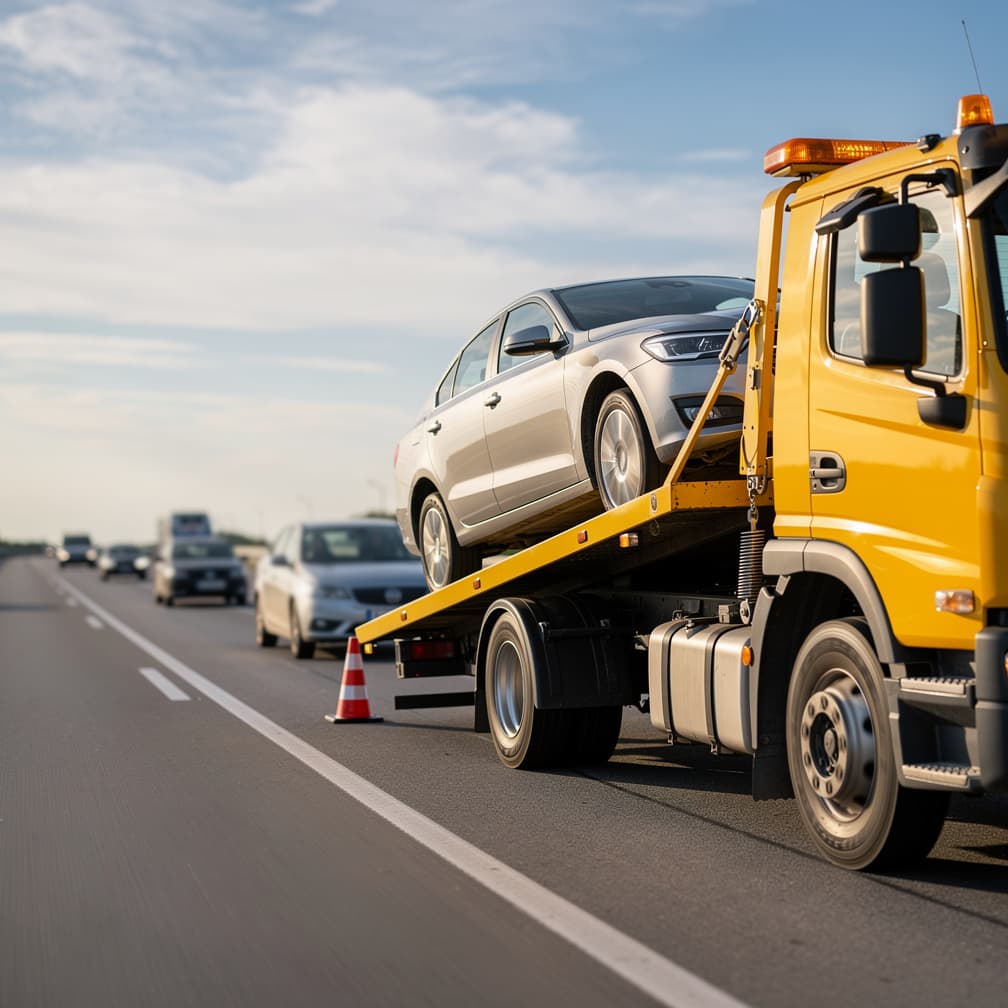
A customer sedan can come off a wheel-lift on a wet shoulder, or a pickup can shift on a rollback while you work a tight grade through East Tennessee. That is the loss scenario that on-hook towing insurance is built around: damage to a vehicle after you take custody and while the tow is actually happening. In this state, that exposure changes with mountain roads, fast weather swings, storm cleanup calls, and long interstate runs that can turn a routine tow into a complicated claim file. If your operation handles roadside dispatches, police rotations, private property impounds, dealer transfers, or recovery work, you need limits and terms that match how your trucks really move. Your policy choices should stay grounded in the wording on the forms you are actually being offered. Line up your truck list, service mix, operating territory, and the highest-value vehicles you tow. Those details drive whether a quote fits your real exposure.
What On-Hook Towing Insurance Covers
For a towing operation, the key question is not the basic definition of on-hook coverage. The real issue is where damage is most likely to happen in your day-to-day work and whether the policy language you examine matches those moments. A claim can start during a shoulder hookup in heavy traffic, while a vehicle is being stabilized on an incline, during a rain-soaked recovery after a storm, or while unloading at a repair shop with limited space. If those are normal parts of your week, read the covered causes of loss and exclusions with those scenes in mind.
You should also weigh coverage terms against the kinds of calls your dispatch board actually sends out. A company focused on routine roadside tows may need a different approach than an operator taking accident recoveries, impounds, and after-hours calls where vehicle condition is already disputed before loading begins. Terrain and weather can change the handling risk from one county to the next, and a policy that looks acceptable at first glance may leave too much room for argument after a loss.
Ask for a quote that ties coverage back to your equipment and procedures, including how you secure vehicles, whether you use flatbeds, wheel-lifts, or both, how drivers document pre-existing damage, and how claims would be handled if a customer alleges new damage after transport. If your operation crosses urban interstates, rural roads, and steep grades in the same service area, the policy should address those mixed conditions directly rather than leaving you to assume you are protected.
Collision on Hook
Covers damage to towed vehicles from collisions during transport.
Comprehensive on Hook
Covers theft, fire, and weather damage to vehicles being towed.
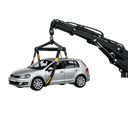
Loading & Unloading
Covers damage during the process of loading and unloading vehicles.
Winching Coverage
Covers damage to vehicles during winching and recovery operations.
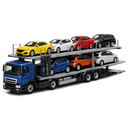
Multiple Vehicle
Covers all vehicles on multi-car carriers and rollback flatbeds.
On-Hook Towing Insurance Requirements in Tennessee
- Terrain can change quickly from urban interstate shoulders to steep grades and narrow rural roads. Check loading and unloading conditions against policy exclusions before you assume coverage applies.
- Storm-related dispatches can increase disputed damage risk because vehicles may already be compromised before hookup. Photo documentation and pre-tow condition notes become especially important in those situations.
- If your company handles both routine roadside calls and recovery work in different parts of the state, ask for a quote that distinguishes those operations instead of blending them together.
- Mixed service territories across cities, small towns, and mountain corridors can change claim severity. Your submission should describe where each truck actually operates.
How Much Does On-Hook Towing Insurance Cost in Tennessee?
On-hook policies typically start around $300 to $500 per truck annually for standard passenger vehicle tows, with common limits of $50,000 to $75,000 per vehicle. For context, that range means a single tow of a well-equipped newer pickup could approach or exceed a year's premium if your limit is set too low. Underwriters want to know what kinds of vehicles you tow, whether your work is mostly scheduled transport or emergency roadside service, how often you handle recoveries, and how much loss potential sits in a single tow. A rollback moving standard passenger vehicles on planned routes is evaluated differently from a truck that rotates between accident scenes, impounds, and difficult winch-outs.
Your service territory also affects how a quote is shaped. If your trucks work dense traffic corridors, mountain grades, rural roads with longer response times, or storm-related calls, the risk profile changes because loading conditions, road surfaces, and claim severity can change with them. A buyer should expect the quote process to focus on where trucks operate, what time of day they run, and how often drivers face low-visibility or poor-surface conditions.
Vehicle values matter too. If you occasionally tow higher-value pickups, commercial units, or newer vehicles with sensitive sensors and cameras, a small loading mistake may lead to a claim that tests your limits. That is why you should ask the agent to weigh your requested limits against the most expensive units you realistically handle, not just the average tow. To get a usable quote, prepare a clean submission. Include your truck schedule, driver list, service mix, operating radius, loss history, and any written loading or photo-documentation procedures. That gives you a better chance of evaluating terms on an apples-to-apples basis instead of choosing a policy that looks lower priced only because it leaves important exposure unaddressed.
Request a Quote Comparison
Enter your ZIP code to compare on-hook towing insurance rates from top carriers.
Business insurance starting at $25/mo
Who Needs On-Hook Towing Insurance?
In Tennessee, this coverage deserves a close look from any operator whose work puts customer vehicles in tow under real-world roadside conditions. That includes companies running local breakdown calls in metro traffic, operators serving mountain communities where grades and curves complicate loading, and businesses that pick up disabled vehicles after storms or roadway incidents. If your crew takes possession of a vehicle and moves it with your truck, the exposure is present whether the job is routine or urgent.
This is especially important for businesses whose service menu has expanded over time. You may have started with standard roadside towing, then added impounds, dealer moves, recovery work, transport between repair facilities, or municipal calls. Each added service can change the kind of damage allegation you face. A customer may say the vehicle was fine before hookup, or a storage lot may report damage after delivery. If your operation handles mixed work, your policy should follow that reality.
Operators should also think about who sends them work. Police agencies, property managers, repair shops, fleets, and motor clubs often expect clear proof of insurance before they assign jobs or sign vendor paperwork. If you are bidding for rotation work or trying to keep commercial accounts, having the right on-hook terms in advance can prevent delays when a contract packet asks for evidence of coverage.
A repair business with a rollback, a roadside assistance company that occasionally transports vehicles, or a recovery-focused operator can all face the same basic problem: a customer vehicle is damaged while attached to your equipment.
On-Hook Towing Insurance by City in Tennessee
On-Hook Towing Insurance rates and coverage options can vary across Tennessee. Select your city below for localized information:
How to Buy On-Hook Towing Insurance
Start the buying process by building a submission that shows how your operation actually runs on the road. List each truck, the towing method used on that unit, the services you perform, the territory you cover, and the types of vehicles you handle most often. If one truck is mostly dealer transport and another is used for roadside calls and recoveries, separate those details clearly.
Next, gather the documents that help an underwriter understand claim potential. That can include driver information, loss runs, photos of equipment, dispatch procedures, and any written rules for vehicle inspection before loading and after delivery. If your drivers take timestamped photos at pickup and drop-off, say so. If they use checklists for securement or note pre-existing damage on every call, include that too. Those practices matter because they can make a disputed damage claim easier to investigate.
Then evaluate quotes on terms, not just price. Ask how the policy treats the kinds of jobs you actually accept, including roadside tows in bad weather, steep-grade recoveries, after-hours calls, and mixed urban-rural routes. Look at limits, deductibles, exclusions, and any conditions tied to the type of tow or equipment used. If a quote looks attractive but leaves uncertainty around your most common jobs, keep shopping. Finally, confirm that the policy documents and any required filings comply with Tennessee Department of Commerce and Insurance standards. Meeting those standards matters because noncompliant filings can cost you a rotation contract or delay a job assignment. Request specimen forms if needed, review them against your dispatch reality, and only move forward when the quote matches the work your trucks actually perform.
Request a quote through CPK Insurance to compare your options with participating licensed providers.
How to Save on On-Hook Towing Insurance
The most reliable way to lower the long-term cost of this coverage is to make your operation easier to underwrite and easier to defend after a loss. Start with documentation at the truck level. Drivers should photograph vehicles before hookup, note visible prior damage, record where the tow begins and ends, and document any unusual loading conditions such as mud, steep grades, narrow shoulders, or storm debris. That record matters as much as the policy itself when a customer disputes what happened.
You can also save by tightening service descriptions on your application. If you do not perform certain higher-dispute work, do not let the submission imply that you do. If only one unit handles recovery calls, separate that exposure from trucks doing routine transport. Underwriters price uncertainty, so a cleaner operational picture can lead to a more accurate quote.
Driver controls are another practical lever. Written securement procedures, route guidance for difficult terrain, and clear rules for refusing unsafe hookups can reduce preventable losses. Where weather and road conditions can change quickly, those controls are not paperwork for their own sake. They show that your business manages the moments when on-hook claims usually start. Review deductibles carefully instead of chasing the lowest premium. A higher deductible may reduce cost, but only if your cash flow can absorb it without disrupting operations after a claim. It also helps to bundle your renewal with the rest of your towing insurance program so gaps and overlaps are easier to spot. Before renewing, ask for a fresh look at your service mix, truck changes, and any new contract requirements, then evaluate quotes using the same exposure details each time.
Our Recommendation for Tennessee
For towing businesses, the smartest buying move is to match on-hook limits to the most expensive vehicle you are likely to have attached to a truck on an ordinary week, not the lowest-value car on your average call. One bad loss involving a newer pickup or commercial unit can test a policy faster than many owners expect. I would also weigh your territory with more precision than just listing the state. A truck working Nashville interstates, a unit serving mountain roads near the eastern part of the state, and a rollback handling rural calls in West Tennessee do not face the same loading conditions. If your quote does not reflect those differences, keep shopping.
Keep your claim file discipline tight. Require pickup and drop-off photos, written condition notes, and dispatch records that show why the tow was needed and what conditions were present. In disputed damage claims, that routine evidence often determines whether the conversation stays manageable. Finally, do not treat this as a stand-alone purchase. Review on-hook terms alongside your auto liability, garagekeepers if applicable, and any contract insurance requirements tied to police rotations, property managers, or commercial accounts. That side-by-side look is usually where gaps become visible, and it is easier to fix them before the next call comes in.
FAQ
Frequently Asked Questions
Towing companies often should. Mountain grades, wet shoulders, and fast interstate hookups create different loading and securement risks, so your quote should match the roads your trucks actually work instead of using a generic towing description.
Tennessee regulates insurance through the Department of Commerce and Insurance. If you are reviewing on-hook policies, keep your questions tied to actual policy wording, filings, and state oversight.
Tow companies sometimes can, but it is not always the safest approach. If one unit handles higher-value vehicles or more difficult recoveries, check whether separate limits or a different structure better matches that truck's exposure.
Weather can matter a great deal because rain, storm cleanup, and poor shoulder conditions can change how a vehicle is loaded, stabilized, and unloaded. Those are the moments to review exclusions, deductibles, and documentation procedures carefully.
Buyers should include each truck, towing method, service mix, operating territory, driver information, and loss history. It also helps to provide written securement procedures and photo-documentation practices so the underwriter can evaluate your operation more accurately.
Impound and rotation operators usually should look at it closely because those jobs can involve disputed vehicle condition, after-hours pickups, and difficult scenes. Make sure the quote is checked against the actual calls you accept, not just standard roadside towing.
Towing businesses can make claims easier to defend by requiring condition photos, documenting pre-existing damage, keeping dispatch records, and using consistent securement procedures. That evidence can be critical when a customer alleges damage happened during the tow, because it gives you a clear record of the vehicle's condition before and after transport.
On-hook towing insurance may cover damage to a customer vehicle while it is being loaded, attached, carried, winched, or unloaded by your tow truck, depending on the policy terms. Buyers should review collision, fire, theft, weather, and loading-related damage carefully.
Sources
- 1.Tennessee Department of Commerce and Insurance(Tennessee regulates insurance through the Tennessee Department of Commerce and Insurance.)
Updated July 16, 2026