Updated July 16, 2026

On-Hook Towing Insurance in Memphis
Fewer agents regularly place towing risks, and some carriers are selective about hook-and-chain or rollback work. Body shops, lenders, and contract partners often want clean proof of coverage before they release a vehicle or sign a service agreement. That is why your policy usually gets reviewed through your actual dispatch pattern, storage setup, and the mix of private-property impounds, roadside calls, and dealer or fleet moves you handle each week. A buyer often gets farther by bringing a current loss run, unit list, driver details, and sample contracts to the quote conversation up front. That gives an underwriter a clearer picture of how vehicles come into your care, where handoffs happen, and whether your limits line up with the cars and trucks you actually tow. If your operation works both neighborhood recoveries and commercial accounts across the metro, ask for wording and limits to be reviewed against those job types before renewal, not after a claim exposes a gap.
On-Hook Towing Insurance Risk Factors in Memphis
Memphis's top risk factors include Tornado damage, Hail damage, Severe storm damage, and Wind damage.
Tennessee has a high climate risk rating. Top hazards: Tornado (Very High), Flooding (High), Severe Storm (High), Earthquake (Moderate). The state's expected annual loss from natural hazards is $1.8B, which influences on-hook towing insurance premiums and may affect coverage availability in high-risk areas.
What On-Hook Towing Insurance Covers
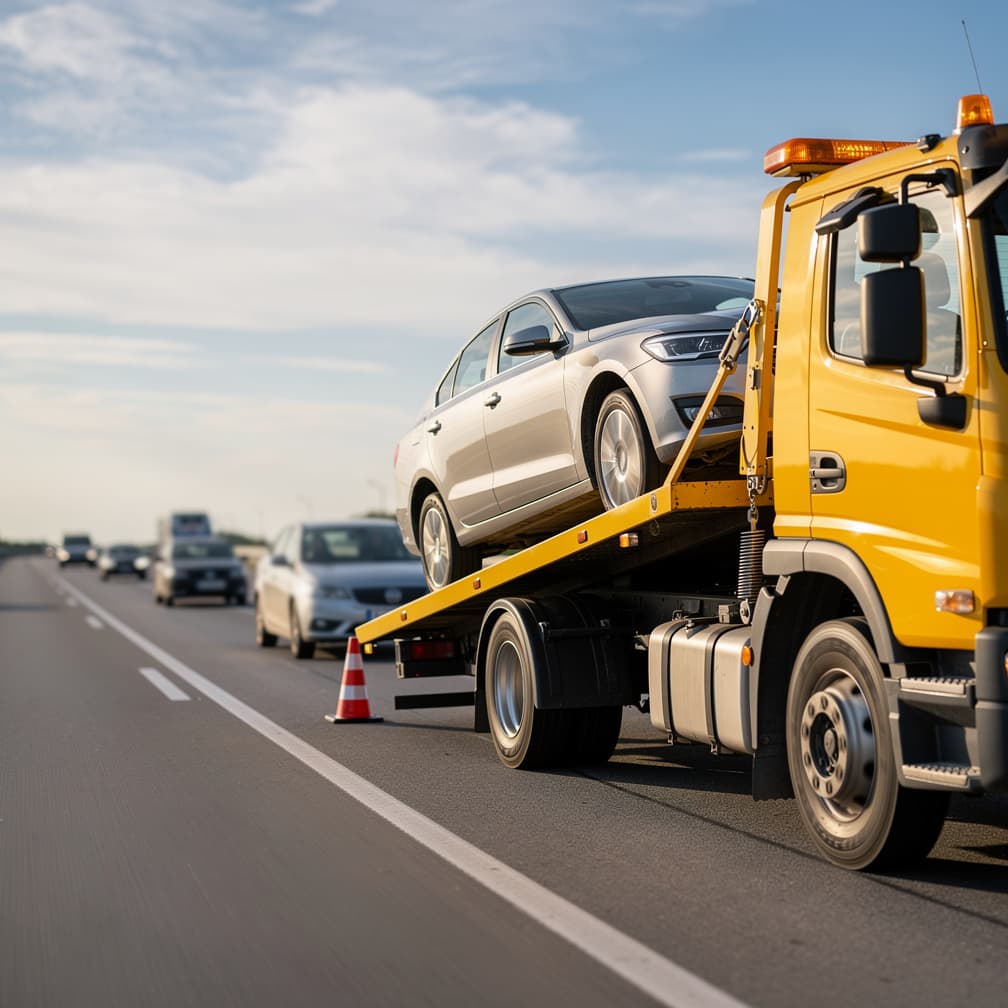
For a towing operation, the key question is not the basic definition of on-hook coverage. The real issue is where damage is most likely to happen in your day-to-day work and whether the policy language you examine matches those moments. A claim can start during a shoulder hookup in heavy traffic, while a vehicle is being stabilized on an incline, during a rain-soaked recovery after a storm, or while unloading at a repair shop with limited space. If those are normal parts of your week, read the covered causes of loss and exclusions with those scenes in mind.
You should also weigh coverage terms against the kinds of calls your dispatch board actually sends out. A company focused on routine roadside tows may need a different approach than an operator taking accident recoveries, impounds, and after-hours calls where vehicle condition is already disputed before loading begins. Terrain and weather can change the handling risk from one county to the next, and a policy that looks acceptable at first glance may leave too much room for argument after a loss.
Ask for a quote that ties coverage back to your equipment and procedures, including how you secure vehicles, whether you use flatbeds, wheel-lifts, or both, how drivers document pre-existing damage, and how claims would be handled if a customer alleges new damage after transport. If your operation crosses urban interstates, rural roads, and steep grades in the same service area, the policy should address those mixed conditions directly rather than leaving you to assume you are protected.
Coverage Included
Collision on Hook
Covers damage to towed vehicles from collisions during transport.
Comprehensive on Hook
Covers theft, fire, and weather damage to vehicles being towed.
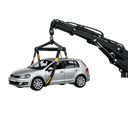
Loading & Unloading
Covers damage during the process of loading and unloading vehicles.
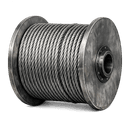
Winching Coverage
Covers damage to vehicles during winching and recovery operations.
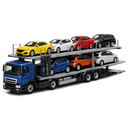
Multiple Vehicle
Covers all vehicles on multi-car carriers and rollback flatbeds.
Industries & Insurance Needs in Memphis
Shelby County business density changes the demand pattern around towing work, and that can affect how you should present your operation to an underwriter. The county has 19,659 business establishments, so local tow operators often serve a wide mix of parking lots, delivery vehicles, employee vehicles, and vendor traffic tied to commercial properties. The leading sectors by establishment share are retail trade at 14.9%, health care and social assistance at 11.6%, and accommodation and food services at 10.2%, so your book may include more calls from shopping centers, medical campuses, restaurants, and hotels than a rural operator would see. That matters because access points, release procedures, after-hours authorizations, and the types of vehicles you tow can vary by account. If those commercial relationships are part of your revenue, ask for your quote to reflect where vehicles are picked up, who signs for release, and whether your on-hook limit fits the higher-value units that can show up on those properties.
What Makes Memphis Different
Commercial property work is the difference here. In a market with dense retail, medical, and hospitality activity, a towing company may spend less time on long rural hauls and more time moving vehicles out of managed lots, service lanes, apartment complexes, and business properties where documentation matters as much as the tow itself. Frequent handoffs mean more moments where a vehicle changes hands without the owner present, which is exactly when condition disputes tend to start. Look closely at how your operation documents pre-tow condition and how drivers note the exact moment a unit comes into and leaves your care. If you handle account-based towing, bring sample service agreements to your renewal review so your limits, deductibles, and procedures are checked against the contracts that actually generate your calls.
Our Recommendation for Memphis
Start with your dispatch mix, not a generic application. Separate private-property impounds, police rotation if applicable, roadside assistance, dealer transport, and commercial account work. Then ask the agent to show how each category affects your policy review. If you tow for apartments, retailers, hospitals, or hotels, tighten your intake process before shopping. When your photos, timestamped dispatch records, signed releases, and chain-of-custody logs are organized and consistent, an underwriter can better understand your controls and you have stronger documentation if a damage dispute surfaces. When a towed vehicle is someone's way to get to work, delays and disputes carry real consequences for the owner even on modest-value cars. That makes your intake and release procedures a practical part of your risk picture, not just paperwork. Ask whether your limits fit the vehicles on your hooks and whether your deductible is workable for the cash flow of each truck.
Get On-Hook Towing Insurance in Memphis
Enter your ZIP code to compare on-hook towing insurance rates from carriers in Memphis, TN.
Business insurance starting at $25/mo
FAQ
Frequently Asked Questions
Memphis tow companies usually get a better review by bringing driver lists, truck schedules, loss runs, and sample towing contracts. In a tighter local market, that documentation helps an underwriter see how vehicles enter your care and whether your limits match your actual jobs.
If commercial accounts drive your calls, ask for your quote to reflect lot management work, release procedures, and the types of vehicles you tow there. A general policy may not capture the specific exposures that come with managed-lot contracts.
Memphis-area towing often touches retail centers, medical properties, restaurants, and hotels. A single tow operator may juggle three or four different intake procedures and vehicle categories in the same week. That variation is worth walking through with your agent so your limits and procedures match each account type.
Memphis operators should not assume one limit fits every truck. If one unit handles dealer moves or commercial-property calls involving newer vehicles while another handles lighter roadside work, ask for limits to be reviewed by truck and job type.
Memphis businesses buying or renewing coverage can look to the Tennessee Department of Commerce and Insurance for state insurance oversight. For your purchase decision, the practical step is to compare policy wording, limits, and exclusions against your actual towing contracts and dispatch mix.
Towing companies often should. Mountain grades, wet shoulders, and fast interstate hookups create different loading and securement risks, so your quote should match the roads your trucks actually work instead of using a generic towing description.
Tennessee regulates insurance through the Department of Commerce and Insurance. If you are reviewing on-hook policies, keep your questions tied to actual policy wording, filings, and state oversight.
Tow companies sometimes can, but it is not always the safest approach. If one unit handles higher-value vehicles or more difficult recoveries, check whether separate limits or a different structure better matches that truck's exposure.
Sources
- 1.U.S. Census Bureau, County Business Patterns, Shelby County(Shelby County has 19,659 business establishments.; Shelby County's leading sectors by establishment share are retail trade at 14.9%, health care and social assistance at 11.6%, and accommodation and food services at 10.2%.)
- 2.U.S. Census Bureau, ACS 5-Year Estimates, table B19013(Memphis median household income is $51,211.)
- 3.Tennessee Department of Commerce and Insurance(Tennessee insurance oversight is handled by the Tennessee Department of Commerce and Insurance.)
Updated July 16, 2026