Updated July 16, 2026

Key Takeaways
- Review your construction contract before requesting a quote, so the named insureds and insurance responsibility match the job documents.
- Prepare the project budget, timeline, address, and scope summary before applying, so the quote reflects the work actually being built.
- Check whether the policy addresses on-site materials, transit, temporary structures, and soft costs before the first delivery arrives.
- Compare the policy term against your realistic completion schedule, then ask about extension options before the original term gets close to expiring.
- Map builders risk against your liability, installation, and equipment policies, so you avoid both coverage gaps and overlapping property insurance.
Builders Risk Insurance in Texas
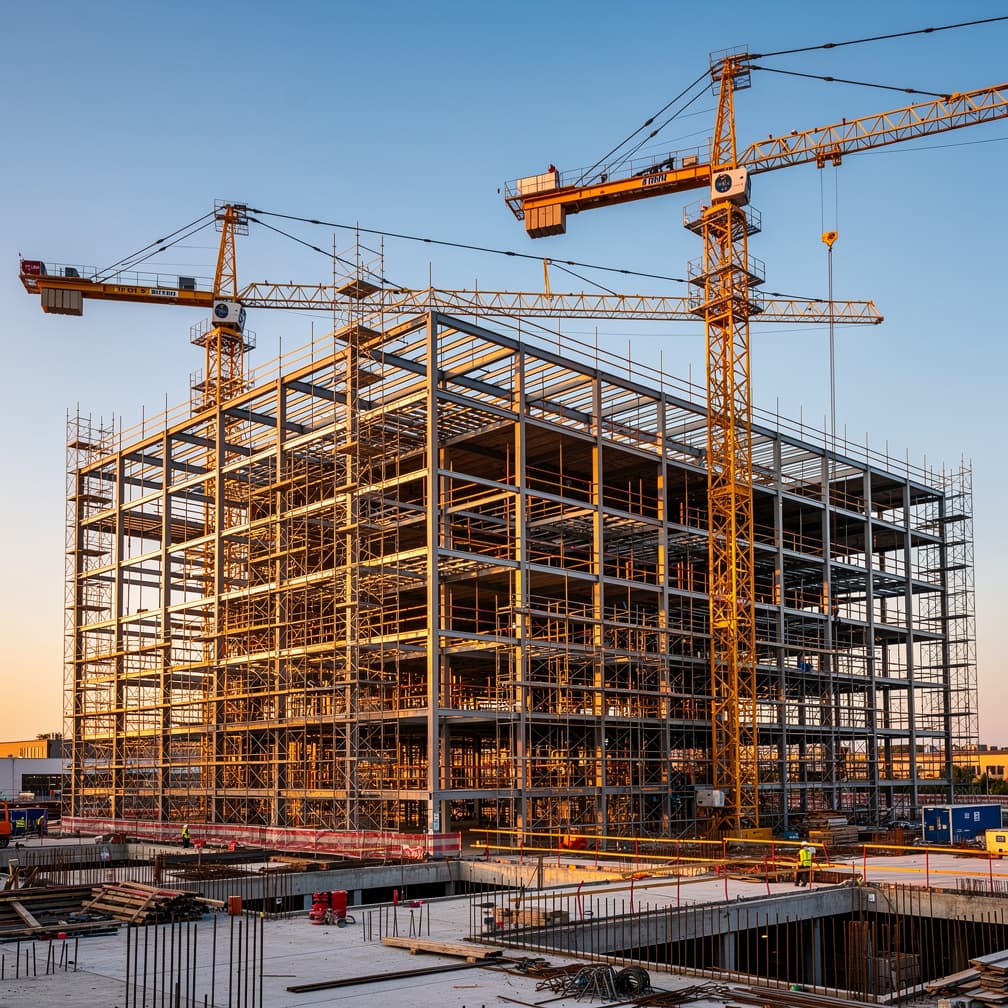
Your regular property policy is built for a finished building, not for the mess and motion of active construction. A dedicated builders risk policy can help cover the work in progress, stored materials, and temporary structures that a standard policy may not touch. That matters even more if your job schedule runs through storm season, your materials sit on site before installation, or multiple parties share responsibility for the work. The real question is whose balance sheet takes the hit if partially completed work, stored materials, or temporary structures are damaged before turnover. In Texas, that review should start with the construction agreement, then move to the site conditions, the build method, and the property values you need insured from day one through completion. If your lender, owner, or general contractor expects evidence of coverage before funds are released or work begins, you want those details settled early. That gives you time to correct values, named insureds, and project dates before the first delivery arrives.
What Builders Risk Insurance Covers
For a Texas project, the useful review is less about broad definitions and more about where loss can happen between groundbreaking and handoff. Start with the job site itself. If materials are delivered early and staged outdoors, if equipment and supplies move between temporary storage and the structure, or if a renovation leaves part of an existing building exposed during a phase change, your policy review should match that sequence of work.
Texas weather adds pressure that other states may not face. The state deals with recurring severe weather, so you should ask how the form treats wind-driven damage, water entering during construction, and loss involving materials that have not yet been installed. A claim can turn on whether property was secured as required and whether the damage followed a covered cause of loss under the policy terms.
On many jobs, the right question is not simply what property is included, but which interests are scheduled and how the project is described. Owners, developers, general contractors, and lenders often need the policy to line up with the contract language. If the description is too narrow, if soft cost needs are overlooked, or if temporary works are not addressed where relevant, you can end up with a policy that looks complete until a delay or site loss exposes the gap. Before binding, compare the contract requirements against the quote, the statement of values, and the planned construction timeline.

Structure Coverage
Covers the building or structure under construction.

Materials on Site
Covers building materials stored at the construction site.

Materials in Transit
Covers materials being transported to the job site.
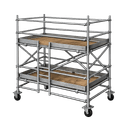
Temporary Structures
Covers scaffolding, fencing, and temporary buildings.

Soft Costs
Covers additional expenses from construction delays due to covered losses.
Equipment Coverage
Covers permanently installed fixtures and equipment.
Builders Risk Insurance Requirements in Texas
- Texas projects should review what happens if a storm damages partially completed framing, especially when work may be exposed between trades or during schedule changes.
- If your Texas job relies on materials stored on site before installation, confirm whether the policy may cover theft of those materials and how long they can sit before installation.
- Renovation and addition projects in Texas often need clearer project descriptions so existing structures and new work are not blurred at claim time.
- Lender-driven Texas builds should align policy dates, named interests, and evidence requirements before closing or the first construction draw.
How Much Does Builders Risk Insurance Cost in Texas?
In Texas, builders risk pricing is usually driven by the project profile rather than a standard monthly premium. The quote responds to the completed value, construction type, location, term length, security controls, and whether the job is new construction, an addition, or a major renovation. A coastal or storm-exposed location can be viewed differently from an inland site. Wood frame construction typically costs more to insure than noncombustible or masonry work because the structure is more vulnerable to fire and weather damage during the build, which means higher premiums for projects using that method.
If the insured value is understated, if the start date is optimistic, or if the scope leaves out site-stored materials, the first quote may look attractive but create problems later. Underwriters need to see what is being built, where it is located, who is responsible for the coverage, and how long the work is expected to run. If your schedule is tight, it also helps to disclose any phased occupancy, renovation exposure, or dependency on long-lead materials up front.
Texas buyers should also pay attention to deductible structure and any weather-related limitations that affect out-of-pocket cost after a loss. A lower premium is not automatically the better deal if the deductible, exclusions, or reporting conditions make the policy harder to use when the project is already under pressure. The practical move is to request side-by-side options that show limits, deductibles, covered property categories, and any endorsements tied to delay, temporary structures, or materials in transit, then choose the version that fits the contract and the site reality.
Request a Quote Comparison
Enter your ZIP code to compare builders risk insurance rates from top carriers.
Business insurance starting at $25/mo
Who Needs Builders Risk Insurance?
In Texas, the party that should arrange builders risk is the party the contract makes responsible, but several stakeholders usually need to review it before work starts. Property owners often lead the purchase on ground-up projects because they control the site and financing. Developers may step in when they are coordinating multiple trades and carrying the project risk through completion. General contractors sometimes arrange coverage when the agreement places that duty on them or when the owner expects a single policy for the job.
If a bank wants evidence of coverage before releasing funds, if the owner requires specific parties to be included, or if subcontracted work creates moments where responsibility shifts from one trade to another, the policy setup needs to be checked against the contract before materials are ordered. Renovation work deserves extra attention because the line between existing property and new work can become a dispute if it is not addressed clearly in advance.
Texas projects also tend to involve varied site conditions, from dense urban infill to suburban tract development to rural builds with longer supply routes. A rural site with long delivery routes faces different theft and weather exposure than a fenced urban lot with on-site security. If you have money tied up in the work in place, in materials waiting to be installed, or in a schedule that could be disrupted by site damage, you should review whether it belongs in the project insurance plan and which party should carry it.
Builders Risk Insurance by City in Texas
Builders Risk Insurance rates and coverage options can vary across Texas. Select your city below for localized information:
How to Buy Builders Risk Insurance
The cleanest way to buy builders risk for a Texas job is to assemble the underwriting file before you ask for terms. Start with the signed or near-final contract, then gather the project address, construction type, completed value, start date, expected completion date, and a clear description of the work. If the job includes renovation, tenant improvement, or phased turnover, say so early. Those details tell the underwriter what kind of project you are running and which coverage add-ons may apply.
Next, confirm who the first named insured should be, whether the owner, developer, or contractor needs to appear in a specific way, and whether the lender requires evidence before closing or draw release. If materials will be stored off site, delivered in stages, or held in temporary storage before installation, include that in the submission rather than assuming it is automatic.
Texas buyers should also ask what happens if a storm damages partially completed framing, how the policy treats a site left vacant during construction pauses, and what the process is if the project runs past the original completion date. Extensions are easier to handle when the carrier knows the schedule risk in advance. Texas Department of Insurance is the state's insurance regulator, so if you are comparing forms and notices, keep the policy documents and endorsements organized and review them carefully before binding. Request a quote through CPK Insurance to compare your options with participating licensed providers.
How to Save on Builders Risk Insurance
The most effective way to control builders risk cost in Texas is to give the underwriter a precise project description and a site that is easy to evaluate. If the completed value is rushed, if the project term is too short, or if the scope is vague, the quote can come back with restrictive terms or require a later correction that costs more than getting it right at the start.
Underwriters tend to offer better pricing for projects that show how materials are secured, how water intrusion is managed during active construction, and how the site is monitored when crews are off the clock. If your build will involve staged deliveries, temporary fencing, locked storage, or documented procedures for protecting partially completed work before a storm event, include that information in the application package. It gives the underwriter a clearer basis to price the risk.
You can also save by reducing preventable changes midterm. Confirm who is responsible for the policy before binding, make sure the named insured structure matches the contract, and disclose any renovation exposure or phased occupancy up front. Last-minute endorsements, value increases, and term extensions can trigger reunderwriting or higher premiums. The goal is not the lowest headline premium. It is a policy you can carry through the job without expensive surprises.
Our Recommendation for Texas
For Texas projects, review the build calendar as closely as the budget. If critical phases leave the structure open to weather, ask whether the policy can help cover wind or water damage to exposed framing before that work begins, not after a forecast changes. That is especially important when materials are delivered early or stored on site waiting for the next trade.
Match the insured value to the actual completed value you are putting in place, then test the schedule honestly. A term that is too short can create pressure if inspections, labor availability, or material delays push completion beyond the original plan. If the job includes renovation, separate the new work from existing property in writing so the policy intent is clear before a loss ever happens.
On Texas contracts, named insureds and lender requirements often drive the buying process as much as the site itself. Ask for a quote review that compares contract insurance language, project values, storage arrangements, and any delayed income or extra expense coverage side by side. You want the policy to fit the job you are actually building, not a simplified version of it. Before binding, read the exclusions, deductible structure, and extension process carefully, then correct anything that does not line up with the way the project will run.
FAQ
Frequently Asked Questions
Texas renovation projects often warrant a builders risk review because the line between existing property and new work can become unclear during a loss. If your contract, lender, or owner places that responsibility on you, settle who is insured and how the policy describes the new work before demolition or material delivery begins.
The owner often buys it on ground-up work, but some agreements place that duty on the general contractor or developer. Review the insurance clause first, then match the named insureds and evidence requirements to that language.
Texas builders risk policies may address off-site or temporary storage differently depending on the specific policy form and any attached endorsements that modify storage limits. If your project depends on staged deliveries or stored materials, disclose that in the submission so the quote reflects how property actually moves before installation.
Texas policy terms should track the real construction schedule, not the most optimistic one. If inspections, weather, or long-lead materials could delay completion, ask whether you can extend the policy term and what that costs before binding so you are not scrambling to fix coverage mid-project.
Quotes usually move faster when you provide the contract, project address, completed value, construction type, start date, completion date, and a clear scope description. Include renovation details, storage plans, and lender requirements if they apply.
Texas Department of Insurance is the state's insurance regulator. If you are comparing forms, notices, or policy documents for a Texas project, keep the endorsements and contract requirements together so you can review whether the policy actually matches the job you are building.
Builders risk insurance may cover, subject to policy terms, the structure under construction, materials on site, materials in transit, temporary structures, and fixtures or equipment being installed. Depending on the policy, you can also review soft costs and delay-related coverage tied to a covered property loss.
Builders risk insurance is commonly reviewed by property owners, developers, general contractors, and home builders. The right buyer depends on the construction contract, lender requirements, and which party would absorb the loss if the project is damaged before completion.
Sources
- 1.Texas Department of Insurance(Texas Department of Insurance is the state's insurance regulator.)
Updated July 16, 2026