Updated July 16, 2026

Key Takeaways
- Review your construction contract before requesting a quote, so the named insureds and insurance responsibility match the job documents.
- Prepare the project budget, timeline, address, and scope summary before applying, so the quote reflects the work actually being built.
- Check whether the policy addresses on-site materials, transit, temporary structures, and soft costs before the first delivery arrives.
- Compare the policy term against your realistic completion schedule, then ask about extension options before the original term gets close to expiring.
- Map builders risk against your liability, installation, and equipment policies, so you avoid both coverage gaps and overlapping property insurance.
Builders Risk Insurance in Utah
Most builders risk shopping starts once the construction contract, financing, and project schedule begin to firm up. In Utah, that review should happen before materials arrive on site. Project conditions here can shift quickly between mountain weather, wind exposure, wildfire-prone areas, and theft concerns on partially completed sites. If your policy starts too late, the framing package, stored materials, or temporary works you expected to be insured may not be scheduled the way you intended. If it is written too narrowly, you can end up arguing over whose policy responds after a loss delays the job. A better approach is to match the policy to the job's location, build method, timeline, and contract language before work ramps up.
What Builders Risk Insurance Covers
The useful question is not whether a form exists for the job, but whether the form matches how the project is actually staged. A mountain custom home, a suburban infill addition, and a light commercial shell can all need different attention around stored materials, weather exposure, and who controls the site after hours. You should review whether the policy is written only for the structure in place or whether it also contemplates materials waiting to be installed, items in transit, temporary structures, and certain soft costs if a covered loss pushes the completion date. Soft costs are the additional loan interest, real estate taxes, and overhead you keep paying while the project sits unfinished.
Snow load, wind-driven damage, wildfire exposure, and water entering an unfinished structure can all create disputes if the policy terms, exclusions, and protective conditions are not read against the actual job. If the project sits in a more remote area, ask how the insurer wants materials secured, how vacancy or unattended-site conditions apply, and whether fencing, lighting, or locked storage affect underwriting.

Structure Coverage
Covers the building or structure under construction.
Materials on Site
Covers building materials stored at the construction site.

Materials in Transit
Covers materials being transported to the job site.
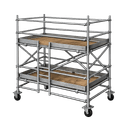
Temporary Structures
Covers scaffolding, fencing, and temporary buildings.

Soft Costs
Covers additional expenses from construction delays due to covered losses.
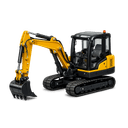
Equipment Coverage
Covers permanently installed fixtures and equipment.
Builders Risk Insurance Requirements in Utah
- Utah projects in mountain, canyon, or remote areas can need closer review of access, material storage, and claim response logistics before coverage is bound.
- If your Utah build faces wildfire, wind, or heavy seasonal weather exposure, ask how those conditions affect deductibles, exclusions, and protective requirements.
- Owner-furnished materials and long-lead specialty items should be identified early if they will be stored off site or delivered well before installation.
How Much Does Builders Risk Insurance Cost in Utah?
Builders risk pricing usually turns on the job's total insured value, construction type, project length, and loss exposure at the site. A project in a dense neighborhood with regular deliveries may be viewed differently from one in a canyon area, on a rural parcel, or in a place where weather can interrupt access. That affects how an underwriter looks at theft controls, material storage, fire protection, and the chance that a small loss becomes a long delay.
Your quote also changes based on what you ask the policy to insure. If you include higher-value materials before installation, temporary structures, scaffolding, or delay-sensitive soft costs, the premium discussion will not look the same as a bare form written only around the main structure. Renovations can be harder to place than straightforward new construction when there is an occupied building, phased work, or a need to keep part of the property operating during the job.
Request a Quote Comparison
Enter your ZIP code to compare builders risk insurance rates from top carriers.
Business insurance starting at $25/mo
Who Needs Builders Risk Insurance?
This coverage is usually worth reviewing for the party that would absorb the financial hit if a covered loss damages work in progress or delays completion. The practical answer often depends on the contract and the financing. Owners commonly arrange it on ground-up residential and commercial jobs because lenders, investors, and draw schedules all depend on the project staying on track. General contractors may also need to review it closely when the agreement makes them responsible for jobsite risk, temporary works, or materials they control before installation.
Developers should pay special attention when multiple entities are involved in the same project. If the landowner, development entity, and builder are not aligned on who is named and who has an insurable interest, a claim can become harder than it needs to be. Remodelers and design-build firms should not assume a homeowner or property owner policy automatically addresses major structural work, staged materials, or a partially open building envelope during construction. You should also review builders risk if your project uses owner-supplied materials, long-lead items stored off site, or specialty finishes that would be expensive to replace after a loss.
Builders Risk Insurance by City in Utah
Builders Risk Insurance rates and coverage options can vary across Utah. Select your city below for localized information:
How to Buy Builders Risk Insurance
The buying process works best when you build the submission around the job file you already use to run the project. Start with the signed contract or draft agreement, then pull the project address, completed value, scope, timeline, and the list of parties that may need to be named. If the work is a renovation, identify what is existing property and what is new construction. If materials will be stored away from the site or delivered in phases, say that early instead of waiting for underwriting questions.
Next, describe the site the way a field superintendent would. Note whether the property is fenced, lit, locked, or monitored after hours. Explain where materials are stored, how water is shut down when the site is unattended, and whether the project sits in an area with tougher access, wildfire concerns, or seasonal weather that could affect protection and cleanup.
Before binding, ask for a plain-language review of covered property, excluded causes of loss, deductible triggers, and any conditions tied to theft prevention, temporary heat, water damage, or occupancy. Request a quote through CPK Insurance to compare your options with participating licensed providers.
How to Save on Builders Risk Insurance
Underwriters price unknowns conservatively, so vague values, incomplete schedules, and unclear responsibility between owner and contractor can all work against you. Give one consistent completed value, a realistic build timeline, and a direct explanation of any unusual construction features. If the project includes high-value finishes, owner-furnished materials, or phased occupancy, spell that out instead of leaving the carrier to assume the broadest exposure.
Site controls can also help your quote hold up. If materials are locked, the site is fenced, lighting is in place, and water shutoff procedures are documented, include that information. In Utah, where weather and site access can change quickly, a carrier may look more favorably at a project that shows active loss prevention rather than a bare application with no operational detail. The same goes for housekeeping, debris removal plans, and how you secure materials between trades.
You can also save by matching the policy term and coverage options to the real job instead of overinsuring every category by default. Review whether you need soft costs, transit, off-site storage, or broader theft terms based on the contract and supply chain, not habit. Then compare deductibles carefully. A lower premium is not a real savings if the deductible or exclusions leave you carrying a loss that would disrupt the project budget.
Our Recommendation for Utah
For Utah projects, start your builders risk review before the first major material order, not after the site begins to fill up. That is the point where responsibility becomes expensive, especially if the contract, lender conditions, and delivery schedule are not all saying the same thing. Ask for the quote to be built around the actual job sequence: site work, framing, dry-in, interior phases, and any period where materials sit before installation.
If the project is in a mountain, canyon, or more remote area, press for a specific discussion about access, emergency response, and how weather could affect both damage and delay. Before you bind, read the named insureds, covered property categories, and deductible wording line by line against the contract. Request a free, no-obligation quote through CPK Insurance to compare your options with participating licensed providers.
FAQ
Frequently Asked Questions
Utah uses the Utah Insurance Department as the state insurance regulator. That gives you a place to verify licensing, review consumer resources, and confirm you are dealing with a properly regulated insurance transaction before you bind coverage.
Utah home builds often warrant a builders risk review once financing, contracts, and the construction schedule are taking shape. The key issue is who carries the risk for materials, work in progress, and delays before the home is complete.
Utah mountain and rural projects can be underwritten differently because access, weather, and site security may affect both loss prevention and claim handling. You should describe storage, fencing, water controls, and delivery patterns in detail when requesting quotes.
Utah remodels can need builders risk review when structural work, staged materials, or an open building envelope create exposures that a standard property policy may not address during construction.
Utah quote requests work better when you include the project address, completed value, timeline, contract responsibility, and site security details up front. That helps the underwriter evaluate the actual job instead of pricing around missing information.
Utah projects usually answer that question in the contract, lender requirements, and ownership structure. Review the named insureds and any additional interests carefully so the owner, contractor, and other stakeholders align before a claim ever happens.
Utah weather can affect how you review deductibles, exclusions, and protective conditions, especially on projects with seasonal exposure or slower site access. Ask the agent to explain how weather-related loss scenarios fit the policy terms before binding.
Builders risk insurance may cover, subject to policy terms, the structure under construction, materials on site, materials in transit, temporary structures, and fixtures or equipment being installed. Depending on the policy, you can also review soft costs and delay-related coverage tied to a covered property loss.
Sources
- 1.Utah Insurance Department(Use the Utah Insurance Department as the state's insurance regulator if you need to verify licensing, complaint resources, or general consumer guidance while comparing options.)
Updated July 16, 2026