Updated July 16, 2026

Key Takeaways
- List every towing and transport service you perform before requesting quotes, so loading, unloading, winching, and recovery exposures are reviewed correctly.
- Compare the on-hook limit, deductible, valuation method, and exclusions side by side instead of choosing a policy on premium alone.
- Ask in writing whether your policy addresses the specific vehicles you tow most often, especially specialty, modified, low-clearance, or higher-value units.
- Use pre-tow photos, condition notes, and signed release procedures on every job to reduce disputes and support claims handling.
- Review on-hook coverage together with auto liability and any garagekeepers coverage before renewal to catch gaps between transport and storage.
On-Hook Towing Insurance in Utah
A property manager wants your certificate before renewing a towing vendor agreement. A lender asks how customer vehicles are protected once they are hooked, winched, or carried. That is usually when on-hook towing insurance in Utah stops feeling like a line item and starts becoming an underwriting conversation about the jobs you actually take. A Utah tow operation can move from freeway breakdowns to private property impounds, mountain corridor recoveries, and dealer transfers in the same week, and each job changes how damage can happen and how a claim gets argued. Your review should focus on the vehicles you tow, the equipment you use, where units are stored between calls, and how your drivers document condition before loading and after delivery.
State oversight also matters, because policy forms, complaint handling, and licensing questions run through the state regulator, so you want terms you can read clearly. Line up your dispatch records, driver lists, service mix, and any contract language that shifts responsibility back to your business.
What On-Hook Towing Insurance Covers
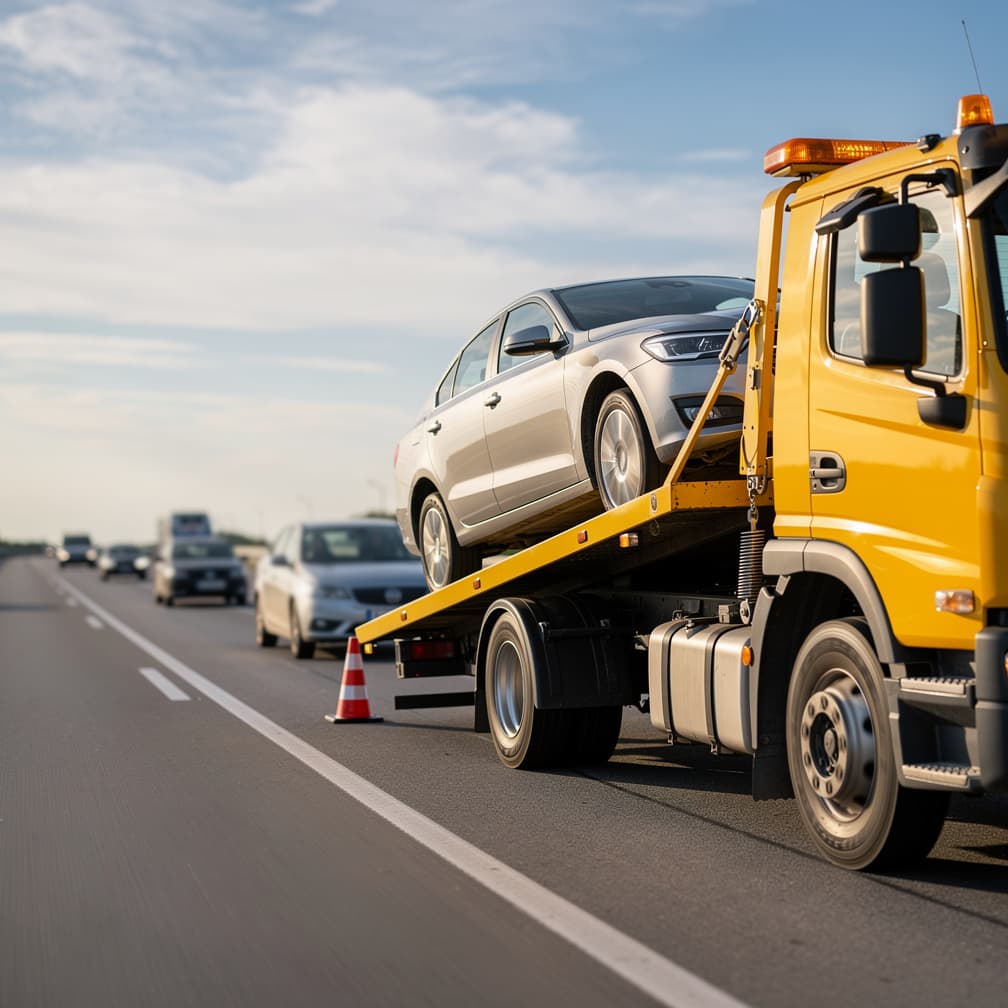
In Utah, the useful question is not the basic definition of on-hook coverage. It is where your operation creates the most claim pressure once a vehicle is in your custody during the tow. If your work includes steep grades, winter roadside calls, or recoveries where a disabled vehicle has to be repositioned before transport, you should ask how the policy responds to the exact handling steps your crews use. A wheel-lift account, a flatbed account, and a mixed fleet can produce very different damage scenarios, even if the same truck handles them on different days.
Your review should get specific about loading methods, tie-down procedures, dollies, winching practices, and whether higher-value vehicles show up in dealer work, specialty transport, or post-accident tows. If you subcontract overflow calls, confirm how responsibility is assigned when another operator touches the vehicle. If you store towed units before release, separate the on-hook discussion from garagekeepers or storage-related exposures so there is less confusion after a loss.
Utah weather and terrain can also change the way a routine tow turns into a disputed claim. A buyer should ask whether the policy language is broad enough for the kinds of roads, grades, and roadside conditions the business actually sees, rather than assuming every tow is underwritten the same way. It also helps to review exclusions tied to unattended vehicles, improper securement, mechanical breakdown, or pre-existing damage, because those are often the points that decide whether a claim is paid, limited, or denied. Before binding, ask for sample claim scenarios based on your real dispatch mix and compare the answers side by side.
Collision on Hook
Covers damage to towed vehicles from collisions during transport.
Comprehensive on Hook
Covers theft, fire, and weather damage to vehicles being towed.
Loading & Unloading
Covers damage during the process of loading and unloading vehicles.
Winching Coverage
Covers damage to vehicles during winching and recovery operations.
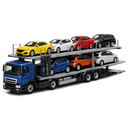
Multiple Vehicle
Covers all vehicles on multi-car carriers and rollback flatbeds.
On-Hook Towing Insurance Requirements in Utah
- Utah towing accounts face conditions that flatland operators rarely see. When roadside work happens on steep grades, in canyon corridors, or during winter storms, loading and securement become more complicated than a routine paved-lot tow. Ask how your policy language responds to those specific conditions, because the claim argument after a mountain recovery will look different from one after a dealership transfer.
How Much Does On-Hook Towing Insurance Cost in Utah?
For a Utah towing business, on-hook pricing usually turns on severity, not just frequency. An underwriter is looking at what kinds of vehicles you move, whether calls are mostly scheduled or emergency, how often drivers work roadside, and how expensive a mistake could become once a customer vehicle is attached or loaded. A truck handling routine dealer transfers may be viewed differently from one taking night impounds, accident scenes, and mountain recoveries, even if both are insured under the same business name.
Your quote can also change based on territory, driver experience, loss history, equipment type, requested limits, deductibles, and whether your operation mixes towing with storage, recovery, transport, or repossession work. If you run more than one unit, expect the carrier to look closely at whether every truck does the same work or whether one truck handles the higher-hazard assignments. That distinction matters because a single high-severity unit can shape the whole account review. For example, a recovery truck working icy mountain grades at night may generate a claim three to five times larger than a flatbed doing scheduled dealer runs, which means one truck's loss history can push the entire fleet's pricing upward.
In Utah, cost discussions go better when you present a clean operating picture. Give the underwriter a current vehicle schedule, service breakdown, driver roster, and written procedures for inspections, photos, securement, and release. If you have contracts with municipalities, property managers, motor clubs, or dealerships, include the insurance language early so the quote reflects those obligations before you are ready to sign. That can prevent a low initial indication from turning into a revised offer after underwriting sees the real exposure.
Request a Quote Comparison
Enter your ZIP code to compare on-hook towing insurance rates from top carriers.
Business insurance starting at $25/mo
Who Needs On-Hook Towing Insurance?
In Utah, this coverage matters for more than a company that simply advertises towing. You should review it any time your business takes possession of someone else's vehicle and moves it by tow truck, wheel-lift, or carrier as part of paid operations. That can include roadside assistance operators, impound contractors, recovery specialists, transport-focused fleets, and mixed-service shops that occasionally tow customer units between locations.
The need becomes more obvious when your contracts push responsibility onto your business. A property management agreement, police rotation requirement, dealer vendor packet, or commercial account contract may not use the same wording, but the practical issue is the same. If a vehicle is damaged while your truck is handling it, your customer may expect a clear insurance response. If your operation works after hours, in bad weather, or on roads where loading space is tight, the chance of a disputed damage claim can rise even when your drivers are experienced.
Utah operators should also think about service combinations. If you perform private property impounds during the day, roadside calls at night, and occasional recovery work on weekends, your exposure is broader than a single-service account. The same is true if you tow motorcycles, luxury vehicles, lifted trucks, or commercial units that require different loading techniques. A buyer should not assume a policy built for one segment automatically fits the others.
On-Hook Towing Insurance by City in Utah
On-Hook Towing Insurance rates and coverage options can vary across Utah. Select your city below for localized information:
How to Buy On-Hook Towing Insurance
Start your Utah purchase process by building an underwriting file, not by chasing the fastest quote. List each truck, each service type, the territory you cover, and the kinds of vehicles you handle most often. Then separate routine towing from higher-severity work such as accident recovery, impounds, specialty vehicle transport, or difficult winching. That gives the market a cleaner picture of what should be rated and what needs special review.
Next, gather the documents that usually control the final terms: loss runs, driver information, equipment details, sample invoices or tow tickets, dispatch procedures, photo documentation steps, and any contracts that require specific limits or wording. If one truck is used for heavier recovery or more complex calls, say so directly. Trying to smooth out the risk profile can backfire once underwriting reviews your website, contracts, or claim history.
In Utah, it also helps to read policy language carefully. If you have questions about licensing, complaint handling, or how a policy form is filed, ask for the answer in writing so you can compare terms clearly. For a buyer, the practical takeaway is simple: ask where exclusions sit in the form, and ask how claims are reported and documented. Before binding, compare quotes on the same assumptions. Then test each option with two or three real claim examples from your operation.
Request a quote through CPK Insurance to compare your options with participating licensed providers.
How to Save on On-Hook Towing Insurance
The strongest way to lower your Utah on-hook costs over time is to make your account easier to trust. Underwriters respond to operations that can show how damage is prevented and how facts are preserved after a loss. That starts with consistent pre-tow and post-delivery photos, written securement procedures, driver training records, and dispatch notes that show where the vehicle was picked up, how it was loaded, and who accepted it at delivery.
You can also save by separating exposures clearly. If your business does towing, storage, recovery, and transport, do not let those activities blur together in the submission. A cleaner description helps the carrier rate the account more accurately and may keep one higher-hazard service from distorting the whole quote. The same logic applies to vehicle types. If specialty or high-value units are only an occasional part of your work, document that frequency instead of leaving the underwriter to assume it is routine.
Driver management matters as well. Review motor vehicle records, keep hiring standards documented, and show how new drivers are trained before they handle difficult calls alone. If one or two experienced operators take the hardest assignments, explain that workflow. It can matter more than a generic statement that everyone does everything.
Deductible choices can affect premium, but do not raise a deductible beyond what your cash flow can absorb after a disputed damage claim. A premium reduction means little if a single payout forces you to park trucks or decline calls while you recover. Before renewal, ask what specific changes would improve pricing most, then prioritize the ones you can document, such as better photo logs, tighter service descriptions, and cleaner loss reporting.
Our Recommendation for Utah
For Utah towing operators, the smartest buying move is to underwrite your real dispatch board, not your marketing summary. Inconsistent service descriptions are a common reason quotes change late in the process or claims become harder to defend, so make sure every application reflects the same accurate breakdown of your work.
Ask for a coverage review built around your toughest jobs. That may be winter roadside work, steep access roads, tight urban impounds, or specialty vehicle handling. Then check whether your limits still make sense for the most expensive vehicle you are likely to move, not just the average sedan. A low limit can look acceptable until one severe claim puts contract income or customer relationships at risk.
You should also tighten your evidence trail before renewal. If a claim happens, documentation often matters as much as the policy language. Finally, bring contract requirements into the quote process early. A certificate request is a poor time to discover that the policy wording, deductible, or covered operations do not match what the account expects.
FAQ
Frequently Asked Questions
Many operators carry it for private property impounds because the risk starts once a vehicle is attached, loaded, or moved by your truck. Contract terms and claim expectations can differ by account, so compare your impound work against your other towing services.
Mountain routes and winter weather can make a routine tow more complex by changing loading angles, roadside space, and securement demands. That is why you should ask how the policy handles the exact recovery, winching, and transport steps your drivers use in difficult terrain or weather.
Insurance oversight runs through the Utah Insurance Department, so that is the regulator behind policy forms, licensing questions, and complaint handling. For a buyer, the practical step is to get terms in writing and review exclusions.
Operators sometimes can, but the better question is whether both services are described accurately in underwriting. Scheduled dealer moves and emergency roadside calls create different claim patterns, so ask the carrier to rate the full service mix instead of assuming one description fits both.
Submissions usually go more smoothly when you provide a current truck schedule, driver list, loss history, service breakdown, and sample tow documentation. If one unit handles higher-hazard work, disclose that early so the quote reflects the real exposure.
Buyers should not assume that towing-related coverage automatically addresses every storage exposure. If vehicles move from the truck to your lot or another holding area, ask where on-hook coverage ends and where other custody-related protection needs to begin.
Towing quotes often change when underwriting sees contracts, loss runs, or a broader service mix than the first application showed. You can reduce that risk by disclosing impounds, recovery work, specialty vehicles, and subcontracted calls at the start.
On-hook towing insurance may cover damage to a customer vehicle while it is being loaded, attached, carried, winched, or unloaded by your tow truck, depending on the policy terms. Buyers should review collision, fire, theft, weather, and loading-related damage carefully.
Sources
- 1.Utah Insurance Department(Utah insurance oversight runs through the Utah Insurance Department, so that is the regulator behind policy forms, licensing questions, and complaint handling.)
Updated July 16, 2026