Updated July 16, 2026

Key Takeaways
- Review your construction contract before requesting a quote, so the named insureds and insurance responsibility match the job documents.
- Prepare the project budget, timeline, address, and scope summary before applying, so the quote reflects the work actually being built.
- Check whether the policy addresses on-site materials, transit, temporary structures, and soft costs before the first delivery arrives.
- Compare the policy term against your realistic completion schedule, then ask about extension options before the original term gets close to expiring.
- Map builders risk against your liability, installation, and equipment policies, so you avoid both coverage gaps and overlapping property insurance.
Builders Risk Insurance in Virginia
On many Virginia projects, the first real requirement is not the permit set. It is the contract or lender package that says the work in place must stay insured until the job reaches handoff. Satisfying that usually means matching the policy to the construction agreement, the draw schedule, and the parties that need an insurable interest documented before funds move. That is where builders risk becomes a practical buying decision, not a generic checkbox. You need the quote to line up with how the project is built, where materials sit before installation, and whether the job is new construction, an addition, or a major renovation. Virginia weather also matters in a very operational way, because storm, wind, and water exposure can change how you review temporary protection, site security, and delivery timing. Before you request quotes, gather the contract, project budget, construction timeline, and lender insurance requirements into one file so the review starts from the actual project requirements.
What Builders Risk Insurance Covers
A ground-up build outside a dense downtown corridor is underwritten differently from an addition on an occupied property, and a phased renovation gets different treatment than a shell project waiting on interior trades.
For many buyers, the key question is not whether builders risk exists, but which categories of property need to be scheduled or confirmed before work starts. That can include installed work, materials waiting at the site, and in some cases property in transit or at temporary storage, depending on the form and endorsements offered. If your project relies on long lead items, imported components, custom millwork, or equipment that arrives well before installation, ask for those exposures to be addressed directly instead of assuming they are picked up automatically.
You also want to review how the policy handles soft cost needs, delay-sensitive financing, and the practical realities of weather exposure. Virginia projects can face wind, heavy rain, and other natural hazard conditions that make site protection, water control, and temporary enclosures more than a routine checklist item. If the work involves an existing structure, ask where coverage begins and ends between new work, existing property, and any owner-furnished materials.
Before binding, compare the covered property description against your schedule of values, delivery plan, and contract exhibits. If any category of property is important enough to delay the job if lost, it is important enough to review in writing.

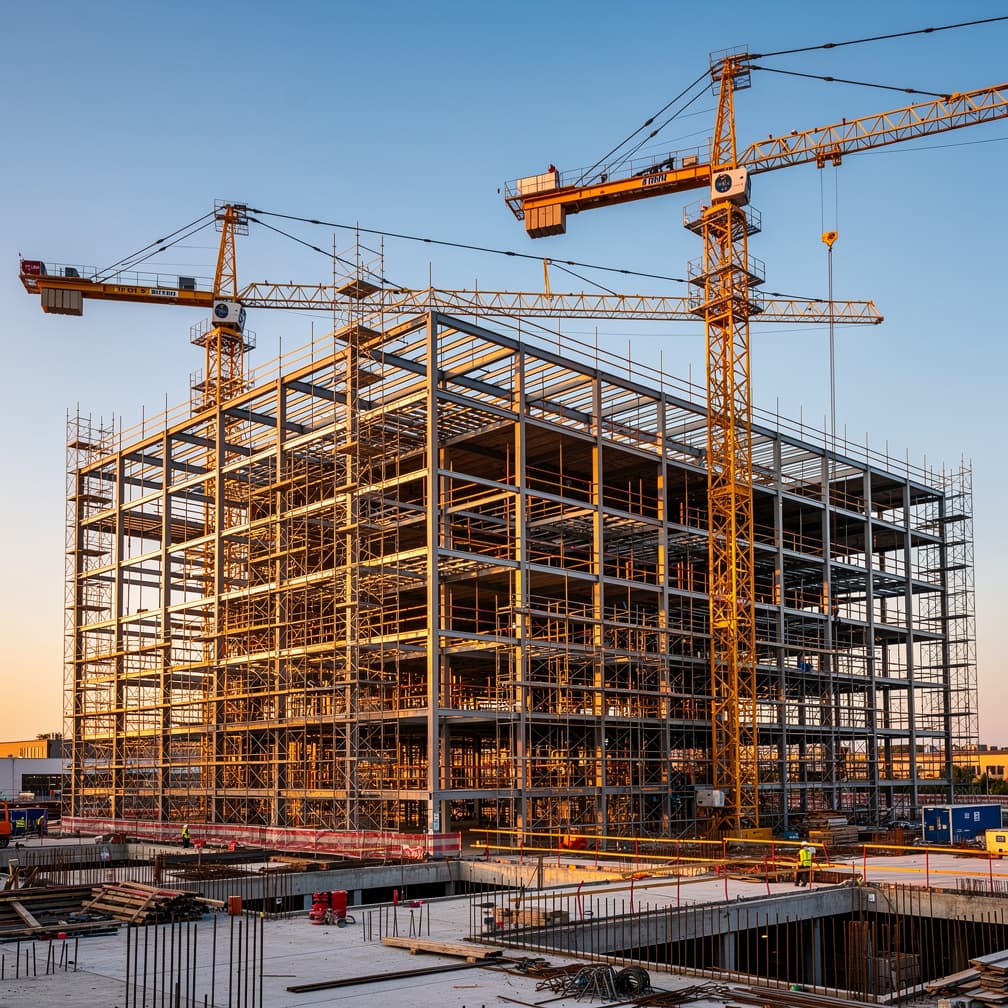
Structure Coverage
Covers the building or structure under construction.
Materials on Site
Covers building materials stored at the construction site.

Materials in Transit
Covers materials being transported to the job site.
Temporary Structures
Covers scaffolding, fencing, and temporary buildings.

Soft Costs
Covers additional expenses from construction delays due to covered losses.
Equipment Coverage
Covers permanently installed fixtures and equipment.
Builders Risk Insurance Requirements in Virginia
- Virginia's coastal and Piedmont regions face distinct storm and wind patterns that can affect how a project is underwritten.
- In Tidewater and coastal areas, wind exposure may require separate deductibles or endorsements, especially for work near the Chesapeake Bay or Atlantic coast.
- Across the state, heavy summer thunderstorms and hurricane remnants make temporary water control and dry-in timing critical, because a single storm can damage materials stored on site before the building envelope is closed.
- If your project sits in a designated flood zone, ask how surface water and flooding are treated, because standard forms may exclude flood damage unless endorsed.
- For occupied-building renovations, the policy must clearly separate existing property from tenant improvements and new work, since blurring those lines can create gaps at claim time.
- Projects with lender draw schedules should align insured values, named interests, and evidence of coverage before the first funding milestone, because Virginia lenders typically require proof of coverage before releasing initial draws.
How Much Does Builders Risk Insurance Cost in Virginia?
Builders risk pricing in Virginia is usually shaped by underwriting detail, not by a standard monthly premium. The quote often turns on the completed value, construction type, project term, location, security controls, and whether the work is new construction, tenant improvement, or renovation of an occupied structure. A lender-driven policy with strict documentation needs can also take more review than an owner-managed project with a simpler risk profile.
Location affects cost in a practical way. A project with greater exposure to wind, water intrusion, or difficult site access may be reviewed more carefully because claim severity can rise when materials are exposed before the building envelope is complete. The same is true if you are storing high-value materials before installation, using phased turnover, or relying on a narrow construction schedule where one covered loss could disrupt multiple trades at once.
Project administration also influences price. Underwriters usually want a clean statement of completed value, a realistic build timeline, and a clear explanation of who is responsible for site security, temporary protection, and material handling. If those details are vague, the quote process can slow down or come back with tighter terms. If they are organized, you are in a better position to compare options on substance instead of guessing from a headline number.
For Virginia buyers, the most useful way to control cost is to present a complete submission the first time. Include the contract insurance requirements, project address, scope, values, start date, expected completion date, and any special exposures such as renovation of an occupied building or storage away from the site. That gives you a quote you can actually use, and it reduces the chance of rebinding later because the original terms missed how the job really operates.
Request a Quote Comparison
Enter your ZIP code to compare builders risk insurance rates from top carriers.
Business insurance starting at $25/mo
Who Needs Builders Risk Insurance?
In Virginia, the party that needs this coverage is usually the one that would take the financial hit if a covered loss damages the project before completion, but the answer is often driven by the contract rather than by habit. On one job, the owner buys it because the lender requires evidence of coverage tied to the draw process. On another, the general contractor arranges it because the agreement places responsibility for work in place, temporary structures, or stored materials on the contractor until substantial completion.
That is why builders risk is worth reviewing for more than one participant. Property owners should review it when they are funding the project, carrying the construction loan, or supplying materials that would be expensive to replace midstream. General contractors should review it when they control the site, coordinate trades, and would be expected to keep the project moving after a loss. Developers, investors, and project managers may also need to be involved if they have a financial interest that should be reflected in the policy structure or certificates.
Virginia renovation work deserves especially careful review. If you are improving an occupied building, adding square footage, or rebuilding after prior damage, the line between existing property and new work needs to be clear before the policy is issued. Owner-builders should also review eligibility early, because underwriting can depend on experience, project type, and who is performing the work.
A simple test helps. If a fire, storm event, theft, or water loss during construction would force you to inject more capital, delay financing, or renegotiate the contract, you should review your options before the first major delivery arrives. Start by identifying every party with money at risk and every contract clause that assigns insurance responsibility.
Builders Risk Insurance by City in Virginia
Builders Risk Insurance rates and coverage options can vary across Virginia. Select your city below for localized information:
How to Buy Builders Risk Insurance
Buying builders risk correctly in Virginia starts with document control. Gather the construction contract, lender requirements, project budget, schedule of values, site address, start date, expected completion date, and a short narrative of the work. If the project includes renovation, phased occupancy, owner-furnished materials, or storage away from the site, flag those items at the start. They are easier to place correctly before the quote is issued than to fix after binding.
Next, map the insurance requirement to the project structure. Confirm who is responsible for purchasing the policy, who needs to be named, what value should be insured, and whether the lender expects evidence before closing or before the first draw. If the contract language is vague, resolve that before you shop. A cheap-looking quote that does not match the agreement can create a funding problem later.
Then move into underwriting detail. Be ready to explain construction type, protection of materials, jobsite security, temporary enclosures, and any weather-sensitive phases of work. Virginia projects with meaningful storm exposure should describe how the site is secured before the roof, windows, or exterior envelope are complete. That helps the underwriter understand the risk instead of assuming the worst.
Before you bind, review the policy form line by line against the contract exhibits and project budget. Check the covered property description, valuation basis, term, extension options, and any conditions tied to occupancy or completion. You should also confirm that the placement is being handled through a licensed provider. Do not rely on a certificate summary alone. Ask for the actual policy terms, then bind only after the named parties, values, and project description match the job you are building. Request a quote through CPK Insurance to compare your options with participating licensed providers.
How to Save on Builders Risk Insurance
The strongest way to save on builders risk in Virginia is to reduce uncertainty before the underwriter has to price it. Start with a disciplined submission. If your completed value, scope, and timeline are consistent across the contract, budget, and application, you are less likely to get a quote padded for missing information.
You can also save by tightening operational controls that directly affect claim frequency. Show how materials are secured, how water is managed before dry-in, who checks the site after severe weather, and how deliveries are timed so high-value items do not sit exposed longer than necessary. On Virginia jobs where storm conditions are a real concern, those procedures can make your submission easier to underwrite because they show loss prevention in concrete terms.
Another practical savings move is to insure the right value and term the first time. If the completed value is understated, you risk a painful correction later. If the term is too short, you may need an extension under time pressure. Build in a realistic schedule, especially if inspections, specialty materials, or phased work could slow completion. A cleaner initial term often costs less than scrambling to amend the policy after delays appear.
Finally, compare quotes on structure, not just price. A lower premium is not a savings if it leaves out stored materials, creates a mismatch with lender requirements, or handles renovation exposures poorly. Ask each quoting source to explain the covered property description, valuation approach, and any conditions that could affect a claim. The quote that fits the project cleanly is often the one that saves you the most money over the life of the job.
Our Recommendation for Virginia
For Virginia projects, treat builders risk as part of project administration, not as a last-minute insurance purchase. Start with the contract and lender checklist, then test the policy against the actual build sequence. If the job includes a period where materials arrive before the structure is ready, ask how those items are treated while stored, moved, and installed. If the work involves an occupied building, ask for a clear explanation of how new work is separated from existing property.
Weather planning deserves more attention than many buyers give it. Virginia storm exposure can turn a minor site protection gap into a larger claim, especially before the building envelope is complete. Ask your superintendent or contractor for the written plan for temporary water control, site checks after severe weather, and protection of high-value materials. Then make sure the insurance review reflects that plan.
Also, do not bind from a summary alone. Read the covered property description, named insured structure, term, and any completion triggers.
FAQ
Frequently Asked Questions
Check who must buy the policy, which parties need to be named, what value must be insured, and when proof is due to the lender. Those points affect whether the quote will actually satisfy the project requirements.
Yes. Review storm exposure in operational terms, especially site security, temporary enclosures, water control, and material storage before dry-in. Those details can affect underwriting and can determine whether the policy fits how the job is actually built.
Owner-builders may be able to review builders risk options, but eligibility usually depends on project type, experience, and who is performing the work. It helps to prepare a clear scope, budget, timeline, and contractor breakdown before requesting terms.
Ask specifically whether stored materials, transit exposures, and temporary storage locations are addressed in the quote. Do that early in the process, especially if custom items or long lead materials would delay the project if they were damaged.
Submissions move more cleanly when the contract, budget, completed value, timeline, and project narrative all match. If renovation, phased occupancy, or owner-furnished materials are involved, disclose them early so the terms are built around the real job.
Insurance oversight runs through the Virginia Bureau of Insurance, so confirm that the placement process and policy documents are handled through a licensed provider. That is a basic check before you rely on the coverage for a funded project.
Renovation work usually needs a more careful review because the policy must distinguish between existing property and the new work being added or rebuilt. That distinction matters most when the building stays occupied during construction.
Builders risk insurance may cover, subject to policy terms, the structure under construction, materials on site, materials in transit, temporary structures, and fixtures or equipment being installed. Depending on the policy, you can also review soft costs and delay-related coverage tied to a covered property loss.
Sources
- 1.Virginia Bureau of Insurance(Virginia insurance oversight runs through the Virginia Bureau of Insurance.)
Updated July 16, 2026