Updated July 16, 2026

Key Takeaways
- Review your construction contract before requesting a quote, so the named insureds and insurance responsibility match the job documents.
- Prepare the project budget, timeline, address, and scope summary before applying, so the quote reflects the work actually being built.
- Check whether the policy addresses on-site materials, transit, temporary structures, and soft costs before the first delivery arrives.
- Compare the policy term against your realistic completion schedule, then ask about extension options before the original term gets close to expiring.
- Map builders risk against your liability, installation, and equipment policies, so you avoid both coverage gaps and overlapping property insurance.
Builders Risk Insurance in Washington
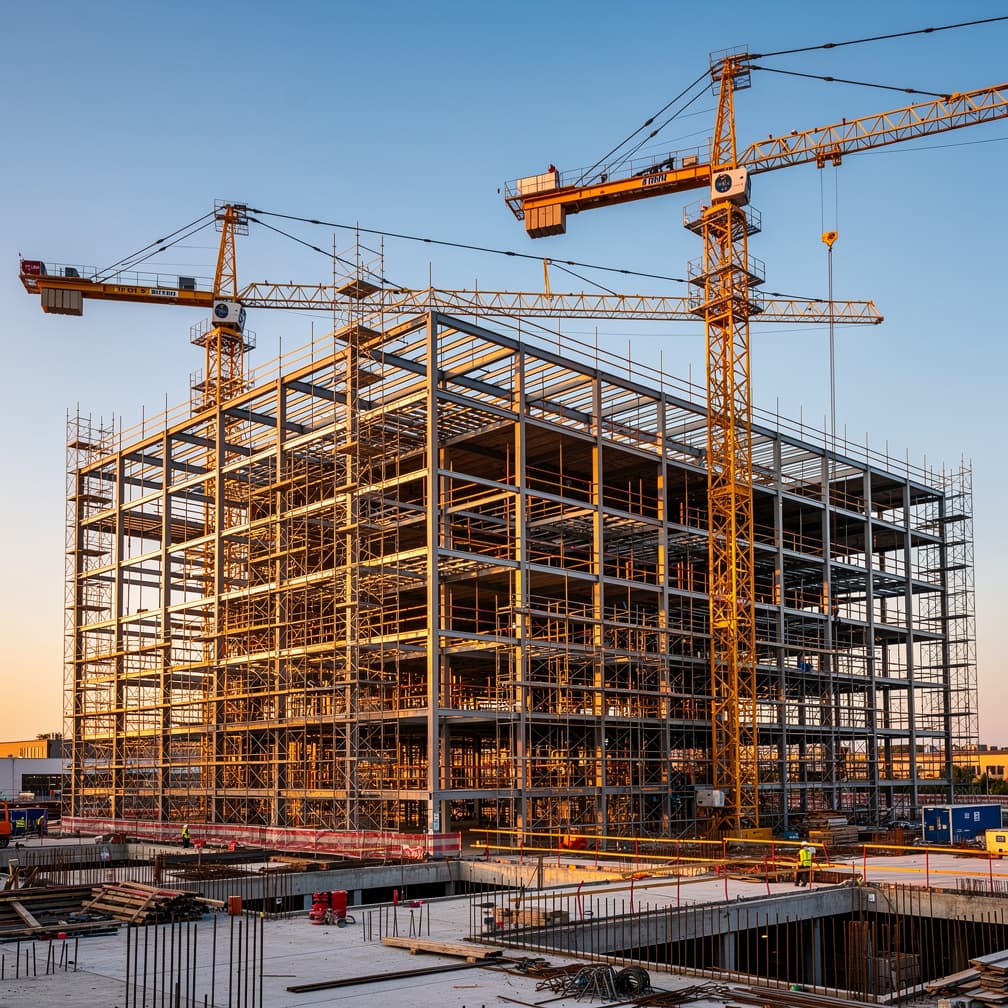
A half-framed custom home takes wind-driven rain through an open roof deck over a weekend. A renovation crew opens an exterior wall, then a water loss spreads into finished areas that were supposed to stay occupied. A delivery of windows sits at the site while the schedule shifts, and the project budget suddenly has to absorb damaged materials, delay costs, and a lender asking for updated proof of coverage. That is the practical reason to review builders risk insurance in Washington before work starts, not after the first loss interrupts the job.
In Washington, the right review usually turns on where materials are stored, how weather can reach partially completed work, whether the project is new construction or a major remodel, and which party the contract makes responsible for insuring the job. If your project has phased turnover, owner-supplied materials, or existing structures that stay in use during construction, those details need to be addressed up front. Bring the construction agreement, project schedule, completed value, and site protection plan into the quote conversation so you can check what is included, what needs to be added, and where a gap could delay funding or repairs.
What Builders Risk Insurance Covers
Washington projects often need a tighter builders risk review where weather, terrain, and job sequencing can expose unfinished work before the building envelope is closed. If your schedule includes open framing, staged dry-in, temporary tarping, or materials waiting on site for the next trade, you want the quote built around those real conditions rather than a generic project description.
For many Washington jobs, the practical coverage questions are about property location and timing. You may need to review whether materials are only covered once they reach the site, whether temporary storage should be scheduled, and whether owner-furnished items need to be specifically accounted for in the completed value. If the project uses long-lead components, imported fixtures, custom glazing, or mechanical equipment delivered in phases, list them early so the policy review matches the purchasing plan.
You should also check how the policy handles soft-cost-related exposures if a covered loss delays the project. For example, if a fire during framing pushes your completion date back by two months, the policy may help cover lost rental income you were counting on or additional interest on your construction loan during the extended term. That can matter when financing, lease commitments, or planned occupancy dates are tied to construction milestones. On renovation work, ask for a clear discussion of existing structure treatment, site security expectations, and whether testing, commissioning, or temporary occupancy changes the point at which coverage should end. Washington's insurance regulator is the Washington Office of the Insurance Commissioner, so if you are comparing forms or carrier requirements, verify that the company and policy documents you are reviewing are properly regulated before you bind coverage.

Structure Coverage
Covers the building or structure under construction.

Materials on Site
Covers building materials stored at the construction site.

Materials in Transit
Covers materials being transported to the job site.
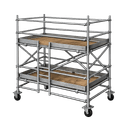
Temporary Structures
Covers scaffolding, fencing, and temporary buildings.

Soft Costs
Covers additional expenses from construction delays due to covered losses.

Equipment Coverage
Covers permanently installed fixtures and equipment.
Builders Risk Insurance Requirements in Washington
- Projects with open-roof or open-wall phases should document temporary weather protection procedures before quoting, because unfinished envelopes can change how underwriters view the risk.
- If your build uses owner-furnished fixtures or equipment delivered in stages, separate those values clearly so they are not overlooked during underwriting.
- Occupied renovation work often needs a closer review of where builders risk ends and existing property coverage may need to respond.
- Projects with unusual site access or extended material storage should explain security controls in operational detail, not broad promises.
How Much Does Builders Risk Insurance Cost in Washington?
Builders risk pricing in Washington is usually driven by the project itself and by how underwriters view the chance of loss before completion. The biggest cost drivers are still the completed value, construction type, project term, and scope of work, but local operating details often move the quote more than buyers expect. A site with limited access, long material lead times, exposed framing periods, or a renovation tied into occupied space can be harder to underwrite than a straightforward new build with a short schedule and controlled storage.
The most useful way to think about cost is to separate fixed project facts from choices you can improve before quoting. Fixed facts include the address, the type of structure, whether the job is ground-up or renovation, and the total value being put in place. Choices you can improve include how materials are secured, whether expensive items arrive just before installation, how quickly the building is dried in, and whether the contract clearly assigns insurance responsibility among the owner, general contractor, and subs.
If you want a cleaner Washington quote, submit a complete package the first time. Include the signed or near-final contract, construction budget, timeline, site map if access is unusual, and a breakdown of any existing structure exposure. Explain where materials will be stored, who controls keys and fencing, and whether the project has lender requirements for limits or named insureds. That gives the underwriter fewer reasons to add caution pricing, restrict terms, or delay binding while asking follow-up questions.
Request a Quote Comparison
Enter your ZIP code to compare builders risk insurance rates from top carriers.
Business insurance starting at $25/mo
Who Needs Builders Risk Insurance?
In Washington, the buyer who needs builders risk reviewed is usually the party that would take the financial hit if a covered loss interrupts the project. That can be the property owner, a developer, a general contractor under contract to provide coverage, or an owner-builder funding the work directly. It is who has money at risk in the structure, materials, and schedule if damage happens before completion.
This review becomes more important on projects with multiple stakeholders. If a lender is advancing funds, a loss can stall draws until coverage questions are resolved. If the owner is supplying cabinets, appliances, or specialty finishes, those items need to be accounted for instead of assumed. If a contractor is responsible for site security but the owner is buying the policy, both sides should confirm that the application accurately describes who controls the premises and how property is protected after hours.
Washington remodels deserve special attention because the insurance need is often less obvious than on new construction. A kitchen expansion, major interior reconfiguration, or structural upgrade can leave parts of the building exposed while the property is still occupied. In that setting, you should review where builders risk stops, where other property coverage may need to respond, and whether the contract pushes any uninsured gap back onto you.
If you are a homeowner acting as your own GC, do not assume a standard home policy automatically follows the project the way you expect. If you are a commercial owner, do not assume your property form automatically extends to work in progress, temporary structures, or materials in transit. The right time to sort that out is before demolition, delivery, or the first draw request.
Builders Risk Insurance by City in Washington
Builders Risk Insurance rates and coverage options can vary across Washington. Select your city below for localized information:
How to Buy Builders Risk Insurance
Buying builders risk correctly in Washington starts with lining up the project documents before anyone asks for a certificate on short notice. Begin with the construction contract and any lender requirements. Confirm who must purchase the policy, who needs to be named, what value must be insured, and whether the requirement applies only to the new work or also to existing structures affected by the job. If the project is a renovation, identify exactly which areas stay occupied and which systems remain live during construction.
Prepare the underwriting details that usually slow down binding when they are missing. That includes the project address, start date, target completion date, total completed value, construction type, scope narrative, and a schedule of major materials or equipment if they are unusual or high value. For Washington jobs, it also helps to explain site protection in plain operational terms. Fencing, lighting, water shutoff procedures, temporary weather protection, and how quickly materials move from delivery to installation all matter to the underwriter.
Review the policy form against the way the job will actually run. Ask whether materials are covered only at the site or also in temporary storage, whether owner-supplied items are included, how change orders affect reported values, and what event ends coverage. If the project may need phased completion, partial occupancy, or an extension, raise that before binding instead of after the schedule slips.
Before you finalize, compare quotes on terms, not just price. Check named insureds, covered property definitions, exclusions that matter for your job, and any conditions tied to security or vacancy. Request a quote through CPK Insurance to compare your options with participating licensed providers. A free, no-obligation quote works best when you send the contract package and project details together, then ask for the differences to be explained in writing.
How to Save on Builders Risk Insurance
The most dependable way to lower builders risk cost in Washington is to make the project easier to understand and less likely to produce a preventable claim. Start by tightening the application package. Underwriters price uncertainty, so vague values, missing contract terms, and unclear storage plans can push the quote in the wrong direction. A clean budget, realistic schedule, and clear statement of who is responsible for insurance often help more than buyers expect.
You can also save by reducing avoidable property exposure at the site. Schedule expensive materials to arrive close to installation instead of sitting for long periods. Use documented delivery controls so high-value items are checked in, secured, and assigned to a protected storage area. If the project has a long open-roof or open-wall phase, explain the weather protection plan and who is responsible for securing the site at the end of each day. Those details show active risk management, not just a request for a lower premium.
On Washington renovation work, one of the biggest savings opportunities is accurate separation of values. If the quote confuses existing structure, new work, and owner-furnished property, you can end up paying for the wrong basis or revising the policy mid-project. Break out the values clearly from the start. That helps the underwriter rate the job correctly and reduces the chance of endorsement churn later.
Finally, avoid last-minute buying. Rush placements can limit your options because there is less time to answer underwriting questions or correct the contract language. Preventing a mismatch is usually cheaper than fixing one after a claim or lender review.
Our Recommendation for Washington
For Washington projects, treat builders risk as part of job planning, not a box to check after permits and financing are already moving. The most useful first step is to map the property flow. Identify what is delivered, where it sits, when it is installed, and which party controls it at each stage. That single exercise often reveals the real coverage questions, especially on remodels, phased builds, and jobs with owner-purchased materials.
Next, pressure-test the schedule against exposure. If the structure will be open to weather for any meaningful period, ask how the policy treats materials on site, temporary protection, and delay-related consequences after a covered loss. If the project involves an occupied building, review the handoff between builders risk and any existing property coverage before work begins, not after damage spreads into finished areas.
Also, read the end-of-coverage trigger carefully. Washington jobs can change pace quickly because of inspections, financing timing, or partial use of the space before the full punch list is done. You want to know whether occupancy, acceptance, or completion changes the policy status.
FAQ
Frequently Asked Questions
Rain, wind, and water intrusion can reach unfinished work before dry-in, so underwriters want specifics. Tell them how the site is protected, how materials are stored, and how quickly openings are secured after each workday.
Owner-supplied materials can create problems if they are assumed to be included but never listed in the values. Identify who buys them, where they are stored, and when they transfer to the site so the quote can be reviewed accurately.
Occupied renovations should be reviewed for existing structure exposure, water damage pathways, and the point where builders risk stops and other property coverage may need to respond. That is especially important when finished areas stay in use during construction.
Temporary storage should be disclosed before binding if materials will sit away from the job site or in a separate secured area. Storage location, security controls, and delivery timing can all affect how the policy is structured.
Builders risk quotes often slow down when the contract is incomplete, values are unclear, or the scope does not explain whether the job is new construction or renovation. Sending the schedule, budget, and insurance requirements together usually helps.
Buyers can verify insurer regulation through the Washington Office of the Insurance Commissioner. If you are comparing policy forms or companies, confirm the insurer is properly regulated before you bind coverage or rely on a certificate for funding.
Change orders should be reported when they materially change completed value, scope, or timeline. If the policy does not keep up with the project, you can create avoidable problems during a lender review or after a covered loss.
Builders risk insurance may cover, subject to policy terms, the structure under construction, materials on site, materials in transit, temporary structures, and fixtures or equipment being installed. Depending on the policy, you can also review soft costs and delay-related coverage tied to a covered property loss.
Sources
- 1.Washington Office of the Insurance Commissioner(Washington's insurance regulator is the Washington Office of the Insurance Commissioner.)
Updated July 16, 2026