Updated July 16, 2026

Key Takeaways
- Compare quotes using the same peak inventory value, deductible, and valuation assumptions so you can see real coverage differences.
- Ask in writing how the policy handles hail, flood, theft, vandalism, and test drives before you bind coverage.
- Prepare a current inventory schedule, offsite storage list, and security summary before requesting dealer open lot insurance quotes.
- Review whether flood needs separate placement instead of assuming another policy form includes it automatically.
- Requote after security upgrades, lot layout changes, or improved claims history so pricing reflects your current risk.
Dealer Open Lot Insurance in Washington
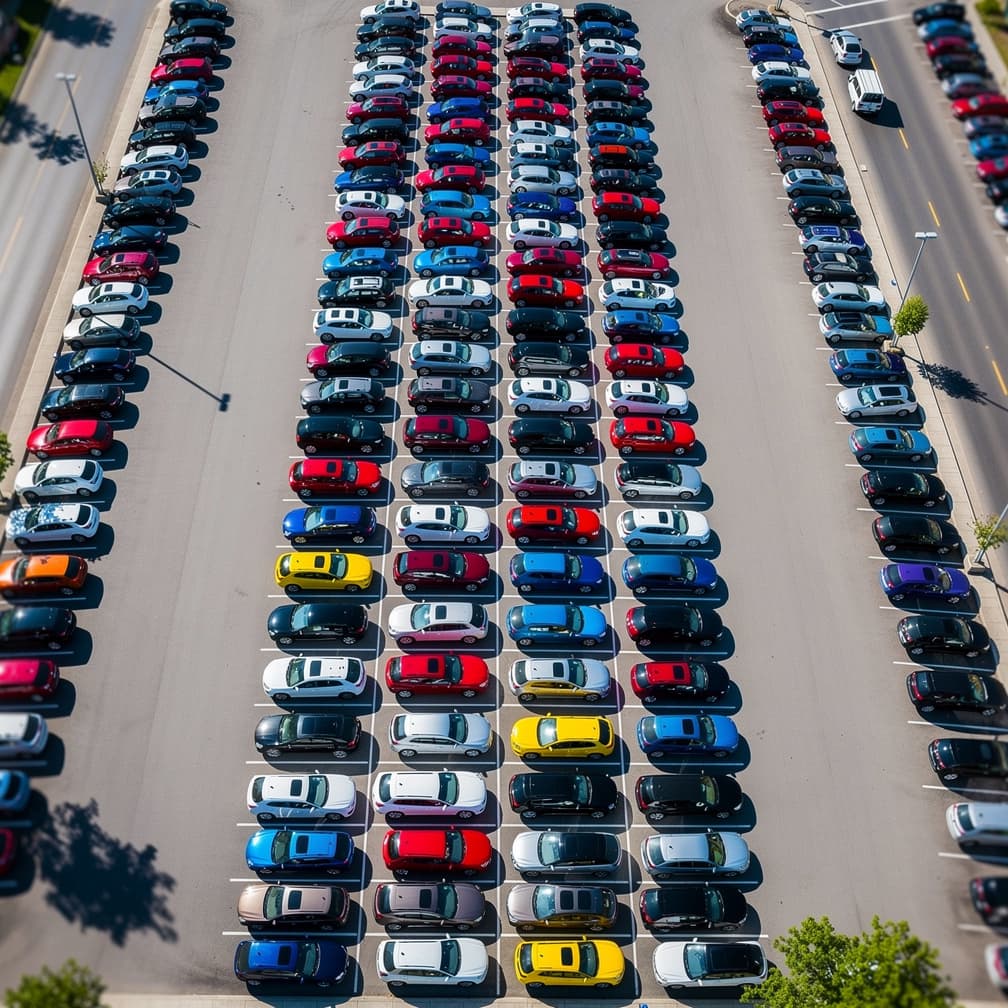
Inventory concentration usually drives dealer open lot insurance in Washington more than almost any other rating factor. A single wind event, theft, or water intrusion can damage many units at once if values are packed tightly on one lot. That means you should shop with a current inventory schedule, realistic peak values, and a clear map of every storage location before comparing terms. A useful quote is less about checking a box and more about showing an underwriter how your vehicles are parked, secured, rotated, and moved between the front line, overflow storage, service areas, and any offsite locations. Washington dealers also need to read policy language carefully around weather, flood-related loss, transit between locations, and test-drive handling, because those details can change how a claim is adjusted after a loss. If your inventory mix changes seasonally, ask for limits that match your highest exposure period rather than your average month. That gives you a better basis for comparing deductibles, reporting requirements, and any conditions tied to where units are kept overnight.
What Dealer Open Lot Insurance Covers
If you keep vehicles in low-lying paved areas, near drainage channels, under trees, or in overflow spaces with lighter fencing and lighting, you should review how the policy responds to those specific storage conditions rather than assuming every unit on every lot is treated the same way. The practical question is which vehicles are insured at which location, during what type of movement, and subject to what exclusions or sublimits.
For many dealers, the most important coverage review points are tied to operational handling. That includes units moved between your main lot and overflow storage, vehicles staged for detailing or service, and inventory taken off premises for auction, transport, or customer demonstration. If your operation uses multiple addresses, ask whether each location must be scheduled and how newly acquired units are treated before they are added to your reporting. That matters when inventory turns quickly or when you buy several vehicles at once.
Washington weather and catastrophe exposure also make wording review more important. Ask how the form handles wind-driven debris, falling objects, water damage, and losses that happen while units are temporarily stored away from the primary lot. If your dealership carries higher-value or specialty inventory, confirm whether valuation, accessories, charging equipment, or attached components create any special conditions.

Weather Damage
Covers hail, wind, flood, and storm damage to lot inventory.
Theft Protection
Covers vehicles stolen from your lot.
Fire Damage
Covers fire and explosion damage to inventory vehicles.

Vandalism
Covers intentional damage to vehicles on your lot.
Test Drive Coverage
Covers vehicles during customer and employee test drives.
Transit Coverage
Covers vehicles being moved between lot locations.
Dealer Open Lot Insurance Requirements in Washington
- Washington weather patterns make drainage, tree exposure, and temporary offsite storage worth reviewing closely in the policy wording before a loss occurs.
- If your dealership uses overflow parcels or satellite lots, confirm each address is scheduled and that vehicle transit between locations is contemplated by the form.
- Lots with dense vehicle spacing should review concentration risk carefully, because one localized event can affect many units before staff can reposition inventory.
How Much Does Dealer Open Lot Insurance Cost in Washington?
In Washington, dealer open lot pricing usually starts with total inventory value, but the quote gets more accurate when the underwriter can see how that value is distributed. A lot with moderate total value spread across several secure locations may price lower than the same total value concentrated in one exposed area, because the spread reduces the chance a single event damages your entire inventory. That is why you should present peak inventory, average inventory, and any seasonal swings separately instead of sending one rough estimate.
Storage layout also affects cost. Carriers often look closely at whether vehicles are parked bumper to bumper, whether overflow units sit on a separate parcel, how close inventory is to streets or unfenced access points, and whether keys are controlled with documented procedures. If your dealership stores units in areas with drainage concerns, tree exposure, or limited nighttime visibility, expect those details to matter.
Washington-specific catastrophe concerns can also influence pricing and terms, even when two dealers carry similar inventory values. A quote may change based on how the policy treats weather-related loss, offsite storage, and transit between locations. Ask each carrier to show the same valuation basis, deductible structure, and location schedule before you compare numbers.
You should also expect cost to move if your inventory mix changes. Higher-value or specialty units can alter both limit needs and claim severity. Before renewal, update your schedule to reflect what you actually stock now, not what you carried last year.
Request a Quote Comparison
Enter your ZIP code to compare dealer open lot insurance rates from top carriers.
Business insurance starting at $25/mo
Who Needs Dealer Open Lot Insurance?
Washington dealerships with outdoor inventory usually need a closer review if they carry enough unit value that one localized event could damage multiple vehicles before staff can react. That applies not only to large auto lots, but also to smaller independent dealers that rotate inventory quickly and use overflow parking, shared storage, or secondary parcels. If you own vehicles for resale, the exposure stays with your business until title transfers to the buyer.
This matters even more if your operation is spread across more than one address. A dealer may have a retail frontage lot, a back storage area, a reconditioning site, and occasional temporary holding at auction or transport points. Each of those settings changes how inventory is exposed to theft, weather, vandalism, and handling loss. If your current policy schedule does not match where units actually spend the night, update it before the next renewal.
Washington buyers should also think beyond standard passenger vehicles. Dealers with mixed inventory often have different spacing, security, and movement patterns than a traditional used car lot. Those differences can affect both underwriting and claims handling. The same is true if you allow frequent test drives, move units between rooftops or satellite lots, or keep vehicles in areas with heavier public access.
If your lender, floorplan provider, landlord, or auction partner asks for evidence of inventory coverage, that is another signal to review limits and location details carefully.
Dealer Open Lot Insurance by City in Washington
Dealer Open Lot Insurance rates and coverage options can vary across Washington. Select your city below for localized information:
How to Buy Dealer Open Lot Insurance
To buy this coverage well in Washington, start by building the submission an underwriter would want to see if a loss happened tomorrow. That means a current inventory list, unit values, VIN-level records if available, every site where vehicles are kept, and a short explanation of how vehicles move between locations. If some units stay at overflow storage, service areas, or temporary offsite locations, identify that clearly instead of leaving the underwriter to assume everything sits on the main lot.
Next, document your controls. Show how keys are stored, who can release a vehicle, whether the lot is fenced, how lighting works after hours, and whether cameras cover entrances, rows, and blind spots. If you use wheel locks, gate procedures, alarm systems, or regular lot checks, include that. These details help an underwriter separate a disciplined operation from one that is harder to defend after theft or vandalism.
Then compare forms, not just premiums. Ask each quote to specify covered locations, valuation method, deductible, treatment of newly acquired inventory, and how the policy responds when units are moved between scheduled addresses. If your dealership faces weather-related exposure, ask direct questions about water damage, falling objects, and any conditions tied to catastrophe loss.
If you want a regulatory reference point while reviewing policy language or complaint processes, Washington dealers can use the Washington Office of the Insurance Commissioner as the state's insurance regulator. Request a quote through CPK Insurance to compare your options with participating licensed providers.
How to Save on Dealer Open Lot Insurance
The strongest way to lower dealer open lot costs in Washington is to make your inventory easier to underwrite and less likely to produce a large, disputed claim. Start with concentration control. If too much value is packed into one exposed area, consider whether some units can be redistributed across better-secured or better-drained spaces. Even small layout changes can matter when one event could otherwise affect a large share of your inventory.
Tight reporting also helps. Keep inventory values current, remove sold units promptly, and update newly acquired vehicles on schedule. If your reported values lag behind your actual lot, you create two problems at once. You may pay for the wrong exposure, and you may complicate a claim. A clean monthly process for additions, deletions, and location changes is often one of the easiest savings levers available.
Security discipline is another practical cost control. Written procedures for keys, closing checks, cameras, gates, and test drives can all improve how your risk is viewed. The goal is to show that unauthorized access, missing keys, and unverified vehicle movement are less likely.
You can also save by choosing deductibles intentionally instead of defaulting to the lowest option. A higher deductible may reduce premium, but only if it still fits your cash flow after a multi-unit loss. Before binding, compare at least two deductible structures against your peak inventory months, then choose the one you could realistically absorb without disrupting operations.
Our Recommendation for Washington
Washington dealers should treat lot mapping as a coverage issue, not just an operations issue. Mark where high-value units sit, where runoff collects, which rows are visible from the street, and which areas rely on overflow parking. That map helps you test whether your scheduled locations and limits match the way inventory is actually stored.
Review policy wording around offsite storage before peak inventory periods. If you add temporary space during busy buying cycles, confirm that address is scheduled and that transit between locations fits the form you are buying. This is especially important if units are held at service facilities, detail shops, or secondary parcels overnight.
Ask for a claim-ready file before binding. You want current photos of the lot, camera placement notes, key-control procedures, and a repeatable inventory report that can be produced quickly after a loss. In a weather or theft claim, organized records can make the adjustment process cleaner.
Finally, do not let last year's values drive this year's limit. If your mix now includes more high-value or specialty units, your concentration risk may have changed even if unit count looks similar. Rebuild the quote around current values, current locations, and current movement patterns.
FAQ
Frequently Asked Questions
If inventory is kept on overflow parcels, satellite lots, or temporary storage sites, ask whether each address must be scheduled so a claim does not turn on where a vehicle spent the night.
If your lot has drainage issues, tree exposure, or concentrated outdoor storage, ask how the policy treats water damage, falling objects, and losses involving multiple units at one location.
Washington dealers often can insure offsite inventory, but the answer depends on how the policy schedules locations and movement between them. Provide every site where vehicles are kept up front and ask how temporary holding, service storage, and overflow parking are treated.
Washington uses the Washington Office of the Insurance Commissioner as the state's insurance regulator. If you need consumer guidance while reviewing policy language, complaints, or insurer conduct, that is the main state reference point to keep handy.
Washington dealers usually get a better quote by submitting current inventory values, storage addresses, security details, and a clear explanation of how vehicles move between lots, service areas, and any offsite locations. That gives underwriters a truer picture of your exposure.
Washington coverage for test drives depends on the policy terms and how your operation handles vehicle release. Ask specifically how demonstrations are treated, who may drive inventory, and whether any conditions apply once a unit leaves the scheduled lot.
Storage layout, concentration of units, offsite locations, key control, lighting, fencing, and weather-related exposure can all change how the risk is priced and conditioned.
Dealer open lot insurance nationwide is generally reviewed for damage or loss to vehicles you own for sale, including hail, wind, theft, vandalism, fire, flood, and test drive exposure, depending on your policy terms, deductibles, valuation method, and any location or off-premises limitations.
Sources
- 1.Washington Office of the Insurance Commissioner(Washington dealers can use the Washington Office of the Insurance Commissioner as the state's insurance regulator.)
Updated July 16, 2026