Updated July 16, 2026

Key Takeaways
- List every towing and transport service you perform before requesting quotes, so loading, unloading, winching, and recovery exposures are reviewed correctly.
- Compare the on-hook limit, deductible, valuation method, and exclusions side by side instead of choosing a policy on premium alone.
- Ask in writing whether your policy addresses the specific vehicles you tow most often, especially specialty, modified, low-clearance, or higher-value units.
- Use pre-tow photos, condition notes, and signed release procedures on every job to reduce disputes and support claims handling.
- Review on-hook coverage together with auto liability and any garagekeepers coverage before renewal to catch gaps between transport and storage.
On-Hook Towing Insurance in West Virginia
You usually shop for this coverage right after adding a truck, taking on police rotation or impound work, signing a new storage or transport contract, or after a close call that shows how expensive one damaged vehicle can become. That timing matters, because the right limit and terms depend on the jobs now entering your mix, not the work you handled last year. If you are comparing on-hook towing insurance in West Virginia, focus on where losses get complicated here. Steep grades, narrow roads, weather shifts, rural response routes, and longer tows between pickup and drop-off all change the risk. A clean quote request should show whether you run flatbeds, wheel-lifts, or both, how often you handle recoveries versus routine roadside calls, and whether you tow standard passenger vehicles, heavier pickups, or specialty units. That gives an underwriter a usable picture of your exposure and helps you avoid buying a limit that looks acceptable on paper but does not match the vehicles you actually move. Before you request terms, sort your recent jobs by tow type, vehicle type, and distance so the quote reflects your real operation.
What On-Hook Towing Insurance Covers
In West Virginia, the practical review starts with the moments where a standard tow turns into a disputed damage claim. Mountain roads, uneven shoulders, tight driveways, and remote pickup points can change how a vehicle loads, how it rides, and how carefully it needs to be positioned before transport.
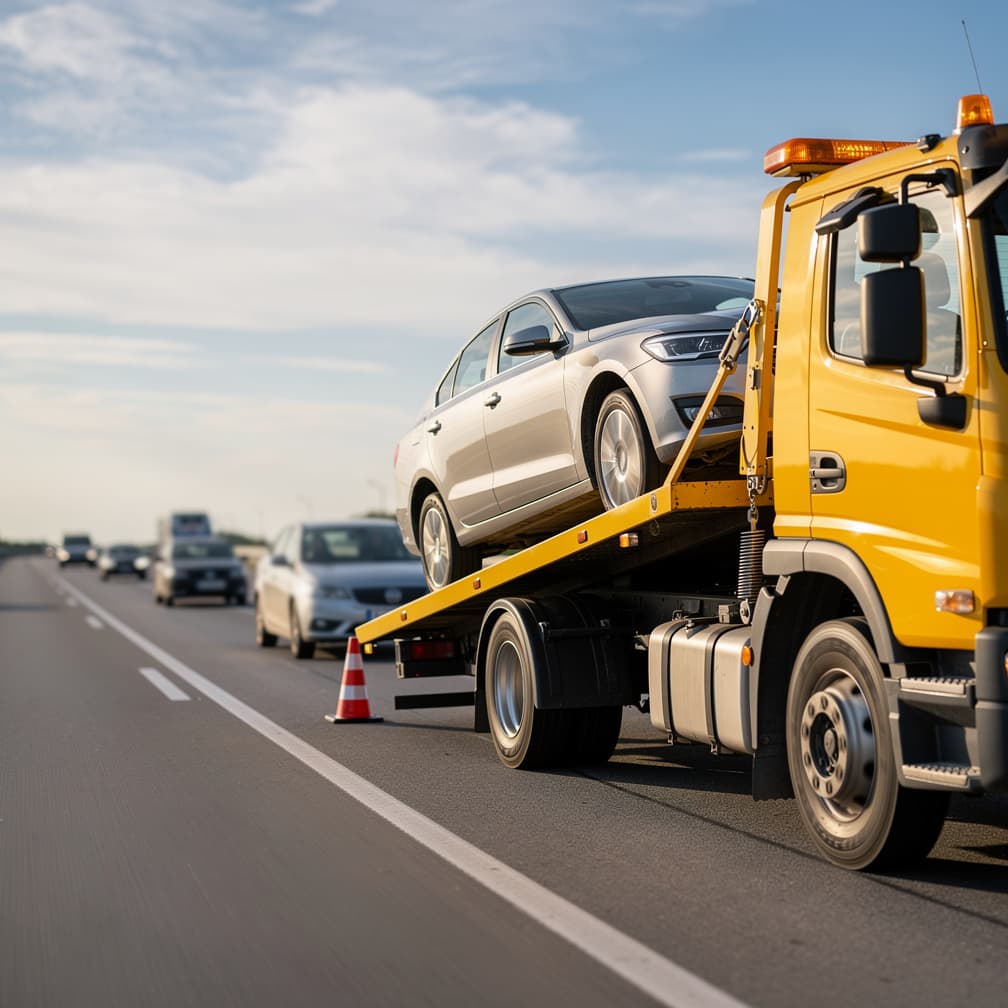
For many operators, the key issue is matching coverage terms to the way each unit is used. A flatbed handling dealer transfers and disabled vehicles from highway shoulders presents a different claim pattern than a wheel-lift unit working apartment complexes, private property impounds, and short urban relocations. If your schedule includes accident scenes, off-road winching, or recovery work after storms, ask where the on-hook exposure begins and ends during those handoffs. On-hook towing insurance can help cover damage to a customer's vehicle while it is attached to, loaded onto, carried by, or unloaded from your truck. If your policy only mentions transport and a customer claims the damage started during loading, vague wording can turn a defensible claim into a costly dispute.
You should also review whether your limit fits the priciest unit you are realistically willing to tow, not the average car on your route sheet. In a state where one truck may cover a wide territory, a single unit can end up moving everything from older sedans to newer pickups and commercial vans in the same week. If you subcontract, swap trucks, or use temporary drivers, bring that up before binding coverage.
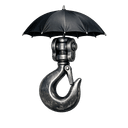
Collision on Hook
Covers damage to towed vehicles from collisions during transport.
Comprehensive on Hook
Covers theft, fire, and weather damage to vehicles being towed.
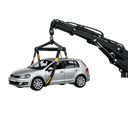
Loading & Unloading
Covers damage during the process of loading and unloading vehicles.
Winching Coverage
Covers damage to vehicles during winching and recovery operations.
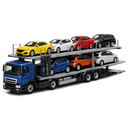
Multiple Vehicle
Covers all vehicles on multi-car carriers and rollback flatbeds.
On-Hook Towing Insurance Requirements in West Virginia
- West Virginia terrain can turn a routine hookup into a more technical tow, so loading, securement, and unloading procedures deserve close review before binding.
- Rural service areas often mean longer transport time between pickup and drop-off, which can increase the importance of clear condition photos and route documentation.
- If your company mixes impounds, roadside calls, and recovery work on the same trucks, ask for terms that are reviewed against that actual dispatch pattern.
- Weather-driven call spikes can push drivers into harder roadside conditions, so written rules for delaying or declining unsafe jobs can support cleaner underwriting.
How Much Does On-Hook Towing Insurance Cost in West Virginia?
The price of this coverage in West Virginia usually moves with exposure details that an underwriter can verify. Start with the vehicles you tow most often. A truck that mainly handles disabled passenger cars on short roadside calls is rated differently from one that regularly moves heavier pickups, work vans, or vehicles with existing damage that can make later disputes harder to sort out. Flatbeds, wheel-lifts, and units used for recovery work do not present the same loss profile.
Geography also affects the quote. If your routes include mountain grades, rural roads, long-distance tows between counties, or frequent after-hours dispatches, the chance of a complicated claim can look different than a tighter service area with mostly short urban relocations. The same is true if your operation takes police rotation calls, impounds, repossessions, or accident recovery jobs where the vehicle condition is already contested before the tow begins.
Underwriters also look at how defensible your operation is after a loss. Clear intake photos, dispatch records, driver training, securement procedures, and documented pre-tow condition reports can help support a cleaner submission. So can a stable loss history and a realistic limit selection tied to the priciest vehicles you accept. If you want a more usable quote, send a current vehicle schedule, service list, operating radius, and examples of the toughest jobs you actually take. That gives you a pricing discussion based on your real exposure, not a generic towing profile that misses how your business runs in West Virginia.
Request a Quote Comparison
Enter your ZIP code to compare on-hook towing insurance rates from top carriers.
Business insurance starting at $25/mo
Who Needs On-Hook Towing Insurance?
In West Virginia, this coverage may be worth attention from any towing operation that can be blamed for damage while a vehicle is attached to, loaded onto, carried by, or unloaded from your truck during the tow process. The obvious buyers are roadside towing companies, but the state-specific issue is how often operators here handle mixed work under one dispatch board. A business may do routine breakdown calls in the morning, a private property impound in the afternoon, and a recovery on a steep roadside after dark. That mix changes the exposure quickly.
You should review it if your company serves rural corridors where a single tow can involve longer transport time, limited shoulder space, or difficult recovery angles. The same applies if you work around apartment complexes, commercial lots, storage facilities, repair shops, auctions, or dealer accounts where customers and property owners expect clear documentation when a damage allegation appears. If your invoices say transport, recovery, roadside assistance, or vehicle relocation instead of towing, that does not remove the need to examine the on-hook exposure.
This also matters for operators expanding into heavier vehicles or specialty moves. Review it any time you add a truck, change service territory, hire a new driver, or sign a contract that requires proof of coverage. Those are the moments when a gap usually shows up, and they are easier to fix before the next dispatch than after a customer vehicle is damaged.
On-Hook Towing Insurance by City in West Virginia
On-Hook Towing Insurance rates and coverage options can vary across West Virginia. Select your city below for localized information:
How to Buy On-Hook Towing Insurance
Buying this coverage in West Virginia goes more smoothly when you present your operation the way an underwriter sees it in the field. Start by separating your work into real categories. Routine roadside tows, accident recovery, private property impounds, dealer or repair-shop transfers, repossessions, and longer-distance transports each carry different claim potential. Then note which truck handles each type of job. If one unit takes the harder calls, say so clearly instead of averaging everything together.
Next, build a submission that shows how claims are prevented and documented. Include your truck list, service area, driver roster, and the largest or most difficult vehicles you are willing to tow. Add your intake process for pre-existing damage, your photo procedure, and how drivers record securement before leaving the scene. In West Virginia, where terrain and weather can change the difficulty of a tow fast, those operational details help an underwriter understand why one account is more controlled than another.
Ask direct questions before you bind. Confirm how the policy treats loading and unloading disputes, whether recovery-style work changes the underwriting view, and how your chosen limit lines up with the top-tier vehicles you accept. If you use subcontractors or borrowed equipment, raise that early. You should also verify who regulates the policy form and complaint process in the state. The West Virginia Offices of the Insurance Commissioner is the state insurance regulator, so keep that reference with your policy records and review any state-specific notices before signing. Before you move forward, compare quotes line by line against your dispatch reality, not just the premium. Request a quote through CPK Insurance to compare your options with participating licensed providers.
How to Save on On-Hook Towing Insurance
The most reliable way to lower your long-term cost in West Virginia is to make your account easier to underwrite and easier to defend. Start with documentation that holds up when a customer says damage happened during the tow. Require time-stamped intake photos, note pre-existing damage in writing, and keep a consistent securement checklist for every truck. If your drivers handle mountain roads, narrow shoulders, or recovery calls in bad weather, document the procedure for when a job should be declined, delayed, or reassigned to a better-equipped unit.
You can also save by tightening the scope of work each truck performs. A unit used mainly for scheduled transports often presents a different underwriting picture than one taking every kind of call on the board. If possible, separate routine towing from higher-dispute work such as impounds, repossessions, or difficult recoveries. Cleaner job assignment can support a cleaner submission and reduce surprises at renewal.
Review your limit with discipline. Buying more than your operation needs can waste premium, but buying too little can leave you funding the difference on a high-value vehicle. Keep driver files current, address losses quickly, and remove units or services you no longer offer from the application. Savings usually come from better underwriting evidence, tighter operations, and fewer gray areas after a claim. Before renewal, audit a month of tow tickets and photo records to see whether your paperwork would actually defend the next disputed loss.
Our Recommendation for West Virginia
For West Virginia towing operators, the smartest buying move is to underwrite your own business before the carrier does. Pull recent dispatches and identify where claims would be hardest to defend. Steep roadside recoveries, long rural tows, after-hours impounds, and any job involving a vehicle that already had visible damage are the tasks that should shape your limit, documentation standards, and quote discussion.
Be careful with assumptions carried over from a prior policy year. If you added a flatbed, expanded into a new county, or started taking more pickups and commercial vans, your old setup may no longer match the exposure. Ask for a policy review whenever your service mix changes, not just at renewal. A cheap-looking quote can become expensive if the wording does not fit how your trucks are actually dispatched.
I also recommend testing your claim file process before you buy. Pick one recent tow and see whether your records show the vehicle condition at pickup, the securement method, the route, and the condition at drop-off. If that file would not persuade a skeptical customer, improve the process before shopping.
FAQ
Frequently Asked Questions
Operators handling rural tows should review it closely because longer routes, narrow roads, and remote pickups can make damage disputes harder to sort out. The right question is whether your limit and documentation process fit the toughest vehicles and routes you actually accept.
Quote comparisons work best when you line up service mix, truck type, limit, and documentation requirements side by side. Do not compare premium alone if one quote assumes routine roadside towing and another is being asked to contemplate impounds, recovery work, or longer rural transports. The differences between those submissions often explain why two premiums that look similar on the surface may not offer the same protection when a claim hits.
Terrain can affect underwriting because steep grades, uneven shoulders, and remote recovery points change how a vehicle is loaded, secured, and transported. If those jobs are part of your normal dispatch pattern, describe them clearly before binding so the quote reflects real operating conditions.
Insurance policies are regulated by the West Virginia Offices of the Insurance Commissioner. That agency handles state notices, form oversight, and complaint resolution if a dispute arises over your coverage.
Operators often should review the limit after adding a flatbed because that equipment can change the kinds of vehicles you are willing to move. If the new truck brings in newer pickups, vans, or dealer transfers, your prior limit may no longer match the exposure.
Impound and recovery work can change the underwriting picture because those jobs often involve pre-existing damage, contested vehicle condition, or more difficult loading circumstances. Tell the underwriter if those calls are regular, not occasional, so the quote is built around your actual operation.
Buyers should prepare a truck schedule, service list, driver roster, operating territory, and sample photo documentation before requesting terms. That submission gives the underwriter a clearer view of your exposure and helps you compare quotes based on how your business really runs.
On-hook towing insurance may cover damage to a customer vehicle while it is being loaded, attached, carried, winched, or unloaded by your tow truck, depending on the policy terms. Buyers should review collision, fire, theft, weather, and loading-related damage carefully.
Sources
- 1.West Virginia Offices of the Insurance Commissioner(The West Virginia Offices of the Insurance Commissioner is the state insurance regulator.)
Updated July 16, 2026