Updated July 16, 2026

Key Takeaways
- Review your construction contract before requesting a quote, so the named insureds and insurance responsibility match the job documents.
- Prepare the project budget, timeline, address, and scope summary before applying, so the quote reflects the work actually being built.
- Check whether the policy addresses on-site materials, transit, temporary structures, and soft costs before the first delivery arrives.
- Compare the policy term against your realistic completion schedule, then ask about extension options before the original term gets close to expiring.
- Map builders risk against your liability, installation, and equipment policies, so you avoid both coverage gaps and overlapping property insurance.
Builders Risk Insurance in Wisconsin
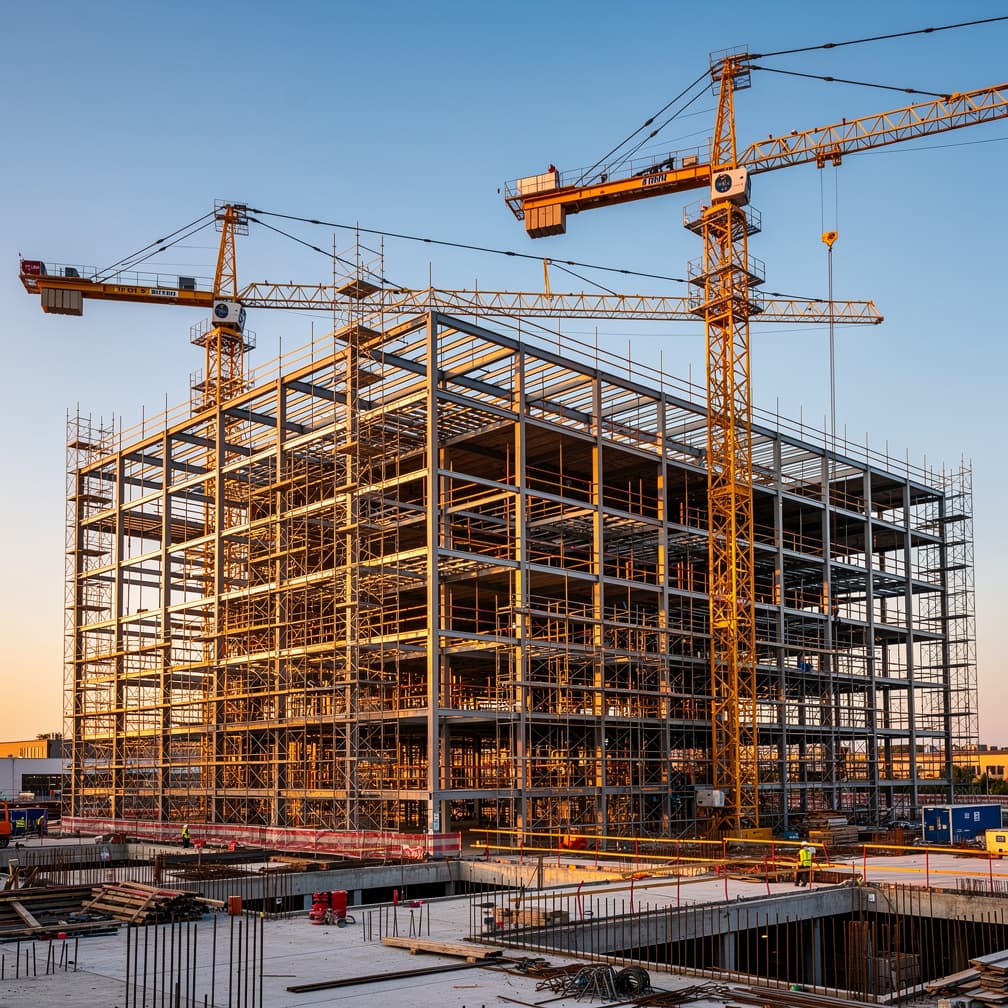
Your standard property policy was not built for a structure that is still being framed, enclosed, staged, and financed. In most cases, you should review a dedicated form for a Wisconsin build. Builders risk insurance matters most when your job schedule runs through freeze-thaw conditions, materials sit before installation, or a lender, owner, or general contractor expects evidence of coverage before funds move or work starts. The real question is who carries the risk while the structure is unfinished, what property has to be scheduled, where materials are stored, and how the policy should end when the job is complete or occupied.
Projects also need a clean review of weather exposure, site security, temporary heating, water intrusion controls, and any renovation work where an existing structure stays in service during construction. Before you request terms, line up the contract, project budget, construction timeline, site address, and the list of parties that may need to be named so the quote matches the job you are actually building.
What Builders Risk Insurance Covers
On a project, the useful coverage discussion starts with the build sequence, not a generic checklist. You want to review what is on site in each phase, what arrives early, what is installed quickly, and what could be damaged by moisture, wind, theft, or a loss during temporary vacancy.
For new construction, ask how the form treats materials after delivery, while stored in a locked structure, and while waiting for installation. If your project depends on custom millwork, cabinets, fixtures, or long-lead items, confirm whether they need to be specifically described so there is no dispute later about what was intended to be part of the covered work. If materials are stored off-site, review that separately instead of assuming it follows automatically.
For renovations, the key issue is often the line between the original structure and newly installed materials. If you are remodeling an occupied building, adding onto a commercial structure, or converting space while operations continue, ask where the form stops and where the permanent property policy needs to respond. That is especially important if water damage, temporary openings, or partial occupancy could affect both old and new portions of the building.
You should also review soft cost needs only if they are real to your project. A financed build, a tenant improvement with a delivery deadline, or a seasonal opening can justify a closer look at delay-related exposures. If the project uses temporary structures, scaffolding, fencing, or site trailers, ask whether those items belong under this policy or another line so there are no gaps created by assumption.

Structure Coverage
Covers the building or structure under construction.

Materials on Site
Covers building materials stored at the construction site.

Materials in Transit
Covers materials being transported to the job site.
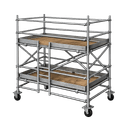
Temporary Structures
Covers scaffolding, fencing, and temporary buildings.

Soft Costs
Covers additional expenses from construction delays due to covered losses.

Equipment Coverage
Covers permanently installed fixtures and equipment.
Builders Risk Insurance Requirements in Wisconsin
- Jobs that span cold weather should document temporary heat, freeze protection, and interior material storage before binding, because those operational details can affect terms and claim handling.
- Renovation projects often need a clearer division between the original structure and newly installed work, especially when part of the building remains occupied during construction.
- If your project uses phased turnover or early occupancy, review the policy end trigger carefully so your coverage may continue through punch list work.
- Projects with custom components or long-lead materials should identify where those items are stored and when title or risk of loss shifts under the contract.
How Much Does Builders Risk Insurance Cost in Wisconsin?
Pricing is usually shaped by the project itself, so the quote process works best when your values are clean and your timeline is realistic. Underwriters typically look first at the completed value, construction type, job duration, and whether the work is new construction, an addition, or a renovation inside an existing structure. If those basics are vague, the quote often slows down or comes back with tighter terms.
Operational details drive the rest of the cost. A project with materials delivered in stages can underwrite differently from one that stores a large share of the budget on site early. A build with strong fencing, lighting, lockup procedures, and documented water controls may present differently from a site with open access, temporary doors, or long periods between trades. If you are using temporary heat during cold weather, disclose it up front, because underwriters usually want to understand how the site is monitored and protected.
State weather also affects how you should think about cost, even when the policy is written for a fixed term rather than a monthly premium. If your schedule runs through snow, ice, spring thaw, or heavy rain periods, the carrier may focus more closely on enclosure timing, roof dry-in plans, drainage, and interior material storage. That does not automatically make the policy expensive, but it does mean the quote should reflect the actual build calendar.
The cleanest way to control price is to avoid overstating values, understating duration, or leaving key facts unresolved. Send the contract value, project description, site address, start date, expected completion date, construction type, security details, and any lender insurance requirements together. A complete submission usually gives you a more usable quote than trying to patch missing details after terms are issued.
Request a Quote Comparison
Enter your ZIP code to compare builders risk insurance rates from top carriers.
Business insurance starting at $25/mo
Who Needs Builders Risk Insurance?
The buyer is usually the party the contract makes responsible for insuring the work in progress, but that should be verified before anyone assumes another party has handled it. On some jobs, the owner purchases the policy because the project value sits on the owner's balance sheet and the lender wants direct evidence of coverage. On others, the general contractor arranges it to keep the insurance requirement centralized across the build.
Developers should review it early when financing, phased draws, and delivery deadlines are tied to construction milestones. A loss before completion can interrupt the schedule, delay inspections, and complicate payment requests, so the policy structure needs to match how the project is funded and who needs to be named. If multiple entities are involved, sort that out before binding instead of trying to amend the policy after a certificate request arrives.
General contractors often need to review it when the contract shifts responsibility for the project to them until substantial completion. That is common on ground-up work, shell construction, and larger additions where materials, partially completed work, and site security all move through the contractor's control. If subcontractors are furnishing major components, make sure the policy approach matches the contract language around risk of loss.
Owner builders should not assume a standard homeowners policy solves the issue during construction. If you are building a custom home, acting as your own general contractor, or taking on a major renovation, ask how the unfinished structure, delivered materials, and any change in occupancy are treated while work is underway. The Wisconsin Office of the Commissioner of Insurance regulates insurance in the state, which helps ensure the insurer is legally authorized to operate and backed by a state guaranty fund if they fail. You can use their online license lookup tool to verify the entity you are dealing with before you bind, send payment, or rely on policy documents.
Builders Risk Insurance by City in Wisconsin
Builders Risk Insurance rates and coverage options can vary across Wisconsin. Select your city below for localized information:
How to Buy Builders Risk Insurance
Buying builders risk correctly starts with matching the policy to the contract and the job schedule. Pull the construction agreement, lender requirements, project budget, and timeline into one file before you request terms. That lets you confirm who must insure the work, which entities need to be named, whether the policy should be written in the owner's name or the contractor's, and what value basis the contract expects.
Next, build a submission that answers the questions an underwriter will ask anyway. Include the site address, project description, new construction or renovation status, completed value, start date, expected completion date, construction type, security controls, and whether materials will be stored off-site or delivered long before installation. If the project includes temporary heat, partial occupancy, or phased turnover, say so early. Those details often affect terms more than buyers expect.
For renovations, send a short explanation of what stays in service during the work. If tenants remain in place, operations continue, or only part of the structure is being rebuilt, the underwriter needs that context to separate existing property issues from the course of construction exposure. A vague renovation description is one of the fastest ways to get follow-up questions instead of a bindable quote.
Before you bind, review the policy end triggers carefully. The coverage often ends at completion, acceptance, occupancy, or when the owner's interest shifts to permanent property coverage. If your project could reach one of those milestones before punch list work is done, ask how the transition should be handled so there is no gap. Finally, compare quotes on terms, not just price. Check named insureds, covered property definitions, storage treatment, deductible structure, extension options, and any conditions tied to vacancy, security, or weather protection.
How to Save on Builders Risk Insurance
The strongest way to save on builders risk is to make the project easier to understand and less likely to produce a preventable claim. Start with a precise completed value and a realistic completion date. If you compress the timeline on paper to chase a lower price, you can create extension problems later, which often costs more than getting the term right at the start.
You can also improve pricing by tightening site controls before the quote goes out. Document fencing, lighting, lockup procedures, camera use, key control, and who checks the site after hours. If water damage is a meaningful concern, explain your shutoff procedures, temporary plumbing controls, and how the building will be protected before it is fully enclosed. Underwriters usually respond better to a specific loss prevention plan than to a general statement that the site is secure.
For cold weather work, describe how temporary heat is managed, how combustible materials are separated, and how the structure is monitored during freeze conditions. If the project schedule avoids leaving finish materials in an unconditioned building for long periods, say that too.
Another practical savings move is to separate what belongs on builders risk from what belongs elsewhere. If site trailers, temporary structures, or liability exposures are being handled under other policies, keep the submission clean so the quote focuses on the property under construction. Blended or unclear requests can lead to broader assumptions and less efficient pricing. Finally, ask for the deductible options that fit your cash flow and risk tolerance. A higher deductible can lower premium, but only if you can absorb it without disrupting the job after a loss. Compare that tradeoff before binding, and make sure every party relying on the policy understands the deductible responsibility in writing.
Our Recommendation for Wisconsin
For your project, focus your review on timing, storage, and transition points. Weather can change the exposure quickly, so ask how the policy treats materials delivered before the building is enclosed, what protections are expected during freeze conditions, and whether interior finishes will be exposed to moisture if the schedule slips.
If you are renovating rather than building from the ground up, spend extra time on the boundary between the original structure and newly installed work. That is where buyers often assume coverage is broader than it is. A short written summary of what part of the structure remains occupied, what systems stay live, and what property belongs to tenants or the owner can prevent a bad assumption at claim time.
Do not wait until closing or the first draw request to sort out named insureds and lender expectations. Projects move more smoothly when the owner, contractor, and lender all review the same insurance requirement before the policy is bound. That is also the right time to confirm whether off-site storage, temporary heat, phased occupancy, or delayed completion need special attention. When you are ready, send the contract, budget, timeline, site address, and a plain-language project description together.
FAQ
Frequently Asked Questions
Buyers can start with the Wisconsin Office of the Commissioner of Insurance, which regulates insurance in the state. This helps ensure the insurer is legally authorized to operate and backed by a state guaranty fund if they fail. Verify the entity name before you bind coverage, send payment, or rely on certificates for a construction closing or lender file.
Winter work can change the underwriting conversation because temporary heat, freeze protection, enclosure timing, and interior material storage become more important. Send those details with the initial submission so the quote reflects how the job will actually be managed.
Owners should check where the policy draws the line between the original structure and newly installed work, especially if the building stays occupied. Also confirm who is responsible under the contract and whether any lender or lease requirements need named parties.
Owner builders can often review builders risk options, but the quote depends on the project details, construction experience, contract structure, and who is performing the work. Prepare a clear scope, timeline, value, and site security plan before requesting terms.
Construction loan files often work more smoothly when the policy matches the loan requirements on named insureds, value basis, and evidence of coverage. Compare the insurance clause to the quote before closing so funding is not delayed by corrections.
Projects should address off-site materials directly instead of assuming they are automatically covered. If custom items or long-lead components are stored away from the job site, disclose that early and ask how they need to be scheduled.
Submissions often slow down when the completed value, construction type, timeline, or renovation scope is unclear. Missing information about temporary heat, occupancy during construction, or storage arrangements can also lead to follow-up questions instead of bindable terms.
Builders risk insurance may cover, subject to policy terms, the structure under construction, materials on site, materials in transit, temporary structures, and fixtures or equipment being installed. Depending on the policy, you can also review soft costs and delay-related coverage tied to a covered property loss.
Sources
- 1.Wisconsin Office of the Commissioner of Insurance(The Wisconsin Office of the Commissioner of Insurance regulates insurance in the state.)
Updated July 16, 2026