Updated July 16, 2026

Key Takeaways
- List every towing and transport service you perform before requesting quotes, so loading, unloading, winching, and recovery exposures are reviewed correctly.
- Compare the on-hook limit, deductible, valuation method, and exclusions side by side instead of choosing a policy on premium alone.
- Ask in writing whether your policy addresses the specific vehicles you tow most often, especially specialty, modified, low-clearance, or higher-value units.
- Use pre-tow photos, condition notes, and signed release procedures on every job to reduce disputes and support claims handling.
- Review on-hook coverage together with auto liability and any garagekeepers coverage before renewal to catch gaps between transport and storage.
On-Hook Towing Insurance in Wisconsin
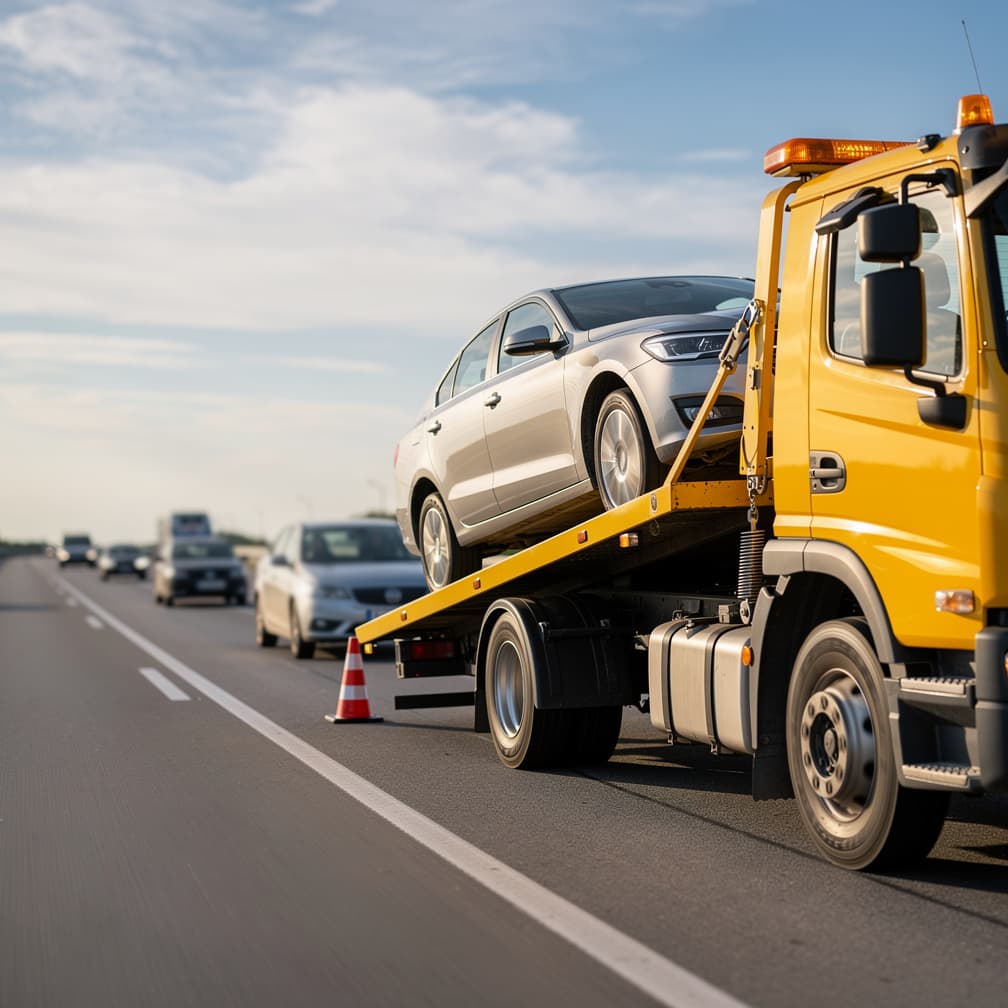
You might assume on hook towing insurance works the same in Wisconsin as it does anywhere else, but a Wisconsin-specific review is usually worth your time. Weather, road conditions, and the specific blend of roadside, recovery, and impound work you handle can shift how an underwriter views your risk. When your operation changes with the season, a routine call can turn into something more complicated. A tow that starts as a simple roadside assist can become a winch-out on a slick shoulder, a longer loaded trip in poor visibility, or a storage handoff after law enforcement gets involved. Those details affect what you should ask about limits, deductibles, territory, and how your policy responds while a vehicle is in your care.
If you are comparing quotes, bring a current unit list, your service radius, the types of vehicles you move, and any contracts that require proof of coverage. That gives you a cleaner quote review and helps you spot gaps before a damaged customer vehicle turns into a dispute over who pays. Your winter dispatch mix shapes your risk profile more than any generic towing label.
What On-Hook Towing Insurance Covers
In Wisconsin, the useful question is not whether this coverage exists but where your actual loss points show up during a normal week. For many towing businesses, that means looking closely at winter roadside calls, ditch recoveries, parking structure clearances, tight urban hook-ups, and handoffs between tow, storage, and release. Each of those moments can change how damage happens and how a claim is argued.
Ask your quote reviewer to walk through your equipment and service mix in plain operating terms. A flatbed handling dealer transfers may need a different conversation than a wheel-lift unit taking police-directed impounds, and a heavy unit doing recovery work raises different concerns than a light-duty truck focused on short local tows. Review the policy around how vehicles are secured, how often you winch, whether you tow all wheel drive units, whether low-clearance vehicles are common, and whether you move disabled commercial vehicles.
Ice, snow, reduced visibility, and soft shoulders can turn a simple loading job into a question about slide, contact, undercarriage damage, or shifting during transport. That is why it helps to review not only the limit but also the deductible you can realistically absorb, the territory where calls happen, and any exclusions that matter for recovery, impound, or specialty vehicles. Before binding, ask for claim examples tied to your actual dispatch patterns. A good outcome looks like a policy that may help cover a scratched bumper during a tight impound extraction, while a bad outcome is discovering too late that your endorsement excludes ditch recoveries in winter conditions, leaving you to pay for a cracked oil pan out of pocket.
Collision on Hook
Covers damage to towed vehicles from collisions during transport.
Comprehensive on Hook
Covers theft, fire, and weather damage to vehicles being towed.
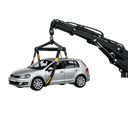
Loading & Unloading
Covers damage during the process of loading and unloading vehicles.
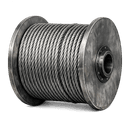
Winching Coverage
Covers damage to vehicles during winching and recovery operations.
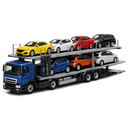
Multiple Vehicle
Covers all vehicles on multi-car carriers and rollback flatbeds.
On-Hook Towing Insurance Requirements in Wisconsin
- Wisconsin winter conditions can change a routine tow into a slide, shift, or undercarriage damage claim, so review deductibles and documentation procedures before the season turns.
- If your routes include rural shoulders, ditches, or steep driveways, ask how your common recovery scenarios are treated before you bind coverage.
- Police-directed impounds and after-hours releases can create condition disputes, so align your tow tickets, photos, and handoff records with the policy you buy.
- A mixed fleet of flatbeds, wheel-lifts, and recovery units should be scheduled accurately, because each towing method can present a different on-hook loss profile.
How Much Does On-Hook Towing Insurance Cost in Wisconsin?
For towing operators in Wisconsin, the price discussion works best when it starts with exposure, not a generic average. An underwriter usually wants to know what kinds of vehicles you tow, how often you handle emergency roadside work, whether you do recovery or impounds, how far your trucks travel, and how often a loaded vehicle is moved in snow, ice, or low-visibility conditions. Those details shape the quote more than a broad label like towing.
A flatbed used for planned transport can be rated differently from a wheel-lift unit taking frequent roadside calls, because the loading method, trip type, and chance of contact damage are not the same. Heavy-duty recovery, winching, and specialty vehicle moves can also push the review in a different direction because a single loss can become more expensive to repair and harder to document after the fact.
Wisconsin operating patterns can also affect cost through territory and seasonality. If your dispatches include rural highways, lake-effect snow corridors, steep driveways, or urban impound work with tight access, tell the reviewer that up front. Explain the exposure before the quote is built so the policy assumptions match your real routes or call types. You should also expect the quote to reflect your chosen limit, deductible, claims history, driver experience, and how consistently you document pre-tow condition.
If you want a meaningful comparison, request the same limit structure across quotes, confirm how each option treats your common tow scenarios, and ask what operational changes would make your account easier to underwrite at renewal.
Request a Quote Comparison
Enter your ZIP code to compare on-hook towing insurance rates from top carriers.
Business insurance starting at $25/mo
Who Needs On-Hook Towing Insurance?
In Wisconsin, this coverage deserves a close look if your business takes possession of customer vehicles in situations where road conditions, recovery conditions, or handoff procedures can increase the chance of a damage dispute. That includes operators doing routine roadside towing, but it also reaches businesses whose exposure grows during winter weather, after-hours impounds, and recovery work off paved surfaces.
You likely need a quote review if your trucks respond to police calls, private property impounds, dealer transfers, auction moves, repossessions, or seasonal roadside assistance contracts. Once a vehicle is in your care, a scratch, slide, shift, or undercarriage impact can become your problem to defend. In Wisconsin, that risk often gets sharper when snowbanks narrow access, ice changes braking distance, or a disabled vehicle must be recovered from a ditch or shoulder before it can be transported.
This also matters if your operation is more varied than your website suggests. Some repair shops, salvage operators, roadside assistance vendors, and transport businesses occasionally tow customer vehicles even though towing is not the headline service. If that is your setup, do not assume a general business policy may address the same claim questions as on-hook coverage. If several recent calls involved winching, low-clearance loading, all wheel drive handling, storage transfer, or poor weather, you have enough operational complexity to justify a Wisconsin-specific quote review before the next certificate request or contract renewal.
On-Hook Towing Insurance by City in Wisconsin
On-Hook Towing Insurance rates and coverage options can vary across Wisconsin. Select your city below for localized information:
How to Buy On-Hook Towing Insurance
To buy this coverage well in Wisconsin, start by organizing the parts of your operation that an underwriter cannot see from a basic application. Build a current schedule of every truck, the towing method each unit uses, the heaviest and most unusual vehicles you move, and the counties or service areas where calls actually happen. Then separate your work by type: roadside towing, recovery, impounds, dealer transport, repossessions, and any municipal or law-enforcement-directed work.
Next, gather the documents that prove how you operate. That usually includes driver lists, loss runs, sample invoices, dispatch records, tow tickets, storage agreements if they affect handoff, and any contracts that require proof of insurance. If your operation changes in winter, note that clearly. A carrier reviewing Wisconsin towing risk needs to understand whether snow and ice simply slow routine tows or whether they materially increase ditch pulls, winching, and after-hours recovery.
You should also prepare a short explanation of your damage-control process. Include how drivers photograph vehicles before hookup, how they note pre-existing damage, how they document wheel securement or tie-down points, and how they handle low-clearance or all wheel drive units. An underwriter can see from those details that your account is disciplined, not improvised. Before you choose a policy, ask where each option may respond differently for your common Wisconsin call types.
Keep policy forms, endorsements, and certificates organized and review them carefully before work starts under a new contract.
How to Save on On-Hook Towing Insurance
Underwriters and claims teams both look for the same thing: a towing operation that can show what condition the vehicle was in, how it was secured, where it was moved, and what happened if damage is later alleged. If your documentation is thin, even a defensible claim can become expensive to sort out.
Start with dispatch discipline. Use tow tickets that capture pickup location, destination, vehicle condition, special handling issues, and whether the job involved winching, recovery, or a nonstandard hookup. Pair that with time-stamped photos before loading, after securement, and at delivery. In Wisconsin winter conditions, those images matter because snow, slush, and low visibility can make a later damage allegation harder to reconstruct.
Next, tighten the operational issues that commonly drive losses. Review driver training for low-clearance loading, all wheel drive handling, wheel-lift limitations, bed angle control, and post-recovery inspection before transport. If certain jobs create repeated close calls, such as ditch pulls on icy shoulders or tight impound extractions, document the procedure you expect and retrain to it. You can also save by making your quote more accurate, so keep your unit schedule current, remove sold equipment promptly, and describe your real service mix instead of the broadest possible version of it.
Ask for deductible options you can actually absorb, because choosing a structure that fits your cash flow can matter more than chasing a lower premium on paper.
Our Recommendation for Wisconsin
A clean dealer transfer on a dry day tells you very little about how your policy may respond after a snowy shoulder recovery, a low-clearance load in slush, or an impound release dispute where vehicle condition is questioned after the fact. Ask for a quote review built around three things: your most common tow method, your most expensive vehicle type, and your worst seasonal conditions. If those three do not fit the policy assumptions, the quote may look fine until a real loss tests it.
Keep your underwriting file practical by including current truck schedules, driver lists, service territory, sample tow tickets, and photos that show how your team documents pre-tow condition. That gives you a stronger record if a customer disputes when damage occurred. Finally, do not wait for a contract request to review limits. If your work now includes more recovery, more impounds, or more specialty vehicles than it did last term, update the policy before the busy season starts and confirm the certificate matches the work you are actually taking.
FAQ
Frequently Asked Questions
If you move customer vehicles in roadside, recovery, or impound situations where damage can be alleged during the tow, this coverage deserves close attention. Review policy terms and endorsements before you rely on a certificate for new work.
Winter roads can increase the chance of slide, shift, loading, and visibility-related disputes, so your quote should reflect how often your drivers tow in snow, ice, and recovery conditions. Review deductibles, limits, and documentation procedures before renewal.
Flatbeds and wheel-lifts present different claim patterns because the loading method, trip type, and vehicle mix are not the same. Compare quotes using your actual dispatch mix, not a broad towing description, before choosing limits.
Bring a current truck schedule, driver list, loss runs, service territory, and a breakdown of roadside, recovery, impound, and transport work. Sample tow tickets and photos can make the quote review more precise.
Impound and police-directed tow work can change the underwriting conversation because after-hours pickups, condition disputes, and storage handoffs may create different claim questions than scheduled transport. Tell the reviewer about those jobs before the quote is built.
Towing businesses usually save more by improving documentation and operational consistency than by cutting limits blindly. Strong pre-tow photos, accurate tow tickets, current unit schedules, and clear driver procedures can make the account easier to underwrite and defend.
The Wisconsin Office of the Commissioner of Insurance regulates insurance in the state. If you have a dispute over a claim or policy form, that office can provide guidance on your options.
On-hook towing insurance may cover damage to a customer vehicle while it is being loaded, attached, carried, winched, or unloaded by your tow truck, depending on the policy terms. Buyers should review collision, fire, theft, weather, and loading-related damage carefully.
Sources
- 1.Wisconsin Office of the Commissioner of Insurance(Wisconsin insurance is regulated by the Wisconsin Office of the Commissioner of Insurance.)
Updated July 16, 2026