Updated July 16, 2026

Builders Risk Insurance in Casper
Contractor traffic stands out on local job sites. A builders risk policy in Casper often needs tighter attention to who comes and goes from the site, where materials sit between deliveries, and how quickly a small job can involve several trades. Natrona County has 2,999 business establishments, with construction accounting for 11.1% of them, so you are frequently sharing the road with other crews hauling to nearby jobs. That density means even modest residential and light commercial projects can involve more subcontractor handoffs, supplier stops, and temporary storage than the plans alone show. If your build includes owner-furnished materials, off-site storage, or phased work by separate crews, spell that out before you bind coverage. A carrier reviewing a straightforward custom home, tenant finish, or small commercial renovation here will usually want the project description to match the real job flow, not just the contract sum. Line up the named insureds, lender requirements, and responsibility for materials already delivered but not yet installed before the first draw, not after a loss. Most coverage disputes on local projects trace back to details like these that were left vague at application time.
Builders Risk Insurance Risk Factors in Casper
Casper's top risk factors include Severe weather, Property crime, Flooding, and Vehicle accidents.
Wyoming has a moderate climate risk rating. Top hazards: Severe Storm (High), Wildfire (High), Winter Storm (High), Tornado (Moderate). The state's expected annual loss from natural hazards is $160M, which influences builders risk insurance premiums and may affect coverage availability in high-risk areas.
What Builders Risk Insurance Covers
In Wyoming, the practical coverage review often turns on where property sits before it is installed and how exposed the project remains between trades. That matters on jobs where framing packages, roofing materials, mechanical equipment, or finish items arrive early and stay on site while crews wait on weather, access, or sequencing. If your project depends on stored materials, ask specifically how the policy treats property at each stage of the job. Do not assume those categories are handled the same way.
You should also review how the policy treats temporary structures, fencing, scaffolding, and site security equipment if those items are part of how the job is being protected. On a Wyoming build with wide-open exposure, distance from suppliers, or limited nearby supervision, those details can affect whether the policy fits the way the work is actually being staged. Renovation work deserves a separate review if the project involves tying new work into an existing structure, protecting owner-supplied materials, or phasing occupancy while construction continues.
The state regulator is the Wyoming Department of Insurance, which can help with consumer questions, complaint resolution, and verifying carrier licensing. If you are comparing forms, endorsements, or carrier filings and something is unclear, you can contact them directly to confirm whether a carrier is licensed in the state or to file a complaint about claim handling. For buying purposes, the more useful step is to request a line-by-line review of what property is included, what causes of loss are being considered, and what exclusions or sublimits could matter before materials start arriving.
Coverage Included

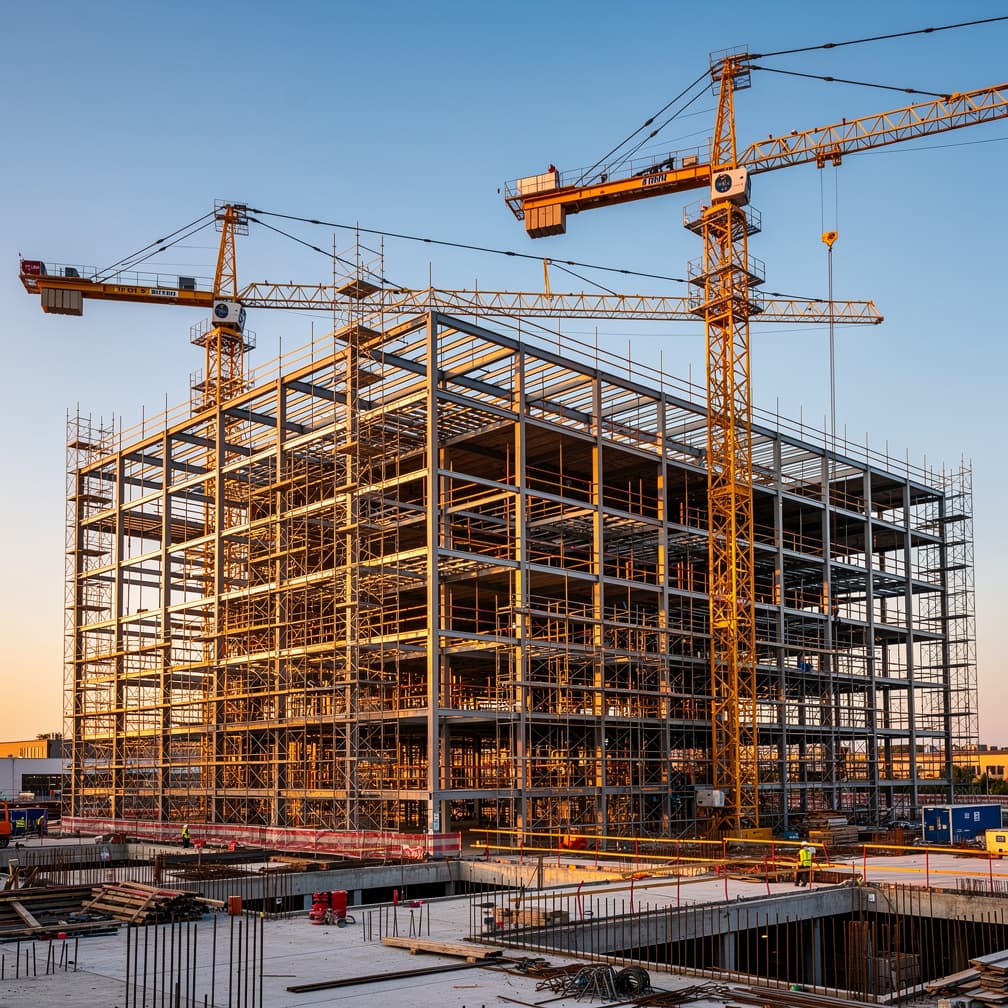
Structure Coverage
Covers the building or structure under construction.
Materials on Site
Covers building materials stored at the construction site.

Materials in Transit
Covers materials being transported to the job site.
Temporary Structures
Covers scaffolding, fencing, and temporary buildings.

Soft Costs
Covers additional expenses from construction delays due to covered losses.
Equipment Coverage
Covers permanently installed fixtures and equipment.
Industries & Insurance Needs in Casper
Natrona County's business mix changes the builders risk conversation because the work pipeline is not just new homes. County Business Patterns shows retail trade at 11.6% of establishments, construction at 11.1%, and health care and social assistance at 11%, so local projects often include storefront build-outs, office renovations, clinic improvements, and contractor-driven residential work alongside ground-up construction. That matters for coverage review because occupancy type, renovation scope, and the value of materials waiting for installation can change faster on a tenant improvement or phased remodel than on a clean new build. If your project touches an operating business, ask for the policy terms on existing structure, soft costs, delay-related exposures, and theft-sensitive materials. If it is a lender-backed residential build, make sure the completed value and draw schedule still fit the current budget before work starts.
What Makes Casper Different
Contractor density drives the practical issues on Casper builds. In a market anchored by 2,999 county business establishments, with construction representing 11.1% of them, the practical issue is often coordination risk rather than just the structure itself. More trades, more supplier pickups, and more partial deliveries can mean more moments when materials are on site but not installed, or when responsibility shifts from owner to general contractor to subcontractor. When you spell out those handoffs before binding, the underwriter sees the job you actually have instead of a generic template. On a local project, that means reviewing who buys major materials, whether anything is stored off site, who controls site security after hours, and whether the job is ground-up, remodel, or phased tenant work. If those details stay vague, the policy may still be issued, but the harder questions tend to arrive after a loss. A schedule of values and construction timeline that reflect the real job flow give underwriters something concrete to work with.
Our Recommendation for Casper
Start with the budget, then map every point where responsibility shifts from one party to another. Casper's median home value is $250,700, so a residential build or major remodel can reach a value where underreporting completed value or materials on site creates a meaningful gap if a loss hits mid-project. If you are building a home, compare the contract price, change orders, owner-supplied items, and lender expectations before requesting terms. For commercial work, separate new construction from interior renovation and identify any existing structure exposure. Casper's median household income is $69,171, so your clients may push back on anything that looks like padding in the bid. It is worth testing whether a higher deductible, a tighter soft-cost request, or a shorter policy term meaningfully lowers the premium without leaving you exposed on the items that matter most. Before binding, review how your policy treats theft-prone materials, temporary storage, and the point at which subcontracted work becomes your financial responsibility.
Get Builders Risk Insurance in Casper
Enter your ZIP code to compare builders risk insurance rates from carriers in Casper, WY.
Business insurance starting at $25/mo
FAQ
Frequently Asked Questions
Casper projects usually need a clearer description of material handling and trade coordination. In Natrona County, there are 2,999 business establishments, so even a small job here can pull in multiple vendors and subcontractors who each handle your materials at different stages. List storage locations, delivery timing, and who is responsible for installed and uninstalled materials.
Casper residential projects should use a completed value that matches the real rebuild budget, not just an early estimate. With a median home value of $250,700, it is worth reconciling contract price, upgrades, and owner-furnished materials before you request terms.
Casper remodels often need closer review because work may happen inside an operating business or an existing structure. Natrona County's establishment mix includes retail trade at 11.6% and health care and social assistance at 11%, so your renovation may have to work around a store or clinic that cannot fully shut down. Spell out renovation scope and existing-property exposure early.
Casper custom home jobs should identify owner-supplied cabinets, fixtures, appliances, or specialty finishes before coverage is bound. If those items are delivered early, stored elsewhere, or installed by separate trades, ask how the policy treats each stage of that handoff.
Casper loan-backed projects should confirm named insureds, completed value, and the lender's insurance conditions before the first draw. If the build budget has changed since underwriting started, update the application so the policy still matches the financial risk on the job.
Projects here often need a realistic completion timeline because weather-related delays can leave work and materials exposed longer than planned. Ask how the policy term is set, what happens if the schedule slips, and whether an extension can be reviewed before the original expiration date.
Yes, owner-builders can get coverage, but the quote usually depends on the project scope, budget, construction experience, and who is performing the work. Bring the contract, timeline, and material storage plan so the submission reflects the actual build.
Remote-site quotes go better when you explain site checks, security, delivery timing, temporary storage, and how quickly damaged materials could be replaced.
Sources
- 1.U.S. Census Bureau, County Business Patterns, Natrona County(Natrona County has 2,999 business establishments.; In Natrona County, construction accounts for 11.1% of business establishments.; Natrona County's leading sectors by establishment share include retail trade at 11.6% and health care and social assistance at 11%.)
- 2.U.S. Census Bureau, ACS 5-Year Estimates, table B25077(Casper's median home value is $250,700.)
- 3.U.S. Census Bureau, ACS 5-Year Estimates, table B19013(Casper's median household income is $69,171.)
Updated July 16, 2026