Updated July 16, 2026

Key Takeaways
- Review your construction contract before requesting a quote, so the named insureds and insurance responsibility match the job documents.
- Prepare the project budget, timeline, address, and scope summary before applying, so the quote reflects the work actually being built.
- Check whether the policy addresses on-site materials, transit, temporary structures, and soft costs before the first delivery arrives.
- Compare the policy term against your realistic completion schedule, then ask about extension options before the original term gets close to expiring.
- Map builders risk against your liability, installation, and equipment policies, so you avoid both coverage gaps and overlapping property insurance.
Builders Risk Insurance in Wyoming
Wind and weather exposure usually move builders risk pricing the most on a Wyoming job. A partially enclosed structure, staged materials, and a long build schedule can all stay exposed to loss longer than the plans suggest. Shopping for this coverage in Wyoming starts with a sharper project description, not a rushed application. You want the quote to match where the site sits, how materials are stored, when the shell will be dried in, and whether the work pauses for weather or access.
A carrier looking at a custom home outside town, a ranch outbuilding, or a commercial project with open-site storage is trying to understand the same thing you are. They want to know how much property is at risk, for how long, and under what site controls. If your contract pushes insurance responsibility onto the owner, general contractor, or developer, review that language before you ask for terms. Then line up the construction budget, timeline, and named insureds so the policy can be reviewed against the actual job instead of a generic build.
What Builders Risk Insurance Covers
In Wyoming, the practical coverage review often turns on where property sits before it is installed and how exposed the project remains between trades. That matters on jobs where framing packages, roofing materials, mechanical equipment, or finish items arrive early and stay on site while crews wait on weather, access, or sequencing. If your project depends on stored materials, ask specifically how the policy treats property at each stage of the job. Do not assume those categories are handled the same way.
You should also review how the policy treats temporary structures, fencing, scaffolding, and site security equipment if those items are part of how the job is being protected. On a Wyoming build with wide-open exposure, distance from suppliers, or limited nearby supervision, those details can affect whether the policy fits the way the work is actually being staged. Renovation work deserves a separate review if the project involves tying new work into an existing structure, protecting owner-supplied materials, or phasing occupancy while construction continues.
The state regulator is the Wyoming Department of Insurance, which can help with consumer questions, complaint resolution, and verifying carrier licensing. If you are comparing forms, endorsements, or carrier filings and something is unclear, you can contact them directly to confirm whether a carrier is licensed in the state or to file a complaint about claim handling. For buying purposes, the more useful step is to request a line-by-line review of what property is included, what causes of loss are being considered, and what exclusions or sublimits could matter before materials start arriving.

Structure Coverage
Covers the building or structure under construction.
Materials on Site
Covers building materials stored at the construction site.

Materials in Transit
Covers materials being transported to the job site.
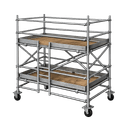
Temporary Structures
Covers scaffolding, fencing, and temporary buildings.

Soft Costs
Covers additional expenses from construction delays due to covered losses.
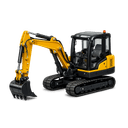
Equipment Coverage
Covers permanently installed fixtures and equipment.
Builders Risk Insurance Requirements in Wyoming
- Wyoming projects with open-site storage should be reviewed carefully so materials waiting for installation are addressed the way the job is actually staged.
- A build schedule that can pause for weather should be discussed early, because term length and extension options can matter as much as the initial premium.
- Remote or lightly supervised sites may need a more detailed explanation of inspections, fencing, lighting, or delivery timing before coverage is bound.
- Renovation work in Wyoming deserves a separate review when existing structures remain in use during construction or owner-supplied materials are involved.
How Much Does Builders Risk Insurance Cost in Wyoming?
For a Wyoming project, builders risk pricing usually changes fastest when the carrier sees more time, more exposure, or more uncertainty than the first project summary suggests. A site that stays open to weather longer, a schedule with seasonal pauses, or a build that relies on materials sitting outside or in temporary storage can all change how the quote is underwritten. A useful estimate starts with operational details like completed value, construction type, job duration, site protection, storage plan, and whether the work is new construction, an addition, or a renovation.
Location inside the state also matters in a practical underwriting sense. A project near town with easier supplier access, regular inspections, and tighter site controls may be viewed differently from a build where deliveries are less frequent, supervision is intermittent, or replacement time after a loss could slow the schedule. If your lender, owner, or contract requires certain limits, named parties, or special endorsements, those choices can also affect price because they change the scope being insured.
The best way to shop is to keep every quote on the same assumptions. Use the same completed value, the same start and completion dates, the same deductible target, and the same list of parties that may need to be named. Then ask each carrier or broker to explain what is driving the premium, what property categories are limited, and whether extensions are available if the project runs past the original term. That comparison tells you more than a bare price ever will.
Request a Quote Comparison
Enter your ZIP code to compare builders risk insurance rates from top carriers.
Business insurance starting at $25/mo
Who Needs Builders Risk Insurance?
On a Wyoming construction project, the party that should review builders risk first is the one carrying the financial risk if work in place or stored materials are damaged before completion. That can still be the owner, but it can also be a developer, general contractor, or another party the contract assigns to insure the job. What matters is who would absorb the loss, who has promised to provide coverage, and who needs evidence of insurance before funds are released or work proceeds.
This review becomes more important on projects with custom materials, long lead items, remote delivery schedules, or phased construction. If a loss would delay the build, force reordering, or create a dispute over whose policy should respond, you want that sorted out before the first major draw or delivery. Owner-builders should be especially careful here, because personal insurance and course-of-construction needs do not always line up cleanly. A renovation owner should also check whether the existing property policy and the builders risk form leave any gap around the work in progress, stored materials, or temporary vacancy.
If you are a lender, project manager, or investor, your role is usually to verify that the policy matches the contract and the budget, not just that a certificate exists. Ask who is named, what property is included, when coverage starts and ends, and whether the term is realistic for the schedule.
Builders Risk Insurance by City in Wyoming
Builders Risk Insurance rates and coverage options can vary across Wyoming. Select your city below for localized information:
How to Buy Builders Risk Insurance
Buying builders risk correctly in Wyoming usually means slowing down long enough to assemble the underwriting file before you ask anyone to bind coverage. Start with the construction contract and the project budget, then add the site address, scope of work, target start date, expected completion date, and the list of parties that may need to be named. If materials will be stored away from the site, delivered in phases, or installed after long lead times, include that up front. A clean submission helps the underwriter decide faster and reduces the chance that a key detail gets corrected after terms are issued.
Next, describe the site the way the job will actually operate. Note whether the project is in town or more isolated, how often the site is checked, what security is in place, when the structure will be dried in, and whether weather could interrupt the schedule. If the work is a renovation, explain what part of the existing structure is involved and whether any portion remains occupied during construction.
Before binding, compare the quotes on structure, not just price. Confirm the completed value, deductible, covered property categories, policy term, and any conditions tied to storage, theft protection, or occupancy. Then review the binder or policy draft against the contract so named insureds, mortgage interests, and project description all match. That final check is where many avoidable disputes are prevented. Request a quote through CPK Insurance to compare your options with participating licensed providers.
How to Save on Builders Risk Insurance
In Wyoming, the most dependable way to lower builders risk cost is to remove uncertainty from the file and reduce avoidable exposure at the site. Underwriters price unknowns conservatively. If your submission leaves open questions about completed value, storage, security, or schedule, you often pay for that uncertainty. A tighter project package can produce a cleaner quote without cutting important coverage.
Start by matching the insured value to the actual project budget and scope. Overstating values can push cost up, while understating them can create problems later if there is a loss. Then tighten the timeline. If the build is likely to pause for weather, access, or financing, say so early and ask how the term should be structured. It is usually better to address a realistic schedule at the quote stage than to scramble for changes after delays begin.
You can also save by improving site controls that underwriters care about. Document where materials will be stored, how the site is secured after hours, who checks it, and when high-value items will arrive relative to installation. If theft or weather exposure is a concern, show the steps being taken to reduce that risk. Finally, compare deductibles and optional extensions carefully. A higher deductible may reduce premium, but only if it still fits the project budget and the owner's tolerance for out-of-pocket loss. The aim is a policy you can carry through the job without surprises.
Our Recommendation for Wyoming
For Wyoming projects, ask your quote review to focus on exposure timing. A policy that looks fine on paper can still miss the way your job unfolds if materials arrive early, the shell stays open longer than planned, or the site sits unattended between trades. Those are the pressure points worth discussing before binding.
I would review four items closely. First, confirm the completed value and project description match the contract and draw schedule. Second, map where property will be at each stage and ask how each category is treated. Third, test the policy term against a realistic build calendar instead of the most optimistic one. Fourth, verify every party that needs to be named before a lender, owner, or upstream contractor asks for corrections.
If the project is a renovation, ask for a sharper discussion of the existing structure, occupancy during construction, and responsibility for owner-furnished materials. If the site is more isolated or weather can interrupt sequencing, explain the inspection routine and security controls in plain language. That gives the underwriter something concrete to work with and gives you a better basis for comparing terms.
FAQ
Frequently Asked Questions
Projects here often need a realistic completion timeline because weather-related delays can leave work and materials exposed longer than planned. Ask how the policy term is set, what happens if the schedule slips, and whether an extension can be reviewed before the original expiration date.
Yes, owner-builders can get coverage, but the quote usually depends on the project scope, budget, construction experience, and who is performing the work. Bring the contract, timeline, and material storage plan so the submission reflects the actual build.
Remote-site quotes go better when you explain site checks, security, delivery timing, temporary storage, and how quickly damaged materials could be replaced.
Yes, most lenders require the policy to match the loan requirements on value, named interests, and evidence of coverage before they will release funds. Review the binder against the loan package before closing so corrections do not delay funding or draws.
Builders risk quotes are easiest to compare when each one uses the same completed value, deductible target, policy term, and named parties. Then look at how each quote handles stored materials, theft conditions, and any limits that could matter on your site.
Insurance oversight sits with the Wyoming Department of Insurance, which can help you verify carrier licensing, answer consumer questions about policy forms, and assist with complaint resolution if a dispute arises during a claim. You can contact them to confirm a carrier is authorized to sell in the state before you bind coverage.
Outbuilding and ranch-related projects often need a closer look at site access, material storage, and how long the structure stays partially enclosed. Give the carrier a specific description of the build so the underwriting questions reflect the actual scope.
Builders risk insurance may cover, subject to policy terms, the structure under construction, materials on site, materials in transit, temporary structures, and fixtures or equipment being installed. Depending on the policy, you can also review soft costs and delay-related coverage tied to a covered property loss.
Sources
- 1.Wyoming Department of Insurance(The state regulator is the Wyoming Department of Insurance.)
Updated July 16, 2026