Updated July 16, 2026

Key Takeaways
- Compare quotes using the same peak inventory value, deductible, and valuation assumptions so you can see real coverage differences.
- Ask in writing how the policy handles hail, flood, theft, vandalism, and test drives before you bind coverage.
- Prepare a current inventory schedule, offsite storage list, and security summary before requesting dealer open lot insurance quotes.
- Review whether flood needs separate placement instead of assuming another policy form includes it automatically.
- Requote after security upgrades, lot layout changes, or improved claims history so pricing reflects your current risk.
Dealer Open Lot Insurance in California
Before a landlord hands you the keys to a lot, a floorplan lender funds your inventory, or an auction releases a vehicle, they want proof that your exposure is insured. A wind event, fire, theft, or transit damage should not leave the deal or the collateral unsupported. If you are shopping for this coverage, the quote should match how your inventory is actually stored and moved, not just how many units you carry on paper.
A coastal lot, an inland overflow yard, and a rooftop urban storage arrangement do not present the same loss pattern. The same is true if you rotate units between your main lot, detail vendors, body shops, auctions, and temporary storage. The state also brings a hazard mix that can change by county and even by block, so your review should focus on where vehicles sit overnight, how keys are controlled, and when units leave the premises. Line up your current inventory values, every storage address, and any lender insurance requirements you have agreed to meet.
What Dealer Open Lot Insurance Covers
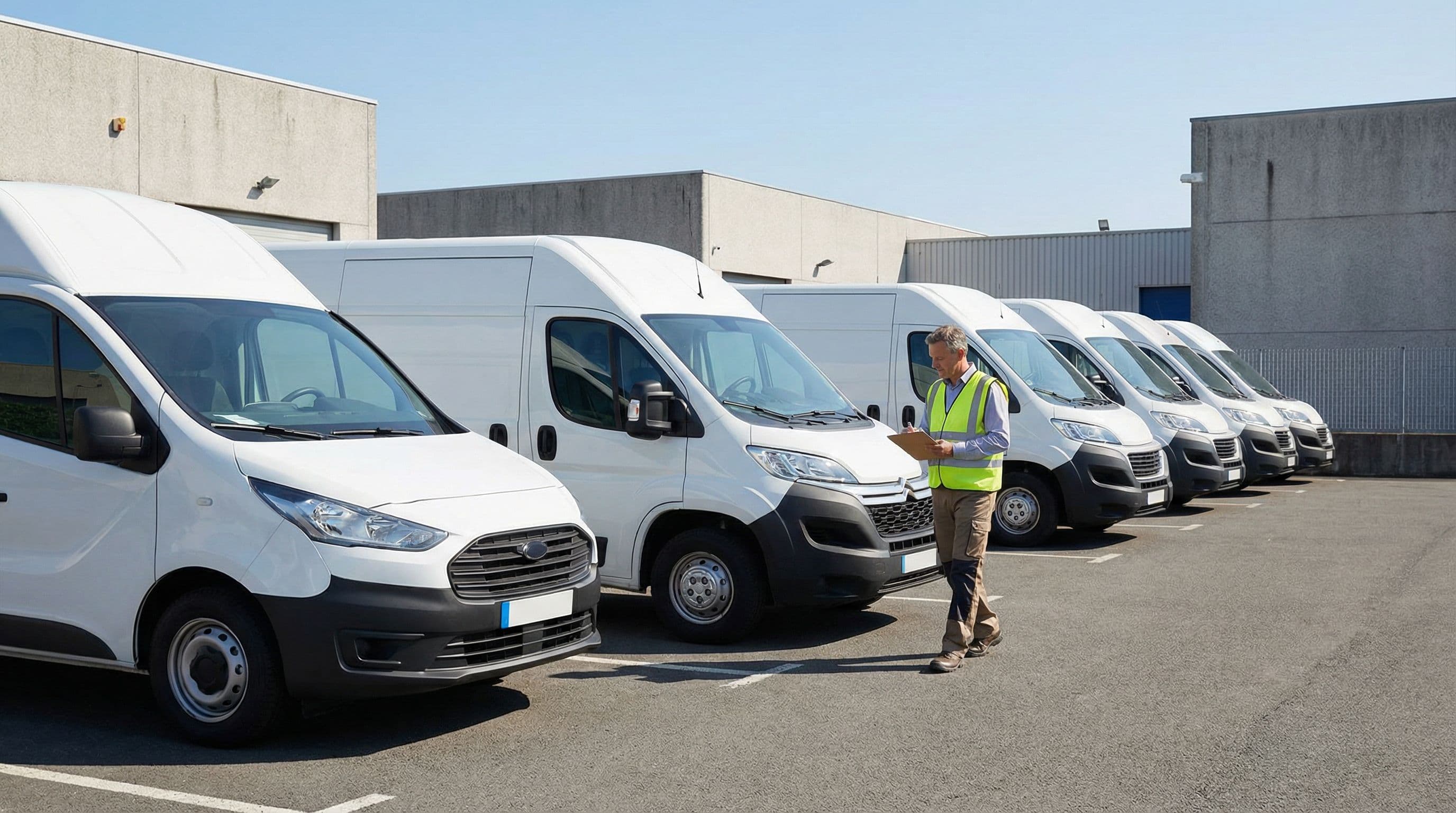
The useful coverage review is less about repeating the basic causes of loss and more about pressure-testing where your inventory is most exposed. Start with the addresses where vehicles are kept. A dealership with one fenced lot and no offsite storage is underwritten differently from an operation that splits inventory between a retail frontage, a back lot, a recon vendor, and a seasonal overflow location. If your units move between those places during the week, ask how the policy treats ordinary transfers, loading activity, and temporary stops.
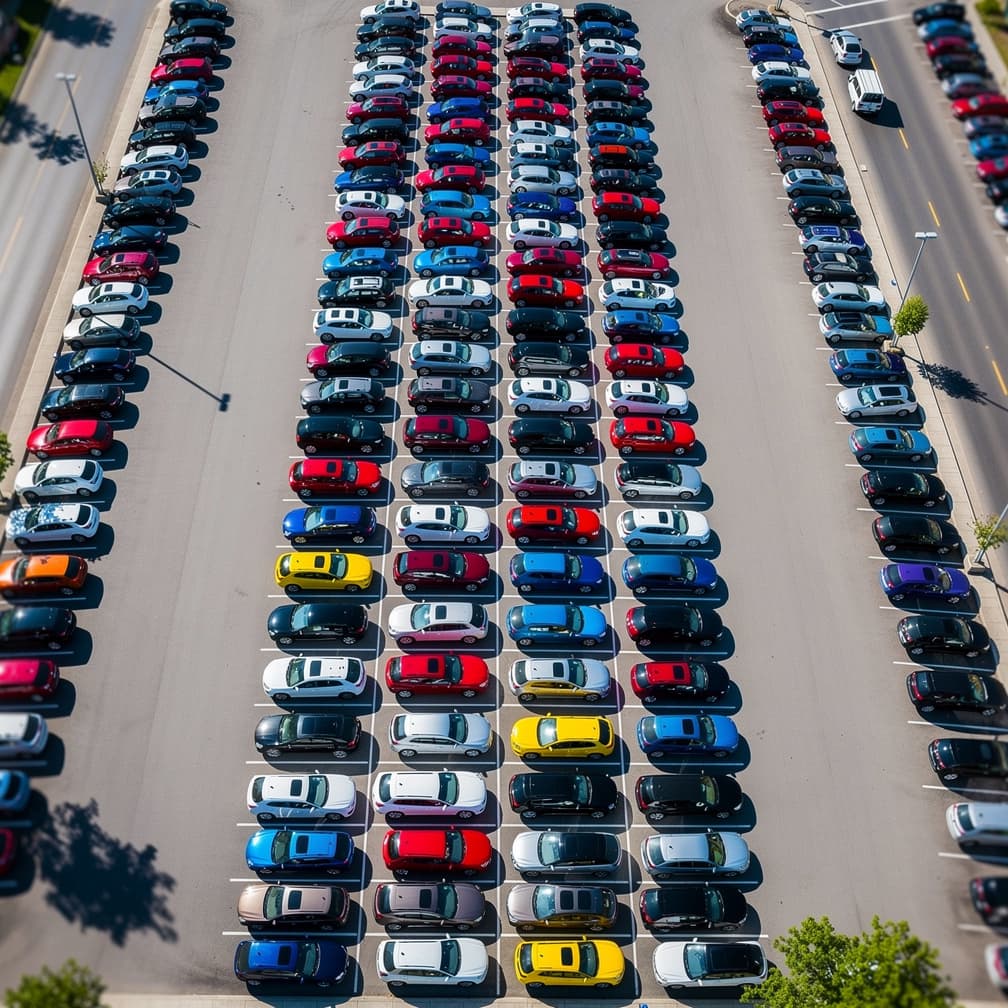
You should also review how the policy handles hazard patterns specific to your area. In some regions, wildfire smoke, wind-driven events, or fast-moving fire conditions can affect multiple units at once. In other areas, theft, vandalism, or civil disturbance may be the more practical concern. Near the coast, salt air and weather exposure can change how long vehicles sit outside before sale-ready prep is complete. Underwriters look closely at concentration of values, security controls, and whether losses are more likely to hit one unit or many.
Ask direct questions about any exclusions or sublimits tied to unattended vehicles, open storage, off-premises locations, and employee handling. If you use port-adjacent storage, hillside lots, or dense urban parcels with limited setbacks, say so early. A quote works better when the carrier sees the real storage map, the normal movement pattern, and the points where keys, titles, and vehicles can separate. That is where claim disputes often start, so it is worth clarifying early.

Weather Damage
Covers hail, wind, flood, and storm damage to lot inventory.
Theft Protection
Covers vehicles stolen from your lot.
Fire Damage
Covers fire and explosion damage to inventory vehicles.

Vandalism
Covers intentional damage to vehicles on your lot.
Test Drive Coverage
Covers vehicles during customer and employee test drives.
Transit Coverage
Covers vehicles being moved between lot locations.
Dealer Open Lot Insurance Requirements in California
- Lots near brush, canyons, or open land should disclose that setting early, because one location event can affect many vehicles at once.
- Urban dealerships that rely on rooftop, stacked, or offsite overflow storage should confirm every address and movement routine in writing.
- Coastal operations should review how long units remain outdoors during prep and storage, especially when inventory turns slowly or space is tight.
- Dealers using auction, port-adjacent, or vendor storage should document custody transfers carefully so vehicle location is clear throughout the sales cycle.
How Much Does Dealer Open Lot Insurance Cost in California?
Dealer open lot insurance costs usually turn on exposure quality more than a simple inventory count. Underwriters want to know the total value you hold for sale, but they also look at how that value is concentrated across locations. A single lot with consistent fencing, lighting, and key control is one profile. Several storage points, shared access with other tenants, or frequent movement to auctions and vendors is another.
Your location inside the state also changes the discussion. Hazard conditions vary widely, so the same number of vehicles can produce different pricing depending on wildfire exposure, wind exposure, theft patterns, and how close units are stored to neighboring properties or combustible materials. If you keep higher-value trucks, luxury units, specialty vehicles, or powersports inventory, tell the underwriter how those units are secured after hours and whether they are separated from standard inventory.
Limits, deductibles, valuation method, and any location-specific restrictions can all move the quote. Valuation method matters because it determines how a damaged unit is priced after a loss. Some policies pay based on actual cash value, which factors in depreciation. Others may use a stated value or replacement cost approach, which can better protect newer or specialty inventory. Knowing which method applies helps you judge whether the limit you choose will actually be enough to replace a lost unit. Your claims history, the age and condition of perimeter controls, and whether you rely on temporary overflow storage during buying spikes can also affect pricing. If a lender requires a certain limit or loss payee wording, include that at the start so you avoid reworking the quote later.
The most efficient way to get a usable price is to submit a clean schedule of inventory values, every storage address, your security procedures, and any offsite movement routine. That gives you a quote you can compare on terms, not just on premium.
Request a Quote Comparison
Enter your ZIP code to compare dealer open lot insurance rates from top carriers.
Business insurance starting at $25/mo
Who Needs Dealer Open Lot Insurance?
This coverage deserves a closer look any time your business owns vehicles for resale and leaves them exposed before delivery. That includes the obvious retail lot, but it also includes operations that look less traditional on paper. If you sell from a compact urban parcel and store overflow inventory elsewhere, your exposure still follows the vehicles. If you buy aggressively at auction and hold units at a recon yard before frontline placement, that handling pattern should be reviewed.
Independent dealers often need the most careful review because inventory can move quickly between purchase, transport, detail, repair, photography, and sale. Franchise operations may have larger concentrations of value and lender requirements that make proof of coverage part of ordinary operations. Motorcycle, powersports, trailer, and RV sellers can also have storage issues specific to their region, especially when units sit outdoors for longer periods or are staged across multiple addresses.
You may also need this review if your lease requires insurance evidence, your floorplan lender wants collateral protection confirmed, or your auction partners expect proof before release. Each of those parties has a financial interest in how your inventory is protected while it is on your premises or under your control. If your operation uses vendor lots, port-area storage, hillside parcels, or mixed-use property with customer traffic close to inventory, bring that up before quoting. The businesses that benefit most are the ones whose real-world storage and movement pattern is more complicated than a simple row of cars behind one gate.
Dealer Open Lot Insurance by City in California
Dealer Open Lot Insurance rates and coverage options can vary across California. Select your city below for localized information:
How to Buy Dealer Open Lot Insurance
Buying this coverage goes more smoothly when you prepare the file the way an underwriter reads it. Start with a current inventory report and group units by location, not just by total value. Include every place vehicles are stored overnight, even if a site is used only for overflow, reconditioning, or temporary holding. If units regularly move to auctions, body shops, detail vendors, or photo locations, note that routine clearly.
Next, document your security controls in operational terms. Show whether each lot is fenced, lit, camera-monitored, or shared with other tenants. Explain who controls keys, where keys are stored, and how vehicles are checked in and out. If your dealership uses lockboxes, key cabinets, gate logs, or after-hours patrols, include that. Underwriters price cleaner when they can see how a theft or mysterious disappearance would be investigated.
Then gather any third-party requirements. A landlord may want proof of insurance before occupancy, a lender may require loss payee wording, and an auction partner may want evidence of coverage before release. Put those requests in the submission so the quote is built around the documents you actually need. Buyers should also flag any unusual hazard issues at the start. If a location backs up to brush, sits in a dense commercial corridor, or relies on offsite storage because frontage is limited, say so before terms are issued. That helps you compare quotes on covered locations, deductibles, and conditions with fewer revisions. Request a quote through CPK Insurance to compare your options with participating licensed providers.
How to Save on Dealer Open Lot Insurance
The strongest way to save on this coverage is to make your inventory easier to secure, track, and verify. Start with location discipline. If you use more than one storage address, keep a current schedule that shows which units are at each site and when they moved. When your records match the physical lot and the transfer timeline, a claim becomes harder to dispute and your underwriting file becomes easier to defend.
Tighten key control next. Many dealerships focus on perimeter fencing and forget that a weak key process can undermine the whole account. Use a consistent sign-out procedure, restrict after-hours access, and document who can move vehicles off the lot. If vendors handle units, define custody clearly and keep transfer records. That can help you avoid paying for broader uncertainty in the quote.
You can also save by matching limits and deductibles to the way your inventory actually peaks. If your values rise during certain buying periods, review whether temporary concentration at one location changes your exposure. It is often cheaper to address that before a surge than to discover after a loss that the location schedule or limit assumptions were outdated.
Finally, submit a cleaner application. Underwriters respond better when they see complete addresses, current photos, security details, and a clear explanation of offsite storage. Ask to compare terms side by side, especially location restrictions, valuation approach, and deductible structure. A lower premium only earns its keep when the policy still fits your lender requirements and the way your vehicles move during a normal sales month.
Our Recommendation for California
Buyers should treat this as an inventory-mapping exercise first and an insurance purchase second. The most common quoting problem is not the base coverage concept. It is that the submission leaves out where vehicles actually spend time. If your units rotate between the sales lot, overflow storage, recon vendors, auctions, and transport staging, build that path into the application.
You should also ask how the policy responds when one event affects many vehicles at the same address. Hazard patterns can create concentrated losses, so deductible structure and location scheduling deserve a close read. If one site carries most of your value, review whether your limit and security controls still make sense for that concentration.
Use the regulator's consumer resources if you need to verify licensing or complaint information. The California Department of Insurance is the state's insurance regulator, so it is a practical checkpoint while you compare options and documents. When you compare policies, check three things line by line: covered locations, off-premises handling, and lender-required wording. Then confirm that your inventory report, key-control process, and vendor movement records are current enough to support a claim if a loss happens next week.
FAQ
Frequently Asked Questions
Landlords, floorplan lenders, and some auction partners commonly ask for proof before space, funding, or vehicle release moves forward. They want confirmation that inventory collateral and business arrangements are not left exposed if a loss interrupts operations.
Dealers usually should disclose every place inventory is stored, even overflow or temporary sites. A quote is more reliable when covered locations match where vehicles actually sit overnight, move for reconditioning, or wait for auction, transport, or frontline placement.
Hazard conditions can change the underwriting conversation because one event may damage multiple units at one address. That is why location details, concentration of values, and security controls matter so much when you compare deductibles, limits, and location-specific terms.
Buyers should prepare a current inventory report, every storage address, security details, and any lender or landlord insurance requirements. That gives the underwriter a clearer picture of your actual exposure and reduces quote revisions after terms are issued.
Dealer open lot insurance is regulated by the California Department of Insurance. If you are comparing options, use that as a checkpoint for licensing and consumer information while you review policy documents, covered locations, and any lender-required wording.
A policy may help cover inventory away from the main lot, but the key is disclosure. If vehicles regularly sit with detailers, body shops, transport yards, or other vendors, include that handling pattern before the quote is finalized.
Lenders care because financed inventory is collateral, and they want policy terms that support that interest if vehicles are damaged or lost. If your lender requires specific wording or evidence, provide those requirements before the application is submitted.
Dealer open lot insurance nationwide is generally reviewed for damage or loss to vehicles you own for sale, including hail, wind, theft, vandalism, fire, flood, and test drive exposure, depending on your policy terms, deductibles, valuation method, and any location or off-premises limitations.
Sources
- 1.California Department of Insurance(The California Department of Insurance is the state's insurance regulator.)
Updated July 16, 2026