Updated July 16, 2026

Key Takeaways
- List every way customer vehicles enter, move through, and stay on your premises before you request a garage keepers quote.
- Compare collision losses against theft, fire, vandalism, and weather losses so your quote matches your actual custody exposure.
- Ask how customer vehicles are valued after a loss, especially if you handle newer, specialty, or recently upgraded vehicles.
- Review key control, intake photos, lot security, and employee driving rules before renewal to improve both pricing and claim defensibility.
- Request side-by-side quotes with the same limits, deductibles, and storage assumptions so you can spot real coverage differences.
Garage Keepers Insurance in California
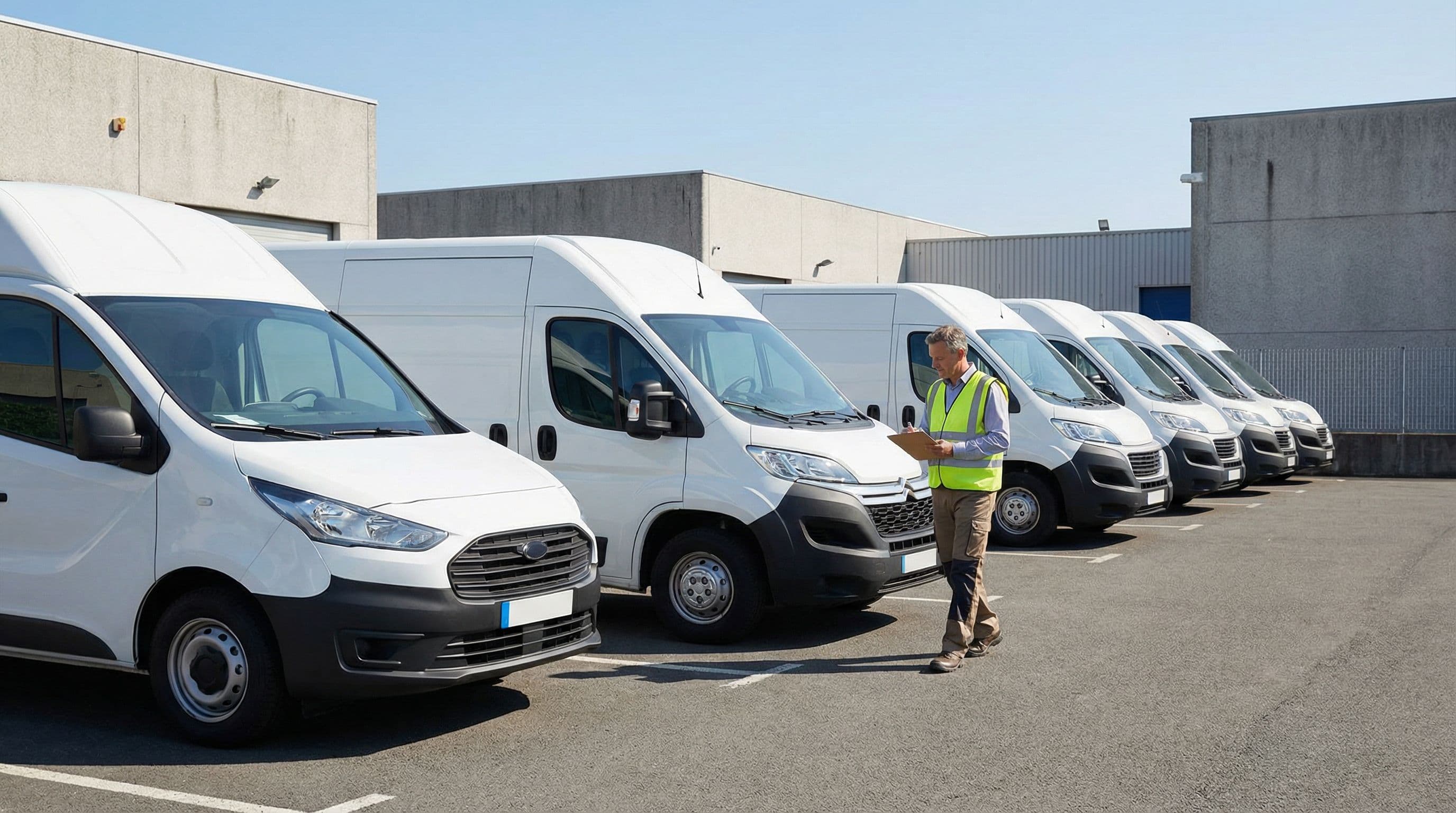
Picture a customer's car sitting in your lot at midnight. Who has the keys? Is it fenced? What happens if a storm rolls through before pickup? Those questions shape your quote more than any benchmark. Whether cars stay outside overnight, whether you hold keys on site, whether employees road test, and how you separate waiting vehicles from completed work all shape the review. That level of detail matters more in a state where weather and catastrophe exposure can change by region and by lot layout. A shop near dense urban streets, a dealer with overflow parking, and a tow yard storing vehicles in open areas do not present the same risk, even if they handle similar makes and models.
Your quote process goes more smoothly when you bring a current vehicle count by peak day, photos of storage areas, a written summary of how keys are tracked, and a clear explanation of after hours access. If you also flag any recent changes, like added fencing, indoor storage, or a new second location, you give the carrier a cleaner file to review and a better basis for terms worth comparing.
What Garage Keepers Insurance Covers
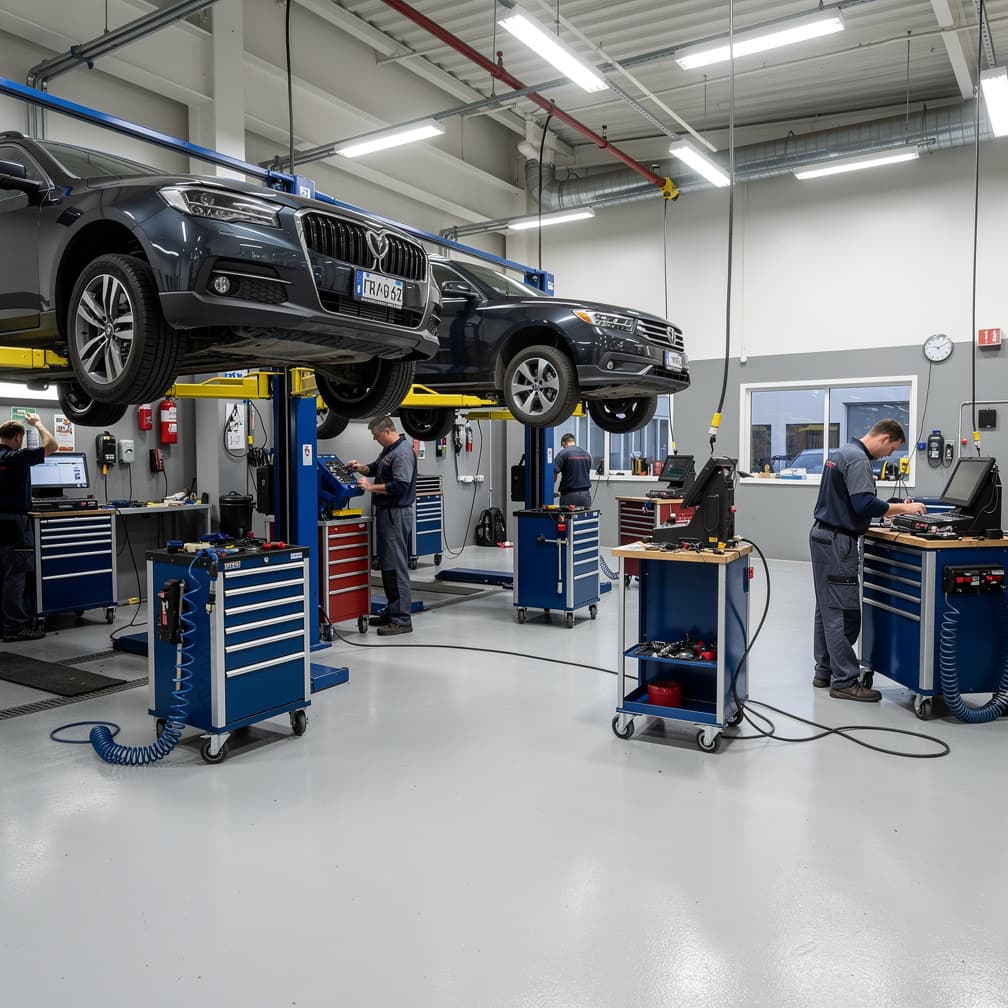
The practical review point is how your policy responds when a customer's vehicle is damaged while it is parked on your lot, stored inside your building, waiting for parts, lined up for service, or being moved by your staff as part of normal operations. In this state, that review often gets more specific because storage conditions vary sharply. A coastal operation may worry about corrosion and open lot exposure, while an inland yard may focus on heat, dust, and how closely vehicles are parked during busy weeks.
You should ask for a line by line explanation of the coverage basis offered, the deductible that applies, and any conditions tied to indoor versus outdoor storage. Your business may keep vehicles overnight, use sublet vendors, or have employees who road test and park units off site. Each of those steps should be disclosed during quoting rather than argued after a claim. Ask where responsibility shifts when a vehicle leaves your premises and when it returns, and make sure movement between buildings is part of the conversation.
Documentation discipline matters here too. A claim is easier to sort out when your intake photos, check in forms, key logs, and lot maps show exactly where the vehicle was kept and who last handled it. The state's insurance regulator expects policy language, claims handling, and producer representations to be clear. That means you should look for policy documents that spell out what is and is not included in plain terms, ask your producer to confirm any ambiguous clauses in writing, and hold off binding until the coverage description matches your actual daily workflow.
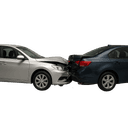
Collision Coverage
Covers damage to customers' vehicles from collisions while in your care.

Comprehensive Coverage
Covers theft, vandalism, fire, and weather damage to customers' vehicles.
Specified Perils
Covers only specifically named perils at a lower premium.

Legal Liability
Covers damage you or your employees directly cause to a customer's vehicle.

Direct Primary
Pays regardless of fault, the broadest garage keepers coverage available.
Garage Keepers Insurance Requirements in California
- If your shop moves customer vehicles between buildings or nearby parking areas, describe that route and handoff process during quoting instead of leaving it to claim time.
- Businesses in catastrophe exposed parts of the state should document how vehicles are relocated, who has authority to move them, and how condition is recorded before and after movement.
- Urban shops with limited frontage should review after hours drop off, street adjacency, and key storage controls because tight layouts can change both loss frequency and claim disputes.
How Much Does Garage Keepers Insurance Cost in California?
Pricing usually turns on concentration of vehicles and the way your premises handles them. An underwriter may ask for your peak number of customer vehicles on site, whether they are stored indoors or outdoors, how tightly they are parked, whether completed vehicles remain after hours, and how often employees reposition them. A repair shop with a small fenced lot can price differently from a dealership service department using overflow parking blocks away, even if both report similar annual sales.
If your operation sits in an area where wildfire smoke, wind, flooding, or earthquake related disruption can affect storage and access, the carrier may look more closely at where vehicles are kept, how quickly they can be moved, and whether your site plan reduces pileups during an emergency. That means your quote improves when the application shows exactly how your location functions under normal conditions and during a disruption.
You can help pricing accuracy by submitting current photos of indoor bays, outdoor storage rows, fencing, gates, lighting, and camera placement. Include your employee count for anyone who moves customer vehicles, your procedures for tracking keys, your prior claims details, and the limits and deductible you want reviewed. If you have more than one location, separate the vehicle counts and storage methods by site instead of blending them together. That gives you a truer comparison and helps you see whether one location is driving the premium more than the others.
Request a Quote Comparison
Enter your ZIP code to compare garage keepers insurance rates from top carriers.
Business insurance starting at $25/mo
Who Needs Garage Keepers Insurance?
Parts delays, after hours drop off, weekend overflow, sublet work, and delayed pickup can all turn a same day service model into an overnight storage exposure. That matters for independent repair shops, body shops, and tire and wheel businesses. It also applies to mobile operators with a fixed yard, dealerships with service lanes, detailers, and car washes. Valet operators, towing companies, and impound yards should review it too.
What matters is whether customers leave vehicles with you and whether your staff decides where those vehicles are parked, stored, or moved. In this state, that can include businesses with unusual layouts, such as urban shops that shuttle vehicles to nearby lots, coastal operators using mixed indoor and outdoor storage, or mountain area businesses that face seasonal weather swings. If your team keeps keys, stacks vehicles tightly during busy periods, or holds units waiting on customer approval, you should review this coverage before assuming another policy section handles the exposure.
You should also think about contract pressure. Landlords, lenders, dealer partners, fleet clients, and municipal customers may expect proof of insurance that matches how vehicles are actually handled on your premises. If your current certificate package does not clearly support your operations, ask for a coverage review before a contract renewal or lease negotiation. That is especially important if you recently added ADAS calibrations, expanded storage, started pickup and delivery, or began using a second lot that was never disclosed on the original application.
Garage Keepers Insurance by City in California
Garage Keepers Insurance rates and coverage options can vary across California. Select your city below for localized information:
How to Buy Garage Keepers Insurance
Buying this coverage goes faster when you build the submission around your actual vehicle flow. A simple map of where customer vehicles go from arrival to release gives the underwriter a clear picture. Cover the intake lane, waiting area, service bay, sublet transfer, completed vehicle row, overnight storage, and any off site lot. Match each step to who has the keys, who can move the vehicle, and whether the vehicle is inside, outside, fenced, or unattended.
Next, gather the documents that answer underwriter questions before they are asked. That usually means photos of the premises, a count of peak vehicles in custody, a list of all locations where customer vehicles are stored, your employee roster for anyone who drives or parks vehicles, and a written key control procedure. If you use tow trucks, forklifts, dealer plates, or shuttle drivers, include that in the submission. If you have had claims, explain what changed afterward, such as lighting upgrades, camera coverage, gate repairs, or revised check in procedures.
Review the quote for fit, not just price. Ask whether all locations are scheduled correctly, what deductible applies, and whether any exclusions conflict with your daily workflow. Businesses should be especially careful about undisclosed overflow parking and after hours drop boxes, because those details often surface only after a loss. Compare the quote against your lease, service contracts, and customer intake paperwork so the insurance terms line up with the promises your business is already making. Request a quote through CPK Insurance to compare your options with participating licensed providers.
How to Save on Garage Keepers Insurance
The cleanest way to save is to reduce uncertainty around where vehicles are, who can access them, and how quickly you can document their condition. That starts with timestamped check in photos, signed condition reports, a lot diagram, and a key log that shows who handled each vehicle and when. If a claim happens, those records can shorten the dispute and support your version of events.
Physical controls also matter. Fencing, gates, lighting, camera coverage, marked parking rows, and a clear separation between customer vehicles, employee vehicles, and salvage units can make your risk easier to underwrite. If you store vehicles outdoors, show how you avoid tight stacking, blocked exits, and improvised overflow areas. If you use a second lot, document the same controls there instead of assuming the main location standards carry over automatically.
You can also save by matching limits and deductibles to your real exposure rather than guessing. Review your peak vehicle count, the mix of ordinary and high value units, and the longest time vehicles remain in your custody. A deductible that looks efficient on paper may not feel manageable if several vehicles are affected in one event. Adding overnight storage, expanding to a new yard, or taking on dealer overflow can change the risk profile enough that a fresh review is worth more than trying to force an old policy to fit new operations.
Our Recommendation for California
Walk through your lot layout, indoor capacity, overflow plan, and after hours procedures as if a claim happened tomorrow. That conversation often exposes the real issues. In our experience, vehicles left outside longer than expected, keys stored too close to the front desk, or a second storage area that never made it onto the application come up regularly and tend to drive claim disputes.
A clean indoor service building and an open overflow lot should not be blended into one vague description. If you handle higher value vehicles, ask how that changes the limit discussion and whether your intake process documents pre existing damage clearly enough.
Businesses should also review catastrophe readiness with the same seriousness as theft prevention. Make sure you know who can move vehicles, where they would go, and how you would document their condition if your normal storage area becomes unusable. Compare your policy terms against your current workflow, not last year's.
FAQ
Frequently Asked Questions
Repair shops should review it whenever customer vehicles stay in your custody for service, parts delays, or overnight storage. The right answer depends on how vehicles are parked, moved, and secured on your premises, not just on the type of shop you run.
Body shops should disclose every place customer vehicles are stored, including overflow and temporary lots. If a location is part of your normal workflow, listing it during quoting is safer than trying to explain it after a loss.
Quotes can be shaped by regional catastrophe exposure because underwriters look at where vehicles are stored, how many remain outside, and whether your site plan allows quick relocation. Clear storage details usually lead to a more accurate review.
Insurance is regulated by the California Department of Insurance, which reviews policy forms, licenses producers, and handles consumer complaints. That matters when you review policy documents, producer explanations, and claims communications, because you should expect clear terms that match how your business actually handles customer vehicles. If a producer's explanation does not match the policy language, you can file a complaint with the CDI and request a review.
Dealership service departments often need a different review because they may use overflow parking, hold completed vehicles longer, and move units across larger premises. The quote should follow that workflow rather than assume a smaller independent shop pattern.
Applicants should prepare peak vehicle counts, photos of all storage areas, employee driving details, key tracking procedures, and any recent operational changes. That gives the underwriter a clearer picture of your custody exposure and reduces avoidable back and forth.
After hours drop off can matter because it changes when custody begins, where vehicles wait before intake, and how keys are secured. If that is part of your process, include it in the submission so the quote reflects your real exposure.
Garage keepers insurance may cover damage to customers' vehicles while they are in your care, custody, or control. That may include collision, theft, fire, vandalism, hail, and other covered causes of loss, depending on your policy terms and how your business handles vehicles.
Sources
- 1.California Department of Insurance(The California Department of Insurance is the state's insurance regulator.)
Updated July 16, 2026