Updated July 16, 2026

Key Takeaways
- List every towing and transport service you perform before requesting quotes, so loading, unloading, winching, and recovery exposures are reviewed correctly.
- Compare the on-hook limit, deductible, valuation method, and exclusions side by side instead of choosing a policy on premium alone.
- Ask in writing whether your policy addresses the specific vehicles you tow most often, especially specialty, modified, low-clearance, or higher-value units.
- Use pre-tow photos, condition notes, and signed release procedures on every job to reduce disputes and support claims handling.
- Review on-hook coverage together with auto liability and any garagekeepers coverage before renewal to catch gaps between transport and storage.
On-Hook Towing Insurance in California
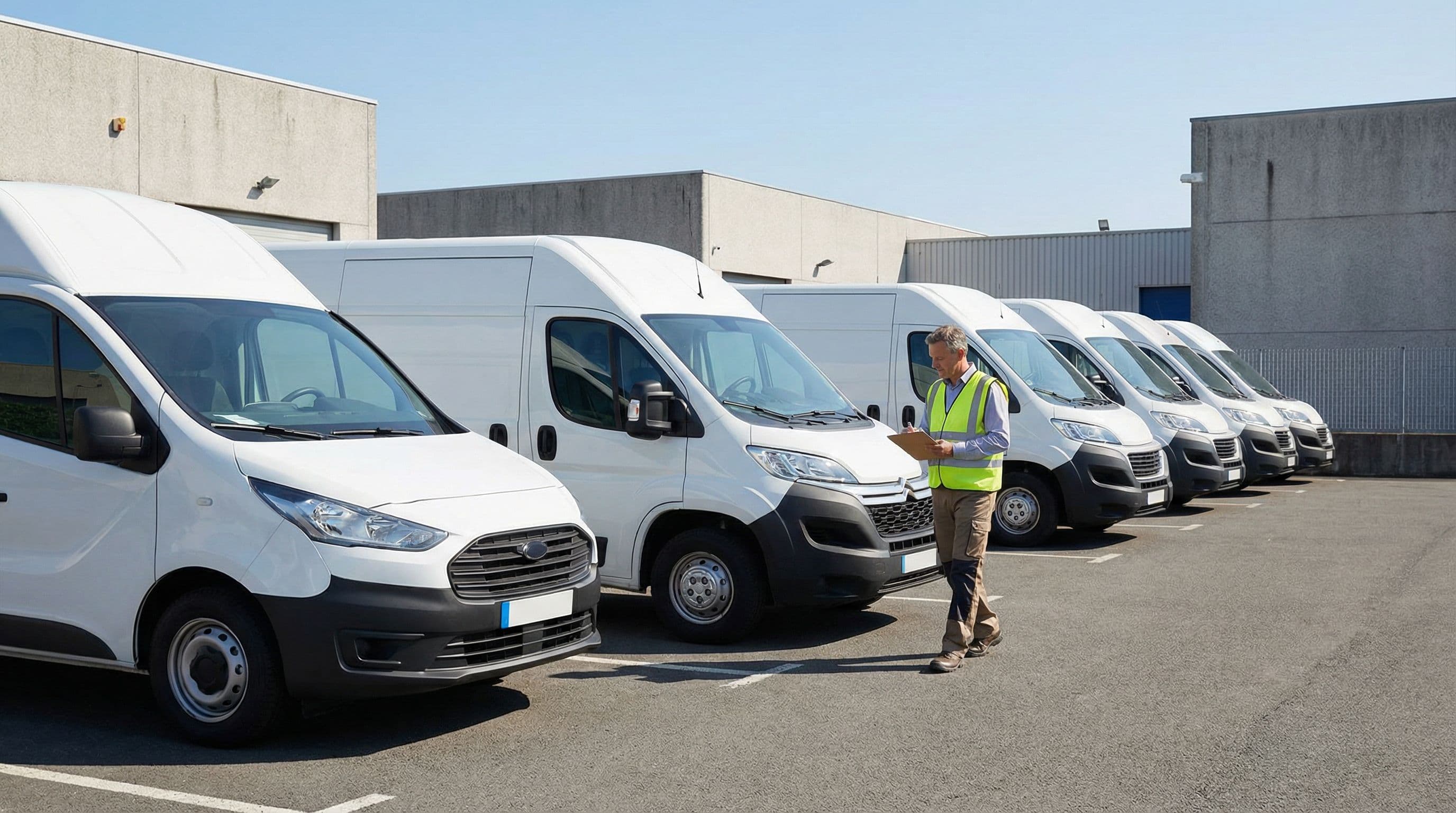
If you tow customer vehicles, the first demand for proof of coverage usually comes from someone holding a contract you need. Landlords leasing yard space, motor clubs adding vendors, public agencies issuing tow rotations, and lenders financing trucks all want to see that your policy addresses vehicles in your care during a tow. They usually want current certificates, matching business details, and limits that fit the work you actually take on, because a gap can stall a contract, a lease, or a funding decision. That is why a quote for on-hook towing insurance should be built around your service mix, storage setup, and the kinds of calls you accept. A tow company working tight city streets, steep grades, and long freeway runs does not present the same claim profile on every job. This state also puts buyers under an active insurance regulator, so it makes sense to review policy language, exclusions, and claim reporting steps carefully before committing to a policy. Bring your equipment list, service mix, operating territory, and any contract insurance requirements to the quote request so the coverage can be reviewed against real jobs, not assumptions.
What On-Hook Towing Insurance Covers
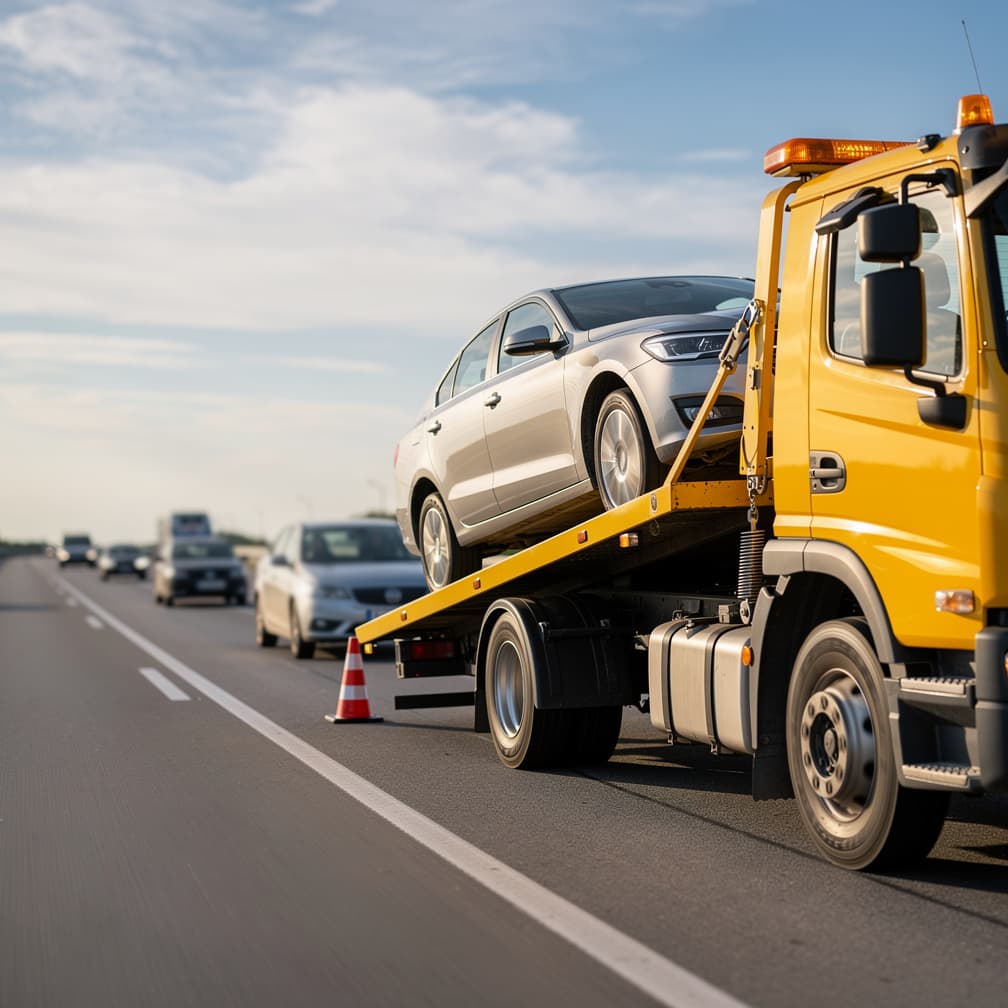
In this state, coverage review often means looking closely at urban pickups with tight curb access, freeway shoulder work with limited room to load, mountain or canyon routes where grade and braking matter, and longer transports between metro areas where a small loading issue can turn into a larger claim by the time you arrive.
For many towing operations, the important review points are the vehicle types you accept, the equipment you use to move them, and the handoff points where responsibility can be disputed. If you tow low-clearance cars, luxury vehicles, motorcycles, electric vehicles, or heavier commercial units, ask how those exposures are treated. If you run both flatbeds and wheel-lifts, make sure the quote reflects both. If your drivers perform winching, recovery, dealer transfers, impounds, or police-directed tows, ask whether those job types change underwriting appetite or require added review.
Regional conditions also make route and hazard planning part of coverage review. Wildfire zones, flood-prone streets, earthquake-related roadway damage, and mudslide areas can complicate access, loading, and unloading. Those conditions do not change every policy the same way, so you should ask how claim handling works if a loss involves evacuation conditions, blocked roads, or unstable surfaces. Before committing, compare exclusions, deductibles, reporting timelines, and any requirements for photos, dispatch logs, or signed condition reports. That gives you a policy you can actually use when a customer disputes when damage occurred.
Collision on Hook
Covers damage to towed vehicles from collisions during transport.
Comprehensive on Hook
Covers theft, fire, and weather damage to vehicles being towed.
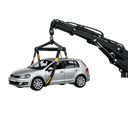
Loading & Unloading
Covers damage during the process of loading and unloading vehicles.
Winching Coverage
Covers damage to vehicles during winching and recovery operations.

Multiple Vehicle
Covers all vehicles on multi-car carriers and rollback flatbeds.
On-Hook Towing Insurance Requirements in California
- Routes here can shift from tight city streets to steep grades and long freeway runs in the same day, so your policy review should match where your trucks actually travel.
- If you accept work near wildfire, flood, earthquake, or mudslide affected areas, ask how claim documentation should be handled when road access and loading conditions are unstable.
- Public agency rotations, private property impound contracts, and dealer transport work can each create different insurance expectations, so submit those agreements with your application.
- Operators towing low-clearance, luxury, electric, or specialty vehicles should also confirm that underwriting reflects those units instead of assuming a standard passenger-car mix.
How Much Does On-Hook Towing Insurance Cost in California?
The price of this coverage usually turns on claim severity potential more than on a simple label for your business. For many towing operations, policies start from a few hundred dollars monthly, but your final premium depends heavily on what you tow, where you tow it, and how often you handle difficult recoveries. Underwriters want to know whether your documentation can support your side of a loss. A company focused on scheduled dealer moves may present a different risk than an operator taking after-hours roadside calls, impounds, and recovery work in the same week, even if both own similar trucks.
Your operating territory matters. Tight city routes can increase exposure to difficult loading angles, traffic pressure, and disputed pre-existing damage. Mountain travel, long freeway runs, and remote pickups can raise the stakes if a minor securement problem may lead to a larger loss before delivery. Storage arrangements matter too. If your operation includes yard transfers, after-hours drop procedures, or multiple handoffs between dispatch, driver, and storage staff, ask the agent what information the underwriter needs to price that accurately.
Towing standard passenger cars is not the same as moving lifted pickups, low-clearance performance vehicles, motorcycles, or commercial units. Equipment mix also changes pricing. Flatbeds, wheel-lifts, dollies, winches, and specialty attachments each affect how a claim can happen and how expensive it may become. Your claims history, driver experience, requested limits, deductible choice, and any contract-driven insurance requirements also shape the quote.
Buyers should also pay attention to policy wording and carrier review standards, not just premium. It is reasonable to ask for clear explanations of forms, exclusions, and complaint or claim processes before you decide. When you request quotes, send loss runs, driver lists, service descriptions, and sample contracts up front so pricing is based on your real operation.
Request a Quote Comparison
Enter your ZIP code to compare on-hook towing insurance rates from top carriers.
Business insurance starting at $25/mo
Who Needs On-Hook Towing Insurance?
This coverage matters for towing businesses whose work puts customer vehicles in motion under their control, but the strongest buying signal is usually contractual. If a city rotation application, motor club agreement, dealer account, auction relationship, property management contract, or yard lease asks for proof tied to vehicles in your care during towing, you should review this coverage before you sign. The same is true if a lender or equipment finance company wants to understand how losses involving customer vehicles could affect your operation.
That need extends beyond companies that market themselves only as towing services. You may need a quote if your business handles roadside assistance that turns into short tows, private property impounds, transport between storage locations, dealer transfers, repossession-related moves, or recovery work after collisions or off-road incidents. Service lines often overlap, and a business that starts with one kind of call can end up accepting several others as demand changes. If your invoices, dispatch logs, or contracts show that you take possession of vehicles during those moves, this coverage deserves a close review.
It is especially important for operators working mixed terrain and mixed call types. A company serving downtown parking structures, suburban arterials, mountain roads, and long interstate corridors may face very different loading conditions in the same week. That variety can create coverage gaps if the policy was quoted around a narrower description of operations than what you actually do. If you are unsure whether your work triggers the need, gather your service list, sample work orders, and any customer or municipal insurance requirements. Then ask for a quote review based on actual jobs, not just the broad category on your business license.
On-Hook Towing Insurance by City in California
On-Hook Towing Insurance rates and coverage options can vary across California. Select your city below for localized information:
How to Buy On-Hook Towing Insurance
Buying this coverage goes more smoothly when you present your operation the way an underwriter sees it: by service type, equipment, territory, and loss controls. Start by listing every kind of job you accept, including roadside tows, accident recovery, private property impounds, dealer moves, storage-yard transfers, transport, and winching. Then match each service to the trucks and attachments you use. If one unit handles routine tows and another handles more difficult recoveries, say so clearly.
Next, map where you operate. Underwriting can change based on whether you work dense urban cores, coastal corridors, mountain routes, desert highways, or a mix of all of them. Explain whether you cross long distances between pickup and drop-off, whether you enter parking structures, whether you tow from private lots, and whether you store vehicles before release. If your contracts require specific limits or wording, provide those documents before the quote is built.
Documentation is where many buyers either speed up the process or create delays. Prepare driver lists, vehicle schedules, loss runs, photos of trucks and equipment, and a short written description of loading and securement procedures. If you use pre-tow inspection photos, signed condition reports, dash cameras, GPS logs, or dispatch software, mention that early. Those details help the underwriter understand how you prevent and defend claims.
Before committing, compare more than premium. Review exclusions, deductibles, reporting timelines, and how the policy treats the kinds of vehicles and jobs you actually handle. Ask for clear and complete forms and explanations, especially if the quote describes a narrower operation than the one you run every day. Ask for revisions if the submission does not match your real service profile. Request a quote through CPK Insurance to compare your options with participating licensed providers.
How to Save on On-Hook Towing Insurance
The most reliable way to control on-hook insurance cost is to make your operation easier to price and easier to defend after a loss. Start with intake discipline. Require drivers to photograph each vehicle before hookup, note visible prior damage, record wheel and body condition, and save timestamps through dispatch. In a disputed claim, that file often matters more than a broad statement that the damage was pre-existing.
Tighten service descriptions next. If your business performs routine towing, dealer transfers, impounds, and recovery work, separate those activities clearly in your submission instead of blending them into one vague description. Underwriters price uncertainty conservatively. A cleaner explanation of which trucks do which jobs can lead to a more accurate quote and fewer surprises after binding.
Equipment and training also affect cost. Keep winches, straps, dollies, wheel-lifts, and bed systems on documented maintenance schedules. Train drivers on low-clearance loading, electric vehicle handling, motorcycle securement, and post-accident scene procedures if those jobs are part of your book. Terrain and hazard conditions can change quickly, so route planning and weather-related dispatch rules are practical loss-control tools, not paperwork.
You can also save by choosing deductibles deliberately instead of defaulting to the lowest option. A higher deductible may reduce premium if your cash flow can absorb it, but only if it fits your claim tolerance. Finally, review contracts before you accept them. If a customer, landlord, or public entity asks for limits or terms that do not match your normal work, get the insurance impact priced before you sign. That keeps one demanding account from reshaping your whole program without you noticing.
Our Recommendation for California
For towing operators, the smartest buying move is to build your quote around the hardest jobs you actually accept, not the easiest ones you prefer to advertise. If your dispatch board includes freeway recoveries, steep-grade pickups, parking structure removals, dealer transfers, and after-hours impounds, make sure each of those appears in the submission. A policy built around routine local towing may fall short if a claim comes from a more difficult call type that was never clearly disclosed.
Ask for a line-by-line review of exclusions and claim reporting expectations. In a state with wildfire, flood, earthquake, and mudslide exposure, access conditions can change fast, and claim disputes often turn on documentation. You want to know what photos, logs, and driver notes should be preserved from the first minute of the tow.
It also helps to align your insurance review with your contracts. Yard leases, municipal work, motor club agreements, and lender requirements can all shape what proof you need to show. Gather those documents before requesting quotes so the policy can be reviewed against real obligations. Then compare deductibles, covered job types, and vehicle categories side by side before renewing or switching.
FAQ
Frequently Asked Questions
Landlords, motor clubs, public agencies, dealers, and lenders often ask for proof before they approve yard space, vendor status, rotation access, or truck financing. Bring those contract requirements into the quote process so the policy can be reviewed against what you must show.
Yes, and that regulation works in your favor. It means you have a right to clear policy documents, a formal complaint process, and straightforward claim handling rules. Use those protections by reading exclusions carefully and asking questions about claim steps before committing to coverage.
Pricing can change with your service mix, territory, vehicle types, and documentation practices. Freeway recoveries, mountain routes, parking structure work, and specialty vehicles can all increase claim severity potential, so your quote should reflect the jobs you actually accept.
Contracts often do affect how you should review this coverage, because public agency rotations and impound work can require specific proof, limits, or wording. Provide those documents before quoting so the policy is matched to the contract, not guessed at later.
Prepare driver lists, truck schedules, loss runs, service descriptions, equipment details, and any customer or municipal insurance requirements. Adding sample dispatch logs, photos, and condition-report procedures can also help the underwriter price your operation more accurately.
They do matter operationally, because wildfire, flood, earthquake, and mudslide exposure can complicate access, loading, and unloading. Ask how your policy handles claim reporting and documentation when a tow happens in unstable or restricted conditions.
Roadside operators may need it if their work includes taking possession of customer vehicles during towing or transport. Review your actual jobs, not just your marketing label, especially if service calls regularly turn into short tows or storage transfers.
On-hook towing insurance may cover damage to a customer vehicle while it is being loaded, attached, carried, winched, or unloaded by your tow truck, depending on the policy terms. Buyers should review collision, fire, theft, weather, and loading-related damage carefully.
Sources
- 1.California Department of Insurance(California also puts buyers under an active insurance regulator, so it makes sense to review policy language, exclusions, and claim reporting steps carefully before you bind.)
Updated July 16, 2026