Updated July 16, 2026

Key Takeaways
- Compare quotes using the same peak inventory value, deductible, and valuation assumptions so you can see real coverage differences.
- Ask in writing how the policy handles hail, flood, theft, vandalism, and test drives before you bind coverage.
- Prepare a current inventory schedule, offsite storage list, and security summary before requesting dealer open lot insurance quotes.
- Review whether flood needs separate placement instead of assuming another policy form includes it automatically.
- Requote after security upgrades, lot layout changes, or improved claims history so pricing reflects your current risk.
Dealer Open Lot Insurance in Georgia
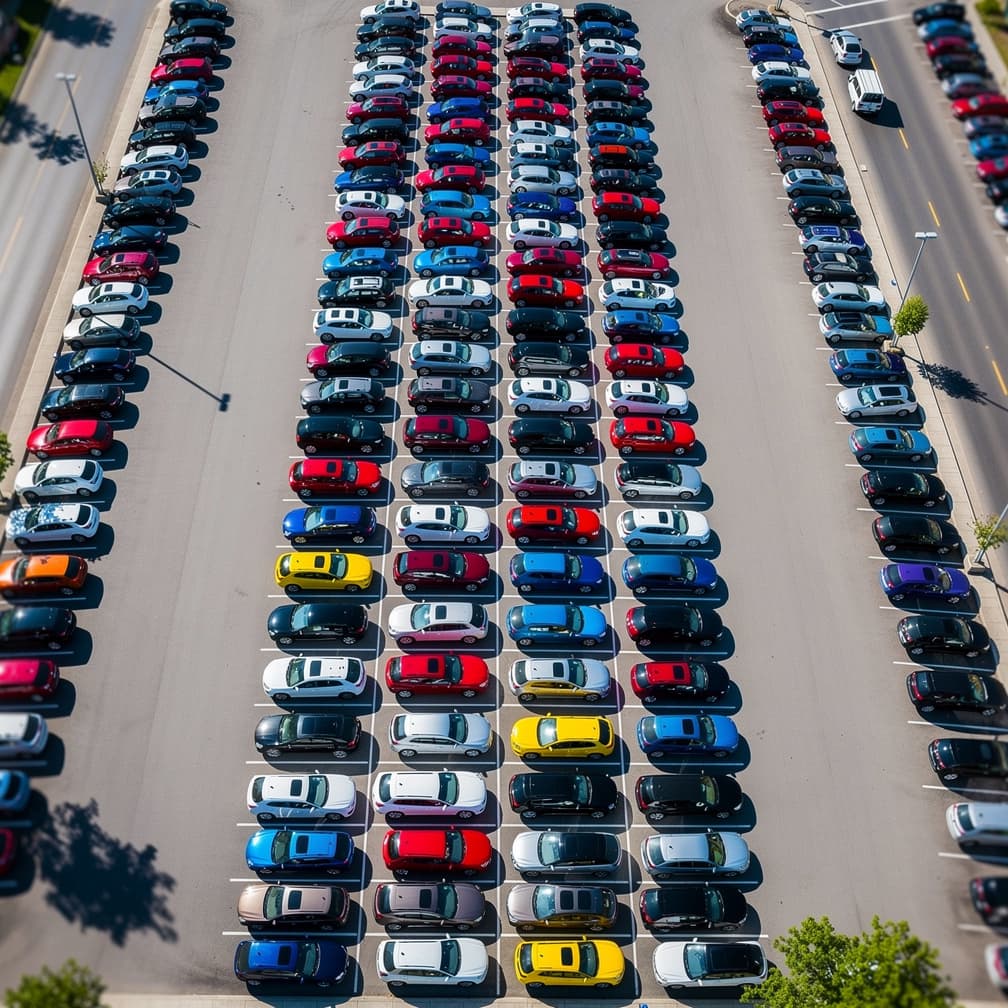
Whether it is a hail burst across an open lot, wind-driven rain reaching the low side of the property, or a theft crew slipping through a weak perimeter after closing, Georgia losses can hit before a vehicle is ever sold, and the damage is not just cosmetic. You can end up with repair delays, disputed values, and floorplan pressure while units sit out of service. That is why dealer open lot insurance should be reviewed around how your inventory is actually stored, moved, and secured, not as a generic add-on.
If some vehicles stay on a main sales lot, others rotate to overflow storage, and higher-value units are parked in more visible rows, your quote should show that operating reality. Georgia buyers also need to check how weather handling, theft controls, and secondary locations are described in the application. Small reporting gaps can become claim friction later.
What Dealer Open Lot Insurance Covers
For a Georgia dealership, the useful review is not the broad national description of lot coverage. It is the way your policy language matches the places and handling patterns that create loss on your operation. If inventory sits on a paved front line during business hours, moves to a rear storage area overnight, and occasionally shifts to another address because space tightens, those facts should be reflected clearly in the submission. The goal is to avoid a policy that looks adequate until a claim turns on where a unit was parked or why it was being moved.
Weather exposure deserves a close read in Georgia because open-lot inventory can take concentrated damage from a single event. That can create a second problem if cleanup, glass replacement, or body work backs up across the region. Theft and vandalism also need practical attention. An underwriter will usually want to understand fencing, lighting, camera placement, key control, and whether certain vehicles are isolated or grouped by value. A given inventory total can produce very different claim outcomes depending on how the lot is laid out and supervised.
You should also review how the policy treats temporary storage, dealer trades, service-area parking, and any routine movement between owned or leased locations. If your operation uses overflow space during busy periods, ask for that exposure to be addressed before binding, not after a loss. In Georgia, the regulator is the Georgia Office of Insurance and Safety Fire Commissioner, which oversees carrier licensing, form approvals, and consumer complaints. That means you have a place to turn if a dispute arises over form language or claim handling, so keep copies of applications, schedules, and endorsements from the start.

Weather Damage
Covers hail, wind, flood, and storm damage to lot inventory.
Theft Protection
Covers vehicles stolen from your lot.
Fire Damage
Covers fire and explosion damage to inventory vehicles.

Vandalism
Covers intentional damage to vehicles on your lot.
Test Drive Coverage
Covers vehicles during customer and employee test drives.

Transit Coverage
Covers vehicles being moved between lot locations.
Dealer Open Lot Insurance Requirements in Georgia
- Georgia dealerships that use overflow parking or secondary storage should make sure each active inventory location is disclosed before binding coverage.
- If your lot layout places higher-value vehicles near the easiest perimeter access, ask whether a different storage pattern would improve underwriting results.
- A claim can also become harder to resolve if vehicle values, arrival dates, and storage locations are not updated consistently across your records.
- Dealers that move units between sales, service, and reconditioning areas should confirm those handling patterns are described accurately in the submission.
How Much Does Dealer Open Lot Insurance Cost in Georgia?
Dealer open lot pricing in Georgia usually turns on exposure quality more than a simple label for the business. Underwriters want to know the total value of vehicles held for sale, but they also look at how concentrated that value is, how often inventory changes, and whether the most theft-attractive or weather-sensitive units are clustered in one area. A lot with disciplined storage and documented controls can be easier to quote than a smaller operation with inconsistent records and unclear secondary parking.
Your location setup matters. A single address with controlled access is different from a dealership that uses overflow storage, rotates units between lots, or keeps some inventory at a secondary property. When details like overnight security and secondary lots are left vague, you risk tighter terms, more underwriter questions, and a slower path to bind.
Higher-value inventory, specialty units, and fast-turn stock can change the loss profile because repair costs, theft attractiveness, and valuation disputes do not behave the same way across every unit type. Claims history, requested limits, deductibles, and any lender or floorplan requirements also shape the premium. The practical way to shop this coverage in Georgia is to request quotes using the same inventory valuation method, location list, and security description each time, which lets you compare actual terms and deductibles rather than a misleading price-only spread. If a quote looks unusually low, ask what assumptions were made about secondary lots, overnight security, and maximum values on hand before you rely on it.
Request a Quote Comparison
Enter your ZIP code to compare dealer open lot insurance rates from top carriers.
Business insurance starting at $25/mo
Who Needs Dealer Open Lot Insurance?
In Georgia, the buyers who most need a careful review are the ones whose inventory exposure changes faster than their paperwork. That often includes independent dealers that buy and retail used vehicles quickly, operations that carry a mix of lower-value daily drivers and a few higher-value units, and dealerships that rely on overflow parking when the front lot fills up. If you hold vehicles for resale and they sit exposed to weather, theft, or movement before delivery, this coverage deserves attention.
This matters even more if your operation uses more than one address. Some Georgia dealers display inventory at one location, recondition or stage vehicles at another, and park overflow units wherever space is available. That can create a gap between how the business actually runs and how the insurance application describes it. If the policy is written around one neat lot but your inventory regularly moves beyond that footprint, you should expect closer scrutiny after a claim.
You should also pay attention if your dealership handles consignment-like arrangements, dealer trades, or frequent test-drive activity that changes where units are parked throughout the day. Those routines can be normal for sales, but they still need to be described accurately so the coverage review matches the exposure. The same is true if keys are handled by multiple employees, if vehicles are left in service lanes overnight, or if recently acquired units sit unscheduled before they are entered into your main inventory system. If any of that sounds familiar, gather a current inventory list, identify every storage address you use, and review how values are updated.
Dealer Open Lot Insurance by City in Georgia
Dealer Open Lot Insurance rates and coverage options can vary across Georgia. Select your city below for localized information:
How to Buy Dealer Open Lot Insurance
To buy this coverage well in Georgia, start by preparing the information an underwriter can actually use without follow-up. Build a current inventory schedule with unit descriptions and values, then separate vehicles by location if you use more than one lot or any overflow storage. Add a short written summary of how inventory moves during a normal week, including dealer trades, reconditioning transfers, and any regular secondary parking. That gives the quote process a factual base instead of assumptions.
Next, document your controls. List fencing, gates, lighting, cameras, alarm monitoring, key storage, and who has after-hours access. If some protections apply only to part of the property, say that clearly. Underwriters care about the difference between a fully secured perimeter and a lot where only the office building is protected. Photos can help if the layout is unusual or if inventory is split between front-line display and rear storage.
Then review values and deductibles with your lender or floorplan contact before you bind. A policy that looks acceptable from a premium standpoint may still create problems if reporting methods or valuation assumptions do not line up with financing expectations. You also want to confirm whether any leased or borrowed storage space needs to be scheduled. As you compare quotes, read the assumptions section, not just the declarations page. Ask how the policy treats temporary storage, newly acquired units, and movement between locations. In Georgia, that step is often where meaningful differences appear. Once the terms match your actual operation, request the final application, check every address and value description, and keep a copy of the signed submission with your policy records. When you are ready, request a quote through CPK Insurance to compare your options with participating licensed providers.
How to Save on Dealer Open Lot Insurance
The strongest way to lower dealer open lot costs in Georgia is to make your inventory easier to verify, easier to secure, and easier to value after a loss. Start with inventory discipline. If units are entered promptly, values are updated consistently, and every vehicle is tied to a specific location, an underwriter has less uncertainty to price around. That can matter more than chasing a lower quote built on incomplete assumptions.
Security improvements often help, but only if they are operational, not cosmetic. Better lighting, working cameras that actually cover inventory rows, controlled gate access, and documented key procedures can improve how your risk is viewed because they reduce both theft opportunity and claim disputes. If you already have those controls, describe them clearly in the application. A good safeguard that never makes it into underwriting notes may not help your pricing.
You can also save by reducing concentration. If your highest-value units are all parked in the most exposed section of the property, consider whether the layout can be changed. Your overall inventory total may present a better risk if vulnerable vehicles are distributed more thoughtfully and overflow storage is used intentionally rather than reactively. Deductible choices deserve a practical review as well. A higher deductible can reduce premium, but only if it fits your cash flow during a weather or theft event affecting multiple units. Cheap paper savings can backfire if the retained amount strains operations after a loss. Finally, shop with consistent data. Use the same inventory totals, addresses, and security descriptions across each quote request. That lets you identify real savings from better terms or underwriting appetite, instead of apparent savings caused by missing exposure details.
Our Recommendation for Georgia
For Georgia dealerships, the most important buying move is to treat lot coverage as a location-and-process review, not a box to check at renewal. Start with a map of every place inventory can sit, even temporarily. If overflow parking, reconditioning space, or a secondary display area is part of normal operations, bring it into the quote conversation early.
Next, test your own records the way a claims adjuster would. Can you show where a vehicle was stored, what value you assigned to it, when it arrived, and who had access to the keys? If that answer is inconsistent, fix the recordkeeping before you focus on premium. Clean documentation often does more for claim outcomes than a small price difference.
You should also review lot layout with loss prevention in mind. Separate high-value units from the easiest perimeter access, confirm camera views at night, and make sure key control is limited and documented. Those are practical underwriting details, not administrative extras. Finally, compare quotes only after the exposure description is aligned. If one proposal assumes a single secured lot and another reflects multiple storage points, the lower number is not a better deal. It is a different risk submission. Ask for the assumptions in writing, then choose the option that matches how your Georgia dealership actually operates.
FAQ
Frequently Asked Questions
Yes. List every address where sale inventory is regularly stored, even if a location is used as overflow space. That helps the quote reflect the real exposure and reduces the chance of a dispute over where a damaged or stolen unit was kept.
Weather can turn one event into damage across multiple vehicles, so storage layout, drainage, and concentration of higher-value units matter during underwriting. Ask how the quote treats inventory kept outdoors, moved between lots, or parked at temporary storage locations.
Oversight runs through the Georgia Office of Insurance and Safety Fire Commissioner. If you are comparing policy forms, asking a complaint question, or checking licensing information, keep that regulator in mind and retain your application and endorsements.
Often, yes, but the overflow location should be disclosed clearly during quoting. If inventory regularly sits away from the main sales lot, ask for that storage pattern to be reflected in the application before coverage is bound.
Prepare a current inventory list, values by location, security details, and a short explanation of how vehicles move between lots or storage areas. That usually leads to a more accurate quote and a cleaner comparison of terms.
Underwriters often care about key control because theft losses are easier to dispute when access is loosely managed. Written procedures, limited after-hours access, and documented storage for keys can strengthen the submission and may help support claim handling later.
Compare assumptions first, then price. A lower premium can simply mean one quote assumes fewer locations, lower values, or weaker disclosure of secondary lots, which can leave you with a mismatch between the policy and your actual operation.
Dealer open lot insurance nationwide is generally reviewed for damage or loss to vehicles you own for sale, including hail, wind, theft, vandalism, fire, flood, and test drive exposure, depending on your policy terms, deductibles, valuation method, and any location or off-premises limitations.
Sources
- 1.Georgia Office of Insurance and Safety Fire Commissioner(In Georgia, the regulator is the Georgia Office of Insurance and Safety Fire Commissioner.)
Updated July 16, 2026