Updated July 16, 2026

Key Takeaways
- List every towing and transport service you perform before requesting quotes, so loading, unloading, winching, and recovery exposures are reviewed correctly.
- Compare the on-hook limit, deductible, valuation method, and exclusions side by side instead of choosing a policy on premium alone.
- Ask in writing whether your policy addresses the specific vehicles you tow most often, especially specialty, modified, low-clearance, or higher-value units.
- Use pre-tow photos, condition notes, and signed release procedures on every job to reduce disputes and support claims handling.
- Review on-hook coverage together with auto liability and any garagekeepers coverage before renewal to catch gaps between transport and storage.
On-Hook Towing Insurance in Hawaii
A Honolulu operator running dense urban roadside calls usually needs a different setup than a Maui company moving vehicles over longer stretches between towns and resort properties. One may worry more about tight loading angles, parking structures, and frequent hook-ups in traffic. The other may focus on longer tows, mixed road conditions, and fewer but more time-intensive recoveries. Your policy should reflect those differences, not a generic towing label.
Hawaii also adds practical underwriting questions that matter before a loss happens. Carriers often want a clear picture of where you tow, whether you handle private property impounds, how often you move higher-value vehicles, and what your loading and release procedures look like when weather shifts quickly. The Hawaii Insurance Division regulates insurers and handles consumer insurance matters in the state, so if a dispute arises over a claim or policy form, that is where you can file a complaint or seek guidance. When you are ready to shop, line up your service mix, truck types, driver routines, and the kinds of vehicles that create the biggest damage exposure during loading, transport, and unloading.
What On-Hook Towing Insurance Covers
In Hawaii, the most useful review starts with where damage allegations are most likely to arise in your actual workflow. A tow company working Waikiki garages, condo driveways, and narrow commercial access lanes can face a different claim pattern than an operator handling roadside breakdowns on open stretches or moving disabled vehicles from hotel and rental fleets. The policy review should focus on the moments where contact points, clearance, and vehicle condition are easiest to dispute after delivery.
Ask for wording to be reviewed against your loading method, your bed or wheel-lift setup, and the kinds of units you accept. If your drivers regularly handle low-clearance cars, all-wheel-drive vehicles, lifted pickups, motorcycles, or vehicles with pre-existing body damage, those details matter because claim investigations often turn on whether the tow method matched the vehicle and whether condition was documented before movement.
Hawaii conditions also make route and scene management important. Sudden rain, slick pavement, salt air exposure near the coast, and steep grades can change how a routine tow is performed and how a claim is argued later. If you do recovery work after storms or move vehicles from properties with tight turning radiuses, ask how those operations are treated and what exclusions or sublimits need attention.
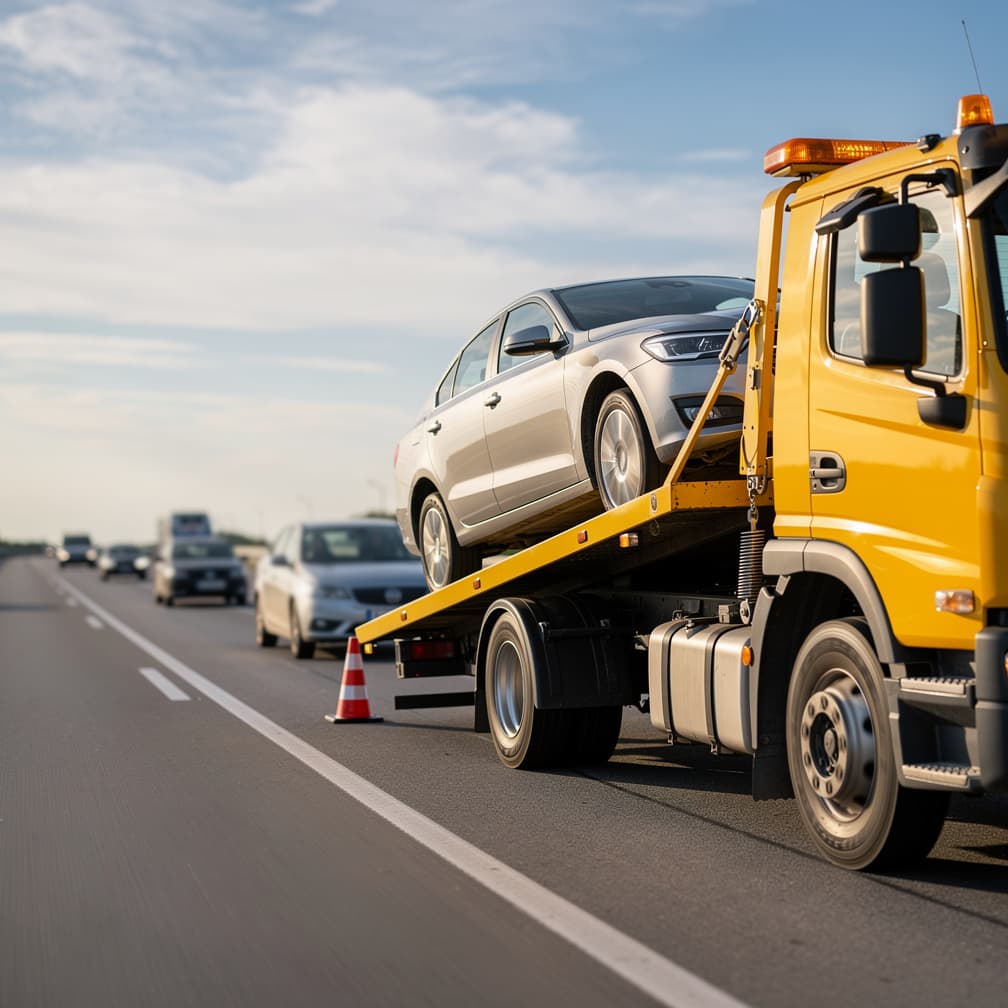
A strong quote request includes your dispatch radius, storage relationships, impound activity, after-hours calls, and whether you subcontract overflow work. That gives you a better chance to compare policy terms on the exposures that actually create on-hook losses, meaning damage to a customer vehicle while it is attached to your truck, loaded on your bed, or in your custody during transport, instead of comparing only price.
Collision on Hook
Covers damage to towed vehicles from collisions during transport.
Comprehensive on Hook
Covers theft, fire, and weather damage to vehicles being towed.
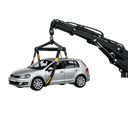
Loading & Unloading
Covers damage during the process of loading and unloading vehicles.
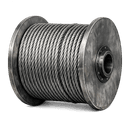
Winching Coverage
Covers damage to vehicles during winching and recovery operations.

Multiple Vehicle
Covers all vehicles on multi-car carriers and rollback flatbeds.
On-Hook Towing Insurance Requirements in Hawaii
- If your company serves multiple islands or distinct service territories, explain those differences clearly because underwriters may evaluate each operating pattern differently.
- Coastal work, sudden rain, and steep access roads can change how a routine tow is performed, which makes written loading and condition documentation more important.
- Visitor-heavy areas can increase disputes over pre-existing damage because the vehicle owner may not be present at pickup, so photo procedures should be consistent.
How Much Does On-Hook Towing Insurance Cost in Hawaii?
For a Hawaii towing business, on-hook pricing usually moves with exposure details that can make a damaged vehicle claim larger or harder to defend. Underwriters commonly look at the mix of flatbed versus wheel-lift work, whether you handle accident recovery or mostly routine roadside calls, the value of vehicles you tow, your operating territory, driver experience, prior losses, and the limits you request. A company moving standard passenger vehicles on scheduled runs presents a different risk than one taking emergency calls at night, working steep access roads, or towing luxury vehicles from resort and urban properties.
Your quote can also change based on how consistently you document condition before hookup and after drop-off. If your drivers use photos, note pre-existing damage, record pickup and release times, and follow a written loading procedure, the account is easier to underwrite because the carrier can see how a disputed damage claim may be defended. The same is true if you separate services clearly, such as roadside towing, impounds, recovery, and transport, instead of blending everything into one vague description.
In Hawaii, geography can affect cost even without a statewide average premium to point to. Inter-island operations, remote service areas, coastal exposure, and work in dense visitor districts can all change how a carrier views claim frequency and severity. A small operator running routine local tows may see quotes starting from a few hundred dollars per month, while a larger company handling accident recovery and higher-value vehicles should expect pricing to reflect that added exposure. The practical move is to request quotes with matching limits and the same operational details each time. That lets you compare how each policy treats the vehicles you tow, the services you perform, and the documentation standards you can realistically maintain.
Request a Quote Comparison
Enter your ZIP code to compare on-hook towing insurance rates from top carriers.
Business insurance starting at $25/mo
Who Needs On-Hook Towing Insurance?
In Hawaii, you need this coverage if your business takes custody of vehicles in ways that create a direct damage exposure during the tow. That includes traditional roadside towing, but the state-specific question is how your work is actually assigned and where it happens. If you pick up disabled vehicles from hotels, condos, rental fleets, repair shops, parking operators, private properties, or roadside scenes, you should review whether your on-hook setup matches those assignments.
Some operators need closer attention because their work creates more room for disagreement about vehicle condition. That can include companies handling visitor vehicles, higher-end cars, motorcycles, lowered vehicles, or mixed commercial and passenger units. It can also include businesses that do impounds, repossessions, accident recovery, or after-hours dispatches where the owner is not present at pickup. In those situations, a claim may turn on photos, dispatch notes, hookup method, and whether the destination receipt reflects the same condition observed at pickup.
Hawaii businesses that are not branded primarily as towing companies may still need this review. A roadside assistance contractor, transport operator, repair business with a rollback, or fleet service company can create the same on-hook exposure if it moves customer vehicles as part of the job. The deciding factor is not the label on your website. It is whether your truck is responsible for a customer vehicle while it is being loaded, attached, carried, or unloaded.
If your contracts with property managers, hotels, municipalities, or commercial clients require proof of insurance, ask for those requirements before shopping. That helps you match limits and endorsements to the work you are already being asked to perform.
On-Hook Towing Insurance by City in Hawaii
On-Hook Towing Insurance rates and coverage options can vary across Hawaii. Select your city below for localized information:
How to Buy On-Hook Towing Insurance
Buying this coverage in Hawaii goes more smoothly when you present your operation the way an underwriter will evaluate it. Start by separating your services into clear buckets: roadside towing, accident recovery, impounds, dealer or fleet moves, transport, winching, and any specialty work. Then identify which trucks perform each task, what vehicle types they handle, and whether the work is concentrated in urban corridors, resort areas, remote roads, or mixed territory.
Next, prepare the records that answer the questions most likely to affect terms. That usually means a current driver list, vehicle schedule, loss history, dispatch radius, and a short written description of your loading and release procedures. If you use photos at pickup and delivery, note that. If you decline certain vehicle types or require special handling for low-clearance or all-wheel-drive units, include that too. Those details help the carrier understand how you control avoidable damage.
In Hawaii, it also helps to explain any operational differences by island or service area. A company serving dense Honolulu properties may need to describe garage clearances and frequent short-haul calls. A company serving broader rural territory may need to explain longer tows, limited shoulder space, or weather-related recovery work. The more specific your submission, the easier it is to compare policy terms that fit your real exposure.
Before binding, review exclusions, valuation approach, reporting expectations after a loss, and how the policy treats subcontracted work if you ever farm out overflow calls. Then evaluate quotes side by side to see whether a lower premium reflects a better underwriting fit or narrower terms that could leave you arguing over a damaged vehicle later. Request a quote through CPK Insurance to compare your options with participating licensed providers.
How to Save on On-Hook Towing Insurance
The most reliable way to lower friction in Hawaii on-hook underwriting is to make your operation easier to understand and easier to defend after a claim. Start with intake discipline. Have drivers photograph each vehicle before hookup, capture all visible prior damage, and note wheel condition, body damage, glass issues, and any obstacles at the scene. That record can matter just as much as the policy itself when a customer disputes what happened during the tow.
You can also save by narrowing avoidable exposure. If certain assignments create repeated problems, such as very low-clearance vehicles, specialty units, or difficult private property pickups, decide whether to price that work differently, require special equipment, or decline it. Carriers generally respond better when your service mix is intentional instead of reactive. The same goes for driver selection, training, and written procedures for loading, tie-downs, and unloading.
In Hawaii, weather and terrain make consistency important. A routine process for rain conditions, steep grades, coastal corrosion checks, and after-hours documentation can reduce both claim frequency and claim severity. If your trucks and equipment are maintained on schedule and your records are organized, your submission is stronger because it shows operational control rather than guesswork.
When you shop, keep the quote request consistent across carriers. Ask each one to review the same services, truck list, limits, and loss information. That helps you spot whether a lower premium comes from better underwriting fit or from narrower terms that could leave you arguing over a damaged vehicle later.
Our Recommendation for Hawaii
If your drivers work tight hotel entries, condo garages, beachside properties, or steep access roads, ask your agent to walk through those scenarios before you bind. A policy can look similar on the declarations page and still respond differently once a claim turns on loading method, vehicle type, or disputed pre-existing damage.
You should also tighten your documentation before shopping. Underwriters and claims teams both care about whether your drivers photograph vehicles consistently, note prior damage clearly, and follow the same release process every time. In a state where weather can shift quickly and road conditions vary by island and elevation, that discipline matters.
Mention every service you perform, even if it is occasional. Impounds, recovery work, overflow subcontracting, and higher-value vehicle moves should not appear for the first time after a loss. Finally, compare quotes using identical limits and the same operational description. If one proposal is cheaper, find out whether it reflects a better fit or a narrower treatment of the vehicles and jobs that make your Hawaii operation different.
FAQ
Frequently Asked Questions
Hotel and resort calls often mean tight access and vehicles owned by visitors who may not be present at pickup. If your trucks take custody of customer vehicles in those settings, review on-hook terms around loading, transport, and unloading before accepting those assignments.
Hawaii insurers usually look at your specific dispatch patterns and equipment. Honolulu work can mean frequent hook-ups in dense traffic and garages, while rural routes can mean longer tows, steeper grades, and fewer recovery resources nearby.
Hawaii insurance oversight sits with the Hawaii Insurance Division, which regulates insurers and handles consumer insurance matters in the state. If you are comparing policies, keep copies of forms and endorsements so you can review terms carefully before binding.
Hawaii private property impound operators can still face damage allegations during hookup, movement, and release. If owners are not present at pickup, photo documentation and clear dispatch records become especially important when a claim is reported later.
Hawaii roadside assistance businesses may need the same review if they move customer vehicles as part of the job. The key issue is custody of the vehicle during loading, attachment, transport, or unloading, not the marketing label of the business.
Hawaii towing applicants should prepare a truck schedule, driver list, loss history, service descriptions, dispatch territory, and written loading procedures. If you photograph vehicles at pickup and delivery, include that because it can help underwriters evaluate claim defensibility.
Hawaii towing claims can hinge on whether the tow method matched the vehicle. Low-clearance cars, motorcycles, all-wheel-drive units, and higher-value vehicles often need more precise handling, so the quote should reflect what your drivers actually accept.
On-hook towing insurance may cover damage to a customer vehicle while it is being loaded, attached, carried, winched, or unloaded by your tow truck, depending on the policy terms. Buyers should review collision, fire, theft, weather, and loading-related damage carefully.
Sources
- 1.Hawaii Insurance Division(The Hawaii Insurance Division oversees insurance regulation in the state.)
Updated July 16, 2026