Updated July 16, 2026

Key Takeaways
- List every towing and transport service you perform before requesting quotes, so loading, unloading, winching, and recovery exposures are reviewed correctly.
- Compare the on-hook limit, deductible, valuation method, and exclusions side by side instead of choosing a policy on premium alone.
- Ask in writing whether your policy addresses the specific vehicles you tow most often, especially specialty, modified, low-clearance, or higher-value units.
- Use pre-tow photos, condition notes, and signed release procedures on every job to reduce disputes and support claims handling.
- Review on-hook coverage together with auto liability and any garagekeepers coverage before renewal to catch gaps between transport and storage.
On-Hook Towing Insurance in Idaho
If you tow for police rotations, motor clubs, lenders, auctions, or commercial accounts in Idaho, proof of insurance is often reviewed before you ever get the call list or service agreement. For many operators, that makes on-hook towing insurance less of a nice-to-have and more of a gate you clear to keep work moving. Your quote needs to match the vehicles you actually handle, the territory you run, and the way losses can happen during loading, transport, and unloading. That matters here because towing work can shift fast between interstate roadside calls, mountain grades, rural recoveries, and storage-yard transfers in the same week. A policy that looks adequate on paper can still create problems if your limits, truck schedule, or service descriptions do not line up with your contracts and dispatch reality. You want the underwriter to see the same operation your customers, law enforcement partners, and vendors see. Before you request terms, gather your truck list, service mix, driver details, and any contract insurance requirements so the quote comes back usable, not just nominally compliant.
What On-Hook Towing Insurance Covers
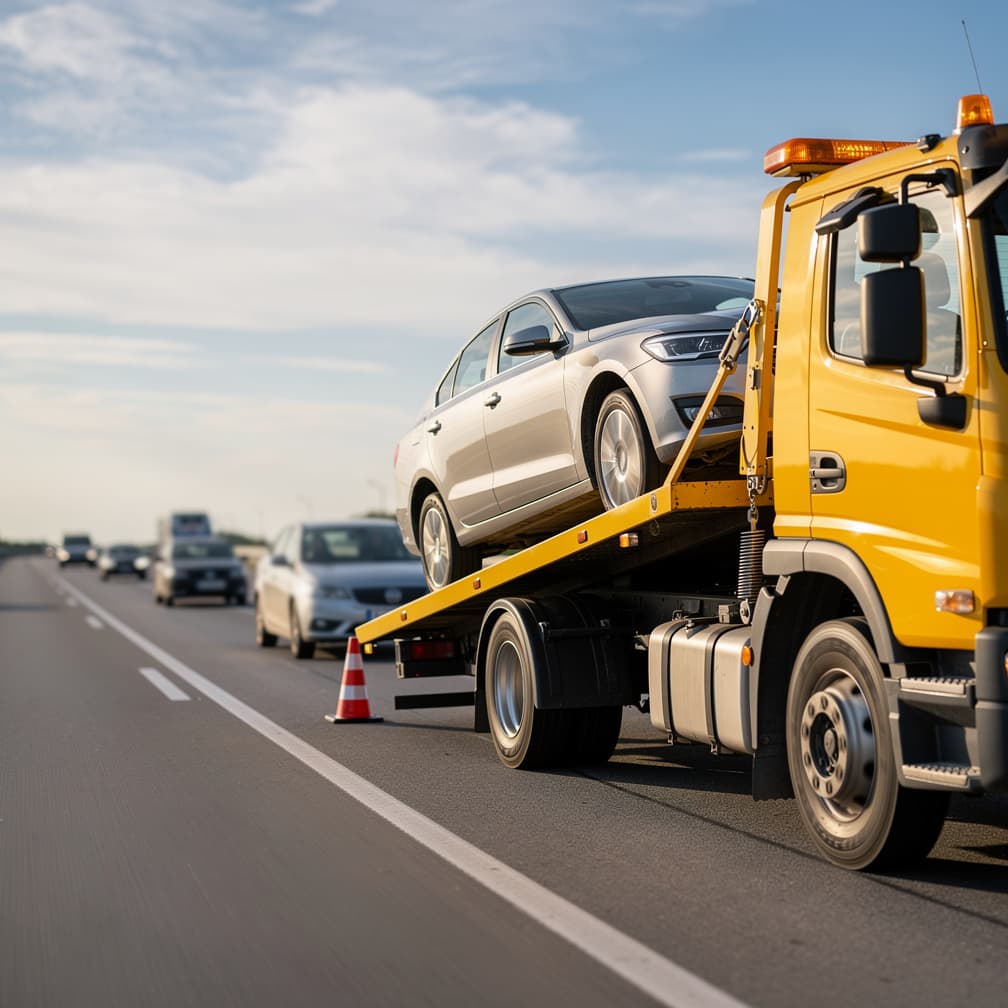
On-hook coverage can help pay for damage to a customer's vehicle while it is attached to, loaded on, carried by, or unloaded from your tow truck. A light-duty roadside tow on a clear urban route creates one kind of loss profile. A pickup pulled from a snowy shoulder, a low-clearance car loaded on uneven ground, or a disabled vehicle moved down a long rural stretch creates another. That is why you should ask the agent to separate how your operation handles routine towing, recovery-adjacent work, dealer or auction transfers, and any impound-related movement.
You also want to review how the policy responds to the handoff points where disputes often start, since loading and unloading procedures matter when damage allegations surface after the fact. A customer may point to bumper, fascia, wheel, undercarriage, glass, or drivetrain issues after delivery, especially if the vehicle already had prior damage. Your file should make clear which equipment you use, how vehicles are secured, whether you use flatbeds, wheel-lifts, dollies, or mixed methods, and who documents condition before transport.
For Idaho operators, territory deserves special attention during the coverage conversation. Steep grades, winter traction issues, narrow access roads, and long rural stretches can all change how a vehicle is attached, stabilized, and moved. If your work includes recoveries near embankments, off-pavement pulls, or long-distance transports between smaller communities, say so up front. The goal is not to make the account sound simple but to make it accurate enough that the policy terms, limits, and underwriting assumptions fit the jobs you actually accept.
Collision on Hook
Covers damage to towed vehicles from collisions during transport.
Comprehensive on Hook
Covers theft, fire, and weather damage to vehicles being towed.
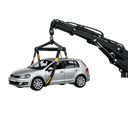
Loading & Unloading
Covers damage during the process of loading and unloading vehicles.
Winching Coverage
Covers damage to vehicles during winching and recovery operations.
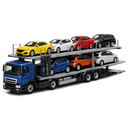
Multiple Vehicle
Covers all vehicles on multi-car carriers and rollback flatbeds.
On-Hook Towing Insurance Requirements in Idaho
- Idaho route conditions can change quickly between metro calls, interstate stretches, mountain grades, and remote pickups, so describe territory and typical assignments in operational detail.
- If your company handles seasonal weather calls, note how drivers document condition, secure vehicles, and manage loading on snow, ice, or uneven shoulders.
- Police rotation, lender, auction, and property-management work often comes with certificate and contract language, so review those requirements before binding rather than after dispatch starts.
- Mixed-use fleets should identify which trucks handle routine roadside towing versus impounds, transfers, or recovery-adjacent jobs, because underwriting assumptions can differ by unit.
How Much Does On-Hook Towing Insurance Cost in Idaho?
The price of this coverage is usually driven by exposure details, not by a one-line description of your business. Underwriters look closely at what you tow, how often you tow it, and how expensive a single damaged vehicle could be. A fleet that mostly moves standard passenger vehicles on scheduled runs is evaluated differently from an operation that mixes emergency roadside calls, police work, impounds, and occasional specialty units. In practical terms, that mixed operation can expect more questions and likely a higher premium because the carrier sees more ways a claim can happen.
Your service territory also affects the quote. If your trucks stay in a tighter metro area, the carrier may view the operation differently than one covering long rural distances, mountain corridors, or weather-sensitive routes where loading and transport conditions change quickly. The same is true if your dispatch pattern includes nights, weekends, or higher-frequency callouts. More time on the road and more varied assignments can mean more opportunities for a disputed damage claim, which is why underwriters price those patterns differently.
Equipment and procedures matter too. The truck type, towing method, securement practices, driver experience, and condition-photo process all help shape pricing. So do your requested limits, deductibles, and any contract requirements from police agencies, lenders, motor clubs, or commercial clients. If you need certificates issued quickly or have multiple named insureds and additional insured requests, mention that early so the quote reflects the administrative reality of the account.
Request a Quote Comparison
Enter your ZIP code to compare on-hook towing insurance rates from top carriers.
Business insurance starting at $25/mo
Who Needs On-Hook Towing Insurance?
In Idaho, this coverage deserves a close look any time your business takes possession of someone else's vehicle and moves it by tow truck as part of paid operations. That includes companies built around roadside towing, but it also reaches operators whose revenue comes from several channels at once. If you handle accident pickups, private property impounds, lender assignments, dealer transfers, auction moves, transport between storage locations, or seasonal overflow work for another tower, your exposure can change by account and by day.
The buyers who most often need a sharper review are the ones whose paperwork says one thing while dispatch reality says another. You may describe the business as roadside assistance, transport, recovery, fleet service, or repossession support. Yet you still create on-hook exposure whenever a customer vehicle is attached, loaded, carried, or unloaded by your truck. If that is part of the operation, the policy review should address it directly rather than leaving the underwriter to infer it from invoices after a claim.
Idaho operators should also think about who is asking for proof. Police rotations, municipalities, property managers, lenders, auctions, repair shops, and commercial fleets often want certificates that match the work order or service contract. If your team cannot produce evidence of the right coverage quickly, the practical result may be lost assignments or delayed onboarding even before any claim happens.
If damage to a customer vehicle during the tow may become your problem to explain, defend, or pay for, this coverage may belong in your insurance review before the next contract renewal or vendor application.
On-Hook Towing Insurance by City in Idaho
On-Hook Towing Insurance rates and coverage options can vary across Idaho. Select your city below for localized information:
How to Buy On-Hook Towing Insurance
To buy this coverage well in Idaho, start by building an underwriting file that mirrors your real operation. List every truck, towing method, service type, and territory you handle. Include whether each unit is used for light-duty roadside calls, dealer or auction moves, impounds, recovery-related work, or mixed dispatch. If one truck is used differently from the others, note that clearly instead of grouping the whole fleet under a broad description.
Send the documents that tend to slow quotes down when they are missing, such as driver lists, loss runs, current declarations, vehicle schedules, and copies of any contracts that set insurance requirements. If you work with police agencies, motor clubs, lenders, or commercial accounts, include the insurance language with the submission. That lets the quote be reviewed against the actual requirement instead of discovering a mismatch after binding.
Then walk through your procedures in plain operational terms. Explain how drivers inspect vehicles before hookup, how photos are taken, how pre-existing damage is documented, what securement equipment is used, and how keys, releases, and destination handoffs are handled. In Idaho, that detail matters because road conditions can vary widely across your service area. A concise but accurate procedure summary often helps the underwriter understand why your account is better controlled than a generic towing submission suggests.
Finally, compare quotes for fit, not just for premium. Check the covered operations, truck schedule, deductibles, limits, and any restrictions that could matter on your common assignments. If a term would force you to turn down work or create a contract problem, fix it before binding and before certificates go out. Ready to get started? Request a quote from CPK Insurance and we will match you with participating licensed providers who can help.
How to Save on On-Hook Towing Insurance
In Idaho, the most reliable way to lower friction in your on-hook pricing is to make each claim easier to prevent and easier to defend. Start with condition documentation. Require clear time-stamped photos before hookup and after delivery, especially on low-clearance vehicles, damaged units, auction cars, and any tow where weather, terrain, or visibility complicates the move. Good photos do not just support a claim response. They also help the underwriter see that your operation is disciplined.
Tighten service descriptions next. If your application says roadside towing but your dispatch log shows impounds, dealer transfers, and recovery-adjacent work, the mismatch can lead to repricing, exclusions, or a harder renewal. Clear classification helps you avoid paying for assumptions that do not fit your fleet, while also reducing the chance that a real exposure is left out.
Driver selection and training are another practical savings lever. Keep motor vehicle record reviews current, document securement procedures, and standardize how drivers note pre-existing damage, wheel condition, ride height, and special loading concerns. When disputed damage claims arise, a routine and credible file often makes the difference in how they resolve.
You can also save by reviewing deductibles and limits against the vehicles you commonly move, rather than defaulting to whatever you carried last term. If a contract requires certain terms, separate that requirement from optional choices so you know what is mandatory and what is negotiable. Ask for a remarketing review before renewal if your service mix, radius, or loss experience has improved since the last policy period.
Our Recommendation for Idaho
For Idaho towing operators, the smartest buying move is to align the policy with the jobs that create the largest dispute potential, not just the jobs you do most often. If your week can include interstate breakdowns, winter roadside calls, rural pickups, and storage-lot transfers, ask for a quote review that reflects those different handling conditions. The jobs that generate the most arguments tend to involve difficult terrain, weather, or vehicle condition, so make sure your policy terms account for those variables.
The Idaho Department of Insurance is the state insurance regulator, but your day-to-day buying decision still comes down to whether the policy language, limits, and underwriting assumptions fit your contracts and dispatch pattern. That is where expensive gaps usually start.
Before binding, test the quote against three real assignments from the last month. Use one routine tow, one higher-difficulty load, and one contract-driven job such as an impound or dealer move. If the truck, method, territory, and paperwork all fit cleanly, you are closer to a policy you can actually use. If not, revise the submission before certificates are issued and before a customer vehicle is on the hook.
FAQ
Frequently Asked Questions
Most Idaho police rotation lists require proof of insurance before a tower is added or renewed, and on-hook coverage is commonly part of that requirement. Send the rotation paperwork with your quote request so the policy terms and certificates can be checked against the actual obligation.
Idaho operators get better quotes when they submit truck schedules, driver lists, loss history, and the insurance language from motor clubs, lenders, auctions, or municipal contracts together. That gives the underwriter a cleaner basis to match limits, deductibles, and covered operations.
Yes. Long distances and variable road conditions can affect loading, securement, and claim severity, which means rural work may be priced or reviewed differently than metro-area towing. Describe your territory honestly so the quote reflects how your trucks are actually dispatched.
Idaho insurance questions are overseen by the Idaho Department of Insurance. If you are comparing policies, use that as the regulatory reference point, then focus your buying decision on whether the quote matches your trucks, services, and contract obligations.
Idaho operators may need this review even if they do not market themselves primarily as towing companies. If a customer vehicle is attached, loaded, carried, or unloaded by your truck during paid work, the exposure should be addressed in the quote.
Idaho submissions are stronger when they include each truck's use, towing method, service territory, driver information, current coverage details, and any contract insurance requirements. That reduces guesswork and helps you compare quotes that are built on the same facts.
Idaho towing disputes often surface after delivery because customers may notice bumper, wheel, glass, or undercarriage issues later, especially on damaged or low-clearance vehicles. Consistent photos, inspection notes, and handoff records give you a better file if a claim is questioned.
On-hook towing insurance may cover damage to a customer vehicle while it is being loaded, attached, carried, winched, or unloaded by your tow truck, depending on the policy terms. Buyers should review collision, fire, theft, weather, and loading-related damage carefully.
Sources
- 1.Idaho Department of Insurance(Idaho insurance questions are overseen by the Idaho Department of Insurance.)
Updated July 16, 2026