Updated July 16, 2026

Key Takeaways
- Review your construction contract before requesting a quote, so the named insureds and insurance responsibility match the job documents.
- Prepare the project budget, timeline, address, and scope summary before applying, so the quote reflects the work actually being built.
- Check whether the policy addresses on-site materials, transit, temporary structures, and soft costs before the first delivery arrives.
- Compare the policy term against your realistic completion schedule, then ask about extension options before the original term gets close to expiring.
- Map builders risk against your liability, installation, and equipment policies, so you avoid both coverage gaps and overlapping property insurance.
Builders Risk Insurance in Illinois
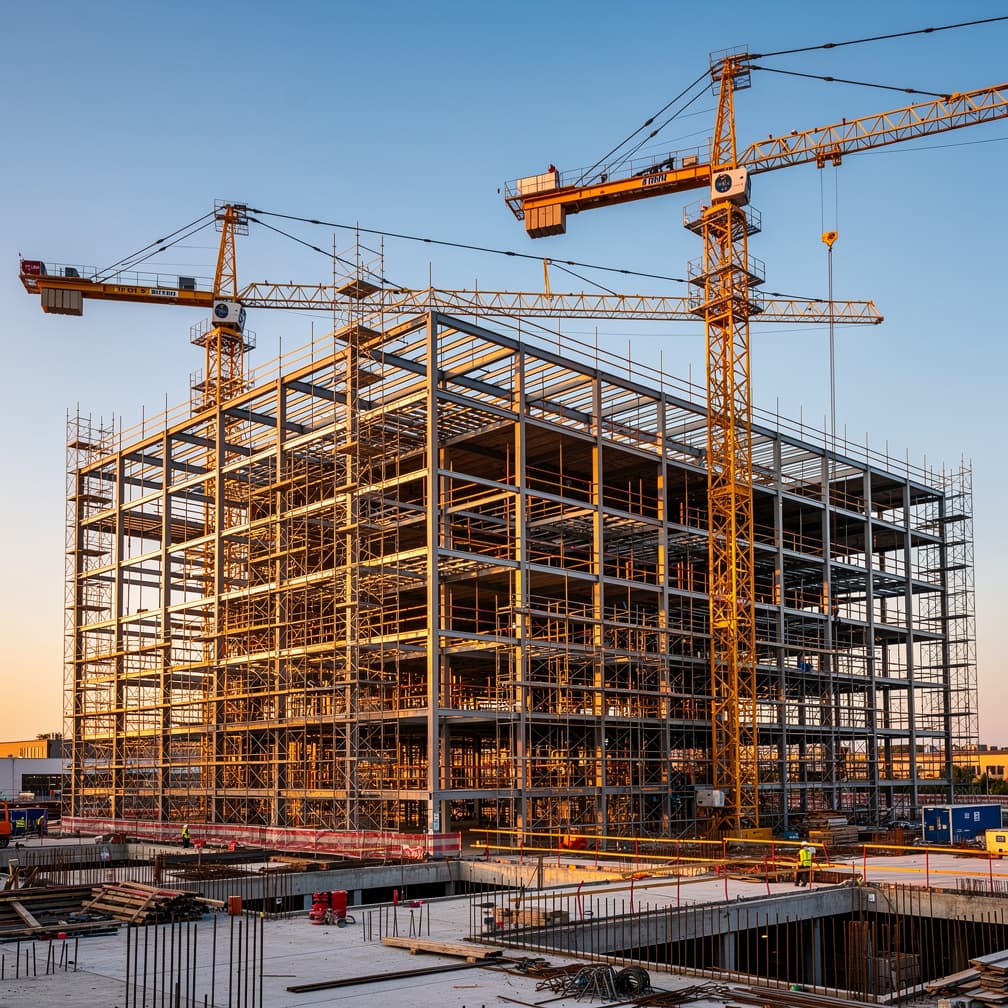
Most owners and contractors start thinking about builders risk right after plans are approved, financing closes, or a renovation contract is signed. That is when the risk shifts from a paper project to materials on site, scheduled draws, and crews moving work forward. Your coverage is easier to place correctly when you review it before the first delivery, not after framing starts or a lender asks for proof at the last minute. Your policy setup should match the contract, the job address, the build schedule, and who has an insurable interest in the work as it goes up.
A ground-up build in a Chicago neighborhood, an addition in the suburbs, and a rehab on a small-town main street can all need different valuation, security, and soft-cost discussions. Before you request a quote, pull together the construction agreement, project budget, timeline, site protection details, and any lender insurance requirements so the quote reflects the job you are actually building.
What Builders Risk Insurance Covers
The useful review is not the basic definition of builders risk, it is the property schedule and the loss scenarios most likely to interrupt your job. Start with the structure being built, then work outward to the materials, fixtures, and equipment that are part of the project and may be stored on site, staged temporarily, or in transit if your form allows it. That distinction matters because phased deliveries often sit on site before installation, and how your policy treats that gap can affect a claim.
For a renovation, you should separate existing structure exposure from new work exposure before binding coverage. If the project ties new construction into an occupied building, ask how the policy treats damage to the work itself versus damage involving the pre-existing structure. That is often where owners and contractors assume the contract answers everything, even though the policy language still controls the claim.
You should also review whether delay-related expenses, debris removal, temporary protection, scaffolding, fencing, and theft-sensitive materials need to be scheduled or endorsed. On an Illinois project with a tight lender draw schedule, a covered loss can create more than repair cost, it can stall inspections, push subcontractor sequencing, and leave materials exposed longer than planned. If your job includes custom components, long-lead items, or owner-supplied materials, identify them early so the quote addresses how they are valued and where they are located before installation.
The practical step is to mark up your budget line by line and ask which items are intended to be insured under the builders risk form, which are handled elsewhere, and which need special attention before the first certificate request goes out.

Structure Coverage
Covers the building or structure under construction.

Materials on Site
Covers building materials stored at the construction site.

Materials in Transit
Covers materials being transported to the job site.
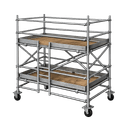
Temporary Structures
Covers scaffolding, fencing, and temporary buildings.

Soft Costs
Covers additional expenses from construction delays due to covered losses.

Equipment Coverage
Covers permanently installed fixtures and equipment.
Builders Risk Insurance Requirements in Illinois
- Illinois renovation projects often need careful review of how the policy treats new work versus damage involving the pre-existing building.
- If your Illinois job uses phased deliveries, confirm whether materials are intended to be covered on site, in temporary storage, or during transit.
- Lender-backed Illinois construction commonly requires exact entity names and interest wording, so verify mortgagee and loss payee details before binding.
- Urban sites in Illinois can present tighter staging and neighboring property concerns, which may make security procedures and water damage controls more important in underwriting.
How Much Does Builders Risk Insurance Cost in Illinois?
In Illinois, builders risk pricing usually turns on how underwriters view the project's total insured value, construction type, job duration, renovation complexity, and site controls. That means the most useful cost conversation is not a generic monthly figure, it is whether the quote matches the way your project will actually be built and financed. A lender-funded ground-up project with phased draws is rated differently from an owner-funded interior rehab, especially if the site will sit idle between trades or if materials are delivered well before installation.
Project location also changes the discussion. A dense urban site can raise concerns about theft, vandalism, neighboring property exposure, and limited staging space. A suburban or rural site may create different issues, such as longer response times after a loss, fencing limitations, or materials stored in detached areas. In either case, underwriters usually want a clear picture of site security, water damage controls, fire protection, and who checks the property when work pauses.
Your completed value needs to be accurate because understating it can create claim problems later, while overstating it may mean paying for limits you do not need. The same goes for the policy term. A term that is too short can force an extension request in the middle of the job, while a term that is too long can add cost without helping the project. Renovation work often needs especially careful valuation because labor, installed materials, and partial completion can change quickly as the job progresses.
To get a quote you can trust, send the budget, contract amount, construction schedule, scope summary, and any lender insurance specifications together. That gives the underwriter enough detail to price the Illinois project on its actual exposure instead of broad assumptions.
Request a Quote Comparison
Enter your ZIP code to compare builders risk insurance rates from top carriers.
Business insurance starting at $25/mo
Who Needs Builders Risk Insurance?
The right question is not simply who can buy builders risk, but who the contract makes responsible and who would actually lose money if a covered loss interrupts the job. Owners are often the named insured because they have the primary financial interest in the structure and the loan obligations tied to progress. General contractors may be responsible for arranging coverage on design-build work or on projects where the owner wants one policy to coordinate the job. Developers, investors, and entities holding title should be reviewed as well if they have a direct stake in the work in place.
Residential projects create their own decision points. If you are building a custom home, adding a major addition, or taking a house down to the studs, you should confirm whether the owner, builder, or both need to be reflected in the policy structure. A homeowner often assumes the existing property policy will handle the project, but substantial construction can change that assumption quickly. The same issue comes up with small commercial renovations where the building remains partially occupied during the work.
Lenders also shape who needs the policy, even if they are not buying it themselves. Loan documents often require evidence that the project is insured for the proper value and term, with the lender's interest addressed correctly. If multiple parties are involved, the quote should be built from the contract set so named insureds, additional insured requests, mortgagee interests, and loss payee language are reviewed before closing or mobilization.
Illinois buyers should gather every party with money at risk, compare that list against the contract, and resolve any mismatch before materials are delivered. That step prevents a common problem: discovering after a loss that the wrong entity was listed or an interested party was never added.
Builders Risk Insurance by City in Illinois
Builders Risk Insurance rates and coverage options can vary across Illinois. Select your city below for localized information:
How to Buy Builders Risk Insurance
Buying builders risk starts with assembling the underwriting file before you ask for terms. Begin with the signed or near-final contract, then add the project address, scope of work, total completed value, start date, target completion date, and a breakdown of major materials or specialty components. If the job is financed, include the lender insurance requirements at the same time. That lets the quote be built around the actual obligations instead of revised after closing.
Next, identify the project type clearly. A new build, an addition, and a major renovation can look similar on a summary sheet but create very different underwriting questions. Renovation work especially needs detail on occupancy, protection of the existing structure, utility shutdowns, and whether any part of the building stays in use during construction. If there is demolition, structural work, or owner-supplied material, say so up front.
Then review the parties and paperwork. Illinois projects often involve owners, developers, general contractors, lenders, and sometimes tenants or condo associations, each with a different interest in the work. Ask for the exact legal names that should appear on the policy and confirm whether the contract calls for mortgagee, loss payee, or other project-specific wording. Fixing those details before binding is easier than correcting them after certificates have been issued.
You should also expect questions about site security, fencing, lighting, water shutoff procedures, fire protection, and how often the site is checked when work stops. Those answers affect both eligibility and terms. The Illinois Department of Insurance oversees insurance regulation in the state, so if you want to verify licensing or review consumer guidance while comparing options, you can reach them at insurance.illinois.gov or by calling 866-445-5364 before you bind. The practical buying step is simple: submit one complete package through CPK Insurance to compare your options with participating licensed providers, then compare quotes on covered property, valuation, exclusions, term, and extension options, not just price.
How to Save on Builders Risk Insurance
The cleanest way to control builders risk cost is to reduce uncertainty for the underwriter and avoid preventable claim triggers during the job. Start with a realistic completed value and a scope summary that matches the contract. If the numbers on the application, budget, and lender file do not line up, you create extra underwriting friction and often a less favorable quote. Clear documentation helps the carrier understand the project without pricing in avoidable ambiguity.
Site controls matter too. If materials will be stored before installation, explain where, how they are secured, and who is responsible for checking them. If the project will be vacant between phases, describe the inspection routine, water damage prevention steps, and how access is restricted. Those details can support better terms because they show the site is being managed, not left exposed.
You can also save by tightening the policy term to the actual construction schedule while leaving enough room for realistic delays. A term that is too short can force an extension under pressure. A term that is too long can add unnecessary cost. The same principle applies to optional coverages. Review soft costs, temporary structures, transit exposure, and theft-sensitive materials based on the job, not by checking every box automatically.
For Illinois renovations, separate existing structure concerns from new work and ask whether another policy is intended to respond to parts of the risk. Overlap can waste premium, while gaps can be expensive after a loss.
Our Recommendation for Illinois
For Illinois projects, treat builders risk as part of project administration, not a last-minute certificate task. The strongest file usually starts with the contract set, lender requirements, and a budget that clearly separates hard costs, soft costs you want reviewed, and any owner-supplied materials. That makes it easier to test whether the insured value and policy term fit the actual build.
If your job is a renovation, ask for a direct discussion of existing structure exposure, occupancy during construction, and who carries which piece of the risk. Those issues create more confusion than straightforward ground-up work. If your site will have staged deliveries or custom materials, document where property will be before installation and whether transit or temporary storage needs to be addressed.
You should also pressure-test the extension process before binding. Illinois jobs can shift because of permitting, subcontractor sequencing, inspections, or weather-related delays, and an extension request is easier when the original underwriting file is complete. Finally, compare quotes on valuation method, covered property categories, exclusions, and administrative fit with your lender or contract requirements. A cheaper quote that does not match the paperwork can cost more time and money once the project is underway.
FAQ
Frequently Asked Questions
Projects are often insured by the party the contract makes responsible, commonly the owner or general contractor. Before buying, match the named insured to the construction agreement and lender requirements so the entity with money at risk is reflected correctly.
Yes, because the risk is split between new work and the existing structure. If the building stays occupied during construction, ask how the policy treats that setup before materials arrive or demolition starts.
Lender-financed projects often require proof of coverage before funds are released. Review the loan documents early so insured value, policy term, and mortgagee wording are handled before closing instead of delaying the start of work.
Buyers should compare more than premium. Check the covered property categories, valuation approach, exclusions, policy term, extension process, and whether the quote matches the contract parties and lender wording required for the project.
Homeowners often need to review builders risk when a remodel is substantial enough to change how the property is insured during construction. Start with the contract and ask whether the owner, builder, or both should appear in the policy structure.
Underwriters usually need the project address, scope, completed value, construction schedule, contract details, and site protection information. Sending a complete package up front usually produces a cleaner quote and fewer revisions before binding.
Insurance regulation in the state is overseen by the Illinois Department of Insurance. If you want to verify licensing or review consumer guidance while comparing policies, you can reach them at insurance.illinois.gov or by calling 866-445-5364 before you bind coverage for the project.
Builders risk insurance may cover, subject to policy terms, the structure under construction, materials on site, materials in transit, temporary structures, and fixtures or equipment being installed. Depending on the policy, you can also review soft costs and delay-related coverage tied to a covered property loss.
Sources
- 1.Illinois Department of Insurance(Illinois insurance regulation is overseen by the Illinois Department of Insurance.)
Updated July 16, 2026