Updated July 16, 2026

Key Takeaways
- Review your construction contract before requesting a quote, so the named insureds and insurance responsibility match the job documents.
- Prepare the project budget, timeline, address, and scope summary before applying, so the quote reflects the work actually being built.
- Check whether the policy addresses on-site materials, transit, temporary structures, and soft costs before the first delivery arrives.
- Compare the policy term against your realistic completion schedule, then ask about extension options before the original term gets close to expiring.
- Map builders risk against your liability, installation, and equipment policies, so you avoid both coverage gaps and overlapping property insurance.
Builders Risk Insurance in Kansas
The biggest price driver for a builders risk policy in Kansas is usually the job itself. Where the site sits, how exposed materials are before installation, and how long the project stays open to weather and theft all shape what an underwriter sees. That is why shopping for this coverage starts with a tighter project narrative, not a rushed application. You want your quote to match the build schedule, delivery timing, temporary storage setup, and who controls site security after hours.
Kansas projects often face wide-open site conditions, changing weather, and stretches where framing, roofing, or mechanical materials sit on site before they are fully enclosed. That can change how an underwriter looks at gaps in the construction timeline, especially if the project includes a renovation with occupied space nearby or a new build with staged deliveries. Your review should focus on the completed value, the construction phase most likely to create a loss, and whether the policy terms line up with your contract requirements. Gather the construction agreement, budget, draw schedule, and a clear list of materials that will be stored on site, in transit, or at a temporary location.
What Builders Risk Insurance Covers
The practical coverage review usually turns on where property sits before it becomes part of the structure and which party controls it at each stage. That matters on projects where materials arrive early, sit in a laydown yard, or move between a supplier, temporary storage, and the job site before installation. If your schedule depends on long-lead items, ask whether the policy is written broadly enough for those movements and whether any sublimits apply to property away from the site.
You should also review how the policy treats partial completion. Some policies may cover completed portions of the project differently from work still in progress, so ask whether coverage shifts once a section is finished or whether the full completed value stays in force until final acceptance. A project can be most vulnerable before the building is dried in, but loss exposure does not disappear once portions are enclosed. Interior finishes, mechanical equipment, and electrical components can still be damaged by water intrusion, theft, or a job site incident. On a renovation, that review becomes even more important if work happens around an occupied building, because the line between existing property and new work needs to be clear before a claim ever happens.
For your quote request, bring the site address, project description, contract value, target completion date, and a list of any temporary structures, scaffolding, fencing, or stored materials you expect to insure. Then ask the agent to walk you through exclusions, valuation method, and when coverage begins and ends under the policy terms.

Structure Coverage
Covers the building or structure under construction.
Materials on Site
Covers building materials stored at the construction site.

Materials in Transit
Covers materials being transported to the job site.
Temporary Structures
Covers scaffolding, fencing, and temporary buildings.

Soft Costs
Covers additional expenses from construction delays due to covered losses.
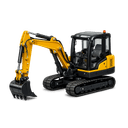
Equipment Coverage
Covers permanently installed fixtures and equipment.
Builders Risk Insurance Requirements in Kansas
- Kansas projects with open access or wide laydown areas should review how the policy treats theft-sensitive materials before installation and after business hours.
- If your build relies on staged deliveries, confirm whether property may be covered at the job site, in temporary storage, and while moving between locations.
- Renovation work should separate existing property from new construction clearly, especially when the building stays occupied during part of the project.
- Projects likely to face schedule changes should review extension procedures early, because a delayed completion date can create a coverage gap if the term expires first.
How Much Does Builders Risk Insurance Cost in Kansas?
For a Kansas project, cost usually moves with exposure concentration rather than a simple statewide average. A site with open access, long material dwell times, phased construction, or a schedule that runs through severe weather periods can be viewed differently from a tightly controlled build with quick installation and limited storage. That is why two projects with similar budgets can still produce very different terms.
To shop intelligently, break the quote into the factors an underwriter actually prices. Start with completed value and confirm it reflects the full amount at risk, not just the current draw. Then review construction type, project duration, renovation versus new construction, and whether any owner-furnished materials or specialty equipment need to be included. If materials will be stored off site or delivered in stages, say so up front. If the site will be fenced, lighted, monitored, or checked after hours, include that too, because site controls can affect how the risk is viewed.
Kansas weather exposure also changes pricing conversations even when the policy language stays similar. A project that spends more time in framing or roofing stages may need closer review than one that reaches dry-in quickly. Instead of asking only for the lowest quote, ask for side-by-side options with different deductibles, waiting periods if applicable, and endorsements for temporary storage or transit. That gives you a cleaner way to compare total value, not just the initial premium.
Request a Quote Comparison
Enter your ZIP code to compare builders risk insurance rates from top carriers.
Business insurance starting at $25/mo
Who Needs Builders Risk Insurance?
In Kansas, the right buyer is usually the party that carries the clearest financial risk under the contract, but that answer is not always as simple as the owner or the general contractor. On some jobs, the owner is required to place the policy and make sure lenders, contractors, and other project stakeholders are handled correctly. On others, the general contractor is expected to arrange coverage because that party controls the site, schedule, and subcontractor flow. The contract should settle that before work starts.
You should review this coverage if you are funding a ground-up build, a major addition, or a substantial renovation where materials, labor, and partially completed work could be damaged before the project is finished. It is also worth reviewing if your lender, landlord, or development agreement requires evidence of property coverage during construction. In practice, that often includes owners, developers, general contractors, and construction managers, depending on how the job is structured.
Kansas projects with staged deliveries or remote storage deserve extra attention because the financial stake may be spread across several parties at once. A supplier may hold materials temporarily, a contractor may take responsibility once they arrive, and the owner may still bear the ultimate project loss if a delay pushes back occupancy or financing milestones. Before you buy, identify who must be named, who has an insurable interest, and who is responsible for deductibles, change orders, and any extension if the completion date slips.
Builders Risk Insurance by City in Kansas
Builders Risk Insurance rates and coverage options can vary across Kansas. Select your city below for localized information:
How to Buy Builders Risk Insurance
Buying correctly starts with the contract package and the construction timeline, then moves to the site details that underwriters use to shape terms. Pull the owner contract, lender requirements, project budget, schedule of values, and any exhibit that assigns insurance responsibilities. From there, build a short underwriting summary that explains the job in plain language: new build or renovation, occupancy status, construction type, target completion date, security controls, and where materials will be stored before installation.
Next, make the named insured and additional interests list precise. If the wrong entity is listed, or a required party is left off, you can create avoidable problems at closing, draw requests, or claim time. Confirm the legal project name, site address, and whether the policy should include the owner, general contractor, lender, or others with a documented financial interest. If the project has multiple phases, ask whether one policy can handle the full job or whether each phase should be scheduled separately.
For Kansas jobs, it also helps to ask direct operational questions instead of broad coverage questions. Ask when coverage attaches, what property may be covered off site or in transit, how change orders are handled, and what happens if completion is delayed. Ask for the exclusions and endorsements in writing, not just a certificate summary. Before binding, compare the quote against the contract one more time so the policy term, insured parties, and valuation approach all line up with the project you are actually building. Request a quote through CPK Insurance to compare your options with participating licensed providers.
How to Save on Builders Risk Insurance
Underwriters price what they can see, so the surest way to lower your premium is to document the project thoroughly before the file reaches their desk. Start with a complete statement of values, a realistic completion date, and a site plan that shows fencing, lighting, locked storage, and who checks the property after hours. If your project uses staged deliveries, identify which materials arrive early and where they will be kept. Clear information can lead to a smoother quote than a vague application that leaves the underwriter guessing.
You can also reduce avoidable cost by matching the policy term to the real construction schedule. If the timeline is too short, you may pay again for an extension or face a scramble near completion. If it is too loose, you may be buying time you do not need. Review the schedule with your contractor, especially if the project includes weather-sensitive phases, custom materials, or utility work that could slow completion.
Another practical savings step is to compare deductible structures and endorsements instead of focusing on one headline number. A lower premium is not always the better buy if it strips out temporary storage, transit, or other property exposures your Kansas project actually has. Then keep the site disciplined during the build, because claim activity and poor controls can make the next project harder to place.
Our Recommendation for Kansas
For Kansas projects, treat the coverage review like part of preconstruction, not a last-minute certificate task. The most useful file is the one that explains how the job will actually run: who controls the site, when major materials arrive, how long they sit before installation, and which phase leaves the structure most exposed. That level of detail helps you compare terms that look similar on the declarations page but respond differently once a loss happens.
Ask for special attention if the project is a renovation, includes owner-furnished materials, or depends on temporary storage away from the site. Those details often create the biggest misunderstandings. You should also confirm how the policy handles delays, change orders, and the point at which coverage ends, because those issues tend to surface late in the job when there is less room to fix them.
Kansas weather and open-site conditions make schedule discipline matter. If the build is likely to stretch, review extension options before the original term gets close to expiration. And before binding, compare the policy against the contract line by line so named parties, valuation, and project dates all match the obligations you already signed.
FAQ
Frequently Asked Questions
The Kansas Insurance Department regulates policy forms, endorsements, and carrier compliance.
Renovation projects often deserve a builders risk review when new work, materials, and partially completed improvements could be damaged before completion. The key step is separating existing property from the renovation scope so responsibilities are clear.
Construction financing often comes with insurance conditions in the loan documents. Before closing, compare the lender's requirements with the construction contract so the named parties, valuation approach, and policy term all match.
Projects sometimes need off-site storage because materials arrive before installation. Coverage may be available depending on the policy terms, so ask specifically about temporary storage locations, sublimits, and who controls the property there.
Projects usually name the parties with a documented financial interest, but the contract should drive the final list. Review the owner, general contractor, lender, and any others who must appear before binding coverage.
Buyers should compare more than premium. Review deductibles, covered property locations, valuation method, policy term, and how the quote handles change orders, delays, and temporary storage so the terms fit the actual job.
Coverage should be reviewed before materials start arriving and before contract obligations become active. Waiting too long can create problems with lender draws, site access, or a gap between responsibility and coverage.
Builders risk insurance may cover, subject to policy terms, the structure under construction, materials on site, materials in transit, temporary structures, and fixtures or equipment being installed. Depending on the policy, you can also review soft costs and delay-related coverage tied to a covered property loss.
Sources
- 1.Kansas Insurance Department(The Kansas Insurance Department is the state regulator.)
Updated July 16, 2026