Updated July 16, 2026

Key Takeaways
- Review your construction contract before requesting a quote, so the named insureds and insurance responsibility match the job documents.
- Prepare the project budget, timeline, address, and scope summary before applying, so the quote reflects the work actually being built.
- Check whether the policy addresses on-site materials, transit, temporary structures, and soft costs before the first delivery arrives.
- Compare the policy term against your realistic completion schedule, then ask about extension options before the original term gets close to expiring.
- Map builders risk against your liability, installation, and equipment policies, so you avoid both coverage gaps and overlapping property insurance.
Builders Risk Insurance in Kentucky
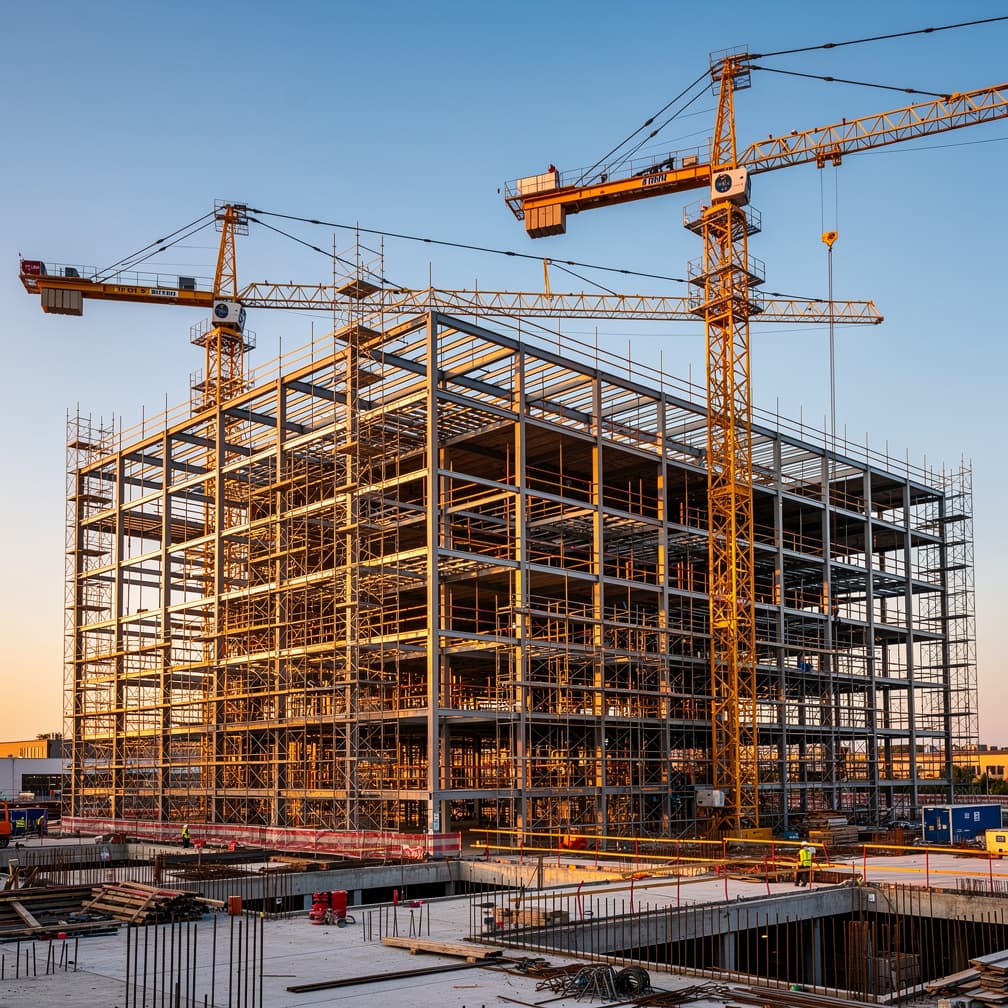
If you are planning a build in Kentucky, you may wonder whether you need a separate policy or can rely on the property coverage you already carry. In many cases, you need a project-specific review, because a building under construction creates exposures that are handled differently from a finished, occupied property. Builders risk insurance in Kentucky is usually about matching the policy to the job site, the contract, and the stage of work, not checking a box.
That distinction matters on projects that move through changing weather, partial occupancy questions, and multiple parties with money tied to the same build. A ground-up commercial job, a farm structure addition, and a major renovation in an occupied building can each call for different valuation, soft cost, and installation language. Your contract may also shift responsibility between owner, general contractor, and lender, so the right buyer is not always obvious from the start. You usually make better decisions when you review the construction agreement first and confirm who must insure materials and temporary works.
What Builders Risk Insurance Covers
Your project often needs a closer look at where property sits before installation, how it moves to the site, and when it becomes part of the work. If your job includes owner-furnished materials, long-lead items, or equipment staged off site before delivery, you should ask whether those values need to be scheduled or addressed by endorsement rather than assumed.
Renovation work deserves extra attention. If you are improving an existing structure, the policy language should be reviewed for the new work, existing building exposure, and any gap between what the owner expects and what the form may cover. A school addition, church renovation, or mixed-use rehab can involve occupied premises, phased turnover, and materials stored in more than one place. Those details affect how a claim is evaluated after a loss.
Kentucky weather patterns also make cause-of-loss wording worth reading line by line. Instead of assuming all site damage is treated the same, ask how the policy handles water entering during construction, wind-driven damage to partially completed work, and theft or vandalism at a site that is not yet enclosed. If your project depends on a lender draw schedule, you should also review whether delay-related expenses or soft costs need to be added, because a property loss can create financing and scheduling problems long before the building is finished.

Structure Coverage
Covers the building or structure under construction.

Materials on Site
Covers building materials stored at the construction site.

Materials in Transit
Covers materials being transported to the job site.
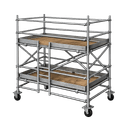
Temporary Structures
Covers scaffolding, fencing, and temporary buildings.

Soft Costs
Covers additional expenses from construction delays due to covered losses.

Equipment Coverage
Covers permanently installed fixtures and equipment.
Builders Risk Insurance Requirements in Kentucky
- Kentucky renovation projects in occupied buildings often need a policy that treats new work and existing structure exposure as separate issues, because a loss to either can affect the other.
- If your Kentucky job uses owner-purchased fixtures or staged deliveries, ask how off-site storage and transit-related property values are addressed.
- Projects with lender draw schedules should review soft cost and delay-related options early, because a covered property loss can disrupt financing timing.
- A Kentucky build that may become partially occupied before final completion should be flagged before binding, not after the site use changes.
How Much Does Builders Risk Insurance Cost in Kentucky?
In Kentucky, builders risk pricing is usually driven by the project itself, so the useful question is not a generic monthly number. The better question is what an underwriter needs to see before putting terms on the job. Start with completed value, construction type, site security, project duration, and whether the work is new construction, an addition, or a renovation inside an existing structure.
From there, the quote usually changes based on how values are documented. If your budget separates labor, materials, and owner-supplied items clearly, the submission is easier to evaluate. If values are rough, the underwriter may price more conservatively or come back with follow-up questions that slow the process. The same thing happens when the schedule is unclear, especially if the project could run into a season with more wind or water exposure.
You should also expect cost differences based on who is buying the policy and how the contract allocates risk. An owner-controlled placement can look different from a contractor-controlled placement, particularly when multiple entities need to be named or when lender requirements add specific wording. Deductible choices, requested extensions, and any need for soft cost protection can also move the quote.
A clean submission gives you a quote you can actually compare, instead of a placeholder that changes once the real project details come out. That means a signed contract if available, project address, construction budget, timeline, security details, and a clear list of parties with an insurable interest.
Request a Quote Comparison
Enter your ZIP code to compare builders risk insurance rates from top carriers.
Business insurance starting at $25/mo
Who Needs Builders Risk Insurance?
In Kentucky, the right question is usually not who can buy builders risk, but who is contractually responsible for carrying it on this job. That can be the property owner, the general contractor, or another party with a financial interest in the work. If you are funding the project, supervising the build, or depending on the completed structure to open on time, you have a reason to review the requirement early.
Owners often need to look closely at this coverage on custom homes, commercial ground-up projects, agricultural buildings, and major renovations where a loss would interrupt financing or delay occupancy. Contractors should review it when the contract pushes responsibility for the work in place, temporary structures, or stored materials onto them. Developers and investors should pay attention when several entities are involved, because named insured and loss payee wording can become just as important as the property limit.
Lenders also shape who needs the policy in practice. If your financing documents require evidence of coverage before funds are released, waiting until materials are ordered can create avoidable delays. The same is true if your project includes prefabricated components, owner-purchased fixtures, or a phased construction schedule that changes who controls the site over time.
You should also remember that the state regulator is the Kentucky Department of Insurance, which you can reach through their official website or by calling their consumer hotline. If a dispute arises over a claim or policy form, that agency oversees producer licensing and complaint handling, so you have a defined place to escalate problems you cannot resolve directly with the carrier. That does not replace contract review, but it is a reminder to verify terms, endorsements, and named parties before work advances too far to fix a paperwork problem cheaply.
Builders Risk Insurance by City in Kentucky
Builders Risk Insurance rates and coverage options can vary across Kentucky. Select your city below for localized information:
How to Buy Builders Risk Insurance
In Kentucky, buying this coverage starts with collecting the documents that define the job, not with guessing at a limit. Pull the construction contract, lender requirements, project budget, timeline, site address, and any exhibit that shows who is responsible for insuring materials, temporary works, and change orders. If the contract is still being negotiated, identify the insurance section first, because that language often decides who should be the applicant.
Next, build a submission that matches how the project will actually run. Include the completed value, construction type, start date, expected completion date, and whether the work is new construction, renovation, or an addition to an occupied structure. If materials will be stored off site or delivered in stages, say so clearly. If the owner is supplying major items, list them, because underwriters can only quote what is disclosed.
Then review named insureds and additional interests carefully. Construction here often involves owners, general contractors, subcontractors, lenders, and property managers, but not every party belongs on the policy in the same way. Ask which entities need to be named, which need certificate evidence, and whether loss payee or mortgagee wording is required by the financing documents.
Before binding, read the quote for practical gaps. Check the policy term against the construction schedule, confirm the valuation basis, and ask how extensions are handled if the job runs long. Review deductibles, theft conditions, water-related limitations, and any soft cost options. If the site could become partially occupied before final completion, raise that point before purchase, not after a claim.
How to Save on Builders Risk Insurance
You usually save money on builders risk by reducing uncertainty in the submission and avoiding preventable coverage changes mid-project. The first step is accurate values. If your completed value is understated, the quote may look better at first but create problems later when the lender, contract, or claim file does not match what was reported.
Security planning also matters. A site with controlled access, documented material delivery procedures, and a clear plan for locking down stored materials and installed property is easier to underwrite than a site with open questions about theft exposure. The same applies to water damage prevention. If the project team has a written plan for temporary weather protection, interior material storage, and inspection after major weather events, that can support a cleaner underwriting conversation.
You can also save by aligning the policy term with the real schedule. If the build is likely to extend, ask about extension mechanics up front instead of treating the original end date as fixed. Last-minute changes tend to create friction, and they can limit your options if the project is already behind. A realistic timeline is usually more useful than an optimistic one.
Another practical savings move is to keep the party structure simple where the contract allows. Too many late additions of named interests, changing values, or unclear responsibility for owner-furnished materials can force rewrites and slow binding. Submit the contract language, budget, and schedule together, then compare quotes on the same assumptions. That helps you judge deductible tradeoffs and coverage options on a fair basis instead of chasing a number that may not hold once the file is fully reviewed.
Our Recommendation for Kentucky
For your project, start by stress-testing the contract against the job site reality. If the agreement says one party insures the work, but another party is buying major materials or controlling storage, fix that mismatch before the first delivery arrives. Claims get harder when the paperwork and the project do not describe the same risk.
Ask direct questions about water, wind, theft, and partial occupancy. Those issues often create the most confusion on active jobs because the site changes week by week. A renovation inside an occupied building should be reviewed differently from a new structure on a vacant site, even if the total value looks similar on paper.
Keep your values current as change orders come in. If the project grows, update the policy before the added value is exposed to loss. The same goes for schedule drift. If completion moves out, request the extension while the policy is still active and before a lender or owner asks for updated evidence.
Finally, use the quote process to test service, not just price. A useful proposal should show who is insured, what property is contemplated, how the term fits the build, and which endorsements need a decision. If any of that is vague, ask for clarification before you bind.
FAQ
Frequently Asked Questions
Renovation work often calls for a separate policy because the exposure is different from a finished, occupied property. You should compare the contract, the existing building exposure, and the planned phases of work before deciding how the project should be insured.
The buyer usually follows the construction contract. The buyer may be the owner, general contractor, or another party with a financial interest, so you should verify who is responsible for the work, materials, and lender requirements before requesting terms.
Kentucky lenders often require evidence of coverage before draws or closing conditions are satisfied. You should review the financing documents early, confirm required wording, and make sure the named insured and loss payee structure matches the project paperwork.
Submissions work better when they include the contract, project address, completed value, timeline, construction type, and any off-site or owner-furnished materials. A complete file gives you a quote that is easier to compare and less likely to change later.
Kentucky insurance questions and complaint processes run through the Kentucky Department of Insurance. If you need to verify producer licensing, review consumer guidance, or understand the state regulator's role, start there before escalating a policy dispute.
The policy can often be updated, but late changes create avoidable friction. If owners, lenders, or contractors need to be named, it is better to identify those interests before binding so certificates and policy wording match the contract from the start.
It may cover off-site storage, but typically only up to a specific limit and for a set time frame before installation. You should ask specifically how stored materials are treated and whether they need to be scheduled or endorsed.
Builders risk insurance may cover, subject to policy terms, the structure under construction, materials on site, materials in transit, temporary structures, and fixtures or equipment being installed. Depending on the policy, you can also review soft costs and delay-related coverage tied to a covered property loss.
Sources
- 1.Kentucky Department of Insurance(Kentucky buyers should also remember that the state regulator is the Kentucky Department of Insurance, so policy forms, producer guidance, and complaint handling sit within that framework.)
Updated July 16, 2026