Updated July 16, 2026

Key Takeaways
- List every towing and transport service you perform before requesting quotes, so loading, unloading, winching, and recovery exposures are reviewed correctly.
- Compare the on-hook limit, deductible, valuation method, and exclusions side by side instead of choosing a policy on premium alone.
- Ask in writing whether your policy addresses the specific vehicles you tow most often, especially specialty, modified, low-clearance, or higher-value units.
- Use pre-tow photos, condition notes, and signed release procedures on every job to reduce disputes and support claims handling.
- Review on-hook coverage together with auto liability and any garagekeepers coverage before renewal to catch gaps between transport and storage.
On-Hook Towing Insurance in Louisiana
Louisiana buyers often face a simple expectation before work starts: your insurance paperwork needs to match the towing you actually perform. A mismatch can slow a contract review, a vendor setup, or a claim. For on-hook towing insurance, that usually means lining up your quote with your real mix of roadside calls, police rotations, private property impounds, dealer transports, and recovery work. You also need to confirm that the vehicles, limits, and operating territory shown on the application are accurate.
Louisiana weather adds another layer. Heavy rain, storm-driven flooding, and other severe conditions can turn a routine hookup into a higher-severity loss if a disabled vehicle has to be winched from standing water, moved off a narrow shoulder, or transported during poor visibility. That is why a quote works better when it is built from dispatch reality, not a generic towing description. Before you shop, pull your driver list, unit schedule, service radius, storage details, and the heaviest or highest-value vehicles you move. Then review how your coverage fits the rest of your towing insurance program.
What On-Hook Towing Insurance Covers
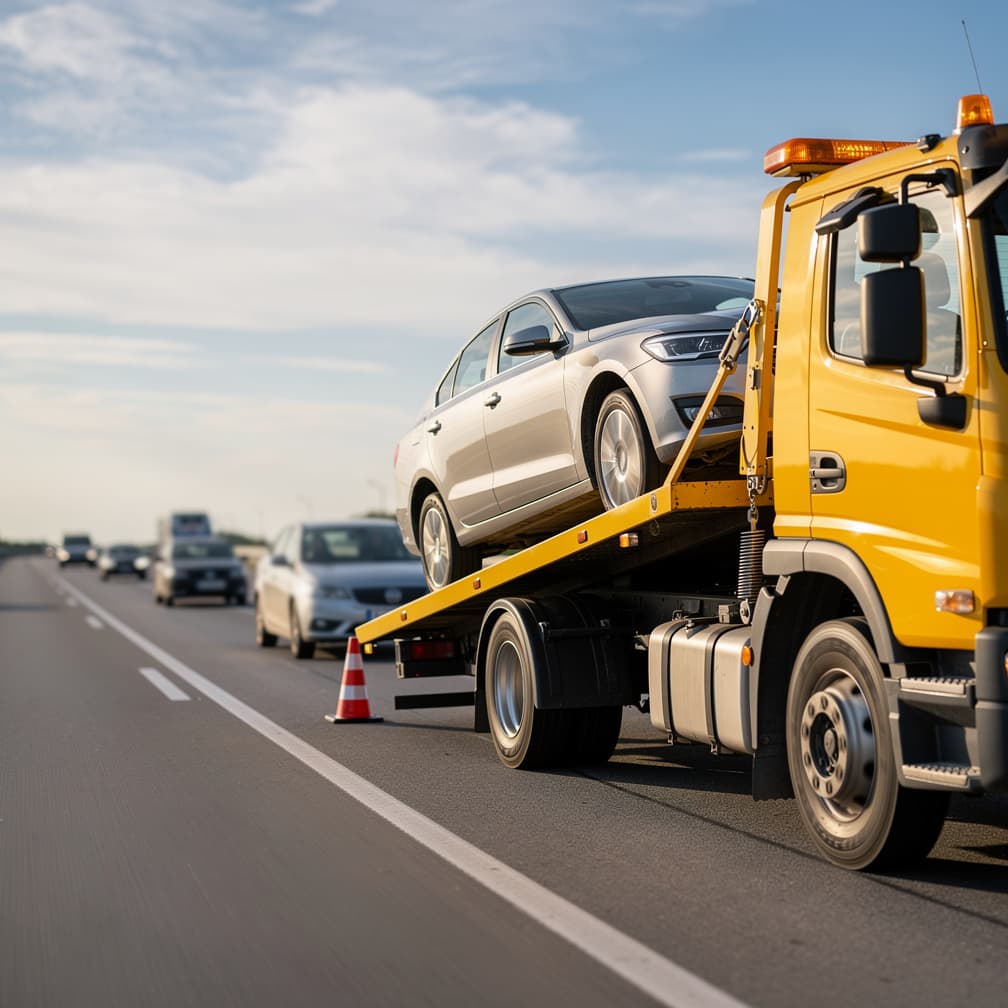
On-hook coverage responds when a customer's vehicle is damaged while attached to your truck, loaded on your bed, or being moved by your equipment. A tow company working urban accident scenes, apartment impounds, highway breakdowns, and storm-related recoveries can create very different damage scenarios even in the same week. You should review the points where a customer vehicle is most exposed during your operation: hookup angle, winching path, bed loading, wheel-lift securement, transport over uneven pavement, and unloading at the drop location.
State conditions matter here because weather can change the severity of a claim. Heavy rain and flooding can leave vehicles partly submerged, stuck in soft shoulders, or positioned where visibility and traction are poor. If your crews handle those calls, ask for a quote built around recovery-style exposures rather than a cleaner dealer-transfer profile. If you move low-clearance vehicles, motorcycles, luxury units, or commercial vans, say so up front, because the handling method and potential damage pattern are different.
Take a close look at how your policy fits with the rest of your insurance structure. A buyer in Louisiana usually wants to confirm which trucks perform towing, whether every unit is scheduled correctly, how after-hours dispatch is handled, and whether subcontracted work changes who has care, custody, or control at the time of loss. If your operation crosses parish lines regularly, note that in the application so the underwriter sees your true operating pattern. Before you compare quotes, build a service-by-service vehicle list.

Collision on Hook
Covers damage to towed vehicles from collisions during transport.
Comprehensive on Hook
Covers theft, fire, and weather damage to vehicles being towed.
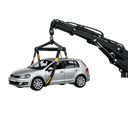
Loading & Unloading
Covers damage during the process of loading and unloading vehicles.
Winching Coverage
Covers damage to vehicles during winching and recovery operations.
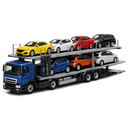
Multiple Vehicle
Covers all vehicles on multi-car carriers and rollback flatbeds.
On-Hook Towing Insurance Requirements in Louisiana
- Louisiana weather can turn a standard disabled-vehicle call into a more technical recovery, so disclose flood-related and severe-weather towing activity clearly during underwriting.
- If your routes regularly cross multiple parishes, note your true operating territory so the quote reflects where your trucks actually work.
- Private property impounds, police rotation work, and dealer transports can create different damage patterns, so list each service separately instead of combining them.
- If you subcontract overflow jobs, document exactly when care, custody, or control transfers between operators to reduce claim disputes later.
How Much Does On-Hook Towing Insurance Cost in Louisiana?
The cost of a Louisiana quote usually turns on claim severity drivers, not just the fact that you own a tow truck. Underwriters want to see what kinds of vehicles you tow, how often you handle emergency calls, whether you do recovery work in bad weather, how far your units travel, and how claims would be documented if a customer disputes damage. A company doing mostly planned transports can be priced differently from one taking night calls, impounds, and post-storm recoveries.
Louisiana conditions can push the review toward operational detail. If your drivers work in heavy rain, flood-prone areas, or on narrow shoulders after storms, the chance of a complicated loss can rise. The same is true if you tow higher-value vehicles, use wheel-lift equipment on mixed jobs, or regularly winch vehicles from ditches, medians, parking structures, or soft ground. Your quote can also change based on limits, deductibles, the number of towing units, driver experience, loss history, and whether your paperwork shows a disciplined inspection and photo process.
This is also where accurate classification matters. If your application says light-duty towing but your dispatch logs show recovery, impounds, and commercial unit moves, you should correct that before binding. A cheaper-looking quote can become expensive if it is built on incomplete operations data. Ask each quote to reflect the same assumptions, then compare deductibles, exclusions, and how the policy is intended to respond during real towing activity.
Request a Quote Comparison
Enter your ZIP code to compare on-hook towing insurance rates from top carriers.
Business insurance starting at $25/mo
Who Needs On-Hook Towing Insurance?
In Louisiana, you should look closely at on-hook coverage any time your business takes control of someone else's vehicle during towing or transport, even if towing is only one part of your revenue. That includes operators whose work comes from roadside assistance programs, body shops, repair facilities, apartment complexes, lenders, auctions, dealerships, municipalities, or commercial fleets. If a customer vehicle is attached to your truck, on your bed, or being moved by your equipment, the exposure is real whether the invoice says tow, recovery, transport, or impound.
The Louisiana angle is operational, not theoretical. Storm season, flooding, and wet-road breakdowns can create more difficult recoveries than a standard disabled-vehicle call. If your drivers pull vehicles from standing water, move units after collisions in poor visibility, or transport damaged vehicles from one parish to another, you should review whether your limits still make sense for the vehicles you actually handle. The same applies if you have expanded from light-duty roadside work into dealer moves, private property impounds, or commercial account service.
This coverage also deserves attention if you subcontract overflow work or use multiple truck types. A business owner can assume the exposure sits with whoever is physically towing the vehicle, but claim responsibility can become more complicated once dispatch records, contracts, and handoff timing are reviewed. Louisiana buyers should map who accepts the job, who hooks the vehicle, who transports it, and who documents condition at pickup and drop-off. If any part of that chain is unclear, sort it out before the next renewal instead of waiting for a disputed damage claim.
On-Hook Towing Insurance by City in Louisiana
On-Hook Towing Insurance rates and coverage options can vary across Louisiana. Select your city below for localized information:
How to Buy On-Hook Towing Insurance
Buying this coverage in Louisiana goes more smoothly when you prepare for underwriting the same way you prepare for a difficult tow: with a clear sequence and complete documentation. Start by separating your work into real service categories, then match each category to the trucks and drivers that perform it. If one unit handles routine roadside calls and another takes recovery or impound work, make that distinction visible in your submission. A vague application can produce a vague quote.
Next, gather the records that show how your operation runs day to day. That usually includes your current declarations, driver list, motor vehicle records if available, unit schedule, service radius, dispatch summaries, loss runs, and any contracts that require specific insurance wording. If you store vehicles before release, note that too, because the handoff between towing and storage should be clear. In Louisiana, weather-related recoveries and flood-area calls are worth mentioning directly so the underwriter does not assume a cleaner risk profile than you actually have.
Pay close attention to forms and endorsements. The Louisiana Department of Insurance is the state regulator, so your policy paperwork should be reviewed with the same care you give your towing invoices and release forms. Ask where the policy draws the line during loading, transport, unloading, and recovery-style work. Ask how deductibles apply, whether all towing units are scheduled correctly, and what documentation would support a claim.
Before you bind, compare quotes on equal terms. Use the same service descriptions, the same driver information, and the same requested limits across each option. Then choose the policy that best fits your actual dispatch pattern, not the one that only looks simpler on the first page. Request a quote built from your real call mix, current unit list, and current driver roster.
How to Save on On-Hook Towing Insurance
The most reliable way to save in Louisiana is to reduce avoidable claim friction. Carriers price uncertainty, and towing operations create uncertainty fast when photos are inconsistent, dispatch notes are thin, or the service type on the application does not match the work performed. Start with a documented intake routine: vehicle condition photos before hookup, securement photos after loading, and drop-off photos at delivery. That record can help defend your business if a customer later alleges damage that was pre-existing or unrelated to the tow.
Driver selection and job assignment also affect cost. If certain operators are better trained for winching, flood-area recoveries, or low-clearance vehicles, route those calls intentionally instead of treating every dispatch as interchangeable. In Louisiana, severe weather can turn a routine tow into a more technical recovery, so written escalation rules matter. A carrier may view your account more favorably if you can show when drivers are expected to call for a second unit, decline unsafe conditions, or document a submerged or heavily damaged vehicle before movement.
Equipment discipline helps too. Keep maintenance logs for winches, straps, dollies, wheel-lifts, and bed systems. Review whether your truck mix still matches your jobs, because using the wrong unit for a higher-risk tow can cost more in claims than it saves in scheduling convenience. If you have expanded services, update the policy instead of waiting for renewal. Finally, shop with a complete submission, because a Louisiana towing business often gets a cleaner comparison when every market sees the same loss history, service mix, territory, and contract requirements.
Our Recommendation for Louisiana
For Louisiana towing operators, the smartest buying move is to treat on-hook coverage as part of a dispatch system, not just a line item. Review your last year of calls and separate routine roadside tows from impounds, recovery work, dealer moves, and any jobs involving flood exposure or poor access. If those categories are blended together on your current policy paperwork, ask for a rewrite that shows the operation more accurately.
Next, test your documentation process against a disputed-damage scenario. Can you produce timestamped pickup photos, securement photos, drop-off photos, dispatch notes, and the driver identity for the exact tow? If not, fix that before you focus on premium. In Louisiana, weather-related losses can become fact disputes quickly, especially when a vehicle is already damaged, wet, or disabled in a hazardous location.
Check your limits against the most expensive vehicles you actually move, not the average car on a normal day. If you occasionally tow luxury units, commercial vans, or newer trucks, build your quote around that reality. Then compare deductibles and exclusions side by side, with special attention to recovery-style work.
FAQ
Frequently Asked Questions
Yes, you should disclose that work clearly during quoting. An underwriter pricing flood recovery work wants specifics: water depth, typical vehicle condition at pickup, and whether your drivers have winch training for soft-ground extractions. A generic roadside-towing description will not capture that exposure.
Submit identical information to each market so the differences show up in coverage terms and underwriting appetite, not in the data you provided. That means the same driver roster, equipment list, service mix, and loss history across every quote.
The Louisiana Department of Insurance regulates policy forms and provides state insurance oversight. Use that as a reminder to review your declarations and endorsements carefully before binding.
You can sometimes place both under one policy structure, but the quote should still describe each service accurately. Impounds and routine roadside calls do not always present the same claim pattern or documentation needs.
Describe the real territory your trucks cover, including regular parish-to-parish work, storm-response areas, and after-hours dispatch patterns. If the quote assumes a smaller or cleaner area than you actually work, that gap can create problems later.
Yes. A vehicle pulled from a flooded ditch after a hurricane is often already a partial loss before your driver hooks it, which means the margin for a new damage claim is thinner and the documentation burden is higher. If that work is part of your operation, make sure the quote reflects it directly.
Keep dispatch notes, driver identity, pickup and drop-off photos, securement photos, and any signed release or delivery records. Those details can matter if a customer disputes when or how damage occurred.
On-hook towing insurance may cover damage to a customer vehicle while it is being loaded, attached, carried, winched, or unloaded by your tow truck, depending on the policy terms. Buyers should review collision, fire, theft, weather, and loading-related damage carefully.
Sources
- 1.Louisiana Department of Insurance(The Louisiana Department of Insurance is the state regulator.)
Updated July 16, 2026