Updated July 16, 2026

Key Takeaways
- List every towing and transport service you perform before requesting quotes, so loading, unloading, winching, and recovery exposures are reviewed correctly.
- Compare the on-hook limit, deductible, valuation method, and exclusions side by side instead of choosing a policy on premium alone.
- Ask in writing whether your policy addresses the specific vehicles you tow most often, especially specialty, modified, low-clearance, or higher-value units.
- Use pre-tow photos, condition notes, and signed release procedures on every job to reduce disputes and support claims handling.
- Review on-hook coverage together with auto liability and any garagekeepers coverage before renewal to catch gaps between transport and storage.
On-Hook Towing Insurance in Massachusetts
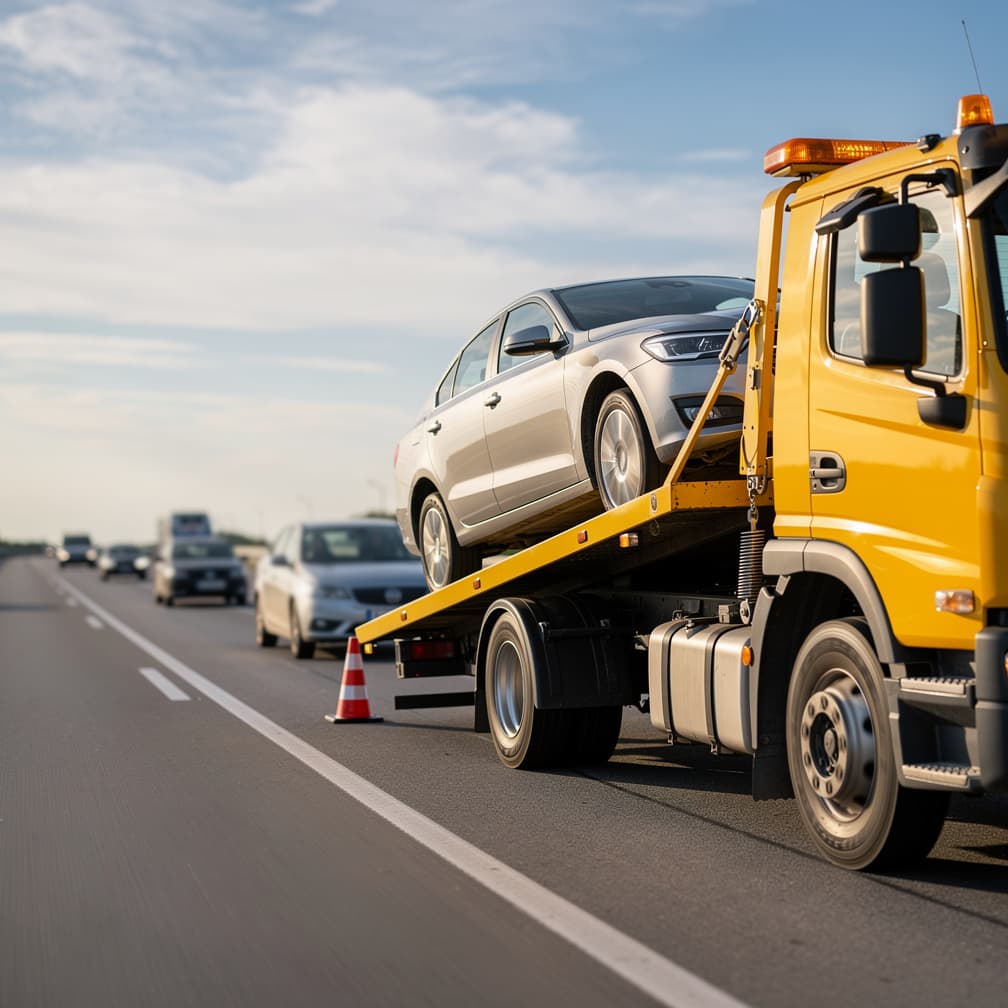
A customer sedan slides on a wet coastal road and gets loaded without visible damage, only to arrive with a bent suspension component or scraped bumper. In Massachusetts, that dispute can start fast because the tow often happens in tight urban streets, older parking structures, winter weather, or crowded highway shoulders where there is little room for error. Your exposure changes by job type, not just by truck count. If your work includes police rotations, apartment complex removals, dealer transfers, or roadside calls during snow and heavy rain, you want a quote built around actual towing patterns, storage handoffs, and claim documentation habits. Policy forms, complaint handling, and carrier oversight follow the state's insurance framework, so it helps to compare wording carefully before you bind. Before you buy, line up your dispatch records, service mix, and photo process so the quote matches the way your trucks really operate.
What On-Hook Towing Insurance Covers
The practical question is not the basic definition of on-hook coverage. The real issue is where damage allegations tend to arise in your daily work and how your policy language responds to those moments. A tow through dense city blocks, a recovery from a snow-lined shoulder, or a removal from a narrow garage creates different contact points than a straightforward daytime transport from one open lot to another. You should review how the policy treats loading angle, wheel-lift use, bed approach, low-clearance vehicles, modified suspensions, and vehicles with pre-existing body damage that can be blamed on the tow after the fact.
This matters because operators often work in places where a customer is not standing beside the truck when the vehicle is picked up. That makes condition evidence and dispatch notes more important. Ask whether your form is written in a way that fits unattended tows, police-directed removals, dealer handoffs, and after-hours apartment or condominium calls. If your operation handles accident scenes, review whether the same procedures apply when a vehicle already has collision damage and the dispute later centers on what happened during winching, loading, or unloading.
A quote that works for older commuter cars may not fit late-model SUVs, electric vehicles, work vans with equipment inside, or specialty vehicles with low ground clearance. If your drivers switch between flatbeds and wheel-lift units, make sure the application and policy reflect that mix clearly.
Collision on Hook
Covers damage to towed vehicles from collisions during transport.
Comprehensive on Hook
Covers theft, fire, and weather damage to vehicles being towed.
Loading & Unloading
Covers damage during the process of loading and unloading vehicles.
Winching Coverage
Covers damage to vehicles during winching and recovery operations.
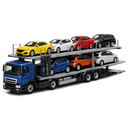
Multiple Vehicle
Covers all vehicles on multi-car carriers and rollback flatbeds.
On-Hook Towing Insurance Requirements in Massachusetts
- Towing claims often turn on documentation because many vehicles are picked up without the owner present, making pre-tow and post-tow photos especially important.
- Winter roadside work, wet pavement, and snow-lined shoulders can change loading angles and visibility, so your procedures should address those conditions before a claim happens.
- Dense urban streets, older parking areas, and tight curbside pickups can increase the chance of disputed bumper, wheel, and suspension damage during hookup or unloading.
- If your business moves newer SUVs, electric vehicles, or commercial vans, review whether your chosen on-hook limit still makes sense for the vehicles you actually accept.
How Much Does On-Hook Towing Insurance Cost in Massachusetts?
For towing businesses, pricing usually turns on claim severity potential and how clearly an underwriter can understand your operation. The biggest cost drivers are the types of vehicles you tow, whether you use flatbeds, wheel-lifts, or both, how often you handle accident recovery or impounds, where your trucks operate, and how consistently drivers document vehicle condition. A truck assigned to routine dealer transfers is underwritten differently from one that rotates between highway breakdowns, private property removals, and difficult recoveries in winter conditions.
Location inside the state matters because operating patterns change the loss picture. Dense city work can mean tighter turns, more curb contact risk, and more disputes over pre-existing damage. Coastal and storm-prone areas can bring more weather-driven calls, rushed roadside conditions, and more frequent questions about what happened during loading. If your routes include older neighborhoods, narrow driveways, parking decks, or low-clearance structures, tell that story accurately during quoting instead of leaving the underwriter to guess.
Your requested limit also affects cost. If you regularly move newer pickups, commercial vans, or higher-value personal vehicles, a low limit can leave you exposed even if the premium looks attractive. Deductible choice, claims history, driver experience, dispatch controls, and whether you use a consistent photo checklist all influence the quote as well.
Request a Quote Comparison
Enter your ZIP code to compare on-hook towing insurance rates from top carriers.
Business insurance starting at $25/mo
Who Needs On-Hook Towing Insurance?
In Massachusetts, this coverage deserves attention from any operation that can be accused of damaging a vehicle while it is being moved by your truck, even if towing is only part of the business. Traditional tow companies are the obvious fit, but the state-specific issue is how many different job types can create the same exposure. A company doing municipal or police-directed removals, apartment complex towing, dealer transfers, auction runs, roadside assistance, recovery work, or seasonal overflow transport can all face the same argument from a vehicle owner.
The same is true if you tow from tight urban curb lines, remove vehicles from underground or older parking facilities, or handle winter calls where snowbanks and poor visibility complicate loading. Those conditions make it easier for a routine tow to turn into a disputed claim. The same is true if you move low-clearance vehicles, all-wheel-drive vehicles, electric vehicles, or work trucks carrying tools and equipment that raise the stakes of a damage allegation.
Businesses that are not marketed as full-service towing companies can still need this review. Auto repair shops with their own rollback, roadside service operators that transport disabled vehicles, repossession businesses, salvage and auction transport operators, and contractors that occasionally move customer vehicles should all compare their actual services against their insurance application. If a customer vehicle is ever attached to your truck or carried on it, review your coverage carefully instead of assuming another policy section will respond.
On-Hook Towing Insurance by City in Massachusetts
On-Hook Towing Insurance rates and coverage options can vary across Massachusetts. Select your city below for localized information:
How to Buy On-Hook Towing Insurance
To buy this coverage well, start by building a submission that explains how your jobs really happen from dispatch to drop-off. Underwriters need to know whether you handle police rotation work, private property impounds, dealer moves, roadside breakdowns, recoveries, repossessions, or after-hours apartment calls, because each service changes how a claim can develop. If your operation shifts by season, include that too, especially if winter weather increases roadside volume or recovery work.
Next, map your equipment to the work. Identify which units are flatbeds, which are wheel-lifts, and which drivers use each truck. Note whether you tow passenger vehicles only or also move pickups, vans, commercial units, motorcycles, or low-clearance vehicles. If you subcontract overflow work or use owner-operators, say so early. A clean application prevents the common problem of getting a quote that looks acceptable until a claim exposes a mismatch between the paperwork and the actual tow.
Then prepare your documentation controls. Show how drivers photograph vehicles before hookup, record existing damage, note wheel position, capture mileage when needed, and document the drop-off condition. If you use dispatch software, keep sample records ready. If you rely on paper tickets, make sure they are legible and consistent. Find out how the form handles unattended tows, whether different vehicle types affect underwriting, what deductibles apply, and how claims are reported. Compare those answers line by line before you choose a policy. Request a quote through CPK Insurance to compare your options with participating licensed providers.
How to Save on On-Hook Towing Insurance
The most reliable way to lower on-hook insurance cost is to reduce avoidable claim friction. Start with a disciplined photo routine. Drivers should capture all sides of the vehicle, close-ups of existing damage, wheel position, low-clearance points, and the vehicle once loaded or attached. That does not just help defend claims. It also makes your operation easier for an underwriter to trust, which can improve how your risk is viewed at renewal.
Tighten dispatch and job classification next. Separate routine dealer transfers from roadside emergency calls, recoveries, impounds, and specialty moves in your records. If every tow is described the same way, your loss story looks less controlled than it really is. Clear categories help you explain which work is predictable and which work is occasional. That can matter if your business has one or two higher-hazard services that should not define the whole account.
Equipment and driver assignment also affect savings. Match experienced drivers to the most difficult jobs, keep winches and wheel-lift gear maintained, and document training on low-clearance vehicles, all-wheel-drive handling, and electric vehicle procedures if those units are part of your work. A preventable loading mistake can cost you in time and reputation long before any claim payment is decided. You can also save by choosing limits and deductibles deliberately instead of defaulting to the lowest premium option. A deductible that your business can actually absorb may help pricing, but a limit that is too low can create a much larger out-of-pocket problem after one bad tow. Review your largest likely vehicle values, clean up your submission before renewal, and re-shop with complete records rather than with a bare application.
Our Recommendation for Massachusetts
For towing operators, the smartest buying move is to treat on-hook as a claims-handling decision, not just a certificate purchase. Review your hardest jobs first, including winter roadside calls, tight city recoveries, unattended apartment removals, dealer transfers involving newer vehicles, and any tow where pre-existing damage is common. Those are the files that test whether your limit, deductible, and documentation process are realistic.
If most of your work is routine transport but a smaller share involves recovery or impounds, make that distinction clear. You want underwriting built around your actual exposure, not around the most hazardous job you did once last quarter.
Also review how your operation handles evidence. If a driver cannot show condition photos, dispatch timing, hookup method, and drop-off notes, even a defensible claim becomes harder to resolve. Before binding, confirm every truck and service type is listed accurately, and ask how claims should be reported after a disputed tow.
FAQ
Frequently Asked Questions
Private property towing can still create the same damage dispute as any other tow. If a customer vehicle is alleged to be damaged during loading, transport, or unloading, you should review on-hook coverage based on that exposure, not on how the job was dispatched.
Winter towing can make claims harder because snowbanks, ice, and poor shoulder conditions change loading angles and visibility. You should ask how your documentation process handles those jobs and whether your drivers record pre-existing damage consistently before hookup.
Insurance carriers operate within the state's insurance oversight framework. That matters when you compare policy forms and complaint handling, but your quote still depends on your trucks, services, limits, deductibles, and claims history.
Towing businesses should provide a full service list, truck schedule, driver details, territory description, and sample photo or dispatch records. A cleaner submission helps the underwriter price your actual operation instead of making assumptions about your toughest jobs.
Dealer transfer work can look lower hazard than roadside towing, but the vehicles may be newer and more expensive to repair. You should compare your on-hook limit to the values you move and confirm the quote reflects that service separately.
Repair shops that transport customer vehicles on their own rollback should review on-hook exposure carefully. If your staff loads, carries, or unloads customer vehicles, a damage allegation can arise even when towing is not the main service you advertise.
Quote comparisons work best when every insurer receives the same service breakdown, equipment list, and deductible request. Then you can compare how each policy treats your actual towing pattern instead of comparing prices built on different assumptions.
On-hook towing insurance may cover damage to a customer vehicle while it is being loaded, attached, carried, winched, or unloaded by your tow truck, depending on the policy terms. Buyers should review collision, fire, theft, weather, and loading-related damage carefully.
Sources
- 1.Massachusetts Division of Insurance(Massachusetts is regulated by the Massachusetts Division of Insurance, so policy forms, complaint handling, and carrier oversight sit inside that framework.)
Updated July 16, 2026