Updated July 16, 2026

Key Takeaways
- Review your construction contract before requesting a quote, so the named insureds and insurance responsibility match the job documents.
- Prepare the project budget, timeline, address, and scope summary before applying, so the quote reflects the work actually being built.
- Check whether the policy addresses on-site materials, transit, temporary structures, and soft costs before the first delivery arrives.
- Compare the policy term against your realistic completion schedule, then ask about extension options before the original term gets close to expiring.
- Map builders risk against your liability, installation, and equipment policies, so you avoid both coverage gaps and overlapping property insurance.
Builders Risk Insurance in Michigan
Do you need a separate policy for a Michigan build, or can your other property coverage handle the job? In most cases, you should review a dedicated builders risk form, because a project under construction creates valuation, site security, and delay exposures that ordinary property policies often handle differently. This coverage matters most when your job moves through wet weather, temperature swings, and changing site conditions that can damage materials before they are installed. That is especially important if you are renovating an occupied building, storing materials off site, or relying on a tight lender draw schedule. Your quote should match the way the project is actually being built, including who holds title to materials, where they are stored, how theft controls work, and whether the contract pushes insurance responsibility to the owner, general contractor, or developer. Michigan buyers also need to keep state oversight in view. Policy forms, complaints, and carrier conduct questions should be reviewed carefully before you bind coverage, because a policy that does not meet state standards or lender expectations can hold up your draw schedule and leave you disputing claim handling after a loss.
What Builders Risk Insurance Covers
For a Michigan project, the useful question is not whether builders risk exists, but which property and soft cost exposures belong on the schedule before work starts. A ground up build near the lakeshore, an urban infill renovation, and a tenant improvement inside an occupied structure can all need different treatment for temporary works, stored materials, and property that will be installed later in the job. If your contract is vague, ask for the exact list of covered property categories and the valuation basis used for each one.
Michigan conditions make that review practical, not theoretical. Water intrusion during framing, freeze related damage to partially enclosed spaces, wind driven loss to unsecured materials, and theft from lightly staffed sites can all create disputes if the form is too narrow or the reporting is incomplete. You should confirm whether the policy is written to include materials in transit, materials at temporary storage locations, and existing structure exposure if you are remodeling rather than building from scratch. Those details matter because a renovation loss can involve both new work and parts of the original building.
Owners, developers, lenders, and general contractors often need to appear in specific ways for draws and claim handling to move smoothly. Ask your agent to compare the insurance requirements in the construction agreement against the draft policy, then resolve any mismatch before materials or equipment start arriving.

Structure Coverage
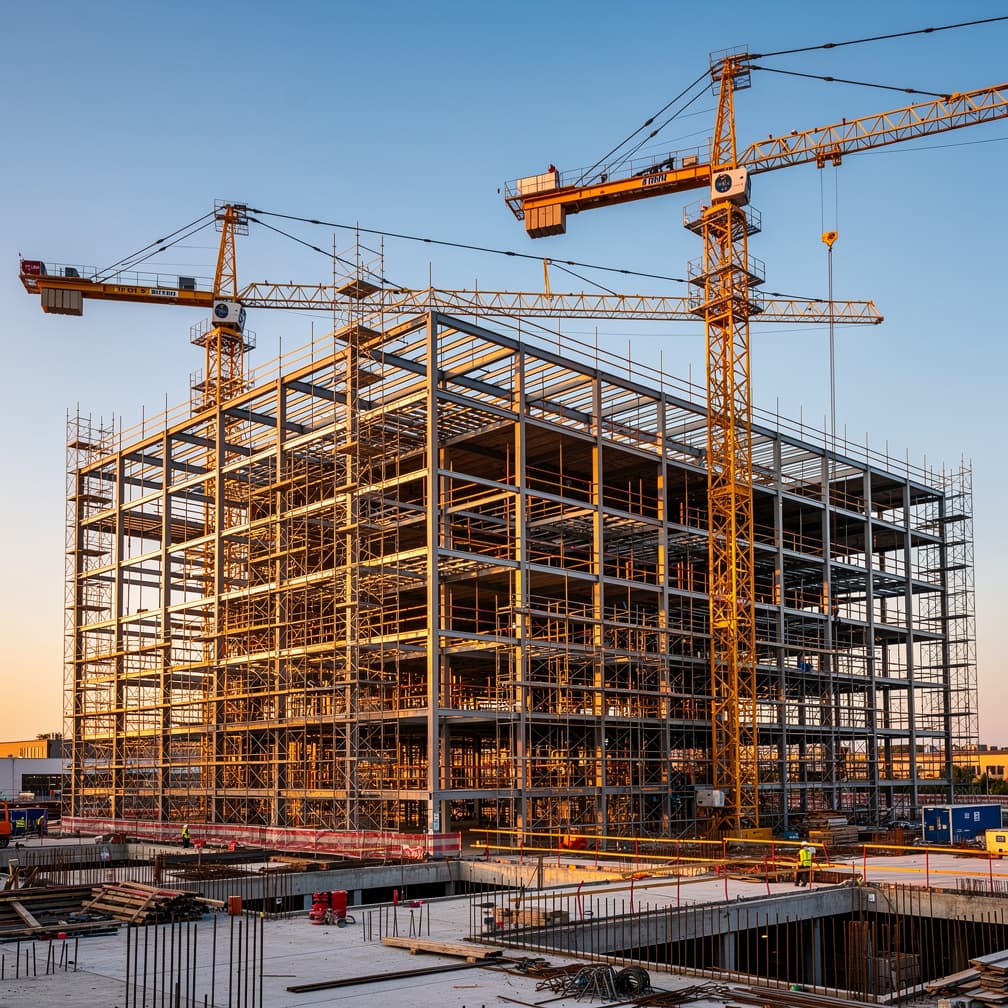
Covers the building or structure under construction.

Materials on Site
Covers building materials stored at the construction site.

Materials in Transit
Covers materials being transported to the job site.
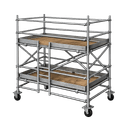
Temporary Structures
Covers scaffolding, fencing, and temporary buildings.

Soft Costs
Covers additional expenses from construction delays due to covered losses.

Equipment Coverage
Covers permanently installed fixtures and equipment.
Builders Risk Insurance Requirements in Michigan
- Michigan construction seasons can stretch for months, which means a project may sit partially enclosed through multiple temperature swings. Review how your policy treats water intrusion, freeze related damage, and partially enclosed structures during active construction so a weather event does not become a coverage dispute.
- For renovation of an occupied building, ask for written clarity on whether existing structure exposure is included, excluded, or handled elsewhere.
- Projects using temporary storage yards or warehouses should confirm that materials are addressed prior to installation, not only after they reach the job site.
- Lender driven builds should compare mortgagee, loss payee, and named insured wording against draw requirements before the first disbursement is requested.
How Much Does Builders Risk Insurance Cost in Michigan?
In Michigan, builders risk pricing is usually driven by the project itself, the term of construction, and how underwriters view the site controls, not by a simple standard rate. That means your estimate gets more accurate when you provide the completed value, construction type, job address, timeline, security details, and a clear breakdown of materials that will be stored off site or installed in phases. If any of those items are rough guesses, the quote often comes back with more conditions, tighter sublimits, or follow up questions that slow binding.
The biggest pricing lever is usually valuation discipline. If the completed value is understated, you risk claim friction later. If it is overstated, you may pay for limits you do not need. Michigan projects with winter exposure also need realistic timing. A job expected to close before severe weather but then pushed into another season can change the underwriter's view of water, wind, and freeze related loss potential. So you should build the quote around the actual schedule, not the optimistic one in the original bid package.
Site protection also affects cost. Underwriters often look closely at fencing, lighting, locked storage, vacancy around the site, and whether the project is occupied during renovation. A lender involved in the deal can add another layer, because draw requirements and insurance wording requests may shape the form you need. The cleanest path is to submit a complete project package at the start, then ask for alternate deductible and coverage structure options so you can compare tradeoffs before purchase.
Request a Quote Comparison
Enter your ZIP code to compare builders risk insurance rates from top carriers.
Business insurance starting at $25/mo
Who Needs Builders Risk Insurance?
In Michigan, the party that should buy builders risk is the party the contract makes responsible, but that answer is not always obvious until you read the insurance section line by line. Owners often arrange the policy on ground up work because they control the site and financing. General contractors may handle it on design build or negotiated jobs. Developers, investors, and construction managers also need to review their role if they have money at risk in materials, delay costs, or lender obligations tied to project completion.
Renovation work deserves extra attention. If you are improving an occupied building, the owner may assume the existing property policy is enough, while the contractor assumes the owner is covering the work in place. That gap can become expensive after a water loss or theft event. Ask who is insuring the new work, who is insuring existing structure exposure if it needs to be included, and who is responsible for materials before installation. Those answers should be consistent across the contract, certificate requests, and the policy itself.
Michigan lenders and project partners may also expect evidence that the right parties are shown correctly before funds are released or work begins. That is where named insured status, mortgagee language, and loss payee treatment become operational issues, not paperwork. If you are an owner builder, a commercial landlord improving space for a tenant, or a contractor taking on a major addition, review the contract early and decide who carries the builders risk obligation before any money changes hands.
Builders Risk Insurance by City in Michigan
Builders Risk Insurance rates and coverage options can vary across Michigan. Select your city below for localized information:
How to Buy Builders Risk Insurance
The practical way to buy this coverage in Michigan is to assemble the underwriting file before you ask for terms. Start with the signed or near final contract, then layer in the project address, completed value, construction timeline, scope summary, site security plan, and the list of parties that need to be recognized on the policy. When the job includes renovation, you will also want a clear description of the existing structure and whether any part of it needs to be scheduled or addressed by endorsement.
Next, match the insurance request to the way the job will actually run. Materials sitting in a warehouse before delivery should be disclosed up front. A site that will be partially occupied during construction needs to be flagged early. A project that may pause during winter or wait on permits should include that timing now instead of trying to fix it after coverage is bound.
Before you purchase, compare more than the limit. Review deductibles, covered property categories, temporary storage treatment, transit treatment, theft conditions, and any exclusions that could matter for your build type. Then compare the policy wording against the contract requirements for owners, lenders, and contractors. Once the wording matches the contract and the project facts, request the quote and bind before materials start arriving. Request a quote through CPK Insurance to compare your options with participating licensed providers.
How to Save on Builders Risk Insurance
The most dependable way to lower builders risk cost in Michigan is to make the project easier to understand and less likely to produce a disputed claim. Start with a complete submission. A clear scope, realistic timeline, accurate completed value, and a detailed site security plan help underwriters price the job with less uncertainty. If your first submission leaves open questions about occupancy, storage, or who owns materials at each stage, you often pay for that ambiguity through higher pricing or narrower terms.
You can also save by tightening operational controls that matter on active sites. Lay out your fencing, lighting, lock procedures, key control, and water shutoff practices, and identify who checks the property after hours. For renovation work, explain how you separate occupied areas from construction zones and how you protect existing finishes from water or dust damage. Those details show that loss prevention is built into the job, not added later for the application.
Another useful step is to review deductibles and optional coverage features with the project budget in front of you. A higher deductible may reduce premium, but only if the retained amount fits your cash flow and lender expectations. The same goes for broader add ons. Buy the pieces that match your actual exposure, not every available option by default. Finally, start the insurance review early. Last minute binding often leaves less room to compare forms, negotiate wording, or correct valuation issues that can cost more over the life of the project than the premium difference on day one.
Our Recommendation for Michigan
For Michigan projects, ask your agent to stress test the policy against the construction calendar, not just the contract value. If the job can run into cold weather conditions, partial enclosure periods, or extended material lead times that push delivery weeks or months beyond the original schedule, those facts should be disclosed before terms are issued. That helps you avoid a policy that looks adequate on the declarations page but leaves practical gaps around stored materials, transit, or renovation exposure.
If you are remodeling an occupied building, request a specific review of where the builders risk form stops and the existing property policy starts. That boundary is where many claim disputes begin. You should also confirm who is responsible for debris, temporary protection, and any property that is delivered but not yet installed.
Keep the paperwork aligned. The contract, lender requirements, certificate requests, and policy wording should all point to the same insured parties and valuation approach. If one document says the owner buys coverage and another assumes the contractor does, fix that before work begins. Then request a free, no obligation quote using the final project facts, not an early estimate, so the terms you compare are built around the job you are actually putting in the ground.
FAQ
Frequently Asked Questions
Michigan renovation projects often need a separate review because the risk can involve both new work and parts of the existing building. If the site stays occupied, ask how the builders risk form and the current property policy divide responsibility before work starts.
The construction contract decides. Read the insurance clause carefully and make sure the policy matches the party responsible for the site, the financing, and the materials in place.
It depends on the form. Some include temporary storage by default, while others cap it or exclude it entirely. If materials will sit in a warehouse or yard before delivery, name the location and confirm in writing that the policy picks it up.
Michigan lender financed projects often require specific wording for insured interests before draws are released. Review mortgagee, loss payee, and named insured language early so the policy supports funding instead of delaying it.
Michigan buyers usually get better terms when they submit the contract, project address, completed value, timeline, scope of work, and site security details together. That gives the underwriter a clearer picture of valuation, occupancy, and storage exposures.
The Michigan Department of Insurance and Financial Services handles carrier licensing, consumer complaints, and form questions. If you run into a dispute over policy language or insurer conduct, that is where to start.
Michigan projects are usually better served by binding before deliveries begin, because ownership of materials and site exposure can start before installation. Waiting can create avoidable gaps if a loss happens during storage, transit, or early site staging.
Builders risk insurance may cover, subject to policy terms, the structure under construction, materials on site, materials in transit, temporary structures, and fixtures or equipment being installed. Depending on the policy, you can also review soft costs and delay-related coverage tied to a covered property loss.
Sources
- 1.Michigan Department of Insurance and Financial Services(The Michigan Department of Insurance and Financial Services regulates insurance in the state.)
Updated July 16, 2026