Updated July 16, 2026

Key Takeaways
- Gather your current declarations, endorsements, loss runs, vehicle schedule, and driver list before requesting quotes so you can compare terms side by side.
- Review whether you need cargo coverage, trailer interchange, bobtail coverage, or non-trucking liability based on your dispatch pattern and contracts.
- Compare physical damage deductibles and valuation terms before renewing, especially on financed tractors, trailers, or recently added units.
- Check every broker, shipper, lender, and lease agreement against your policy endorsements so certificate wording does not hide a coverage gap.
- Start your renewal review early enough to update drivers, units, garaging, and operating radius before underwriters price the account.
Commercial Truck Insurance in New Jersey
If you haul freight through the Turnpike, move boxes in Newark, or run a regional route past Trenton and down the Garden State Parkway, your commercial truck insurance has to match both your operation and the state's higher-than-average premium environment. With 580 insurers competing and a premium index of 136, carriers are vying for your business but prices still sit well above the national average. Pricing reflects local loss patterns, weather exposure, and where your trucks sleep at night. That matters for owner-operators, small fleets, and larger carriers moving goods across ports, warehouses, and dense highway corridors.
A tailored policy can be built around motor carrier liability, physical damage, cargo, trailer interchange, bobtail coverage, and non-trucking liability, depending on whether you run long haul, regional delivery, or local hauling. The New Jersey Department of Banking and Insurance regulates these policies, and coverage requirements can vary by industry and business size, so the quote you get should be built around your specific routes, equipment, and freight. In New Jersey, the difference between a quick renewal and a costly gap often comes down to how well your policy matches the way your trucks actually operate.
What Commercial Truck Insurance Covers
Your policy is built to fit trucking risks that show up on crowded interstates, coastal corridors, and urban delivery routes. The core coverages in this product include motor carrier liability, physical damage, cargo coverage, trailer interchange, bobtail coverage, and non-trucking liability insurance. For a New Jersey trucking business, motor carrier liability is the foundation when you are hauling freight under dispatch, while cargo coverage can help protect goods in transit and trailer interchange can matter if you use trailers you do not own. Physical damage coverage for trucks is especially relevant if your vehicles are exposed to collision losses or weather-related damage.
New Jersey does not use this product as a one-size-fits-all package, so coverage needs can vary by industry and business size. That means your policy structure, limits, and endorsements should be reviewed against your route profile and freight type. State commercial auto minimums apply, but trucking operations often need higher limits because federal freight requirements and shipper expectations can exceed those amounts. General freight carriers are subject to a federal minimum in liability coverage, with even higher limits required for hazardous materials.
Exclusions and coverage details vary by policy form, deductible choice, and endorsements. A policy should be checked carefully if you cross state lines, interchange trailers, or operate both on-dispatch and off-dispatch. In a state with 254,600 businesses, dense freight movement, and frequent weather events, the coverage structure matters as much as the price.

Motor Carrier Liability
Can help cover injuries and property damage your truck causes to others, a coverage federal regulators require most for-hire carriers to maintain.
Physical Damage
Can help pay to repair or replace your own truck after an accident, fire, theft, or vandalism.
Cargo Coverage
May pay for damage to or theft of the freight you are hauling while it is in your care.
Trailer Interchange
Can help cover damage to trailers you haul under an interchange agreement but do not own.
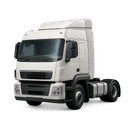
Bobtail Coverage
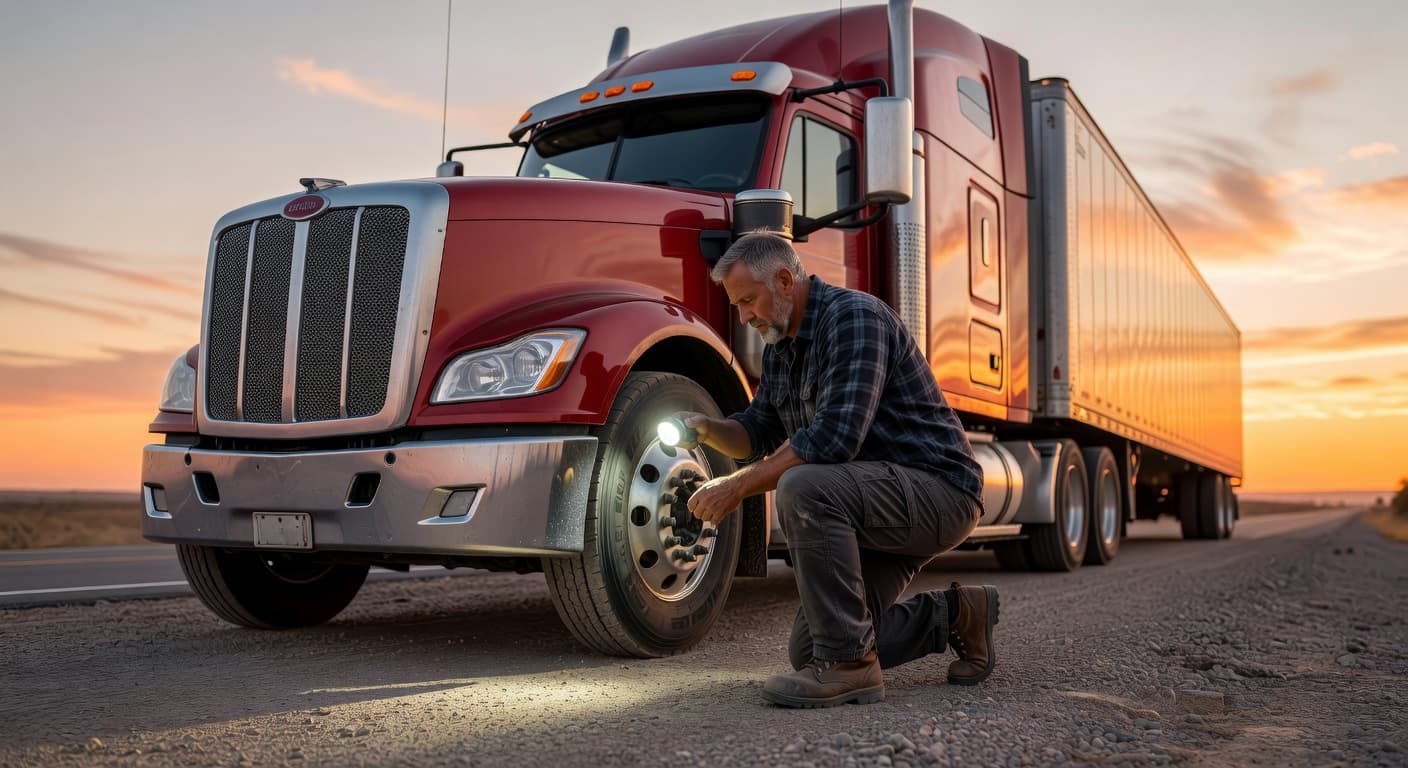
May provide liability protection when you drive your tractor without a trailer attached, such as after dropping off a load.

Non-Trucking Liability
Can help cover accidents that happen when you use your truck for personal errands rather than dispatched work.
Commercial Truck Insurance Requirements in New Jersey
- Commercial truck insurance in New Jersey is regulated by the New Jersey Department of Banking and Insurance, so policy terms and carrier filings should be checked before binding.
- New Jersey commercial auto minimums are listed at $35,000/$70,000/$25,000 (raised effective January 1, 2026), but general freight and hazardous material operations may need higher liability limits under federal or shipper requirements.
- Workers compensation is required for New Jersey employers with one or more employees, subject to the stated exemptions for sole proprietors and partners, so trucking businesses should coordinate their coverage stack.
- Coverage needs may vary by industry and business size, which makes endorsements, deductibles, and route-based underwriting especially important for New Jersey trucking operations.
How Much Does Commercial Truck Insurance Cost in New Jersey?
Average Cost in New Jersey
$420 - $1,250
per month
Businesses in New Jersey typically see commercial truck insurance premiums of $420 - $1,250 per month, which tends to run 10% above the national range of $400 - $1,125 per month.
- Radius of operation
- Commodities hauled and cargo value
- Number and value of power units
- Driver motor vehicle records and CDL experience
- DOT safety record, inspections, and FMCSA scores
- Liability limits and physical damage deductibles
Contact CPK Insurance for a personalized quote.
Commercial truck insurance cost in New Jersey is shaped by a mix of vehicle type, route exposure, freight class, and the state's broader insurance market. Monthly costs vary widely by truck, and the New Jersey state-specific range runs higher than many other markets. That higher range fits the state's premium index of 136, which signals above-average pricing pressure for similar coverage. New Jersey also has 580 active insurers, so carriers compete, but the final price still depends on how risky your operation looks on paper.
Several local factors can move your premium up or down. Location is a major driver, and in New Jersey that can mean different pricing for trucks based near Newark, Jersey City, Trenton, Camden, or coastal areas exposed to hurricanes, flooding, and nor'easters. The state's climate profile lists hurricane, flooding, and nor'easter risk as high, and those conditions can influence physical damage coverage for trucks and cargo insurance. Claims history is another major factor, and high average claim costs in the state help explain why underwriters pay close attention to prior losses. Coverage limits and deductibles also matter, especially if you are adding motor carrier liability, trailer interchange, or non-trucking liability.
Industry and risk profile can also change pricing. A long-haul fleet moving through multiple states may price differently than a local delivery operation or a regional hauler with predictable routes. Endorsements can add cost, but they can also close gaps that matter in real dispatch work. New Jersey's strong small-business base means many buyers are comparing first-time quotes, renewal quotes, and bundled options. Since businesses should compare quotes from multiple carriers, the best approach is to ask for a quote with the same limits, deductibles, and endorsements across carriers so the comparison is meaningful.
How New Jersey compares with the national baseline
Uninsured drivers
14.9% vs 11.6% baseline
About 14.9% of New Jersey drivers are estimated to be uninsured, above the 11.6% average across states.
Fatal crashes per 100 million miles
0.84 vs 1.33 baseline
New Jersey sees about 0.84 fatal crashes per 100 million miles driven, below the national average of 1.33.
Blue bar: New Jersey. Gray line: national baseline.
Prices shown are general estimates, not guaranteed rates or quotes. Your actual premium will depend on the insurer, coverage selected, business details, location, claims history, and other underwriting factors. Learn about our pricing methodology.
Request a Quote Comparison
Enter your ZIP code to compare commercial truck insurance rates from top carriers.
Business insurance starting at $25/mo
Who Needs Commercial Truck Insurance?
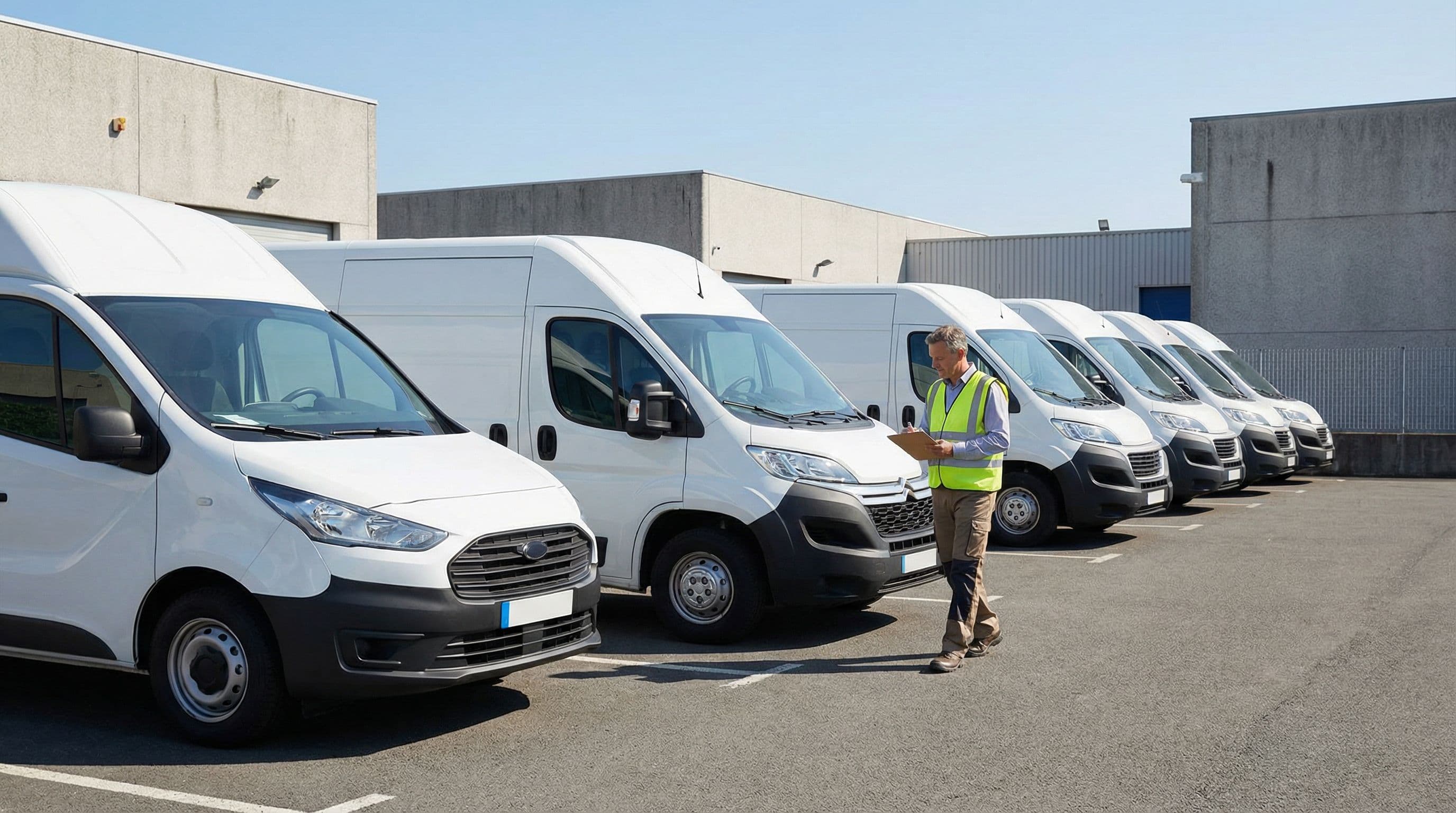
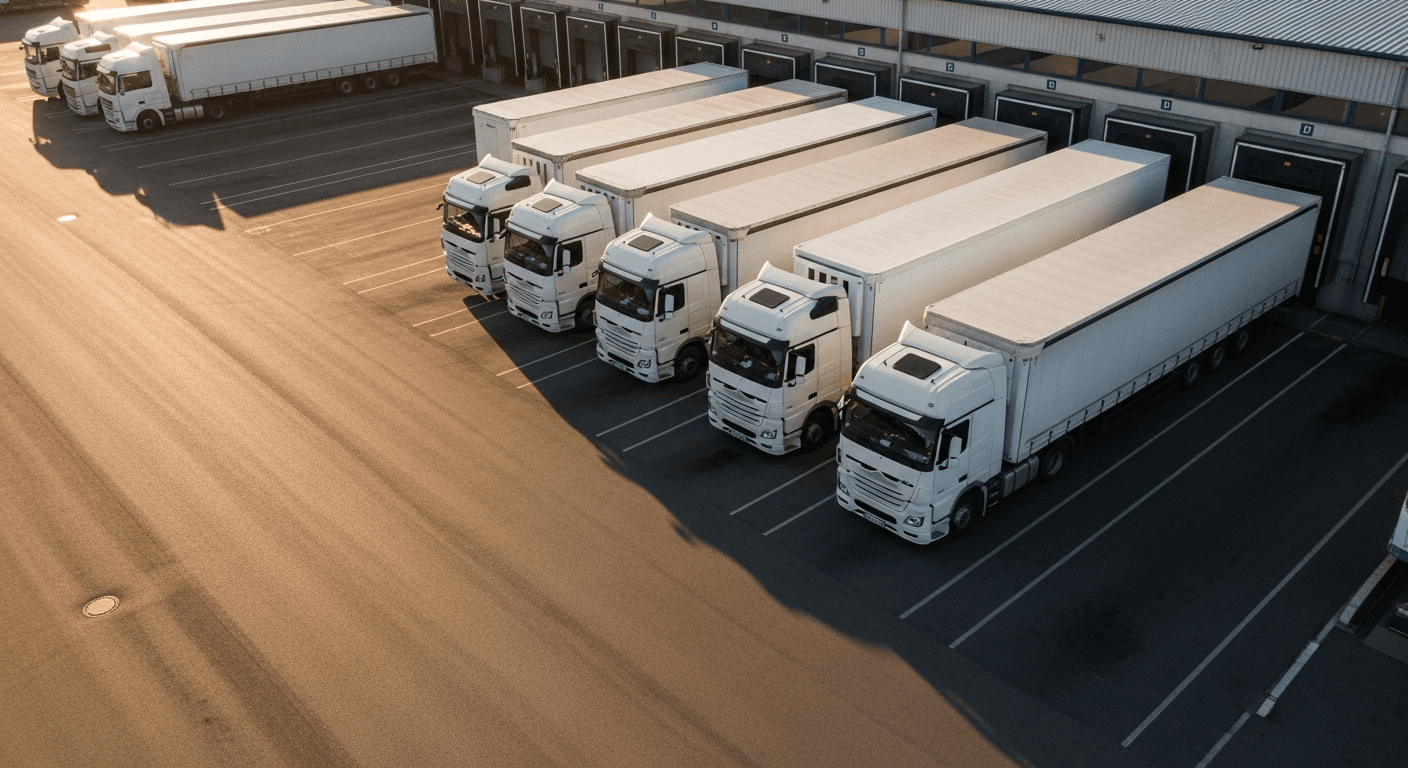
Commercial truck insurance in New Jersey is relevant for owner-operators, small fleets, and larger trucking companies that move freight on state roads, through port areas, or across long-haul interstate routes. If you run a semi-truck, tractor-trailer, box truck, flatbed, dump truck, tanker, refrigerated truck, or delivery van, this coverage can be structured around the way you actually use the vehicle.
New Jersey's economy makes this coverage especially relevant for trucking businesses serving retail trade, healthcare and social assistance, professional and technical services, and accommodation and food services. Those sectors create steady demand for freight movement, local delivery, and time-sensitive hauling. With 254,600 business establishments in the state and 99.6 percent classified as small, many trucking buyers are operating lean fleets where one uncovered loss can disrupt cash flow. That is why truck liability insurance in New Jersey and physical damage coverage are often considered together rather than separately.
The coverage also matters for carriers that work under contracts, because shippers and brokers may require higher liability limits than the state minimums. If you are hauling general freight, the federal minimum applies, and hazardous materials can require higher limits. That makes commercial truck insurance requirements in New Jersey more than just a state minimum issue; they are also a contract and operations issue. Long-haul operators need to think about motor carrier liability coverage, cargo insurance, and bobtail coverage when the truck is being driven without a trailer or outside dispatch. Local haulers and regional delivery operations may need more attention on physical damage, cargo handling, and route-based exposures around dense traffic, weather, and loading zones. If your business depends on the truck to earn revenue, this coverage is usually part of the conversation.
Commercial Truck Insurance by City in New Jersey
Commercial Truck Insurance rates and coverage options can vary across New Jersey. Select your city below for localized information:
How to Buy Commercial Truck Insurance
To buy commercial truck insurance in New Jersey, start by matching the application to how your trucks actually operate. Carriers will want details about the vehicle types you run, whether you are an owner-operator or fleet, the freight you haul, your typical routes, and whether you need motor carrier liability, cargo coverage, trailer interchange, bobtail coverage, or non-trucking liability insurance. Because coverage requirements may vary by industry and business size, the quote should reflect your exact operation rather than a generic trucking profile.
New Jersey businesses should compare quotes from multiple carriers, and that advice matters in a market with 580 insurers and several active national and regional carriers. That is especially important if you are looking at coverage for long haul, regional freight, or local delivery, because each use case can change underwriting. The state is regulated by state insurance authorities, so policyholders should verify that the carrier and policy structure align with state expectations. If you are operating a trucking business with employees, remember that New Jersey workers compensation is generally required for employers with one or more employees, subject to the stated exemptions for sole proprietors and partners.
When you request a quote, have your vehicle list, driver history, loss runs if available, garaging locations, and route details ready. Commercial truck insurance policies are priced based on factors like vehicle type, routes, freight, driver history, and garaging location. In a state with hurricane, flooding, and nor'easter exposure, it is smart to ask how the policy responds to weather-related damage and whether your deductibles or endorsements change by location. Request a quote through CPK Insurance to compare your options with participating licensed providers.
How to Save on Commercial Truck Insurance
The most practical way to lower commercial truck insurance cost in New Jersey is to make your risk easier for underwriters to measure. Start by comparing multiple quotes with the same limits, deductibles, and endorsements, because the state's 580-carrier market gives you room to compare rather than settle on the first offer. Ask for pricing on the exact coverages you need, since adding motor carrier liability, cargo insurance, trailer interchange, or physical damage coverage can change the premium materially.
Deductible strategy is one of the clearest levers. Higher deductibles can reduce premium, but only if your business can absorb the out-of-pocket amount after a loss. That tradeoff matters in New Jersey because average claim costs can be significant and weather-related losses can be substantial in hurricane, flooding, and nor'easter-prone areas. If your trucks operate near coastal counties, flood-prone corridors, or dense urban delivery zones, consider how those locations affect your quote before you choose a deductible.
Bundling can also help. Combining your truck coverage with other business policies may reduce your total cost, though actual savings depend on the carrier and your operation. For a New Jersey trucking business, that can mean pairing truck coverage with policies that fit the rest of the operation rather than buying each line separately. You should also review endorsements carefully, because some add protection that is worth the cost while others may be unnecessary depending on whether you run long haul, regional, or local routes. Because New Jersey premiums run well above the national average, keeping your claims history clean and your routes documented can give underwriters a clearer picture of your risk. If you are a small fleet in a state where most businesses are small, keeping renewal data clean can make the next quote easier to place and compare.
Our Recommendation for New Jersey
For New Jersey trucking buyers, the best starting point is a quote built around your actual lanes, cargo, and trailer use rather than a generic commercial auto form. Ask specifically how the policy handles motor carrier liability, cargo, trailer interchange, and off-dispatch driving so you do not discover a gap after a loss. If you haul freight through Newark, Trenton, or coastal routes, bring up weather exposure because hurricane, flooding, and nor'easter risk is part of the local pricing picture. If you are an owner-operator or small fleet, compare the same deductibles across multiple carriers and make sure each quote reflects the same limits.
That is the cleanest way to evaluate value in a market with above-average premiums and many active insurers. If you want a faster path, gather your VINs, driver list, garaging addresses, and loss history before requesting a quote. Having those details organized helps the carrier assess your risk accurately and can shorten the time between application and binding.
FAQ
Frequently Asked Questions
It can be built around motor carrier liability, physical damage, cargo coverage, trailer interchange, bobtail coverage, and non-trucking liability, depending on whether you run long haul, regional, or local routes in New Jersey.
New Jersey commercial auto minimums apply at the state level, but trucking operations often need higher limits because federal freight requirements and shipper contracts can exceed the state minimums.
The final price depends on several moving parts. Vehicle type, limits, deductibles, claims history, location, freight class, and endorsements all factor into what you pay, so two trucks in the same fleet can price differently based on use and exposure.
Many New Jersey trucking buyers review all three together because motor carrier liability addresses freight liability, cargo coverage can help protect goods in transit, and physical damage coverage for trucks helps with collision and weather-related damage.
They are useful when a truck is being driven outside of dispatch or without a trailer, and they can be important for owner-operators or leased drivers whose use changes between loaded trips and off-dispatch driving.
Location, claims history, coverage limits, deductibles, industry or risk profile, and policy endorsements are key pricing factors, and New Jersey weather exposure can also influence the quote.
Yes, and multi-policy bundling may reduce your total cost, though the actual result depends on the carriers, coverages, and details of your operation.
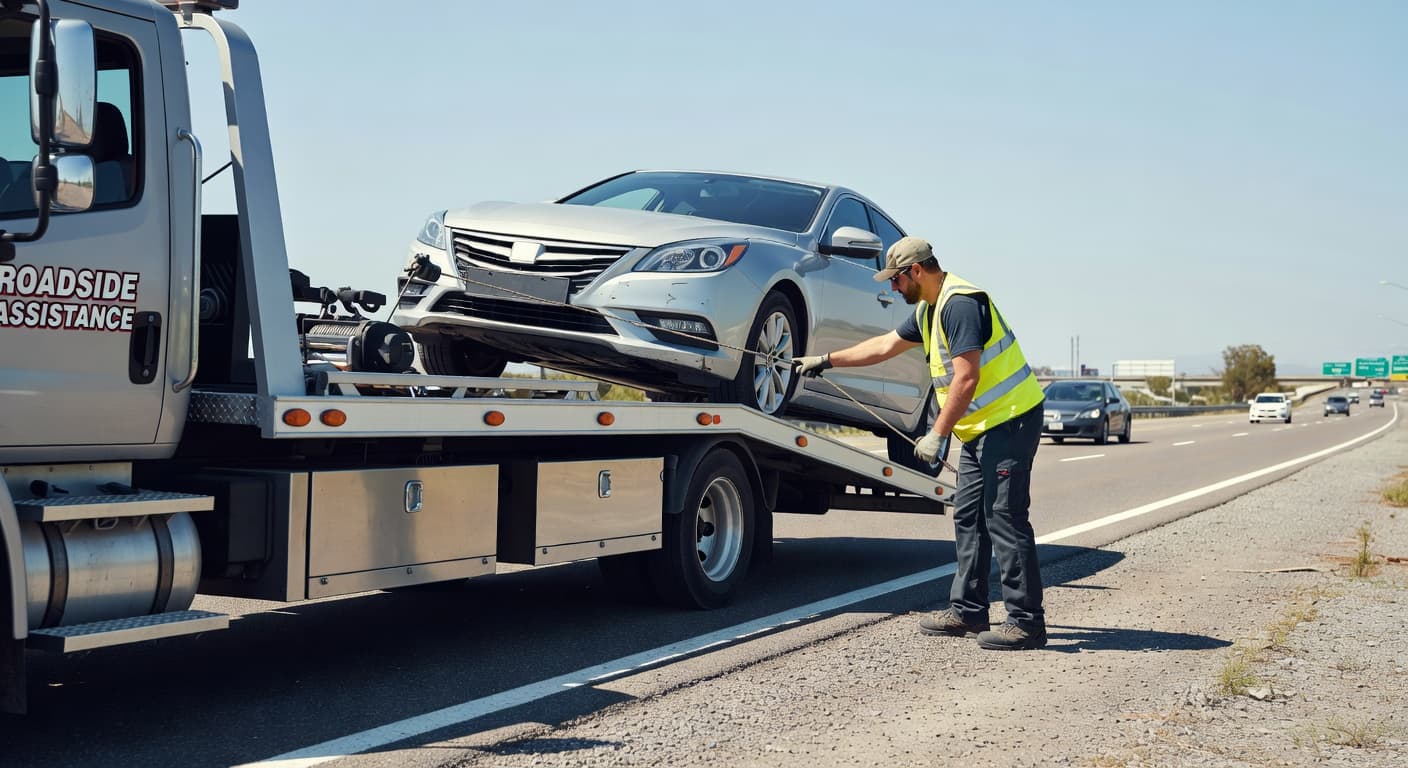
Commercial truck insurance can be written for many working vehicles, including semis, tractor-trailers, box trucks, flatbeds, dump trucks, refrigerated units, tankers, tow trucks, and delivery vehicles. The key question is how each unit is used, who drives it, and whether trailers or cargo create added exposure.
Updated July 16, 2026