Updated July 16, 2026

Key Takeaways
- Review your construction contract before requesting a quote, so the named insureds and insurance responsibility match the job documents.
- Prepare the project budget, timeline, address, and scope summary before applying, so the quote reflects the work actually being built.
- Check whether the policy addresses on-site materials, transit, temporary structures, and soft costs before the first delivery arrives.
- Compare the policy term against your realistic completion schedule, then ask about extension options before the original term gets close to expiring.
- Map builders risk against your liability, installation, and equipment policies, so you avoid both coverage gaps and overlapping property insurance.
Builders Risk Insurance in New Mexico
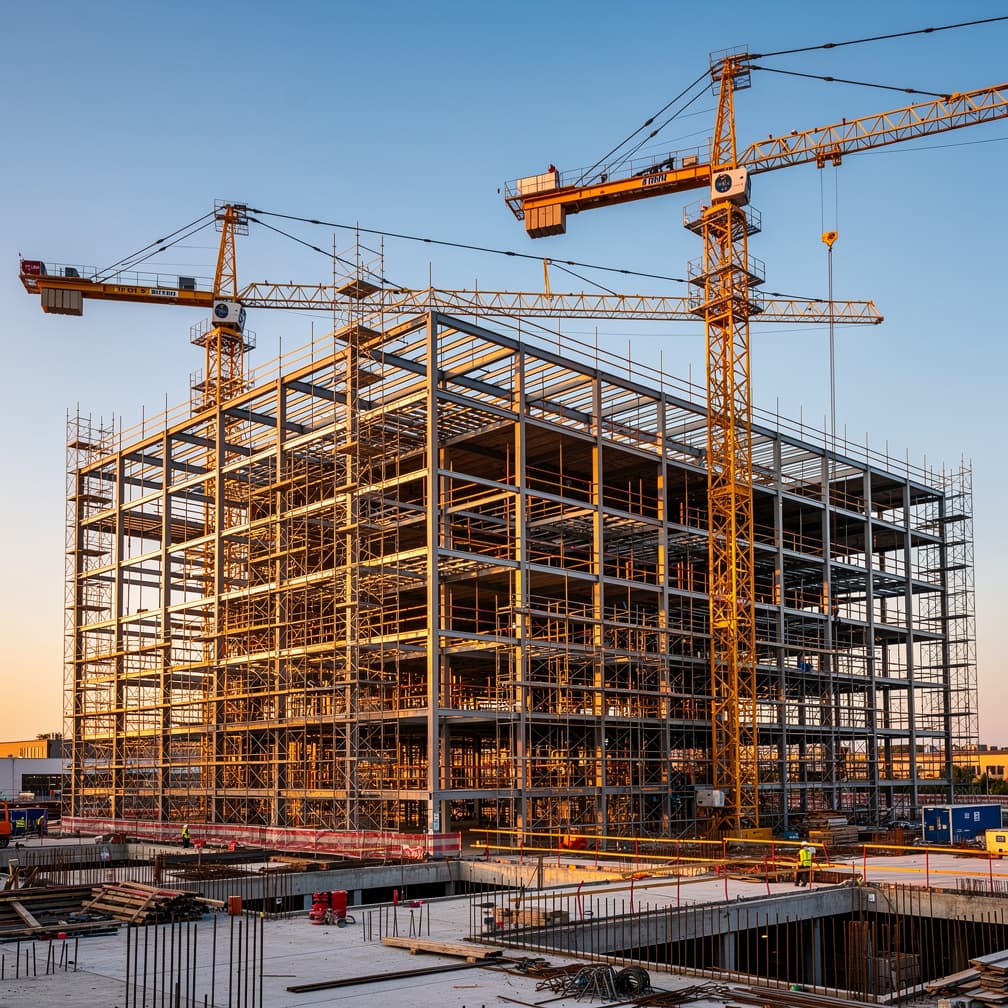
A builders risk insurance quote in New Mexico usually starts with a document review, not a price. The underwriter wants to see the construction contract, the project address, the draw schedule, the completed value, and a clear list of who needs to be included. If you bring those details up front, you get a cleaner quote and fewer revisions later. That matters on jobs where site conditions, storage arrangements, and weather exposure can change from one county to the next. When your submission reflects the actual scope, schedule, and site protections, the underwriter can price the real project instead of a worst-case interpretation of it.
A ground-up custom home outside town, a tenant improvement in a downtown commercial building, and a renovation on an older property do not present the same theft controls, water exposure, or soft-cost questions. Before you request terms, line up your plans, budget, timeline, lender requirements, and any subcontractor agreements that affect temporary structures, materials in transit, or materials stored off site. If your contract is vague about who insures what, resolve that before binding. You want the quote to match the project, not force the project into a generic form.
What Builders Risk Insurance Covers
The most useful builders risk review focuses on where loss can happen during the build, not on a generic list of covered property. Start with the job site itself. Ask whether the policy is being structured for new construction, a major remodel, or an addition, because each setup can change how existing structures, temporary works, and partially installed materials are handled.
Then move to property flow. Many projects rely on staged deliveries, yard storage, or materials held off site until crews are ready. If cabinets, mechanical equipment, windows, or finish materials sit in storage before installation, you should ask how those items are treated before they reach the project and after they arrive. The same goes for materials in transit, especially if long delivery routes or remote sites are part of the job.
Weather and site security deserve direct attention. Projects here can face wind, wildfire conditions, hail, and flash-flood exposure, so you should review how the policy addresses water damage, debris removal, temporary protection, and the practical steps expected to secure the site. If the job includes scaffolding, fencing, construction forms, or temporary structures, ask whether those items need to be scheduled or specifically endorsed. If a lender, owner, or upstream contractor is involved, confirm exactly which interests need to be named and whether soft costs, delay-related expenses, or ordinance-related rebuilding issues should be reviewed. When coverage follows your draw schedule, staging plan, and site controls, you reduce gaps that surface only after a loss.

Structure Coverage
Covers the building or structure under construction.

Materials on Site
Covers building materials stored at the construction site.

Materials in Transit
Covers materials being transported to the job site.
Temporary Structures
Covers scaffolding, fencing, and temporary buildings.

Soft Costs
Covers additional expenses from construction delays due to covered losses.
Equipment Coverage
Covers permanently installed fixtures and equipment.
Builders Risk Insurance Requirements in New Mexico
- Projects with remote access roads or limited nearby services should document inspection frequency, locked storage, and emergency response expectations before coverage is bound.
- If your build depends on staged deliveries or warehouse storage, review how the policy handles materials before installation and whether each location needs to be identified clearly.
- Sudden weather shifts can change site protection needs quickly, so temporary protection and cleanup provisions deserve a line-by-line review.
- Renovations on older properties often create overlap between existing building concerns and new work, which should be separated carefully in the coverage discussion.
How Much Does Builders Risk Insurance Cost in New Mexico?
Builders risk pricing is usually shaped by the project file you submit and the amount of uncertainty the underwriter sees in it. A complete submission often leads to a faster, more stable quote. An incomplete one can trigger follow-up questions about value, scope, security, and timeline, which can slow binding and narrow terms.
Start with completed value and scope. If your budget leaves out owner-furnished materials, site work that should be included, or change-order exposure, the quote may not track the real amount at risk. Construction type matters too. A simple wood-frame build, a renovation involving an occupied structure, and a project with specialized mechanical systems present different loss scenarios, so they are not priced the same way.
Project duration also affects cost. The longer the build, the longer the policy may need to respond to theft, weather events, vandalism, and installation-stage losses. If your schedule is aggressive but realistic, say so. If it depends on long-lead materials or phased occupancy, disclose that early. When the underwriter cannot verify schedule, scope, or site controls, the quote often reflects the added uncertainty.
Site controls can move the quote in a practical direction. Gated access, lighting, camera systems, locked storage, water shutoff procedures, and documented housekeeping can all help the underwriter understand how the job is managed. Location within the state matters because terrain, remoteness, and local hazard patterns can change response times and loss severity. If you want a useful quote, present the project the way a claims file would describe it after a loss, with exact values, exact parties, exact timeline, and exact protections in place.
Request a Quote Comparison
Enter your ZIP code to compare builders risk insurance rates from top carriers.
Business insurance starting at $25/mo
Who Needs Builders Risk Insurance?
The right question is not who can buy builders risk, but who has enough money tied to the project to need the terms reviewed carefully. That often starts with the property owner, but it rarely ends there. If your contract shifts responsibility for materials, temporary works, or site security, the party carrying that responsibility should verify how the policy is written before work starts.
General contractors should pay close attention when they are coordinating deliveries, controlling the site, or agreeing to protect work in place until substantial completion. If your agreement says you are responsible for certain property until installation or handoff, you need to know whether the policy structure follows that obligation. A gap between your contract obligations and the policy structure can trigger a dispute over who pays for the repair.
Developers and investors should review builders risk when financing depends on draw schedules, lender conditions, or a target completion date. A covered loss can interrupt more than construction. It can affect inspections, occupancy plans, tenant commitments, and the timing of permanent financing. If those downstream costs matter to the project, ask whether they should be addressed in the coverage review.
Subcontractors usually do not replace the project policy with their own coverage, but they still need to understand where their responsibility begins and ends. That is especially important on jobs with owner-supplied materials, remote storage, or phased work. If multiple parties have a financial interest in the same project, align the insurance language before the first delivery reaches the site.
Builders Risk Insurance by City in New Mexico
Builders Risk Insurance rates and coverage options can vary across New Mexico. Select your city below for localized information:
How to Buy Builders Risk Insurance
Pull the signed contract, project budget, plans, lender insurance requirements, construction schedule, and any exhibits that assign responsibility for materials, temporary structures, or existing property. If the project involves a renovation, include a clear description of what stays in place and what is being replaced.
Next, build the named-insured and additional-interest list from the contract, not from memory. Owners, developers, lenders, and contractors often assume they will be included automatically, but the quote needs a precise list. If the project uses an LLC for ownership and a separate entity for development or construction management, identify each one exactly as it appears in the agreement.
Then prepare the underwriting details that usually drive follow-up questions. That includes the construction type, square footage, protection class if available from your project file, security measures, water control procedures, storage arrangements, and whether any materials will be shipped to a warehouse or laydown yard before installation. If the site is remote, explain how access is controlled and how often it is inspected.
Before binding, compare the quote against the contract requirements line by line. Check the completed value, policy term, covered locations, deductible structure, and any conditions tied to vacancy, theft protection, or weather-related precautions. If the project may run long, ask how an extension would be handled before the original term expires. Buyers should also know the state's insurance regulator is the New Mexico Office of Superintendent of Insurance, which reviews policy forms, licenses carriers and producers, and handles consumer complaints if a dispute arises over coverage or claims handling.
How to Save on Builders Risk Insurance
The most effective way to save on builders risk is to remove ambiguity from the submission and reduce avoidable loss points on the site. If your values are rounded, your schedule is vague, or your storage plan is unclear, the quote can come back less favorable than a well-documented project with the same budget.
Start by tightening the statement of values. Separate building costs from items that may need special review, such as owner-furnished equipment, temporary structures, or materials stored away from the job site. If your project includes long-lead components, show when they will be purchased, where they will be stored, and how they will be protected. That helps the underwriter evaluate exposure instead of assuming the broadest risk.
Loss control can also improve the conversation. Written procedures for locking the site, documenting deliveries, shutting off water when crews leave, and inspecting the property after severe weather show that the project is actively managed. On jobs here, that matters because wind, wildfire conditions, hail, and sudden water events can turn a small issue into a larger claim if the site is left exposed.
You can also save by matching the policy term to the real construction schedule and reviewing extensions before they become urgent. If the contract changes, the budget increases, or the scope expands, update the policy promptly rather than waiting for renewal or a lender review. A mid-project change order that sits unreported until renewal can leave new work, upgraded materials, or added structures outside the completed value.
Our Recommendation for New Mexico
For projects here, ask for a builders risk review that follows the job from delivery to installation, not just the structure shown on the plans. That is especially important if materials will sit in a warehouse, a laydown yard, or a partially secured site before crews are ready for them.
Press on water and weather questions early. You want clear answers on temporary protection, water shutoff expectations, debris removal, and what site-security steps support theft and vandalism protection. If the project is in a remote area, explain inspection routines and emergency access, because those details can affect how the risk is viewed.
Renovation work deserves extra care. If part of the building remains in use, separate existing property issues from new work and confirm who is insuring each piece. Do the same for owner-furnished materials and any equipment that arrives long before installation.
Check named interests, completed value, term length, and any conditions that could matter after a storm or theft loss. If something is unclear, resolve it before the first draw or delivery, while changes are still easy to make.
FAQ
Frequently Asked Questions
Buyers usually get better results by starting with the contract, project budget, plans, and lender requirements. That lets the quote reflect the real named parties, values, storage arrangements, and timeline before the underwriter asks for revisions.
The state regulates insurance through the New Mexico Office of Superintendent of Insurance. If you are reviewing policy language, filing questions, or complaint options, that is the state regulator overseeing the insurance market.
Projects here often need a closer review of weather and site conditions, including wildfire and flash-flood exposure. Ask how temporary protection, debris removal, water damage scenarios, and site-security expectations are handled for your specific job.
Renovation work often needs a different review because existing property, occupied areas, and phased construction can change how the risk is written. Separate what already exists from what is being installed before you compare quotes.
Projects here often rely on warehouse storage, laydown yards, or delayed delivery schedules, so off-site materials should be reviewed before binding. If high-value items sit away from the job, ask how each location and transit exposure is treated.
Contractors should send the signed contract, statement of values, plans, schedule, lender requirements, and a clear list of security and water-control procedures. That gives the underwriter the operational detail needed to quote the project accurately.
Quotes often change when the first submission leaves out completed value details, storage plans, named interests, or schedule information. The more precise your project file is at the start, the fewer mid-quote corrections you usually need.
Builders risk insurance may cover, subject to policy terms, the structure under construction, materials on site, materials in transit, temporary structures, and fixtures or equipment being installed. Depending on the policy, you can also review soft costs and delay-related coverage tied to a covered property loss.
Sources
- 1.New Mexico Office of Superintendent of Insurance(New Mexico's insurance regulator is the New Mexico Office of Superintendent of Insurance.)
Updated July 16, 2026