Updated July 16, 2026

Key Takeaways
- Review your construction contract before requesting a quote, so the named insureds and insurance responsibility match the job documents.
- Prepare the project budget, timeline, address, and scope summary before applying, so the quote reflects the work actually being built.
- Check whether the policy addresses on-site materials, transit, temporary structures, and soft costs before the first delivery arrives.
- Compare the policy term against your realistic completion schedule, then ask about extension options before the original term gets close to expiring.
- Map builders risk against your liability, installation, and equipment policies, so you avoid both coverage gaps and overlapping property insurance.
Builders Risk Insurance in North Carolina
A custom homeowner building on the coast and a developer renovating a brick storefront in a Piedmont downtown face different builders risk decisions, even if both are trying to keep a project moving after a loss. The coastal job may need closer review of wind-driven damage scenarios, temporary materials storage, and how delays affect subcontractor scheduling. The downtown renovation may need tighter attention on existing structure exposure, adjacent property concerns, and how partial occupancy or phased work changes the policy setup. That is why your quote works best when it follows the site, the contract, and the build sequence, not a generic application. You want the policy to match where materials are kept, who is responsible before installation, and whether the job is new construction, an addition, or a major rehab. North Carolina weather patterns and varied project types can change what should be scheduled, excluded, or endorsed, so it is worth reviewing the plans, budget, and construction agreement before you request terms.
What Builders Risk Insurance Covers
A ground-up residential build near the coast can raise different questions than an infill commercial renovation in Charlotte, Raleigh, or a smaller downtown corridor where buildings sit close together and deliveries are staged off-site. Your policy should track how property moves and where it sits before it becomes part of the work.
For many projects, the practical issue is not the basic structure description. It is whether you need to schedule temporary works, stored materials, items in transit, or soft cost-related endorsements if a covered loss interrupts the timeline. If your framing package is delivered early and held at a separate yard, or specialty fixtures are waiting for installation while another trade finishes, you want those logistics discussed before binding. If you are renovating an older building, ask how the policy distinguishes between covered work and the original structure, and whether debris removal, pollutant cleanup, or ordinance-related rebuilding issues should be reviewed.
North Carolina also has a single named insurance regulator, the North Carolina Department of Insurance. This means the forms and endorsements filed for use here are what you should be comparing, not generic national templates. Hand over the plans, contract, draw schedule, and a list of high-value materials that will be stored away from the site or installed late in the project.

Structure Coverage
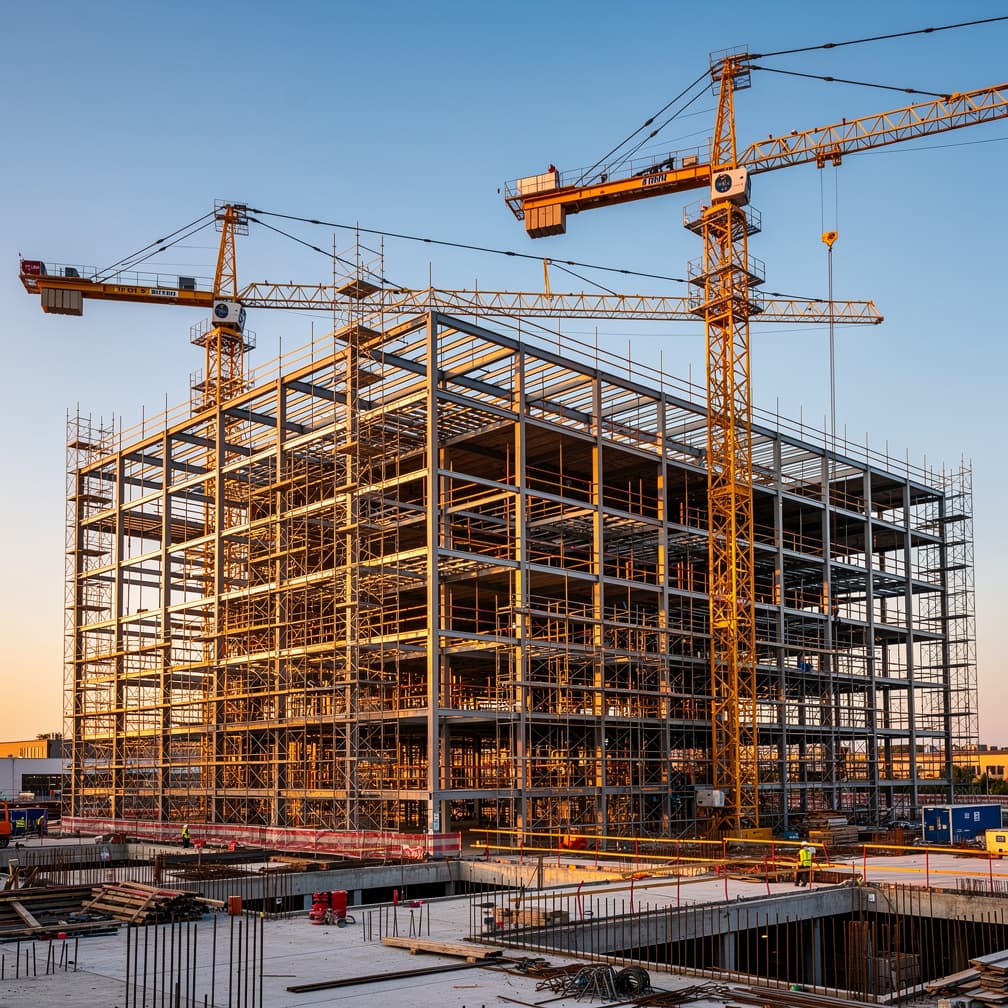
Covers the building or structure under construction.
Materials on Site
Covers building materials stored at the construction site.

Materials in Transit
Covers materials being transported to the job site.
Temporary Structures
Covers scaffolding, fencing, and temporary buildings.

Soft Costs
Covers additional expenses from construction delays due to covered losses.
Equipment Coverage
Covers permanently installed fixtures and equipment.
Builders Risk Insurance Requirements in North Carolina
- North Carolina coastal projects often need closer review of wind-related loss scenarios, material staging, and how delays can affect unfinished work before completion.
- Renovation jobs in older North Carolina downtown buildings should be reviewed carefully for the boundary between covered new work and the existing structure.
- If materials are stored at a supplier yard or temporary warehouse before installation, the policy should be checked for off-site storage treatment and limits.
- Projects with lender draws or phased occupancy should align policy term, valuation, and named interests before the first certificate is issued.
How Much Does Builders Risk Insurance Cost in North Carolina?
In North Carolina, builders risk pricing follows the project profile and the loss exposure the underwriter sees in your schedule, not a standard monthly figure. A project with custom finishes ordered months ahead of installation can also be viewed differently from a straightforward shell build with shorter lead times.
The quote usually moves with completed value, construction type, project term, and the scope of work, but the state-specific difference is how carefully you present the job conditions. If your materials are stored in more than one location, if the site will sit idle between phases, or if owner-supplied items are part of the budget, disclose those details at the outset. If the project is a renovation, be clear about what is existing, what is new, and whether any part of the building remains occupied during construction. Those details can affect how the policy is structured and what endorsements are worth requesting.
North Carolina weather exposure is another reason to build the submission carefully. If your schedule runs through storm-prone months, ask whether the carrier wants stronger documentation on site security, water intrusion controls, or delivery sequencing for vulnerable materials. To get a quote you can actually rely on, submit the contract sum, completed value, timeline, construction class, site address, and a clean breakdown of materials, equipment responsibility, and any off-site storage arrangements.
Request a Quote Comparison
Enter your ZIP code to compare builders risk insurance rates from top carriers.
Business insurance starting at $25/mo
Who Needs Builders Risk Insurance?
If your money, contract obligations, or project timeline are exposed when work in place is damaged before completion, you should review builders risk. That can include an owner building a primary residence, a developer converting an older commercial property, an investor improving a mixed-use building, or a general contractor who has agreed by contract to place the coverage.
For example, a coastal owner may be more focused on protecting materials that arrive before they can be installed, while an urban renovation team may be more concerned with how the policy handles new work inside an existing structure. A lender funding a North Carolina project may also expect evidence that the policy terms line up with the draw schedule and the insurable value being put in place. If multiple parties have a financial interest, the named insured structure and any additional insured or loss payee requirements should be checked against the contract before the first delivery reaches the site.
This is especially important on projects where responsibility shifts. If the owner buys certain finishes directly, if a subcontractor stores materials off-site, or if the project includes phased turnover, the wrong assumption can leave a gap that only shows up after a loss. Map the project parties, identify who owns what before installation, and request a quote that follows those responsibilities line by line.
Builders Risk Insurance by City in North Carolina
Builders Risk Insurance rates and coverage options can vary across North Carolina. Select your city below for localized information:
How to Buy Builders Risk Insurance
In North Carolina, buying builders risk correctly starts with building a submission package that answers the underwriter's real questions before they have to ask. Start with the construction contract and plans, then add the project schedule, completed value, site address, financing requirements, and a clear description of whether the job is new construction, an addition, or a renovation. If the work is on the coast, in a flood-prone area, or in a dense downtown block, disclose those conditions at the outset so the quote can be shaped around the actual exposure.
From there, identify every party with a financial interest in the work, including the owner, developer, general contractor, lender, and any others the contract requires to be recognized. Then list the property categories that need attention, including materials at the site, materials in transit, property stored off-site, temporary structures, and any owner-furnished items with long lead times. If the project includes an existing building, ask for a direct review of how the policy draws the line between covered work and the original structure.
Before binding, compare the quote to the construction timeline. Check the policy term against the expected completion date, including likely delays from inspections, weather, or supply chain issues. Review deductibles, causes of loss, valuation method, and any conditions tied to vacancy, security, or protective measures. In North Carolina, a clean buying process ends with a certificate and policy set that match the contract language, the lender requirements, and the way the job will actually be built. Request a quote from CPK Insurance today.
How to Save on Builders Risk Insurance
In North Carolina, the most dependable way to control builders risk cost is to make the project easier to understand and less likely to produce a disputed claim. Start by tightening the values. Separate the completed value from land, identify owner-supplied materials, and flag any specialty items that will be purchased early or stored away from the site. If the underwriter can see exactly what is being insured and where it will be located, the quote process usually goes more smoothly.
Project organization also matters. A realistic construction schedule, a clear draw sequence, and a written site protection plan can help you avoid paying for uncertainty. If your job runs through periods of heavier storm exposure, explain how you secure openings, protect materials from water, and monitor the site when crews are not present. If you are renovating an occupied or partially occupied building, document how the work area is separated and how combustible or theft-prone materials are controlled.
You can also save by avoiding midterm corrections. Incomplete named insured information, vague descriptions of off-site storage, and missing lender requirements often lead to rework, endorsements, or a policy that has to be rewritten. Ask for a quote review before binding, with special attention to valuation, term length, and whether optional coverages are actually needed for this North Carolina job.
Our Recommendation for North Carolina
For North Carolina projects, review the build through three lenses before you buy: weather exposure, project type, and property movement. Weather exposure matters because a coastal schedule, a mountain site, and an inland urban renovation do not present the same loss pattern. Project type matters because a ground-up build is usually easier to define than a renovation where new work and existing structure sit side by side. Property movement matters because many claims disputes start with materials that were delivered, stored, or transported in a way the policy did not clearly contemplate.
Ask for a line-by-line review of what is covered at the site, in transit, and at temporary storage locations. If your contract splits purchasing responsibility between owner and contractor, make sure the policy follows that split. If the project includes phased completion, partial occupancy, or lender draw conditions, bring those into the quote conversation early rather than trying to fix them by endorsement later.
North Carolina buyers also benefit from comparing policy forms for renovation language, delay-related options, and protective conditions that could matter during storm season. Bring the plans, contract, schedule, and materials list to the quote request, then ask where the form is narrow, where it is broad, and what assumptions the underwriter is making about your site.
FAQ
Frequently Asked Questions
The buyer is usually the party the contract makes responsible for insuring the project, often the owner or general contractor. Review the agreement first, then confirm named insureds, lender interests, and property responsibilities before binding.
Off-site materials may be addressed, depending on your policy terms and how the storage arrangement is disclosed. If you use supplier yards or temporary warehouses, list those locations early so the quote reflects them.
Renovation projects are often worth a close review because the key issue is how the policy may treat new work inside or attached to an existing structure. Ask for clear wording on that boundary before you buy.
Coastal projects often require closer underwriting review because weather exposure, delivery timing, and water intrusion controls can change the loss profile. Bring the schedule, site protections, and materials plan into the quote discussion from the start.
Quotes usually move faster when you provide the contract, plans, completed value, timeline, site address, and lender requirements together. Add any off-site storage details and owner-furnished materials so the form matches the job.
Insurance here is regulated by the North Carolina Department of Insurance, so policy forms and state-specific insurance oversight run through that department. If you are comparing quotes, review the actual form language and endorsements, not just the certificate.
Lenders often expect insurance evidence that matches the construction loan terms and draw schedule. Before closing, compare the lender's requirements to the quote so loss payee wording, valuation, and policy term line up.
Builders risk insurance may cover, subject to policy terms, the structure under construction, materials on site, materials in transit, temporary structures, and fixtures or equipment being installed. Depending on the policy, you can also review soft costs and delay-related coverage tied to a covered property loss.
Sources
- 1.North Carolina Department of Insurance(North Carolina insurance is regulated by the North Carolina Department of Insurance.)
Updated July 16, 2026