Updated July 16, 2026

Key Takeaways
- List every towing and transport service you perform before requesting quotes, so loading, unloading, winching, and recovery exposures are reviewed correctly.
- Compare the on-hook limit, deductible, valuation method, and exclusions side by side instead of choosing a policy on premium alone.
- Ask in writing whether your policy addresses the specific vehicles you tow most often, especially specialty, modified, low-clearance, or higher-value units.
- Use pre-tow photos, condition notes, and signed release procedures on every job to reduce disputes and support claims handling.
- Review on-hook coverage together with auto liability and any garagekeepers coverage before renewal to catch gaps between transport and storage.
On-Hook Towing Insurance in North Dakota
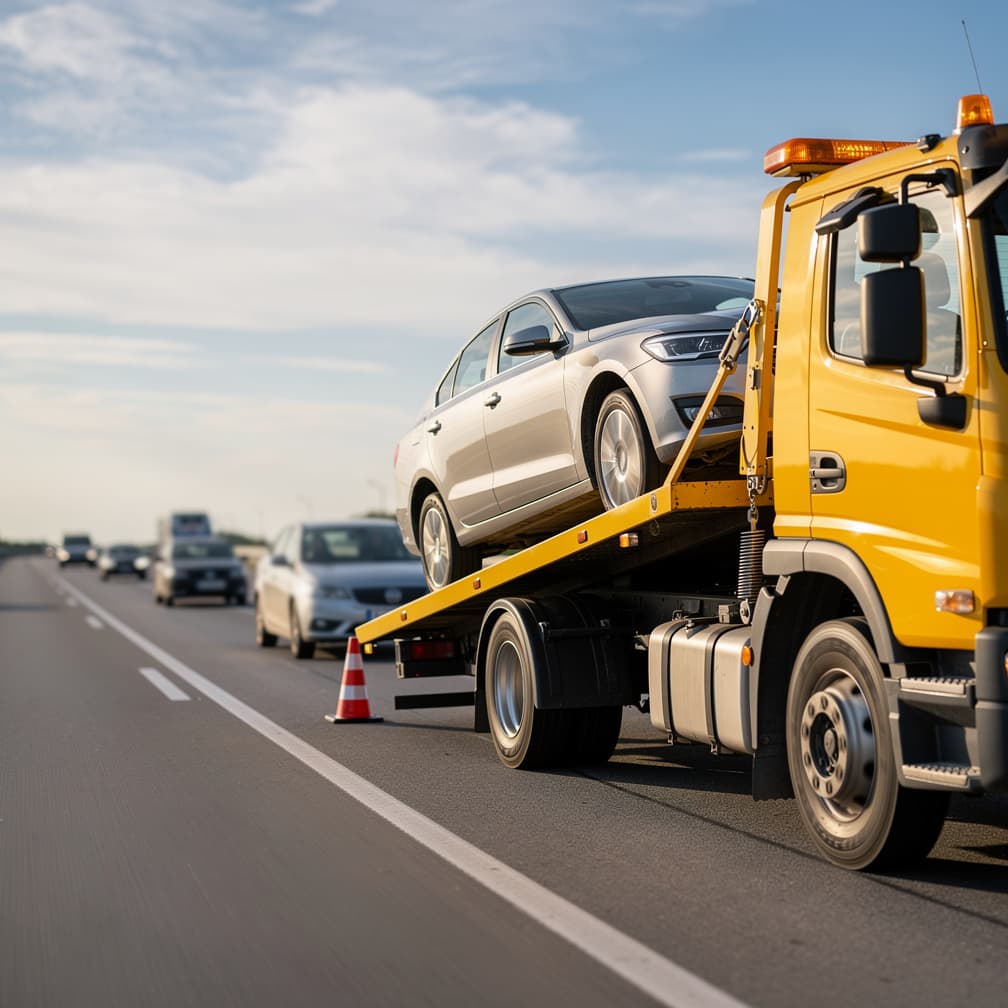
Your trucks work across long rural stretches, winter conditions, and mixed jobs such as roadside calls, recoveries, and impounds. A standard towing policy may be enough for your operation, or you may need a different on-hook setup depending on that mix. Your quote should be reviewed around those specifics. On-hook towing insurance should be matched to the way damage can happen during loading, transport, and unloading, not just to a generic towing classification. This is especially true if one truck spends most of its week on highway breakdowns and another handles private property removals, auction runs, or post-crash recovery.
The same applies if you cross county lines regularly, store vehicles before release, or use both flatbeds and wheel-lift units in the same fleet. North Dakota weather can change the risk profile of a tow quickly, especially where ice, wind, and reduced visibility affect securement, winching angles, and unloading surfaces. A useful quote request gives the underwriter a clear picture of your equipment, service radius, vehicle types, after-hours work, and claim controls. That way you can compare terms, limits, and exclusions before dispatch puts a customer vehicle on the hook.
What On-Hook Towing Insurance Covers
In North Dakota, the difference is usually not the basic idea of on-hook coverage. It is the situations that make a claim more likely to be disputed or more expensive. If your drivers work winter roadside calls, ditch pull-outs, or long-distance tows between smaller communities, you should review how the policy responds to damage allegations tied to securement, shifting during transport, low-visibility loading, and unloading on snow-packed or uneven surfaces. For example, if your call volume shows a high number of ditch recoveries after storms, your policy should reflect that specific exposure rather than a generic towing label.
A practical review starts with your service mix. A flatbed moving disabled pickups on open highways presents a different exposure from a wheel-lift unit handling tight apartment impounds or post-accident recovery in poor weather. If you do both, ask for each activity to be described clearly in the submission so the quote is built around real operations instead of a simplified label. That can help avoid surprises if a claim happens during a type of tow that was never explained well at binding.
You should also look closely at territory, vehicle types, and handoff points. North Dakota jobs can involve long travel distances, remote pickup locations, and transfers at repair shops, storage lots, or law enforcement-directed destinations. Those operational details matter because a claim often turns on exactly when the vehicle was attached, how it was being moved, and who had care, custody, or control at that moment. The North Dakota Insurance Department reviews and approves policy forms and rate filings, which means the language in your endorsement and the premium you pay have gone through a state regulatory process. That review gives you a formal complaint avenue if a claim dispute arises, so keeping your policy forms, endorsements, and claim reporting process organized lets you act on it quickly before you put a truck back on the road.
Collision on Hook
Covers damage to towed vehicles from collisions during transport.
Comprehensive on Hook
Covers theft, fire, and weather damage to vehicles being towed.
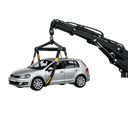
Loading & Unloading
Covers damage during the process of loading and unloading vehicles.
Winching Coverage
Covers damage to vehicles during winching and recovery operations.
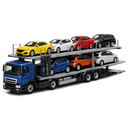
Multiple Vehicle
Covers all vehicles on multi-car carriers and rollback flatbeds.
On-Hook Towing Insurance Requirements in North Dakota
- North Dakota's rural geography means a single tow can keep a customer vehicle attached for hours, which extends the window in which a damage claim can arise.
- State law also requires specific disclosures for private property impounds, and those procedural requirements can affect how an underwriter views your exposure.
- If your business handles both routine tows and difficult recoveries, describe those activities separately so the policy is reviewed around real claim scenarios.
- Private property impounds, law enforcement-directed tows, and after-hours dispatches should be disclosed clearly because they can change how an underwriter evaluates your operation.
How Much Does On-Hook Towing Insurance Cost in North Dakota?
The cost question in North Dakota is driven by the value of the vehicles you tow and the conditions under which you tow them. A single high-value commercial truck damaged during a winter ditch recovery can cost more to resolve than several minor claims combined, which is why carriers focus on the types of vehicles you handle and the difficulty of the work. A carrier will want to know what kinds of vehicles you tow, whether you handle accident recovery or mostly routine roadside work, how often you operate after dark, and whether your drivers face winter loading conditions that can increase the chance of a damage allegation. If your operation includes both scheduled transports and urgent roadside dispatches, say so clearly. Those jobs are underwritten differently.
Geography also changes the quote. A truck working mostly in one city with short tows may be rated differently from a unit that regularly runs long rural routes, responds on higher-speed roads, or reaches remote locations where recovery takes more time and more equipment. The more your operation involves difficult access, soft shoulders, icy surfaces, or winching from ditches, the more important it is to describe procedures instead of assuming the underwriter will infer them.
Your equipment mix matters as well. Flatbeds, wheel-lifts, and heavier recovery setups create different damage scenarios, and the quote should reflect how each unit is used. If one truck is reserved for dealer or shop transfers and another handles police rotation or impound work, separate those uses in your application. That often produces a more accurate result than blending everything together.
You can usually improve pricing consistency by presenting clean driver information, a current vehicle schedule, service descriptions by truck, and written securement and photo documentation practices. While there is no published state average for on-hook premiums, your final quote will depend heavily on vehicle values, territory, and service mix. That level of detail gives you a better basis to compare deductibles, limits, and exclusions instead of focusing only on the first premium number you see.
Request a Quote Comparison
Enter your ZIP code to compare on-hook towing insurance rates from top carriers.
Business insurance starting at $25/mo
Who Needs On-Hook Towing Insurance?
In North Dakota, this coverage deserves a close look if your business takes possession of customer vehicles in conditions where loading, transport, or unloading can become more complicated than a routine city tow. That includes operators handling winter breakdowns on open roads, recoveries from ditches or medians, impounds from private property, and longer hauls between towns where a vehicle stays attached for more time and more miles.
You may need a stronger review even if towing is not the only thing you do. Some repair shops, roadside assistance operators, salvage businesses, transport services, and recovery-focused companies move customer vehicles as part of a broader operation. If your invoices say transport, recovery, roadside service, or vehicle relocation, but your crew still hooks, winches, lifts, or carries vehicles, the on-hook exposure is still there. The policy should be matched to the work itself, not just the name on your website.
North Dakota conditions make this especially important for businesses that operate after storms, during freeze-thaw periods, or on rural routes where shoulder conditions and visibility can change quickly. When a customer files a damage claim, the stage of the tow often determines which policy provision applies, so your operational records need to show exactly when and how the damage occurred. Customers usually care that the vehicle was in your control, and that is why your policy language and operational description need to line up.
If you subcontract overflow work, rotate trucks between service types, or use one unit for both routine towing and recovery, review that before renewal. Those are the kinds of operational shifts that can leave a gap between what you do now and what the policy was originally priced to cover.
On-Hook Towing Insurance by City in North Dakota
On-Hook Towing Insurance rates and coverage options can vary across North Dakota. Select your city below for localized information:
How to Buy On-Hook Towing Insurance
Buying this coverage in North Dakota goes more smoothly when you build the submission around dispatch reality. Start with a truck-by-truck breakdown of what each unit actually does, whether that is roadside towing, recovery, impounds, dealer transfers, auction moves, or longer rural transports. Then add where those jobs happen most often, how far drivers typically travel, and whether winter weather changes your procedures for loading, securement, or unloading. That gives the underwriter a usable picture of exposure instead of a generic towing description.
Next, organize the details that usually decide whether a quote is accurate. Include vehicle types towed, maximum values you commonly handle, whether you move commercial units or specialty vehicles, and whether any jobs involve difficult recovery conditions. List each unit by equipment type so the underwriter can see which truck does what. If after-hours calls, law enforcement-directed tows, or private property impounds are part of the mix, list them plainly.
Documentation matters before and after binding. Prepare driver lists, loss runs if available, equipment schedules, and your intake process for photographing vehicles at pickup and drop-off. In North Dakota, where weather and road conditions can change quickly, written procedures for securement checks, scene photos, and damage notation can help both underwriting and claim defense. Before you choose a policy, compare more than the premium. Review covered operations, exclusions, deductibles, reporting expectations, and whether the policy description matches your current service menu. Request a quote through CPK Insurance to compare your options with participating licensed providers.
How to Save on On-Hook Towing Insurance
The most reliable way to save in North Dakota is to make your operation easier to underwrite and easier to defend. Start with dispatch discipline. If your records show what kind of tow was performed, where it happened, what equipment was used, and the condition of the vehicle before and after transport, an underwriter has more confidence that a future claim can be evaluated on facts instead of assumptions.
Separate your service types whenever possible. If one part of your business handles routine roadside tows and another handles recoveries, impounds, or longer rural transports, do not collapse them into one vague description. Clear segmentation can lead to a quote that reflects actual exposure rather than the highest-risk interpretation of everything you do. The same applies if some trucks are flatbeds and others are wheel-lifts.
Driver and equipment controls also matter. Written securement procedures, recurring training, pre-trip equipment checks, and photo requirements at pickup and delivery can all support a better underwriting presentation. In North Dakota, where ice, wind, and low visibility can complicate loading and unloading, those controls are not just paperwork. They show how you reduce preventable damage.
You should also review limits and deductibles with your typical vehicle values in mind. Saving money by choosing terms that do not fit the cars, pickups, or commercial units you actually tow can cost more after one serious claim.
Our Recommendation for North Dakota
For North Dakota towing operators, the smartest buying move is to treat on-hook as an operations review, not a box to check. Ask your agent to build the submission around your real mix of work, whether that means winter roadside calls, rural long-distance tows, impounds, recoveries, dealer transfers, or some combination of them. If that mix changed since your last renewal, update it before you compare quotes.
Pay special attention to how each truck is used. A fleet with one flatbed for scheduled moves and one wheel-lift for urgent dispatch should not be described as if both units do the same job every day. That kind of shortcut can create claim friction later. You also want your application to explain any after-hours work, law enforcement-directed tows, and difficult recovery exposures clearly.
Because North Dakota weather can change the loss picture fast, ask for a careful review of deductibles, exclusions, and claim reporting expectations. Then line those terms up with your documentation process. If your drivers photograph vehicles consistently, note pre-existing damage, and record securement steps, you put yourself in a stronger position when a customer disputes what happened during the tow. Before binding, read the quoted operations description word for word and make sure it sounds like your actual call volume this week, not your business two years ago.
FAQ
Frequently Asked Questions
Yes. Icy loading areas, ditch pull-outs, and reduced visibility can change claim severity, so disclose that work up front. A quote is more dependable when the carrier understands whether you handle routine roadside tows, difficult recoveries, or both.
Compare quotes on matching operational details, not premium alone. Use the same truck list, service types, territory, and driver information for each submission, then review deductibles, exclusions, and how the policy describes your actual towing work.
It can. Longer distances, remote pickups, and highway speeds may increase the time and conditions under which a customer vehicle stays in your care. That is worth spelling out before you bind coverage.
Usually, yes. Those jobs create different handling patterns and claim concerns, so listing them separately lets the underwriter price each exposure accurately instead of defaulting to the highest-risk interpretation of a blended description.
The North Dakota Insurance Department regulates policy forms, reviews rate filings, and handles consumer complaints. Review your policy forms, endorsements, and complaint or claim procedures carefully before renewal so you can compare quoted language with the work your trucks actually perform.
Yes. If a shop tows or transports customer vehicles as part of its service, on-hook coverage may apply. The key issue is not the business label, it is whether a customer vehicle can be damaged while attached, loaded, carried, or unloaded by your truck.
Prepare a truck schedule, driver list, service breakdown, towing territory, and documentation procedures before requesting quotes. If you also handle recoveries, impounds, or after-hours calls, include those details so the policy can be reviewed around real operations.
On-hook towing insurance may cover damage to a customer vehicle while it is being loaded, attached, carried, winched, or unloaded by your tow truck, depending on the policy terms. Buyers should review collision, fire, theft, weather, and loading-related damage carefully.
Sources
- 1.North Dakota Insurance Department(North Dakota insurance policies are regulated by the North Dakota Insurance Department.)
Updated July 16, 2026