Updated July 16, 2026

Key Takeaways
- List every tool, machine, material, and portable device that leaves your main location before you request an inland marine quote.
- Compare blanket coverage against individually scheduled items so your higher-value equipment is not grouped too loosely.
- Ask how the policy treats theft from vehicles, temporary storage, loading and unloading, and property left at job sites overnight.
- Review installation floater and builders risk separately if materials are on site before they become part of completed work.
- Check valuation, deductibles, and exclusions before binding so a claim payment matches how you expect damaged property to be replaced.
Inland Marine Insurance in Ohio
If your business moves tools, equipment, or customer property across Ohio job sites, inland marine insurance is built to follow that property beyond a fixed storefront. That matters in a state with 286,400 businesses, where 99.6% of establishments are small operations competing for the same projects and contracts, which means a single stolen trailer or storm-damaged tool cache can put you behind a larger competitor fast. When a storm or theft hits, the difference between recovering quickly and losing weeks of revenue often comes down to whether your mobile property is insured. Ohio's risk picture also makes mobile property planning practical rather than optional. Severe storms and tornadoes are high-rated hazards, and recent disasters include the 2024 Tornado Outbreak across 11 counties and the 2023 Derecho affecting 35 counties, meaning job-site property across a wide geographic footprint can be exposed in a single event. For contractors working from Columbus to Cleveland, the question is not whether property stays in one place but whether it is protected at the job site, in temporary storage, or while being hauled between locations.
What Inland Marine Insurance Covers
In Ohio, inland marine insurance is designed for business property that is mobile, installed offsite, or temporarily stored away from your main location. That can include tools and equipment, goods in transit, and mobile business property. The policy is meant to move with the property across job sites, customer locations, temporary storage areas, and transport routes statewide. Ohio does not set a special statewide mandate for this coverage, so the exact protection depends on the policy form, endorsements, limits, and deductible choices you select with the carrier.
Because Ohio is regulated by the Ohio Department of Insurance, policy language and underwriting can vary by insurer. Businesses should review what is covered while property is away from the scheduled premises. Standard coverage commonly addresses theft, damage, and vandalism for covered property in transit or at a temporary location, but exclusions and sublimits vary. A contractor's portable compressor, a plumber's inspection camera, or materials staged for an installation in a temporary storage unit may all be treated differently depending on how the policy is written. Builders risk is often used for materials and work in progress at a project site, while an installation floater is typically considered when materials are being installed at a customer location. Ohio businesses should confirm whether their policy is written for scheduled items, blanket coverage, or a mix of both. That affects how claims are measured when property moves across counties or is exposed to severe weather, theft, or damage during transport.
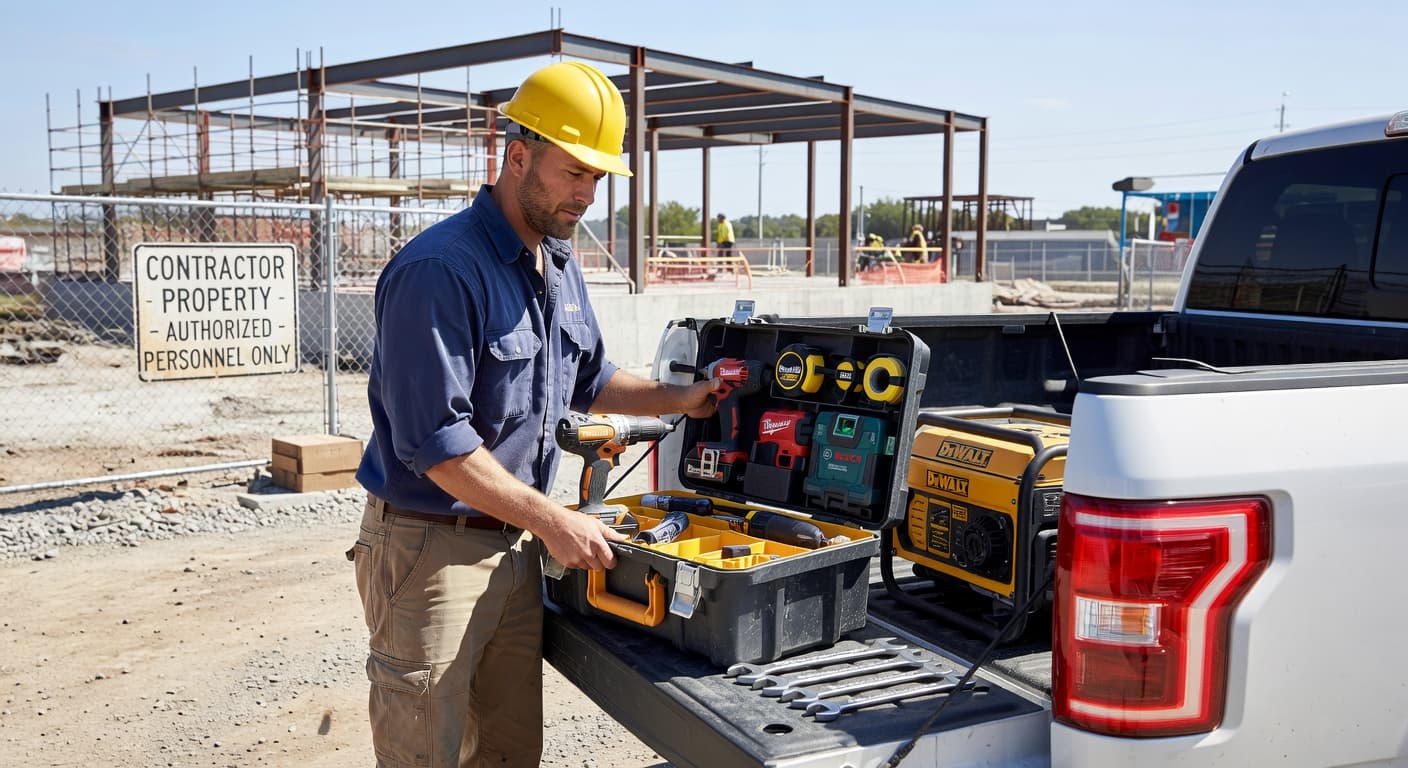
Tools & Equipment
Can help repair or replace hand tools, power tools, and gear that are stolen or damaged on the job or in transit.

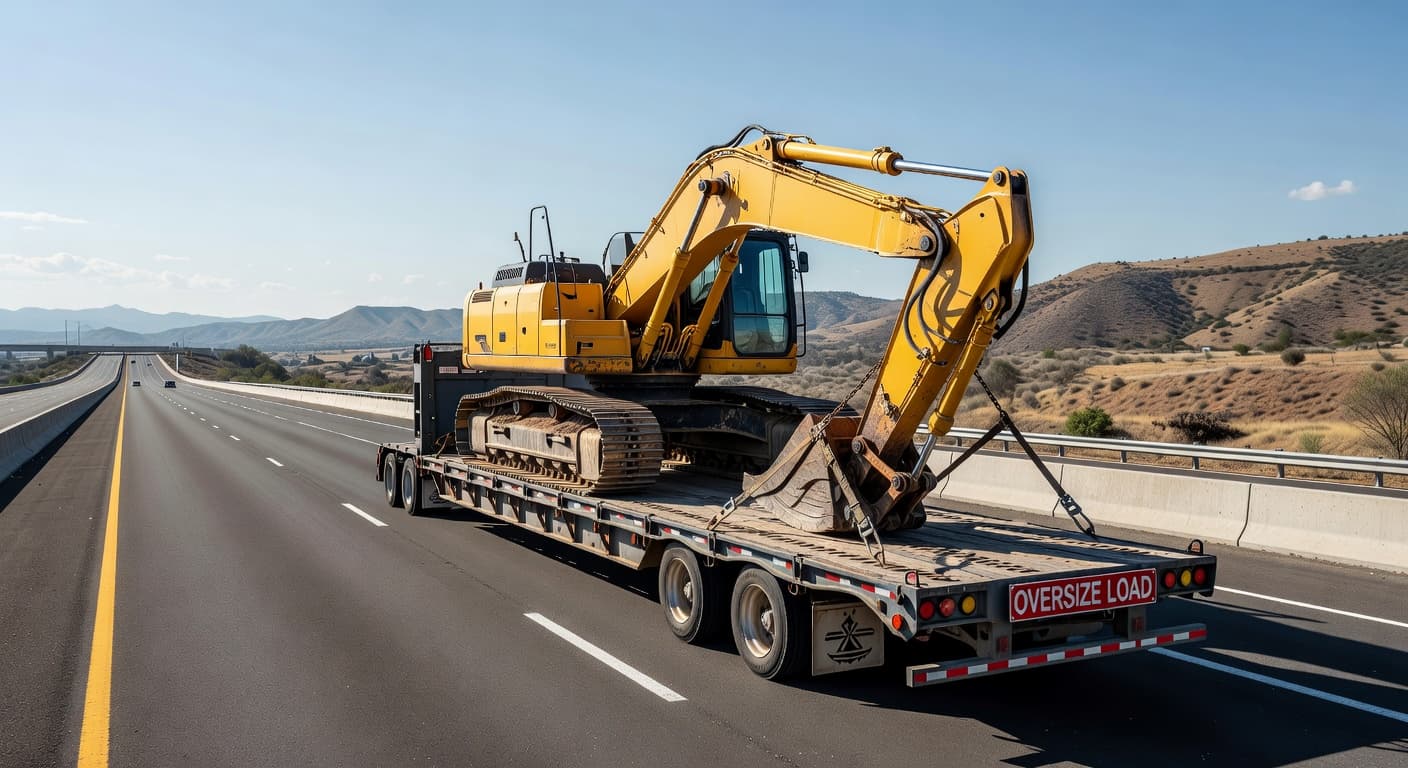
Goods in Transit
May cover products, materials, and merchandise while they are being shipped or hauled between locations in your care.
Contractors Equipment
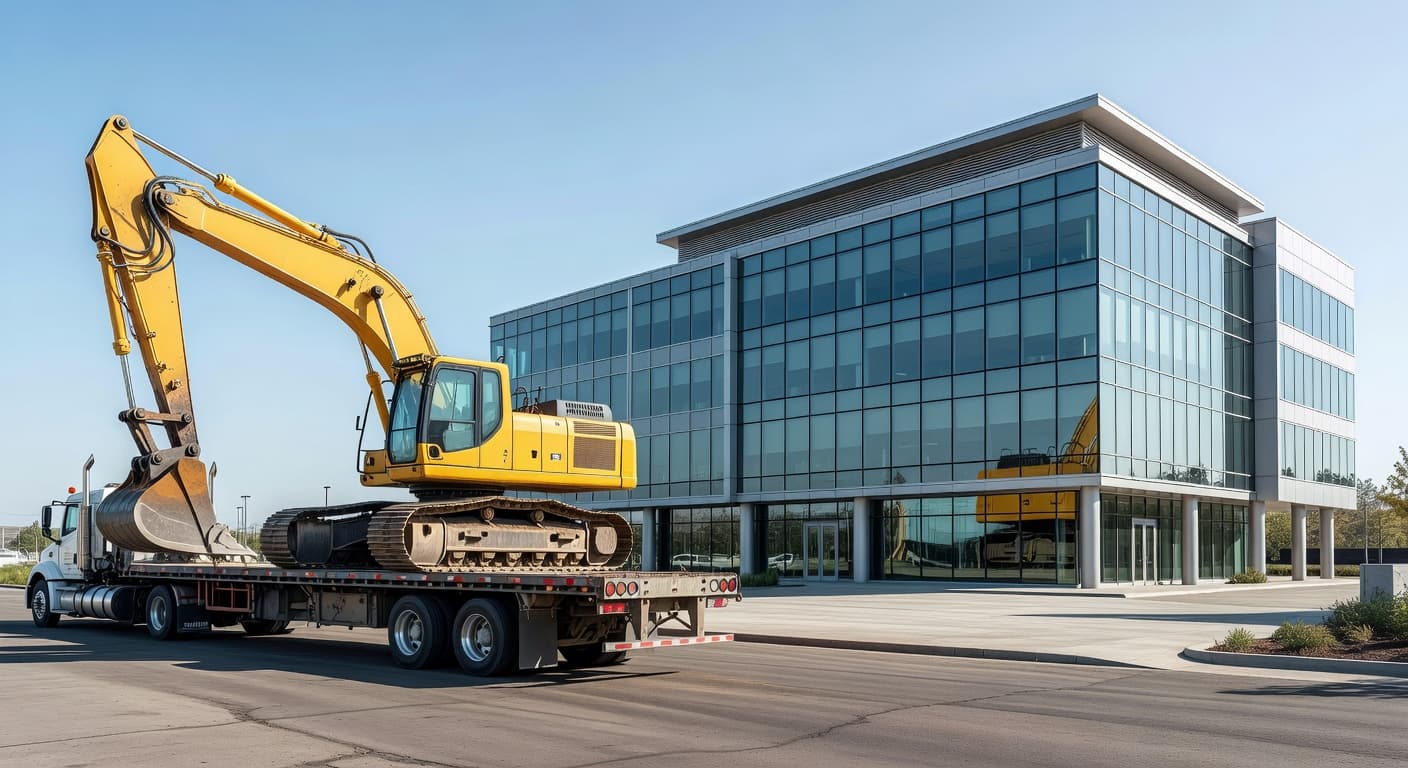
Typically covers heavy machinery like excavators, loaders, and generators against theft or damage at job sites and between them.

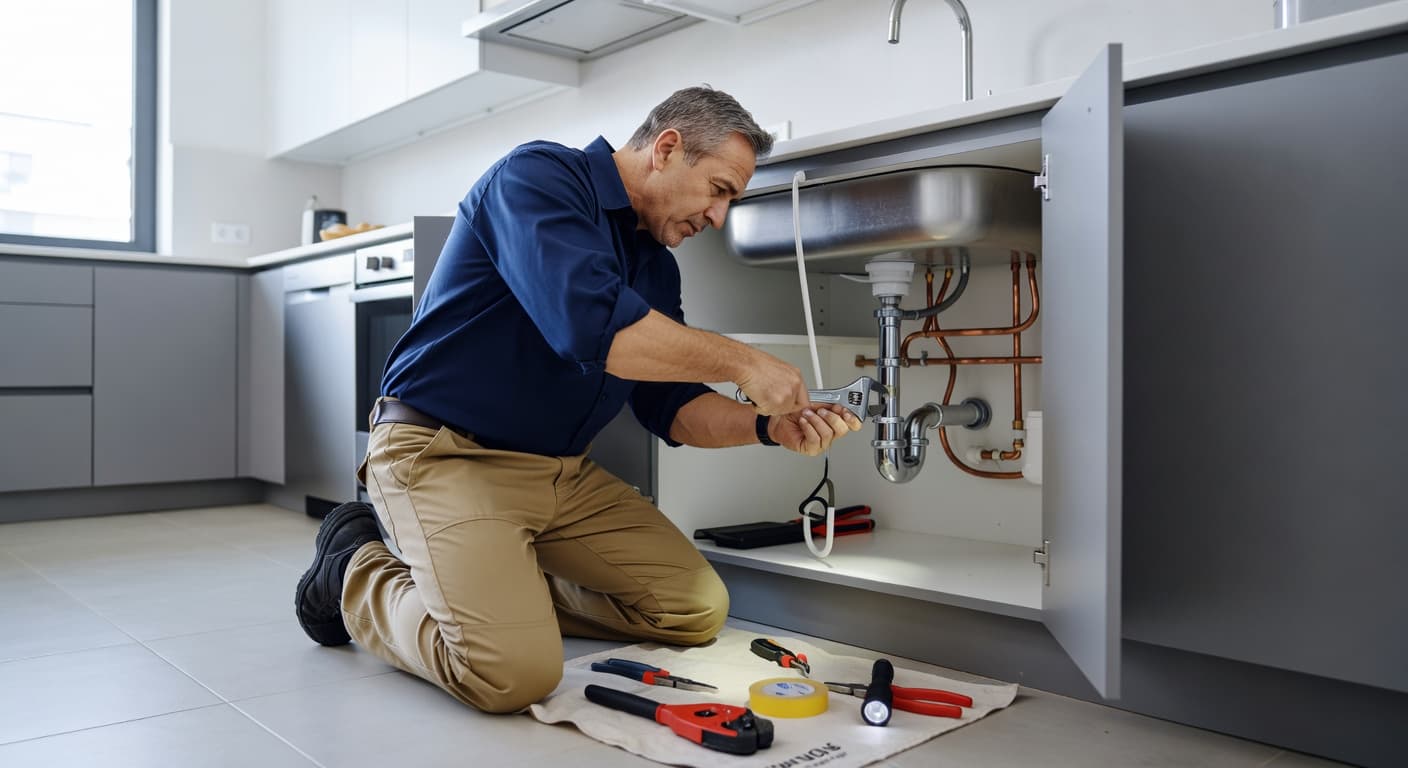
Installation Floater
Can help cover materials and fixtures from the moment you buy them until they are installed and accepted at a project.

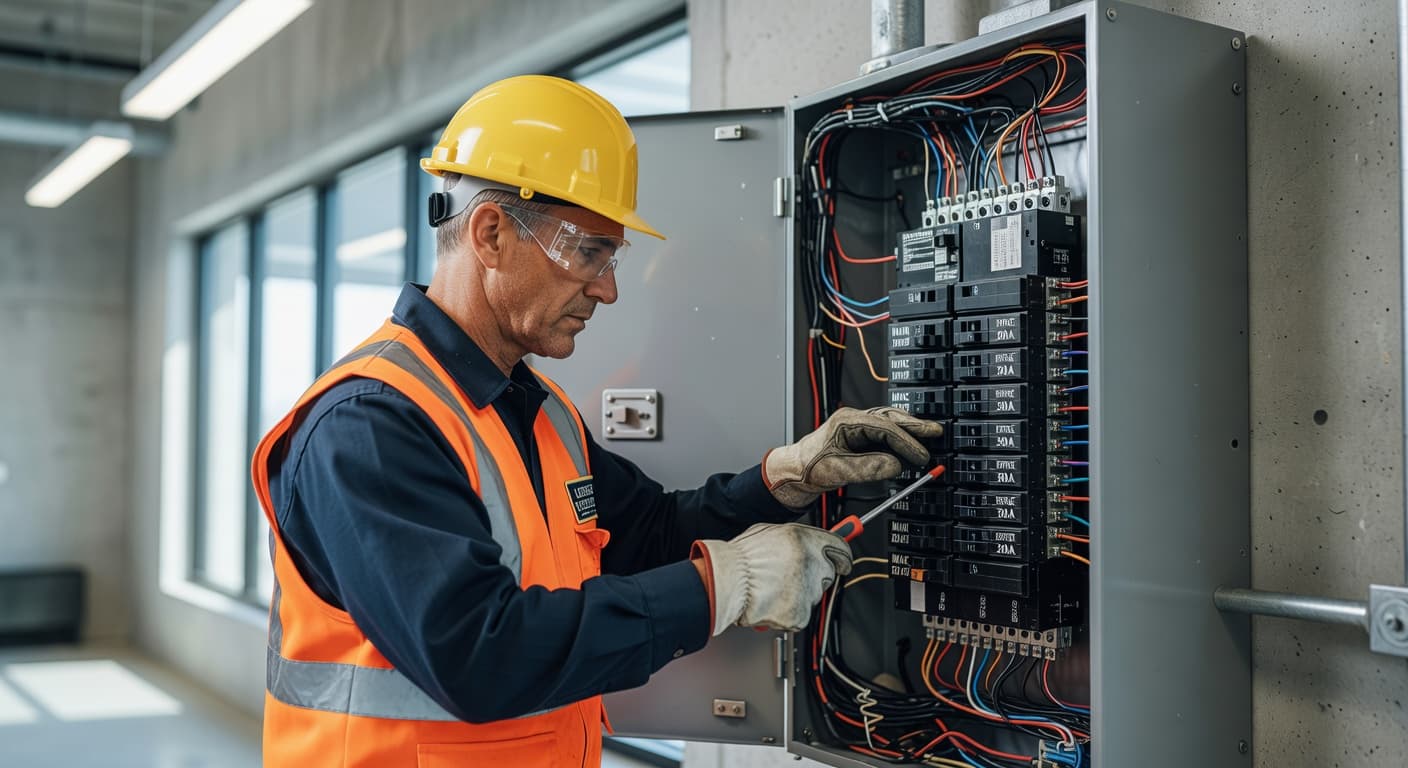
Builders Risk
May cover a structure under construction, along with materials on site, against damage from fire, wind, theft, and vandalism.
Inland Marine Insurance Requirements in Ohio
- The Ohio Department of Insurance regulates the market, though coverage terms still vary by carrier and policy form.
- Ohio does not provide a statewide mandatory minimum, so coverage requirements usually come from contracts, lenders, or project terms.
- Requirements may vary by industry and business size, so a contractor, manufacturer, and installer may need different endorsements.
- Ask how the carrier handles offsite storage and installation work, since those details can change how a claim is handled.
How Much Does Inland Marine Insurance Cost in Ohio?
Average Cost in Ohio
$20 - $85
per month
Businesses in Ohio typically see inland marine insurance premiums of $20 - $85 per month, which tends to run 12% below the national range of $20 - $100 per month.
- Total insured value of the scheduled property
- Type and age of the equipment
- Where it is stored and how far it travels
- Jobsite security and theft prevention
- Per-item limits and deductibles
- Prior theft and in-transit losses
Contact CPK Insurance for a personalized quote.
The average premium range for inland marine insurance in Ohio varies based on the property being insured and the coverage structure. That spread reflects differences in limits, deductibles, endorsements, class of business, and how much mobile property is being insured. Ohio's competitive market may give you room to compare multiple quote paths.
Several Ohio factors can move pricing up or down. Coverage for high-value tools and equipment that travel frequently between job sites can cost more than a policy for light portable property. Businesses operating in areas exposed to severe storms, tornadoes, winter storms, or flooding may see higher rates because those hazards are material in the state's risk profile. Your claims history, coverage limits, deductible choices, location, and industry risk all factor into the final price. Ohio's crime data also plays a role in mobile property planning. Property crime remains a practical concern, and carriers may give underwriting attention to stored equipment and materials in areas with higher incident rates.
For a business in a lower-risk class with modest limits, the monthly cost may sit near the lower end of the Ohio range. For a contractor insuring expensive equipment, materials in transit, and installation exposures across multiple counties, the cost can move toward the higher end. The best way to understand your quote is to request pricing based on your actual equipment list, route patterns, storage practices, and project schedule.
How Ohio compares with the national baseline
Property crime per 100,000 residents
2,110 vs 2,200 baseline
Property crime in Ohio runs below the national average, at 2,110 vs 2,200 incidents per 100,000 residents.
Blue bar: Ohio. Gray line: national baseline.
Prices shown are general estimates, not guaranteed rates or quotes. Your actual premium will depend on the insurer, coverage selected, business details, location, claims history, and other underwriting factors. Learn about our pricing methodology.
Request a Quote Comparison
Enter your ZIP code to compare inland marine insurance rates from top carriers.
Business insurance starting at $25/mo
Who Needs Inland Marine Insurance?
Ohio businesses that move valuable property regularly are the strongest fit for this coverage. Contractors are a core group because tools, trailers, generators, compressors, and project materials often travel from one site to another. That includes electricians, plumbers, landscapers, remodelers, and specialty trades working in Columbus, Cleveland, Cincinnati, Toledo, and Dayton. If your property moves, a standard commercial property policy may leave gaps when that property is offsite.
Manufacturing and retail-related operations can also need this coverage when goods are stored temporarily, staged for delivery, or moved between facilities. Beyond construction, Ohio's economy spans healthcare, manufacturing, and retail, and each sector can involve mobile or offsite property that does not fit neatly under a standard commercial property policy. A healthcare supplier moving sensitive equipment between offices, a manufacturer shipping components to a job site, or a retailer storing inventory offsite may all need goods in transit or mobile business property coverage depending on how the property is used.
Installation-oriented businesses are another important group. If your company delivers equipment to a customer location and installs it over time, an installation floater may be relevant. Builders and construction firms working on projects across the state may need builders risk for materials and work in progress at the site. If your business regularly transports, stores, or installs property away from your primary premises, coverage requirements are usually driven by contract terms, lender expectations, or project requirements rather than a statewide mandate. That makes the policy especially useful for businesses that operate across counties, use temporary storage, or keep expensive portable equipment in vehicles, trailers, or job boxes.
Inland Marine Insurance by City in Ohio
Inland Marine Insurance rates and coverage options can vary across Ohio. Select your city below for localized information:
How to Buy Inland Marine Insurance
Start with a detailed inventory of the property that moves. Carriers will usually want item descriptions, replacement values, serial numbers when available, where the property is stored overnight, how often it travels, and whether it is used at fixed sites, temporary storage, or customer locations. Ohio businesses should also be ready to explain their specific exposures, because the policy structure depends on how the property is used.
The Ohio Department of Insurance regulates the market, but underwriting is still carrier-specific. The fastest path is to compare quotes from multiple insurers licensed in the state. Ohio's market is competitive, which gives businesses meaningful comparison options. Ask whether the policy is scheduled or blanket, whether property is covered at job sites and temporary storage, and whether the carrier requires photos, proof of value, or loss control details before binding.
Be precise about where property travels in Ohio cities and counties, whether it crosses into neighboring states, and whether it sits in vehicles overnight. If your business works in storm-exposed areas or stores materials near active job sites, tell the agent so the quote reflects real risk. A good buying process is to gather your equipment list, project schedule, storage locations, and claims history first, then request side-by-side proposals that show limits, deductibles, and any exclusions in plain language. Request a quote through CPK Insurance to compare your options with participating licensed providers.
How to Save on Inland Marine Insurance
The most reliable way to manage cost is to match the policy to the actual exposure instead of overinsuring every item at the same limit. If your business uses a mix of high-value and lower-value tools, ask whether scheduled or a blanket structure fits better, because the wrong structure can push premiums higher than necessary. A clean, current inventory helps carriers price your coverage more accurately, and it can also reduce disputes if a claim occurs.
Higher deductibles often reduce premium, but only choose one your business can handle if a tool trailer is hit by storm damage or materials are stolen from a job site. Ohio's severe storm and tornado history means you should avoid a deductible so high that a common loss becomes hard to absorb. If your property is stored in secure facilities, locked trailers, or controlled-access job boxes, tell the carrier, because better storage practices can help underwriting view the risk more favorably.
Bundling can also help. This coverage may be bundled with other business insurance policies, and multi-policy placement can create pricing advantages depending on the carrier and account profile. Ohio businesses should ask for quotes that include related lines when appropriate, especially if they already buy commercial property or general liability. Another practical savings step is to keep claims history clean by tracking tools, using sign-out logs, and documenting serial numbers, since claims history is a key pricing factor.
Finally, shop the Ohio market broadly. A business in Columbus, Akron, or Cincinnati can often find meaningful quote variation. Ask each carrier how it treats temporary storage, job-site materials, and installation exposures, because a lower premium is only useful if the policy actually follows the property where you need it.
Our Recommendation for Ohio
For Ohio buyers, the best first step is to map the movement of your property before you ask for a quote. List every tool, piece of equipment, and material that leaves your main location, then separate what is in transit, what sits at job sites, and what is stored temporarily. That distinction matters because a contractor in Cleveland, a builder in Columbus, and an installer in Dayton may need different combinations of coverage. I would also compare at least two or three carriers in Ohio, since the state has a large number of insurers and pricing can differ based on industry, storage security, and storm exposure. If your work depends on portable property, make sure the policy language follows that property wherever it goes, so a loss at a customer site or in transit does not come out of your own pocket. Ohio's weather and project mix make it worth reviewing limits and deductibles carefully rather than choosing a quote on price alone.
FAQ
Frequently Asked Questions
In Ohio, it may help cover tools, equipment, materials, and goods that move between job sites, customer locations, and temporary storage. The policy is meant to follow the property during transport and while it is away from your fixed premises, but the exact covered items depend on the carrier form and any endorsements.
It may help cover mobile property while it is away from your main business address, including at job sites, offsite storage, or customer locations, if the policy is written that way. Ohio businesses should confirm whether the carrier treats temporary storage, installation sites, and overnight vehicle storage differently.
Contractors, electricians, plumbers, landscapers, builders, installers, and other businesses that move property regularly are common buyers in Ohio. It can also fit manufacturers, retailers, and service businesses that ship goods or store valuable portable property offsite.
Ohio's severe storm and tornado exposure, along with the value and mobility of your equipment, can influence the quote you receive. Your claims history, coverage limits, and deductible choices also play a role.
Ohio does not have a statewide minimum, but the Ohio Department of Insurance regulates the market. In practice, carriers usually ask for an inventory, values, storage details, and loss history, and some contracts or project owners may require proof of coverage.
Gather your equipment list, serial numbers if available, values, storage locations, and how often property travels across Ohio. Then compare quotes from multiple carriers, because Ohio businesses are encouraged to shop several options and carrier pricing can vary by risk profile.
Choose based on how the property is used. Tools and equipment coverage fits portable items, contractors equipment coverage is useful for larger job-site machinery, and installation floater coverage is often relevant when materials are being delivered and installed at a customer location.
Inland marine insurance may cover business property that moves, travels, or is stored away from your main premises. That can include tools, equipment, materials, goods in transit, and certain property at job sites or temporary locations, depending on your policy terms.
Updated July 16, 2026