Updated July 16, 2026

Key Takeaways
- Gather your current declarations, endorsements, loss runs, vehicle schedule, and driver list before requesting quotes so you can compare terms side by side.
- Review whether you need cargo coverage, trailer interchange, bobtail coverage, or non-trucking liability based on your dispatch pattern and contracts.
- Compare physical damage deductibles and valuation terms before renewing, especially on financed tractors, trailers, or recently added units.
- Check every broker, shipper, lender, and lease agreement against your policy endorsements so certificate wording does not hide a coverage gap.
- Start your renewal review early enough to update drivers, units, garaging, and operating radius before underwriters price the account.
Commercial Truck Insurance in Oklahoma
Many operators first assume a personal auto limit or a bare state minimum is enough once a truck starts earning revenue. In Oklahoma, that mistake can leave you short after a serious crash, a weather-related loss, or a contract review that asks for higher limits before a load ever moves. Your policy works best when it matches how your unit is titled, who dispatches it, what radius you run, and whether you pull your own trailer or someone else's. Line up your vehicle list, driver details, gararing address, operating radius, and any contract insurance requirements you already have in hand.
What Commercial Truck Insurance Covers
In Oklahoma, the useful coverage conversation usually starts with the gaps between a plated truck, a financed truck, and a truck that is actively under dispatch. Your policy review should separate what can help protect you for injury or property damage you cause to others, what may apply to damage to your own truck, and what may be needed because of the way you haul, park, or swap equipment during the week.
For many operators, liability is only the first checkpoint. Oklahoma's auto liability minimum is $25,000/$50,000/$25,000. That means if you injure one person in a crash, a $30,000 hospital bill leaves you personally responsible for the $5,000 your policy does not pay. A serious crash can run through those limits fast, leaving your business exposed to the remaining damages. If a shipper, broker, or terminal agreement expects higher limits, ask for those requirements to be reviewed early so the quote is built around the work you actually accept.
Physical damage deserves the same operational review. A truck parked outside, financed through a lender, or running through hail, wind, and storm-prone conditions can create a very different deductible discussion than a unit stored indoors and used on a tighter schedule. If you pull non-owned trailers, trailer interchange may need to be reviewed separately from your truck's own damage coverage. If you haul goods for others, cargo terms should be checked against the commodities you move, where losses are most likely to happen, and whether theft, spoilage, or load-specific exclusions matter to your operation.
The practical next step is to map each truck to its use. That means primary radius, commodity, trailer arrangement, garaging location, and whether the unit ever operates without a trailer or outside dispatch.

Motor Carrier Liability
Can help cover injuries and property damage your truck causes to others, a coverage federal regulators require most for-hire carriers to maintain.
Physical Damage
Can help pay to repair or replace your own truck after an accident, fire, theft, or vandalism.
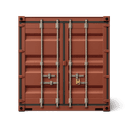
Cargo Coverage
May pay for damage to or theft of the freight you are hauling while it is in your care.
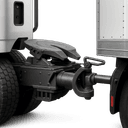
Trailer Interchange
Can help cover damage to trailers you haul under an interchange agreement but do not own.
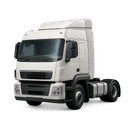
Bobtail Coverage
May provide liability protection when you drive your tractor without a trailer attached, such as after dropping off a load.

Non-Trucking Liability
Can help cover accidents that happen when you use your truck for personal errands rather than dispatched work.
Commercial Truck Insurance Requirements in Oklahoma
- Oklahoma weather exposure can change the deductible conversation for trucks parked outside. When physical damage coverage is tied to financed equipment, storm risk makes your deductible choice a financial decision, not just a premium decision.
- A truck that meets a basic Oklahoma auto liability threshold may still fall short of broker, shipper, lease, or lender insurance specifications, so review contract requirements alongside state minimums.
- Owner-operators should separate dispatch-related liability questions from times the tractor operates without a trailer or outside normal work activity, since those situations can create different exposures.
- If your business borrows or swaps trailers, review trailer interchange treatment carefully instead of assuming the truck policy automatically addresses that exposure.
How Much Does Commercial Truck Insurance Cost in Oklahoma?
Average Cost in Oklahoma
$480 - $1,275
per month
Businesses in Oklahoma typically see commercial truck insurance premiums of $480 - $1,275 per month, which tends to run 15% above the national range of $400 - $1,125 per month.
- Radius of operation
- Commodities hauled and cargo value
- Number and value of power units
- Driver motor vehicle records and CDL experience
- DOT safety record, inspections, and FMCSA scores
- Liability limits and physical damage deductibles
Contact CPK Insurance for a personalized quote.
Cost in Oklahoma usually turns on exposure details, not a single statewide price. Your premium may depend on the truck type, driving radius, driver history, garaging setup, requested limits, deductibles, cargo profile, and whether the unit is owner-operated or part of a fleet. Your quote request should be built around the exact way each truck is used.
A local box truck with a short radius and predictable parking may rate very differently from a tractor that crosses state lines, changes trailers, or carries higher-value freight. The same is true if one unit is financed, another is owned outright, and a third is only used seasonally. Deductible choices also matter. A higher deductible can reduce premium, but only if your business can absorb that out-of-pocket cost after a storm loss, collision, or theft claim.
Driver mix is another major pricing lever. If you add inexperienced drivers, have recent violations, or rotate operators between units, ask for those details to be reviewed up front instead of corrected later in the process. Misstated mileage, garaging, or business use can create problems later if a claim file shows the truck operates differently than the application suggested.
To get a quote you can actually use, prepare the VINs, unit values, driver license information, years of experience, loss runs if available, and a clear description of commodities, territory, and trailer ownership. That gives you a cleaner comparison between options instead of a low initial number that changes once underwriting sees the full picture.
How Oklahoma compares with the national baseline
Uninsured drivers
10.6% vs 11.6% baseline
About 10.6% of Oklahoma drivers are estimated to be uninsured, below the 11.6% average across states.
Fatal crashes per 100 million miles
1.7 vs 1.33 baseline
Oklahoma sees about 1.7 fatal crashes per 100 million miles driven, above the national average of 1.33.
Blue bar: Oklahoma. Gray line: national baseline.
Prices shown are general estimates, not guaranteed rates or quotes. Your actual premium will depend on the insurer, coverage selected, business details, location, claims history, and other underwriting factors. Learn about our pricing methodology.
Request a Quote Comparison
Enter your ZIP code to compare commercial truck insurance rates from top carriers.
Business insurance starting at $25/mo
Who Needs Commercial Truck Insurance?
In Oklahoma, the buyers who most often need a closer review are not just large motor carriers. Owner-operators under permanent lease, small fleets adding a second or third unit, contractors using heavier service trucks, private carriers delivering their own products, and businesses that occasionally cross state lines all face different insurance questions that a generic auto policy does not solve.
If your truck generates revenue, hauls tools or materials to jobs, pulls a trailer, or is required by a contract before work starts, you should review your coverage. The same applies if a lender has an interest in the unit, if a shipper asks for proof of insurance, or if your operation depends on one truck staying on the road with minimal interruption after a covered loss. A single-unit operation can have just as much need for careful limit and deductible planning as a larger fleet because one claim can disrupt all income-producing work.
Oklahoma operators should also think about how weather and storage affect who needs broader protection. A truck left outdoors between runs, parked at a residence, or stored in an unsecured lot may need a different physical damage and deductible approach than a unit kept in a controlled yard. If you borrow, lease, or interchange trailers, that is another sign your insurance should be reviewed beyond basic liability.
If the truck is part of your business model rather than just transportation, gather your registrations, driver list, trailer details, and contract requirements.
Commercial Truck Insurance by City in Oklahoma
Commercial Truck Insurance rates and coverage options can vary across Oklahoma. Select your city below for localized information:
How to Buy Commercial Truck Insurance
Buying the right policy in Oklahoma starts with organizing the operation the way an underwriter will see it. Begin with a schedule of every truck and trailer, including VIN, stated value, ownership status, garaging address, and whether the unit is financed or leased. Then match each unit to its actual use, whether that is local delivery, contractor service, private carriage, interstate hauling, or owner-operator work under someone else's authority.
Next, collect the driver information that may affect eligibility and pricing. That usually means license details, experience, and any recent incidents that should be disclosed before the quote is released. If you have prior coverage, bring declarations pages and loss runs if available. If you are changing operations, such as adding a trailer type, expanding radius, or moving from occasional hauling to regular dispatch, say that early so the quote is not built on outdated assumptions.
You should also line up any outside requirements before shopping. Contracts, lease agreements, lender documents, and shipper insurance specifications often drive the limits and endorsements you need more than the state minimum does. Oklahoma recognizes the Oklahoma Insurance Department as the state insurance regulator, so if you are comparing forms or policy language, keep your review focused on what is filed, what is required by your contracts, and what exclusions could affect a real claim.
Before finalizing, ask for a review of limits, deductibles, covered autos, trailer treatment, and any situations where the truck operates without a trailer or outside normal dispatch. Request a quote only after those details match the work you actually do.
How to Save on Commercial Truck Insurance
The safest way to save in Oklahoma is to remove rating surprises, not to strip the policy down to a bare minimum. Start by tightening the information on the application. If your garaging address, annual mileage, operating radius, trailer ownership, or driver assignments are vague, the quote can come back higher or change later in underwriting. Accurate records keep your pricing stable and prevent the back-and-forth that drives up costs.
Deductibles are another useful lever, but only if they fit your cash flow. If your truck is exposed to hail, wind, or other storm-related damage, a higher physical damage deductible may lower premium while also increasing what you pay after a covered loss. Review that tradeoff against your reserves, not just the monthly bill. If a truck's value has changed, ask whether the current physical damage setup still makes sense.
Driver management can also help. Keep motor vehicle records current, address violations quickly, and avoid adding drivers to the policy before you know whether they may meet underwriting expectations. If one truck is used only for a narrower radius or lower-hazard work, make sure the application reflects that instead of rating every unit as if it runs the same exposure.
Finally, compare quotes using the same limits, deductibles, and vehicle schedules. A lower premium is not a real savings if it comes from dropping trailer-related protection you rely on or leaving a financed unit without the damage coverage your lender expects. Ask for side-by-side options so you can see what changes the premium and what changes the risk you keep.
Our Recommendation for Oklahoma
For Oklahoma buyers, the most useful move is to treat the quote process like an operations audit. Start with the truck's real job, not the title on the registration. A contractor's service truck, a local delivery unit, and an owner-operator tractor can all look similar on paper while producing very different liability, physical damage, and trailer-related exposures.
Review your liability limits against more than the legal minimum. Oklahoma's basic split-limit requirement may be a baseline, but a working truck can create losses that move past that quickly. If a broker, shipper, lender, or lease agreement sets higher requirements, build the quote around those documents from the start.
Pay close attention to where trucks are parked and how often equipment changes hands. Outdoor storage, storm exposure, borrowed trailers, and irregular dispatch patterns are details that should be discussed early, not after a claim. If your operation changes seasonally or you add drivers during busy periods, update the policy promptly so the file matches reality.
The best buying habit is simple. Prepare a current vehicle schedule, driver list, unit values, and contract insurance requirements in one place. That gives you a quote you can compare and a policy you can actually use.
FAQ
Frequently Asked Questions
Oklahoma sets a basic auto liability minimum of $25,000/$50,000/$25,000, but a working truck often faces contract requirements and loss severity that go beyond that baseline. Review your limits against the loads you haul, the equipment you use, and any certificates you must provide.
Oklahoma operators often focus on premium first, but storm exposure can make deductible selection just as important. If your truck is parked outdoors or financed, review physical damage terms, unit value, and what out-of-pocket amount your business can handle after a covered loss.
Oklahoma owner-operators usually get a cleaner quote by bringing the truck VIN, stated value, garaging address, driver information, prior coverage details, and any lease or dispatch requirements. That helps the quote reflect how the tractor actually runs instead of relying on broad assumptions.
Oklahoma financed trucks often need closer physical damage review because the lender's interest, the truck's current value, and your deductible choice all may affect whether the policy fits the loan terms. Ask for those details to be checked before finalizing and before certificates are issued.
Oklahoma trailer arrangements may affect whether you should review trailer interchange, physical damage, or other trailer-related terms separately. If you pull non-owned trailers, swap equipment, or work under changing dispatch conditions, make sure the quote identifies that use clearly.
Oklahoma insurance oversight runs through the Oklahoma Insurance Department. If you are comparing policy language, filing a complaint, or checking whether an insurer is authorized, keep that regulator in mind while you review forms, exclusions, and proof-of-coverage requirements.
Oklahoma small fleets are usually rated on details such as driver mix, unit values, garaging, and how consistently each truck is used. A two-truck or three-truck schedule should be quoted with each unit's actual exposure so one higher-risk truck does not distort the whole picture.
Commercial truck insurance can be written for many working vehicles, including semis, tractor-trailers, box trucks, flatbeds, dump trucks, refrigerated units, tankers, tow trucks, and delivery vehicles. The key question is how each unit is used, who drives it, and whether trailers or cargo create added exposure.
Sources
- 1.Oklahoma Insurance Department(Oklahoma’s auto liability minimum is $25,000/$50,000/$25,000.; Oklahoma recognizes the Oklahoma Insurance Department as the state insurance regulator.)
Updated July 16, 2026