Updated July 16, 2026

Key Takeaways
- List every tool, machine, material, and portable device that leaves your main location before you request an inland marine quote.
- Compare blanket coverage against individually scheduled items so your higher-value equipment is not grouped too loosely.
- Ask how the policy treats theft from vehicles, temporary storage, loading and unloading, and property left at job sites overnight.
- Review installation floater and builders risk separately if materials are on site before they become part of completed work.
- Check valuation, deductibles, and exclusions before binding so a claim payment matches how you expect damaged property to be replaced.
Inland Marine Insurance in Oklahoma
If you move tools, materials, or customer property across Oklahoma job sites, the gap that catches most owners off guard is what happens once that property leaves a fixed location. Oklahoma has an elevated tornado, hail, and severe-storm risk profile, so property that leaves a fixed location faces a higher chance of weather damage or total loss than it would in a calmer state. That matters whether your work starts in Oklahoma City, shifts through Tulsa, or sits in temporary storage near a project in Edmond, Norman, or Lawton. Many businesses here run with portable equipment, short project timelines, and frequent site changes.
The Oklahoma Insurance Department regulates the market, which means your options, endorsements, and underwriting can vary by carrier and business size. If your business depends on property that travels, stays at job sites, or is installed away from your main premises, this is the point to compare coverage carefully rather than assume a standard property policy follows it.
What Inland Marine Insurance Covers
In Oklahoma, inland marine insurance is designed for business property that is mobile, in transit, or temporarily away from your main location. That includes tools, equipment, materials, and goods being transported between job sites. The core coverages in this product line include protection for tools and equipment, goods in transit, contractors equipment, installation floater, and builders risk.
State rules do not create a special mandatory form, but the Oklahoma Insurance Department oversees the market, so policy terms, endorsements, and underwriting standards can vary by carrier. The written scope of coverage matters more than a generic summary. In practice, businesses often use this coverage for theft, damage, vandalism, and other covered perils while property is away from the primary business location. Exact exclusions and limits depend on the policy.
Oklahoma's elevated tornado and hail risk can also make location, storage method, and job-site exposure more important when a carrier reviews the risk. If you need installation floater coverage for materials waiting to be placed, or builders risk coverage for a project under construction, ask how the policy treats temporary storage, transit between counties, and equipment left on active sites.
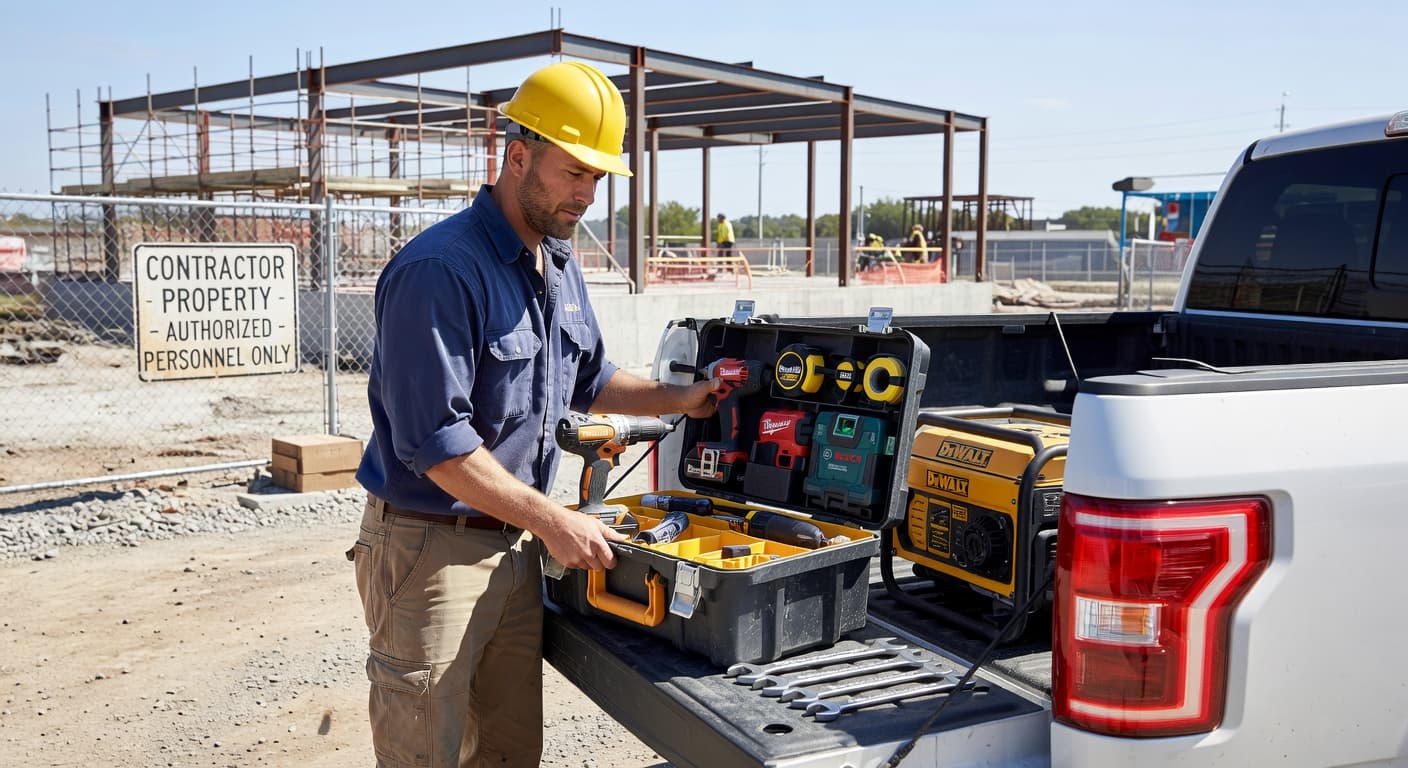
Tools & Equipment
Can help repair or replace hand tools, power tools, and gear that are stolen or damaged on the job or in transit.
Goods in Transit
May cover products, materials, and merchandise while they are being shipped or hauled between locations in your care.
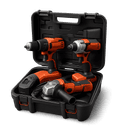
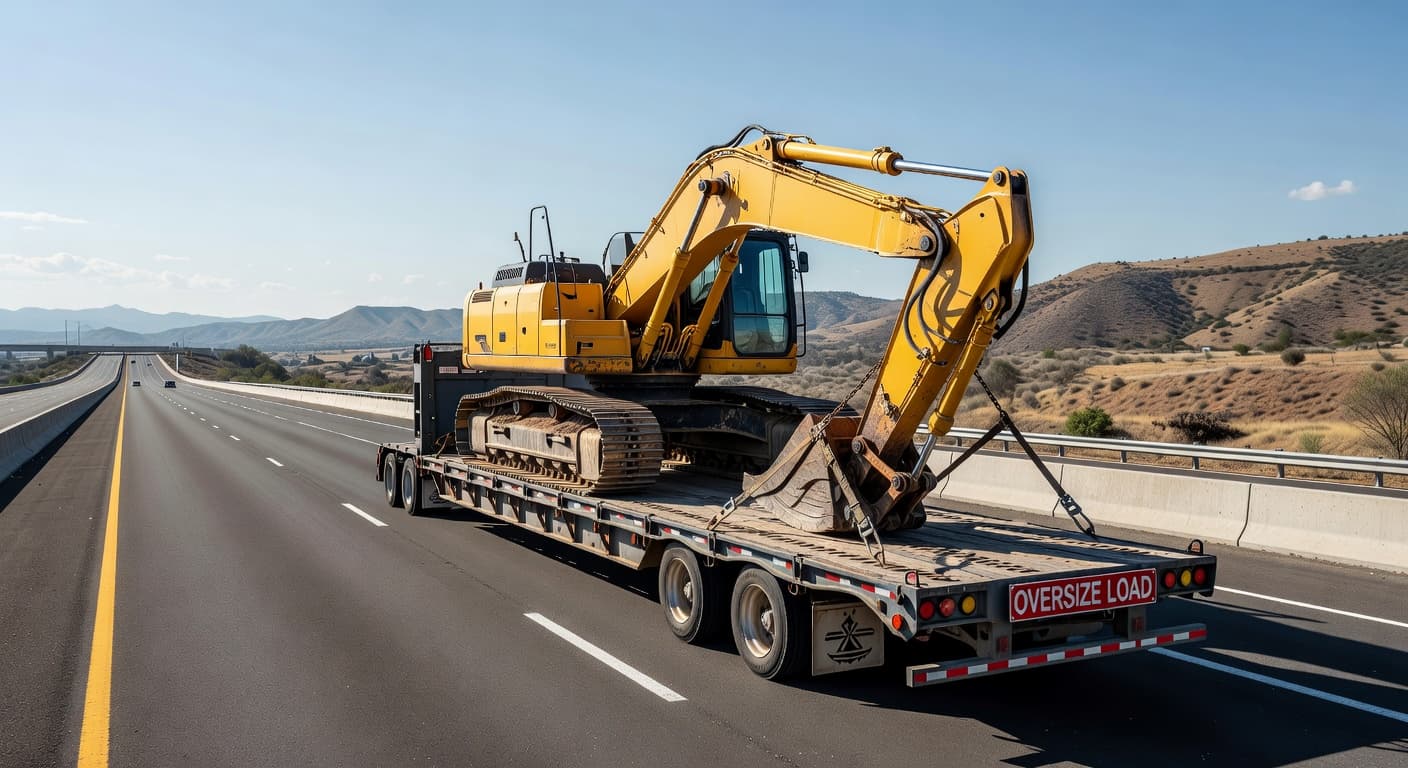
Contractors Equipment
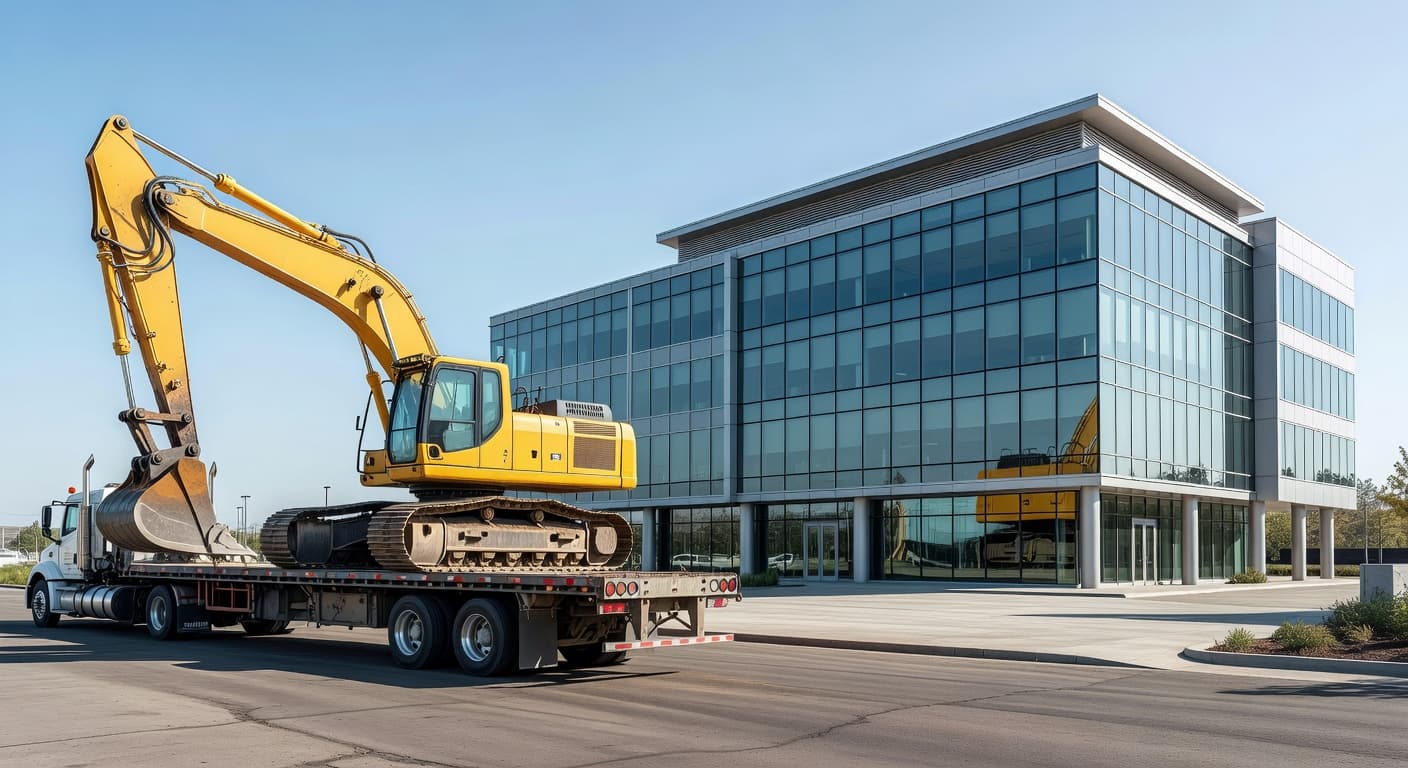
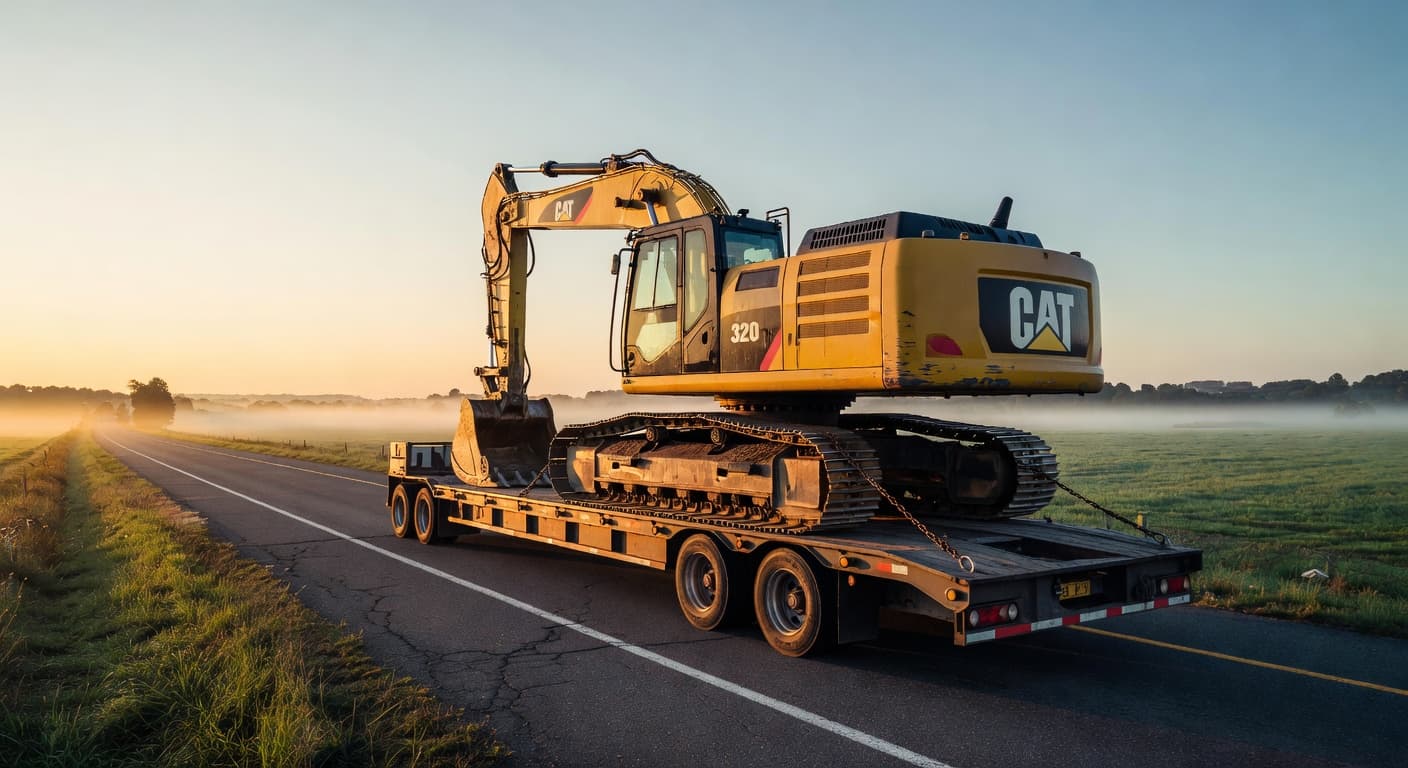
Typically covers heavy machinery like excavators, loaders, and generators against theft or damage at job sites and between them.

Installation Floater
Can help cover materials and fixtures from the moment you buy them until they are installed and accepted at a project.
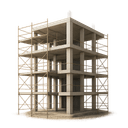
Builders Risk
May cover a structure under construction, along with materials on site, against damage from fire, wind, theft, and vandalism.
Inland Marine Insurance Requirements in Oklahoma
- The Oklahoma Insurance Department regulates the market, but inland marine coverage terms are carrier-specific rather than state-mandated.
- That means you should expect different insurers to offer different forms, endorsements, and underwriting guidelines, and the state's severe weather profile can further influence how carriers treat mobile property and job-site equipment.
- If your business also needs workers compensation, Oklahoma requires it for one or more employees, but that is separate from inland marine coverage.
How Much Does Inland Marine Insurance Cost in Oklahoma?
Average Cost in Oklahoma
$20 - $95
per month
Businesses in Oklahoma typically see inland marine insurance premiums of $20 - $95 per month, which tends to run 4% below the national range of $20 - $100 per month.
- Total insured value of the scheduled property
- Type and age of the equipment
- Where it is stored and how far it travels
- Jobsite security and theft prevention
- Per-item limits and deductibles
- Prior theft and in-transit losses
Contact CPK Insurance for a personalized quote.
For Oklahoma businesses, inland marine insurance cost is typically shaped by the state's near-average premium environment and its higher weather exposure. Actual pricing varies by carrier, class of business, and how much mobile property you insure.
Oklahoma's premium index is 102, which means pricing is close to the national average overall, so your base premium may not carry a state-specific surcharge. However, the state's elevated tornado, hailstorm, and severe-storm risk can push premiums upward for property that travels or sits outside a permanent building. Carriers also look at coverage limits and deductibles, claims history, location, industry or risk profile, and policy endorsements. A contractor with equipment moving between Oklahoma City, Norman, and Edmond may see different pricing than a business that only occasionally ships goods.
Oklahoma has many active insurance companies competing for business, including Oklahoma Farm Bureau and Shelter insurance in the broader market, so shopping multiple quotes can materially change your options. Smaller operations often need tighter limits and clearer schedules to avoid paying for more coverage than they need. When you request a quote, be ready to show what you move, where it goes, how it is stored, and how often it is in transit.
How Oklahoma compares with the national baseline
Property crime per 100,000 residents
2,970 vs 2,200 baseline
Property crime in Oklahoma runs above the national average, at 2,970 vs 2,200 incidents per 100,000 residents.
Blue bar: Oklahoma. Gray line: national baseline.
Prices shown are general estimates, not guaranteed rates or quotes. Your actual premium will depend on the insurer, coverage selected, business details, location, claims history, and other underwriting factors. Learn about our pricing methodology.
Request a Quote Comparison
Enter your ZIP code to compare inland marine insurance rates from top carriers.
Business insurance starting at $25/mo
Who Needs Inland Marine Insurance?
In Oklahoma, inland marine insurance is especially relevant for businesses that regularly move valuable property between fixed locations, job sites, and temporary storage. Contractors are a major fit because tools and equipment often need to follow items that are loaded on trucks, left at a site, or staged for installation in places like Oklahoma City, Tulsa, or the surrounding metro counties. Electricians, plumbers, landscapers, and other trade businesses commonly need contractors equipment coverage when machinery, generators, or specialty tools travel to multiple locations.
Businesses that ship materials or hold customer property can also benefit from goods in transit coverage, especially when deliveries cross the state's large geographic footprint. Installation floater coverage is relevant when materials are waiting to be installed at a customer location or project site, while builders risk coverage can matter for properties under construction.
Oklahoma's economy includes healthcare and social assistance, government, retail trade, manufacturing, and mining or oil and gas extraction, so mobile business property insurance is not limited to one trade. A manufacturer moving components, a retailer transferring inventory, or a service business storing equipment offsite may all have exposure. Because most Oklahoma businesses are small operations, many owners operate with lean equipment budgets, making the loss of one key item more disruptive than it would be in a larger company. If your property is routinely in transit, on job sites, or in temporary storage, this coverage deserves a close look.
Inland Marine Insurance by City in Oklahoma
Inland Marine Insurance rates and coverage options can vary across Oklahoma. Select your city below for localized information:
How to Buy Inland Marine Insurance
To buy inland marine insurance in Oklahoma, start by listing every item that leaves your main premises, where it travels, and whether it is stored at job sites, in vehicles, or in temporary storage. That inventory helps a carrier or licensed insurance professional from a participating provider match the right form to your specific needs. Because the Oklahoma Insurance Department regulates the market, you should expect carrier-specific underwriting rather than a one-size-fits-all state form.
Oklahoma businesses should compare quotes from multiple carriers. When you request a quote, be prepared to explain your industry, your job-site footprint, your storage practices, and your deductible preference. If your operations span multiple cities, say so, because location can affect pricing and underwriting. Ask how the policy treats offsite property and property in transit between counties.
Also confirm whether the carrier schedules individual items or covers classes of property, since that affects how you add new tools or equipment later. A contractor, manufacturer, or service business may need different limits or endorsements. If you are comparing policies, review the declarations page, covered property list, valuation method, and any exclusions tied to job-site storage or installation work before binding. Request a quote through CPK Insurance to compare your options with participating licensed providers.
How to Save on Inland Marine Insurance
To manage inland marine insurance cost in Oklahoma, focus first on matching the limit to the value of the property that actually moves. Overinsuring every tool, machine, or material bin can increase premium, while underinsuring can leave gaps when property is in transit or at a job site. Ask whether a higher deductible makes sense for your cash flow, because deductible choices are one of the main pricing drivers in Oklahoma.
A clean claims history can also help, since carriers weigh prior losses when quoting mobile business property insurance. Because the state has elevated tornado and hail exposure, better storage practices can matter. Secure tools in locked compartments, document serial numbers, and keep offsite property in protected locations when possible. If your business only needs coverage for certain classes of property, a narrower schedule may cost less than insuring every asset.
Bundling can also help, because pairing inland marine with other business policies may create multi-policy discounts. That can be useful for Oklahoma businesses that also carry general liability or commercial property. Shopping multiple carriers is important in a state with a premium index near the national average, because competition can change how each insurer prices your specific risk. If your work includes frequent moves through Oklahoma City, Tulsa, or other storm-prone corridors, ask how endorsements affect price before you add them. Finally, update your policy when you buy new equipment or start using a new storage site, because stale schedules can create avoidable coverage mismatches.
Our Recommendation for Oklahoma
For Oklahoma buyers, the best next step is to map the property, not the policy label. Start with what moves, where it sits overnight, and whether it is on a truck, at a job site, or in temporary storage. Then compare at least two or three quotes from Oklahoma carriers, since pricing varies with location, claims history, limits, and deductibles.
If your work is concentrated in Oklahoma City, Tulsa, Norman, Edmond, or other storm-exposed areas, ask specifically how tornado and hail exposure affects your inland marine terms. Make sure the quote distinguishes between tools, contractors equipment, goods in transit, installation, and builders risk so you are not buying a broader form than you need. A good quote should also show how new equipment is added and how offsite storage is treated.
FAQ
Frequently Asked Questions
In Oklahoma, inland marine insurance may help cover tools, equipment, building materials, and goods while they are moving between locations, at job sites, or in temporary storage, but the exact list depends on the policy wording and carrier.
It is meant to follow covered property away from your main premises, so a contractor in Oklahoma City or Tulsa can insure items that stay at a site or in short-term storage, subject to the policy's storage and security terms.
Contractors, electricians, plumbers, landscapers, photographers, caterers, IT service providers, and businesses that ship goods or hold customer property often need it because their property does not stay at one fixed location.
Coverage limits, deductibles, claims history, location, industry risk, and endorsements all affect pricing, and Oklahoma's elevated tornado and hail exposure can matter when carriers review mobile property risks.
There is no single statewide mandate for inland marine insurance, but the Oklahoma Insurance Department regulates the market and coverage requirements may vary by industry, business size, and carrier underwriting.
List the property that moves, where it goes, and how it is stored. A participating licensed provider can then help you compare options and match the right coverage forms to your operation.
Yes, and bundling inland marine with other business policies may help with pricing, but the exact discount and available package options vary by carrier and the rest of your insurance program.
Inland marine insurance may cover business property that moves, travels, or is stored away from your main premises. That can include tools, equipment, materials, goods in transit, and certain property at job sites or temporary locations, depending on your policy terms.
Updated July 16, 2026