Updated July 16, 2026

Key Takeaways
- List every towing and transport service you perform before requesting quotes, so loading, unloading, winching, and recovery exposures are reviewed correctly.
- Compare the on-hook limit, deductible, valuation method, and exclusions side by side instead of choosing a policy on premium alone.
- Ask in writing whether your policy addresses the specific vehicles you tow most often, especially specialty, modified, low-clearance, or higher-value units.
- Use pre-tow photos, condition notes, and signed release procedures on every job to reduce disputes and support claims handling.
- Review on-hook coverage together with auto liability and any garagekeepers coverage before renewal to catch gaps between transport and storage.
On-Hook Towing Insurance in South Carolina
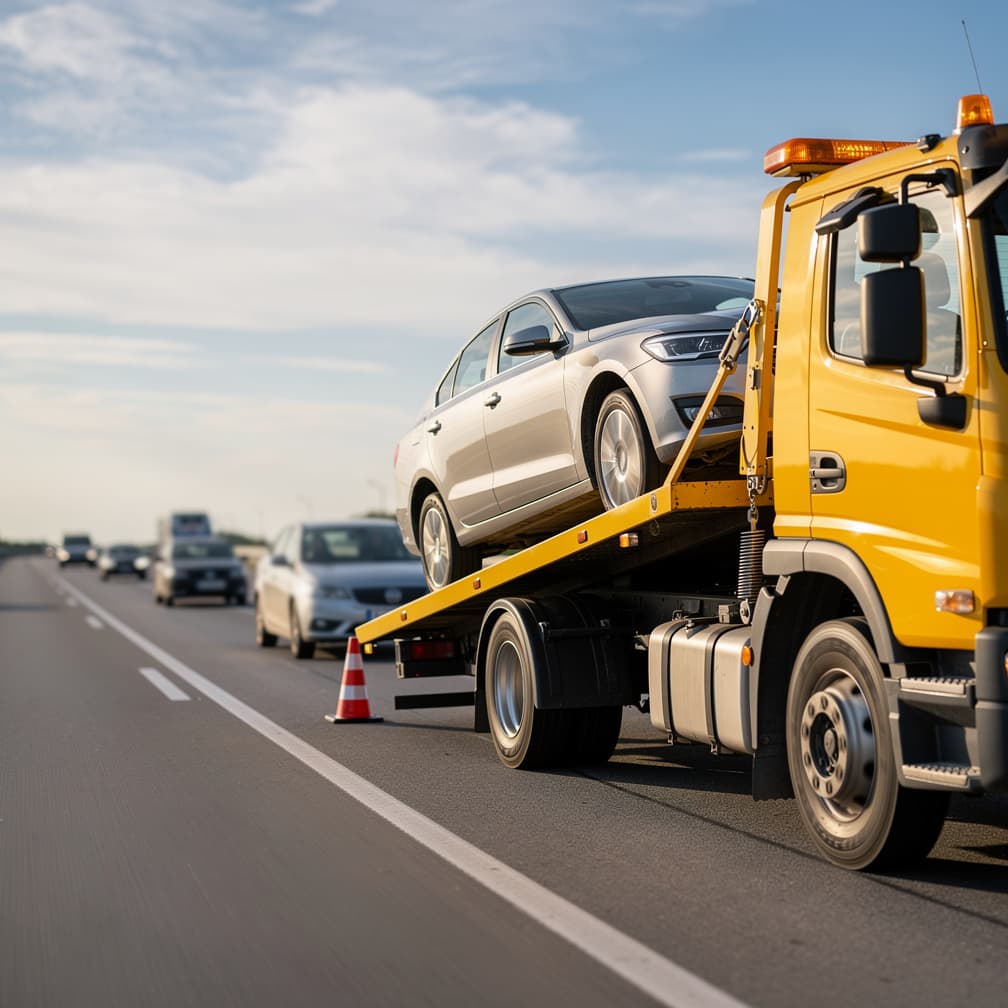
Shopping for on-hook towing insurance in South Carolina means looking past whether a policy is available and asking whether the terms fit your actual operation. Claim severity shifts with coastal weather, inland storm exposure, and the mix of roadside, recovery, impound, and transport work your drivers handle. A truck running routine dealer transfers around Columbia presents a different risk profile than a unit answering post-storm calls near the coast or late-night recoveries on rural roads. Your quote should be built from dispatch patterns, storage practices, driver experience, and the vehicles you accept, not from a generic towing template. Before you buy, line up your service mix, territory, and maximum vehicle values so the submission answers the underwriter's real questions.
What On-Hook Towing Insurance Covers
Coverage disputes usually start at the handoff points, so the most useful review begins there. You want the policy language and quote assumptions checked against how your drivers document a vehicle before hookup, how they note pre-existing damage, when they use wheel-lift versus flatbed equipment, and whether they regularly handle disabled vehicles after heavy rain or wind events.
If your routes include coastal counties, inland flood-prone roads, or storm cleanup calls, ask whether your policy can help cover vehicles exposed during loading delays, roadside positioning, or transport after a weather event. The goal is to understand where your policy terms, exclusions, deductibles, and limits may leave you carrying part of the loss yourself.
You should also review whether your operation creates different exposures by job type. Private property impounds, accident recovery, dealer transport, and municipal rotation work can each produce different documentation needs and different customer expectations about vehicle condition. If one truck handles routine tows and another takes more difficult recoveries, separate that in the submission.
Collision on Hook
Covers damage to towed vehicles from collisions during transport.
Comprehensive on Hook
Covers theft, fire, and weather damage to vehicles being towed.
Loading & Unloading
Covers damage during the process of loading and unloading vehicles.
Winching Coverage
Covers damage to vehicles during winching and recovery operations.
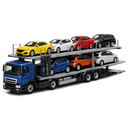
Multiple Vehicle
Covers all vehicles on multi-car carriers and rollback flatbeds.
On-Hook Towing Insurance Requirements in South Carolina
- South Carolina's coastal counties see frequent tropical weather and salt-air exposure that can accelerate equipment wear and complicate roadside loading.
- The South Carolina Department of Insurance maintains a public database of licensed providers and policy form approvals you can check before binding.
- Horry, Charleston, and Beaufort counties often have distinct traffic and weather patterns that underwriters evaluate differently from inland routes.
How Much Does On-Hook Towing Insurance Cost in South Carolina?
Underwriters look closely at the value of vehicles you tow, whether you use flatbeds or wheel-lifts, how often you handle accident scenes, whether you do impounds or repossessions, and how much of your work happens in bad weather, at night, or on higher-speed roads. If your operation regularly takes calls after coastal storms or on flooded inland routes, expect those details to matter because they can increase both damage severity and claim complexity.
Your service territory also changes the pricing conversation. A business focused on scheduled transport with predictable routes and documented handoffs may be viewed differently from an operation that mixes roadside assistance, recovery, and impound work across a wide area. If you leave those differences out of the application, the quote can miss the real exposure and create problems later when a claim is reviewed.
Deductible choice, requested limit, driver experience, claims history, and storage practices all affect what you pay. So does the quality of your documentation. Clear intake photos, timestamped dispatch logs, and consistent condition reports can support a stronger underwriting file because they show how you control disputes. For South Carolina operators, request quotes using the same vehicle list, service descriptions, and territory notes each time. If one quote looks lower, check whether the limit, deductible, or covered towing activities changed before you decide it is the better buy.
Request a Quote Comparison
Enter your ZIP code to compare on-hook towing insurance rates from top carriers.
Business insurance starting at $25/mo
Who Needs On-Hook Towing Insurance?
This coverage deserves a close look if your business takes possession of customer vehicles in ways that create a real chance of damage during the tow process. That can include operators doing roadside calls on interstates, local police rotation work, private property impounds for apartments or retail centers, dealer transfers, transport between repair facilities, or recovery jobs after storms.
State geography makes that review more important. Coastal work can bring weather interruptions and salt-air wear on equipment. Inland routes can involve heavy rain, standing water, fallen limbs, and soft shoulders that complicate loading and unloading. If your dispatch board changes quickly after severe weather, your exposure can shift from routine towing to more difficult recoveries in a single day.
You should also review this coverage if your company has grown beyond one simple service line. Many South Carolina towing businesses mix light-duty towing with lockouts, jump starts, winching, transport, storage, and impounds. Even if on-hook is only one part of the account, it needs to be sized for the vehicles and situations that create the largest potential loss. The state's regulator is the South Carolina Department of Insurance, which oversees policy forms, consumer complaints, and licensing.
On-Hook Towing Insurance by City in South Carolina
On-Hook Towing Insurance rates and coverage options can vary across South Carolina. Select your city below for localized information:
How to Buy On-Hook Towing Insurance
Buying this coverage in South Carolina goes more smoothly when you present the operation the way an underwriter will evaluate it. Start with a current unit schedule, the maximum vehicle values you are willing to tow, and a plain-language breakdown of services by truck. If one unit mainly handles dealer moves and another takes accident recovery or impound calls, separate them.
Next, map your territory honestly. Note whether you work coastal counties, inland flood-prone areas, rural roads, urban corridors, or a mix. South Carolina weather patterns can change the risk on a tow even when the service type stays the same, so include how often drivers respond after heavy rain, wind, or storm cleanup conditions. If you use subcontractors, after-hours dispatch, or shared storage lots, disclose that too.
Then prepare the documents that support your story. Gather sample tow tickets, intake photos, condition check procedures, driver training notes, and any written process for documenting pre-existing damage. If you have loss runs, review them before shopping so you can explain what changed after any prior claim. Before you bind, read the quote for more than the premium. Check the on-hook limit, deductible, any restrictions tied to vehicle type or towing activity, and whether the policy assumptions match your real dispatch mix. Ask direct questions about gray areas. Request a quote through CPK Insurance to compare your options with participating licensed providers.
How to Save on On-Hook Towing Insurance
Saving money on this coverage usually comes from making your operation easier to underwrite and easier to defend after a loss. Clear intake photos from multiple angles, timestamped dispatch records, signed tow authorizations where applicable, and written notes on pre-existing damage can matter as much as the policy itself if a claim turns into a condition dispute.
You can also improve pricing by separating exposures instead of blending everything together. If your business performs routine transport, roadside towing, impounds, and recovery work, break out how often each service occurs and which trucks handle it.
Keep motor vehicle records current, document training on loading methods, and maintain written procedures for wheel-lift use, flatbed securement, and post-storm safety checks. In South Carolina, where weather can quickly change road and shoulder conditions, a documented process shows that your operation is built to reduce preventable damage. If you want to lower premium, ask what happens if you change the deductible or narrow the classes of vehicles you accept.
Our Recommendation for South Carolina
One outlier loss can define whether the policy worked. Dealer transfers, police rotation calls, private property impounds, and storm-related recoveries do not create the same claim file. If you combine them into one vague description, the quote can come back either overpriced or built on assumptions that do not fit your dispatch reality.
FAQ
Frequently Asked Questions
Local towing can still create on-hook exposure if a customer's vehicle is damaged while attached, loaded, carried, or unloaded by your truck. Even short routes may be quoted around your actual vehicle types, towing methods, and documentation process.
Coastal towing can change the risk profile because weather and road conditions may complicate loading, transport, and unloading. When you request quotes, describe storm response work, wet-condition calls, and any higher-value vehicles you accept near the coast.
Insurance oversight runs through the South Carolina Department of Insurance, which oversees policy forms, consumer complaints, and licensing. If you are comparing forms, notices, or complaint procedures, keep copies of quotes and policy wording so you can review the exact terms before binding.
You should compare quotes using the same truck list, service mix, territory, requested limit, and deductible. That keeps the comparison honest and helps you spot whether a lower premium comes from narrower assumptions rather than better value.
Towing businesses often should review limits by unit if certain trucks handle higher-value vehicles or more difficult recoveries. A flatbed doing scheduled transport may justify a different limit discussion than a unit taking late-night accident calls.
Quote requests go better when you provide a current vehicle schedule, service descriptions by truck, maximum vehicle values towed, operating territory, driver details, and sample documentation such as tow tickets and intake photos.
Storm-related towing should be disclosed during the quote process because it can change claim severity and documentation needs. Ask how the policy is being considered for roadside loading, delayed delivery, and recovery work after severe weather.
On-hook towing insurance may cover damage to a customer vehicle while it is being loaded, attached, carried, winched, or unloaded by your tow truck, depending on the policy terms. Buyers should review collision, fire, theft, weather, and loading-related damage carefully.
Sources
- 1.South Carolina Department of Insurance(The state's regulator is the South Carolina Department of Insurance.)
Updated July 16, 2026