Updated July 16, 2026

Key Takeaways
- Review your construction contract before requesting a quote, so the named insureds and insurance responsibility match the job documents.
- Prepare the project budget, timeline, address, and scope summary before applying, so the quote reflects the work actually being built.
- Check whether the policy addresses on-site materials, transit, temporary structures, and soft costs before the first delivery arrives.
- Compare the policy term against your realistic completion schedule, then ask about extension options before the original term gets close to expiring.
- Map builders risk against your liability, installation, and equipment policies, so you avoid both coverage gaps and overlapping property insurance.
Builders Risk Insurance in Tennessee
Do you need a separate policy for a Tennessee project that is still being built, renovated, or added onto? In many cases, yes, because the property exposure starts before the job is finished and the contract often assigns that responsibility before materials are fully installed. Builders risk insurance in Tennessee is usually worth reviewing as soon as plans, financing, and site control are in place.
The state-specific question is less about the basic form and more about how your project moves from site prep to dry-in to final completion. Tennessee jobs can face weather interruptions, material storage issues, and shifting responsibility between owner, general contractor, and subcontractors as work progresses. That means your quote should match the actual build schedule, where materials are kept, who has care, custody, and control at each phase, and whether the project includes new construction, a major remodel, or an occupied-building renovation.
Before you request terms, line up the construction contract, lender requirements, project budget, and a current schedule of values. Think of the schedule of values as a detailed breakdown of what each part of the project costs, from foundation to finishes. That gives you a cleaner way to review covered property, temporary exposures, and any gaps that could delay a draw or force you to absorb a loss mid-project.
What Builders Risk Insurance Covers
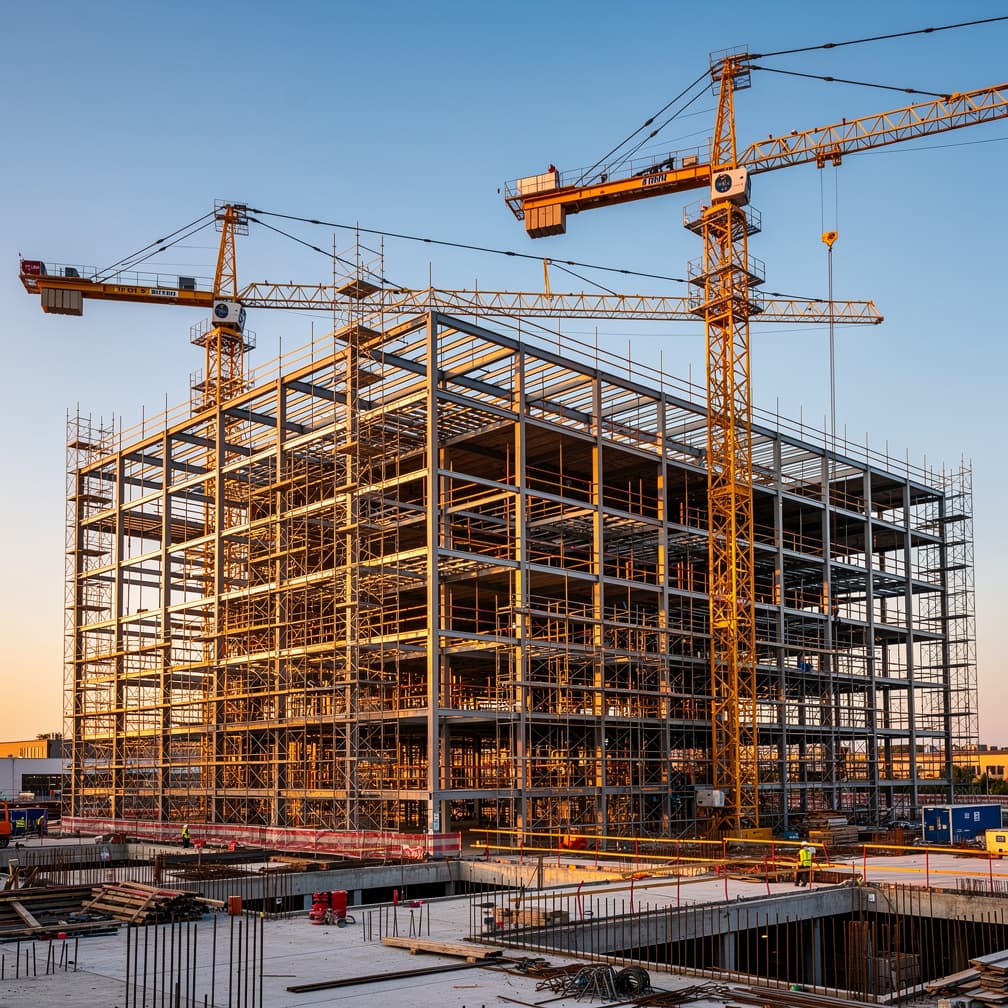
For a Tennessee project, the practical coverage review starts with the jobsite map and the build sequence, not a generic checklist. You want to confirm exactly which structure is being insured, which materials are intended to become part of the work, and at what point property is considered covered while it is on site, in temporary storage, or in transit if those options are being considered. That matters on projects where deliveries arrive in stages and installation stretches over multiple inspections and weather windows.
Renovation work deserves a closer read than ground-up construction. If you are improving an existing building, ask where the policy draws the line between the new work, existing structure, and any owner-furnished materials. An owner rehabbing an occupied property may need to separate what is part of the contract work from what remains business personal property or real property already insured elsewhere. If that line is fuzzy, a claim can turn into an argument about which policy should respond.
You should also review soft-cost and delay-related options only if they fit the project financing and timeline. On a lender-driven job, a covered loss can affect interest carry, leasing plans, or reopening dates, but those items are not automatic. They need to be requested, defined, and matched to the project documents.
Pay attention to how the form handles temporary structures, scaffolding, fencing, and materials waiting for installation. If the site relies on phased deliveries or off-site storage, ask for those locations and values to be scheduled clearly. The goal is simple: make sure the property you are paying to insure is described the same way in the policy, the contract, and the draw package.

Structure Coverage
Covers the building or structure under construction.

Materials on Site
Covers building materials stored at the construction site.

Materials in Transit
Covers materials being transported to the job site.
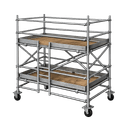
Temporary Structures
Covers scaffolding, fencing, and temporary buildings.

Soft Costs
Covers additional expenses from construction delays due to covered losses.
Equipment Coverage
Covers permanently installed fixtures and equipment.
Builders Risk Insurance Requirements in Tennessee
- Projects with renovation work in occupied buildings often need a clearer division between existing property coverage and the course-of-construction policy to avoid claim allocation disputes.
- If your job relies on phased deliveries or temporary storage before installation, schedule those values and locations clearly instead of assuming they are automatically included.
- Weather interruptions can extend the time partially completed work stays exposed, so review policy term, protective measures, and any requested extensions against the real build schedule.
- Lender-driven projects often move faster when evidence of coverage, named interests, and project value are aligned before the first draw request is submitted.
How Much Does Builders Risk Insurance Cost in Tennessee?
Builders risk pricing is usually driven by how underwriters see the project, the timeline, and the loss potential at each stage of construction.
Start with the completed value and make sure it matches the construction budget, including labor and materials that become part of the work. Then review the construction type, square footage, occupancy at completion, and whether the job is new construction, tenant improvement, or a substantial renovation. A project with structural changes, partial occupancy, or a long build period often needs more underwriting detail than a straightforward shell build.
Site conditions also affect cost. If materials are stored off site, if the project is in phases, or if the location will sit idle between trades, say so up front. Weather-related exposures in the state can change how an underwriter looks at water intrusion, wind-driven damage, and the chance that partially completed work stays exposed longer than planned. That does not mean every project is hard to place. It means the quote should reflect the real schedule and protection measures, not an optimistic one.
You should also expect pricing to move with deductible choices, requested extensions, prior loss history, and the number of parties that need to be named. If a lender, owner, and general contractor all need specific wording, handle that before binding. Midstream endorsement work can slow closing and create avoidable extra cost in time, if not always in premium.
Request a Quote Comparison
Enter your ZIP code to compare builders risk insurance rates from top carriers.
Business insurance starting at $25/mo
Who Needs Builders Risk Insurance?
The right question is not who can buy builders risk, but who has enough financial interest in the project to justify reviewing it carefully. That usually starts with the owner and the party the contract makes responsible for insuring the work. If you are funding the project, managing the build, or relying on completion for lease-up or occupancy, a loss during construction can hit your balance sheet long before the building is finished.
Owners should review it early when they are carrying the construction risk under the prime contract or loan documents. General contractors should review it when the agreement pushes insurance responsibility downstream or when they are expected to coordinate named insureds, additional interests, and evidence of coverage before mobilization. Developers often need a tighter review because they are balancing lender requirements, phased schedules, and changing site control as the project moves.
Renovation projects create another group that should pay attention. If the building stays partially occupied during the work, the insurance structure can become more complicated because the existing property program and the course-of-construction policy may both be involved. That is where owners, property managers, and contractors need the same understanding of what is insured where.
The state's insurance regulator is the Tennessee Department of Commerce and Insurance, so if you are comparing forms, endorsements, or complaint handling standards, keep your documentation organized and review policy terms as written before binding. For most buyers, the practical trigger is simple: if a covered loss during construction would delay financing, occupancy, or payment, this coverage deserves careful attention before the first delivery hits the site.
Builders Risk Insurance by City in Tennessee
Builders Risk Insurance rates and coverage options can vary across Tennessee. Select your city below for localized information:
How to Buy Builders Risk Insurance
Buying this coverage efficiently starts with collecting the documents that define the job. Pull the signed or near-final construction contract, lender insurance requirements, project budget, schedule of values, site address, target completion date, and any exhibits that describe temporary works or owner-furnished materials. If those documents disagree, fix that before you ask for terms.
Next, identify who needs to appear on the policy and in what role. That can include the owner, developer, general contractor, and lender, depending on the contract structure. Be precise. A vague request to add everyone involved usually creates endorsement back-and-forth and slows binding. It is better to list the entities exactly as they appear in the contract and loan package.
Then build the underwriting narrative. Explain whether the project is ground-up construction, a major renovation, or an addition to an existing structure. Note any phased turnover, temporary storage, partial occupancy, or unusual installation sequence. Projects that involve occupied buildings, long-lead materials, or staggered trade schedules benefit from a short written explanation because it helps the underwriter understand why the exposure looks the way it does.
Before you bind, compare the quote against the contract requirements line by line. Check the insured value, policy term, deductible, covered property description, and any optional coverages you requested. Confirm the effective date matches the point when your financial exposure begins, not just the day work becomes visible on site. If a lender or owner representative needs evidence of coverage before releasing funds or allowing mobilization, request those documents as part of the binding checklist, not as an afterthought. Request a quote through CPK Insurance to compare your options with participating licensed providers.
How to Save on Builders Risk Insurance
The most dependable way to control builders risk cost is to remove uncertainty from the submission. Underwriters price unknowns conservatively. If your application leaves open questions about value, storage, occupancy, or project timing, you often pay for that ambiguity one way or another.
Start by tightening the completed value. Use the current budget, not an outdated estimate, and separate items that become part of the work from equipment or property insured elsewhere. If the project has alternates, owner-furnished materials, or a phased handoff, spell that out. A precise statement of values can prevent both overinsurance and last-minute endorsement work.
Next, show how the site is managed. Describe fencing, lighting, water shutoff procedures, material handling, and who checks the property when crews are off site. Weather can interrupt sequencing, so explain what happens if the building is not dried in on the original date or if materials remain exposed longer than planned. A realistic plan is usually more credible than an aggressive schedule that ignores likely delays.
You can also save by matching the policy term to the actual construction window and reviewing optional extensions carefully. Do not buy every add-on by default. Request the ones tied to your contract, financing, and property flow. If materials are never stored off site, for example, that should be reflected in the structure of the quote.
Finally, get the named insureds and lender interests right before binding. Administrative corrections after issuance can slow closings, delay draws, and create friction that costs more in project time than any small premium difference. The lowest-cost-looking quote is not the goal. A clean policy that fits the job usually costs less than fixing a bad one after a loss or before a funding deadline.
Our Recommendation for Tennessee
For Tennessee projects, review the policy against the construction schedule, not just the budget. A project that looks straightforward on paper can change materially once you add phased deliveries, temporary storage, or renovation work in an occupied building. Those details affect how property should be described and when your exposure actually begins.
Ask for a plain-language review of three items before binding: covered property, valuation, and who is named. If the contract says one thing, the lender package says another, and the quote uses broader shorthand, resolve that conflict immediately. Most claim disputes on course-of-construction placements start with mismatched documents, not with a lack of insurance vocabulary.
For buyers in the state, weather planning should be part of the insurance conversation early. If your schedule depends on a narrow dry-in window or staged installation of high-value materials, make sure the submission explains that sequence and any protective measures on site. Underwriters do not need a sales pitch. They need a credible operating picture.
If you are renovating rather than building from the ground up, separate the existing structure issues from the new work before you request terms. That one step can prevent overlap, gaps, and confusion when a lender, owner, and contractor all expect the policy to respond the same way.
FAQ
Frequently Asked Questions
Renovation projects usually call for a separate review because the new work, existing structure, and any occupied areas may be insured under different arrangements. Check the contract first, then confirm how the policy describes the work in place and materials waiting for installation.
The responsibility usually falls on the owner or the party named in the construction contract. Review the agreement and loan requirements together so the policy names the right entities before mobilization, deliveries, or the first draw request.
Lender requirements often drive the timing. Many buyers review coverage before funds are released because the lender package may require evidence of insurance, named interests, and a completed value that matches the construction documents.
Submissions work better when you include the contract, project address, budget, schedule of values, target completion date, and any details about phased work, temporary storage, or occupied renovations. That gives the underwriter a usable picture of the actual exposure.
Buyers should compare covered property, valuation, deductible, policy term, and named parties line by line. The Tennessee Department of Commerce and Insurance is the state's insurance regulator, so keep copies of the quote, endorsements, and final policy wording organized.
Projects should not assume off-site storage is automatically handled the way you expect. If materials will be stored away from the jobsite before installation, ask for that exposure to be reviewed and described clearly in the quote. Your policy can help cover off-site storage when it is specifically scheduled and described.
Buyers usually review it as soon as the contract, financing, and site control are taking shape. Waiting until materials arrive or work starts can create a gap between when your financial exposure begins and when coverage is actually bound.
Builders risk insurance may cover, subject to policy terms, the structure under construction, materials on site, materials in transit, temporary structures, and fixtures or equipment being installed. Depending on the policy, you can also review soft costs and delay-related coverage tied to a covered property loss.
Sources
- 1.Tennessee Department of Commerce and Insurance(The state's insurance regulator is the Tennessee Department of Commerce and Insurance.)
Updated July 16, 2026