Updated July 16, 2026

Key Takeaways
- List every tool, machine, material, and portable device that leaves your main location before you request an inland marine quote.
- Compare blanket coverage against individually scheduled items so your higher-value equipment is not grouped too loosely.
- Ask how the policy treats theft from vehicles, temporary storage, loading and unloading, and property left at job sites overnight.
- Review installation floater and builders risk separately if materials are on site before they become part of completed work.
- Check valuation, deductibles, and exclusions before binding so a claim payment matches how you expect damaged property to be replaced.
Inland Marine Insurance in Tennessee
If your business moves tools, materials, or customer property across Tennessee, inland marine insurance is built for the gaps left by a fixed-location property policy. That matters here because Tennessee's premium index sits at 94, which means premiums here run slightly below the national average and carriers compete on terms even as tornadoes, severe storms, and flooding raise the risk of loss for mobile property. Whether you work in Nashville, Memphis, or smaller job-site markets, your equipment may sit at a temporary storage yard one day and a highway worksite the next. This coverage is designed to follow that property over land, whether it is in transit, on a customer site, or in temporary storage. The key question is not just price but whether the policy matches how your property actually moves through the state's job sites, weather exposure, and contractor workflows.
What Inland Marine Insurance Covers
In Tennessee, inland marine coverage is typically used for property that is mobile, installed away from a primary location, or being moved between locations. It is especially relevant when a commercial property policy stops at the door of a fixed building. For Tennessee businesses, that can include tools, equipment, building materials, goods in transit, contractors equipment, installation floater exposures, and builders risk exposures tied to projects that are underway. The state does not add a special Tennessee-only mandate, but your policy should be matched to the way you operate in Nashville, Memphis, or rural job sites.
Tennessee's high tornado, flooding, and severe storm risk matters because property can be damaged while sitting at a temporary location, parked on a job site, or moving between counties. A policy may also be written with endorsements, deductibles, and limits that change what is protected, so the policy form matters as much as the class of business. Look closely at named-peril versus all-risk forms, and check whether weather-related exclusions or special deductibles apply to wind or flood damage. If you routinely leave tools at customer locations, store materials offsite, or move equipment between projects, your policy should be reviewed line by line against those real-world storage and transit patterns.
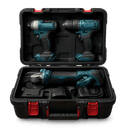
Tools & Equipment
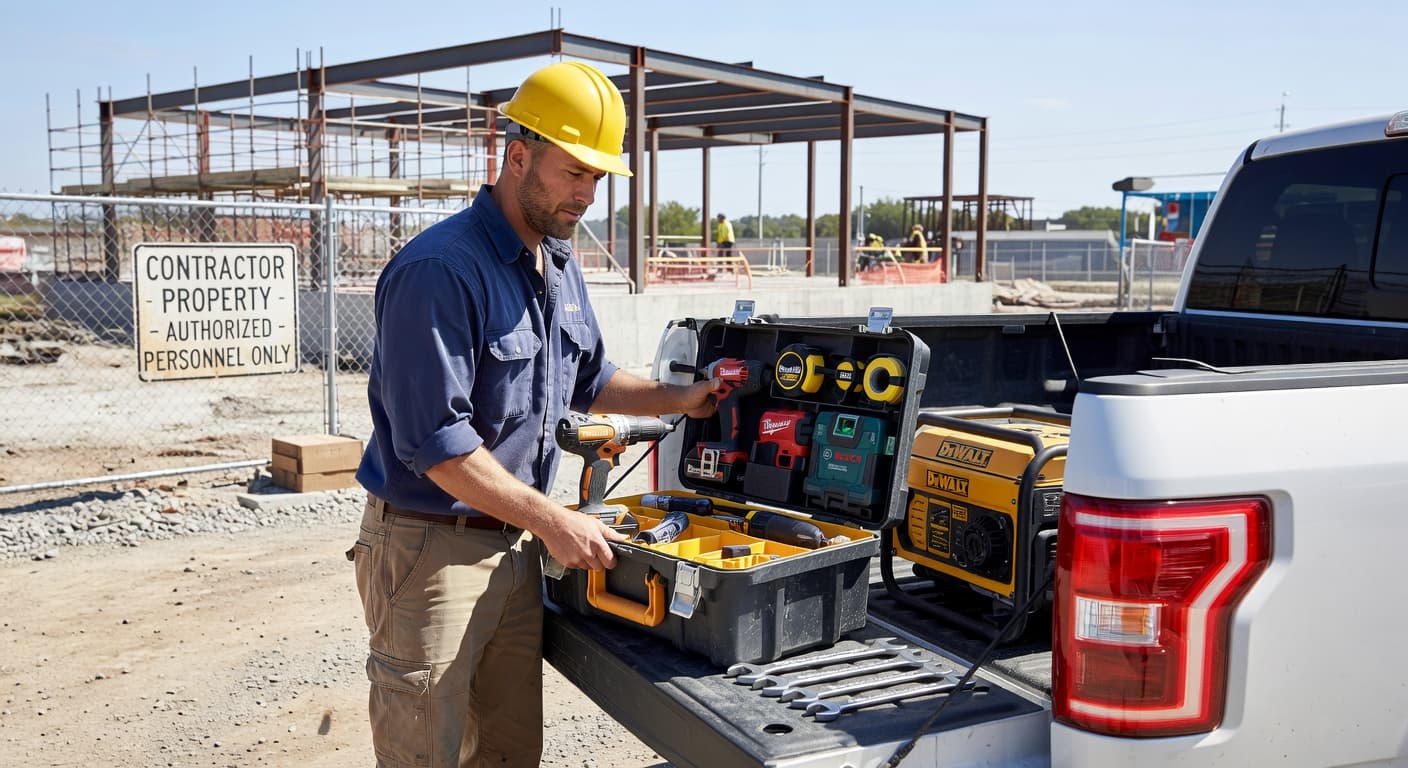
Can help repair or replace hand tools, power tools, and gear that are stolen or damaged on the job or in transit.
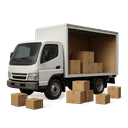
Goods in Transit
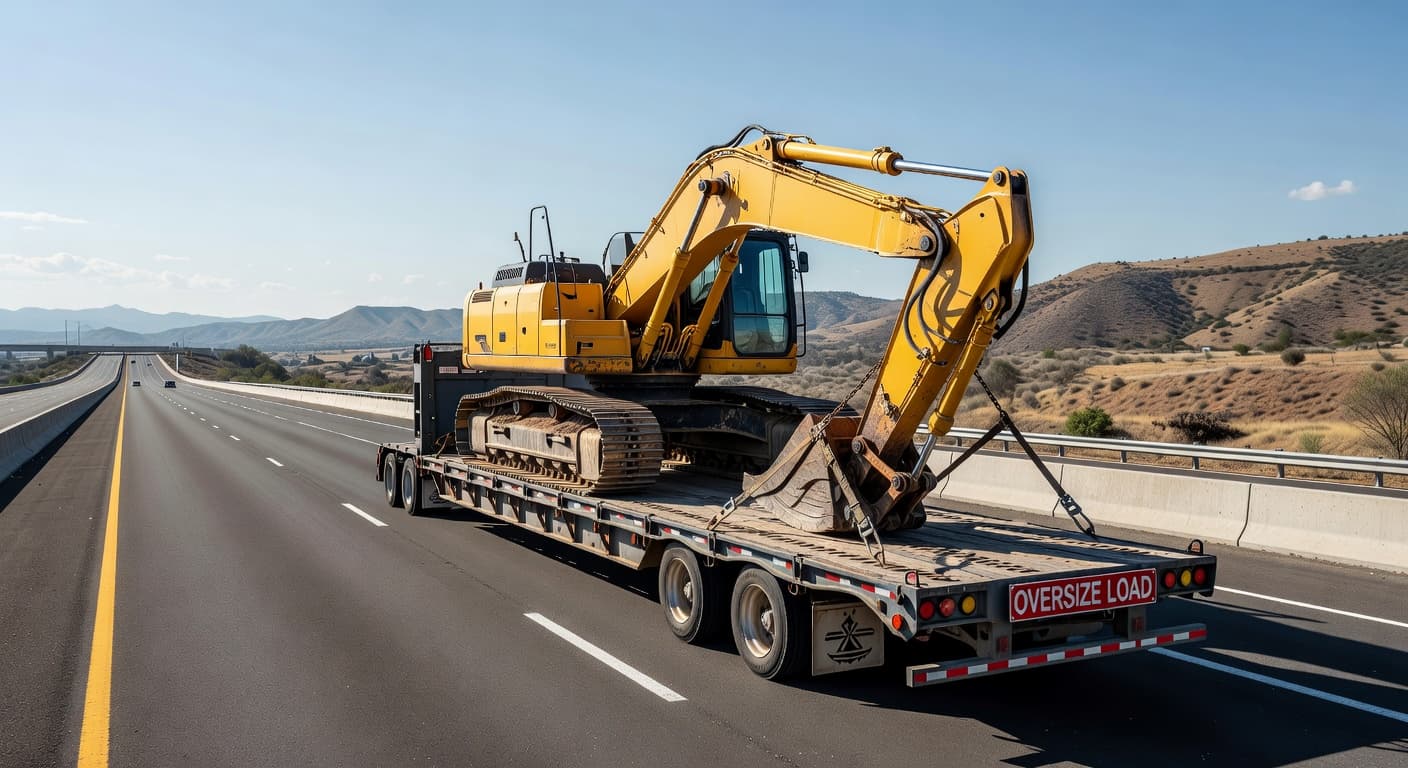
May cover products, materials, and merchandise while they are being shipped or hauled between locations in your care.
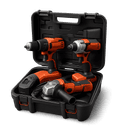
Contractors Equipment
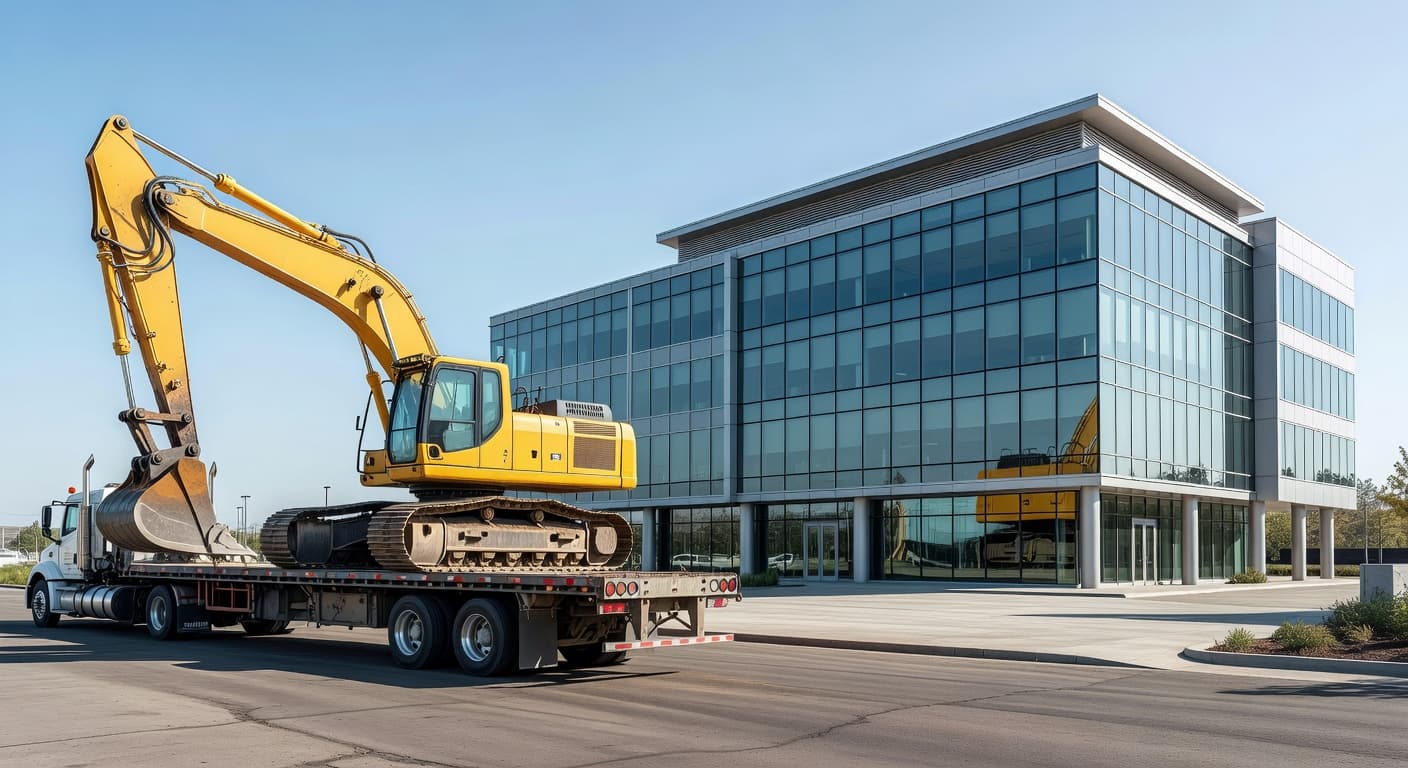
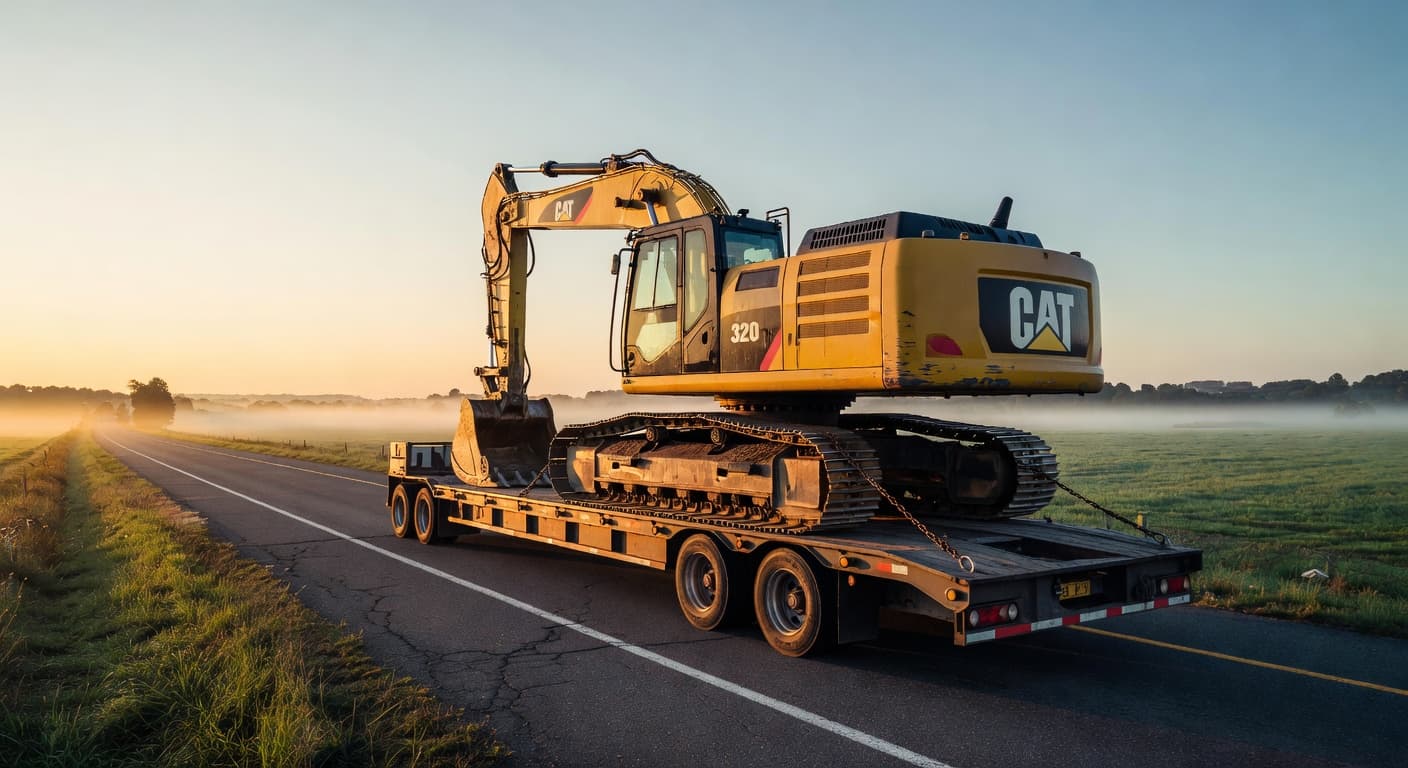
Typically covers heavy machinery like excavators, loaders, and generators against theft or damage at job sites and between them.
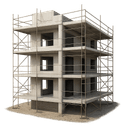
Installation Floater
Can help cover materials and fixtures from the moment you buy them until they are installed and accepted at a project.
Builders Risk
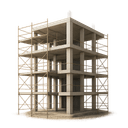
May cover a structure under construction, along with materials on site, against damage from fire, wind, theft, and vandalism.
Inland Marine Insurance Requirements in Tennessee
- Industry variation means a one-size-fits-all form rarely fits contractors, installers, and shippers equally, so your agent should tailor the policy to your specific trade.
- If your business uses temporary storage or multiple job sites, confirm the policy language for offsite property and transit before purchase, since vague terms can lead to denied claims.
How Much Does Inland Marine Insurance Cost in Tennessee?
Average Cost in Tennessee
$25 - $100
per month
Businesses in Tennessee typically see inland marine insurance premiums of $25 - $100 per month, which tends to run 4% above the national range of $20 - $100 per month.
- Total insured value of the scheduled property
- Type and age of the equipment
- Where it is stored and how far it travels
- Jobsite security and theft prevention
- Per-item limits and deductibles
- Prior theft and in-transit losses
Contact CPK Insurance for a personalized quote.
The average premium range is $25 to $100 per month, while broader small-business averages run $20 to $100 per month, so actual pricing varies by carrier, limits, deductibles, and the specific property being insured. That does not remove the impact of local risk. Tornado exposure, high flooding risk, severe storm history, and a property crime rate of 2,840 incidents per 100,000 residents can all influence how carriers view mobile property losses, especially for tools and equipment that sits on job sites or in temporary storage. That crime rate is above the national median, meaning carriers may apply surcharges or require secure-storage warranties for gear left at unattended sites.
Pricing also depends on claims history, location, industry or risk profile, and policy endorsements. Those factors matter in a state with 168,200 businesses competing for carrier capacity, because carriers may price differently for a contractor in Memphis than for a service business operating across Middle Tennessee. If you want a more accurate number, ask for limits, deductibles, and schedule details that reflect your actual equipment list and routes.
How Tennessee compares with the national baseline
Property crime per 100,000 residents
2,840 vs 2,200 baseline
Property crime in Tennessee runs above the national average, at 2,840 vs 2,200 incidents per 100,000 residents.
Blue bar: Tennessee. Gray line: national baseline.
Prices shown are general estimates, not guaranteed rates or quotes. Your actual premium will depend on the insurer, coverage selected, business details, location, claims history, and other underwriting factors. Learn about our pricing methodology.
Request a Quote Comparison
Enter your ZIP code to compare inland marine insurance rates from top carriers.
Business insurance starting at $25/mo
Who Needs Inland Marine Insurance?
Tennessee businesses that move valuable property between jobs, customer locations, storage yards, and temporary sites are the clearest fit. Contractors are a major example because their tools, portable machinery, and materials travel to job sites across the state. Businesses that install equipment at customer locations may also need installation floater coverage, especially when materials are in transit or waiting to be installed. Builders working on projects where materials are staged before completion may want builders risk coverage when the exposure is tied to an active construction site rather than a fixed storefront.
Tennessee's economy makes this especially practical because major sectors like transportation, manufacturing, retail, and healthcare all involve mobile business property in some form. Many owners depend on portable equipment, shared trailers, or offsite storage instead of large fixed facilities. If your business ships goods, carries customer property, or stores materials in temporary storage, goods in transit coverage may also be part of the conversation.
Inland Marine Insurance by City in Tennessee
Inland Marine Insurance rates and coverage options can vary across Tennessee. Select your city below for localized information:
How to Buy Inland Marine Insurance
To buy inland marine insurance in Tennessee, start by documenting exactly what moves, where it moves, and how it is stored, because carriers will price and structure the policy around those details. Tennessee is regulated by the Tennessee Department of Commerce and Insurance, so your quote process should be handled through a licensed carrier or through CPK Insurance, which helps you compare options and may connect you with participating licensed insurance providers familiar with commercial lines in the state. Because Tennessee has a competitive market with multiple top carriers, you should compare quotes from several carriers rather than assuming one market quote reflects the full range. A strong application usually includes your equipment schedule, estimated values, and storage locations. You should also detail your job-site patterns, transit routes, claims history, and any endorsements you want added.
If your business also needs builders risk or installation floater coverage, ask whether those exposures should be written separately or scheduled under a broader inland marine structure. The best quote is the one that matches your operations, not just the lowest premium. If you work across counties or keep property in temporary storage, tell the agent where that property sits during nights, weekends, and project delays. For a clean comparison, ask each carrier to quote the same limits, the same deductible, and the same list of covered items so you can see real differences.
How to Save on Inland Marine Insurance
The most practical way to manage inland marine insurance cost in Tennessee is to reduce uncertainty for the carrier. Keep an updated inventory of tools, equipment, and materials, because scheduled property is easier to rate than vague blanket values. Choose deductibles carefully, since coverage limits and deductibles are one of the main pricing drivers, and a higher deductible may lower the monthly premium if your business can absorb smaller losses. Tennessee's competitive market means you should request multiple quotes and compare not only premium but also endorsements, exclusions, and how each carrier treats job-site storage or transit.
If you already buy other business policies, ask about bundling, because multi-policy discounts can sometimes reduce cost when inland marine is paired with general liability, commercial property, or workers compensation. Keep claims history clean where possible, since prior losses can affect pricing, and make sure your storage practices reflect Tennessee's severe storm and tornado exposure, especially if equipment is left outside or in temporary storage. For contractors equipment insurance, it can also help to separate high-value items from lower-value hand tools so you are not overinsuring everything at the same limit. If your operation is seasonal or project-based, ask whether limits can be adjusted as your job volume changes. The right insurer for a Nashville contractor may not be the same fit as one writing a Memphis-based installer or a Knoxville service crew.
Our Recommendation for Tennessee
For Tennessee buyers, the best first step is to map your property flow before you price the policy, meaning where the tools start, where they stop, and where they sit overnight. That matters in a state with severe storm, tornado, and flooding exposure, because a policy that looks adequate on paper may still leave a gap at a job site or in temporary storage. Ask for a quote that separates tools and equipment, goods in transit, installation floater, and builders risk exposures so you can see which parts of your operation need the most protection. If you operate in multiple Tennessee cities or across county lines, make sure the agent knows that, because location is a real pricing factor and can change how carriers view the risk. You should also compare at least three carriers, review the deductible against your cash flow, and confirm whether your policy is scheduled or blanket so there are no surprises after a loss.
FAQ
Frequently Asked Questions
It can help cover tools, equipment, materials, and goods that travel between job sites, customer locations, or temporary storage. This is useful for businesses that do not keep everything at one fixed address.
It is designed to follow covered property away from your primary location, so property at a Tennessee job site or temporary storage area may be included if the policy form and limits are written for that exposure.
Contractors, builders, and trades that move portable machinery, hand tools, or materials across Nashville, Memphis, and surrounding areas should review contractors equipment insurance as part of their inland marine setup.
Coverage limits, deductibles, claims history, location, and industry all play a role. Tennessee's tornado and flooding exposure adds another layer, since carriers may apply higher rates or special deductibles for weather-related losses in vulnerable counties.
The state is regulated by the Tennessee Department of Commerce and Insurance, and your agent should match the policy to your operation rather than using a generic form.
Gather an equipment list, values, storage locations, transit patterns, and claims history, then compare quotes from multiple carriers because different carriers may price the same risk differently.
Yes, if your business installs materials or equipment at customer sites, because installation floater coverage can help address property while it is in transit, waiting for installation, or otherwise away from a fixed location.
Inland marine insurance may cover business property that moves, travels, or is stored away from your main premises. That can include tools, equipment, materials, goods in transit, and certain property at job sites or temporary locations, depending on your policy terms.
Updated July 16, 2026