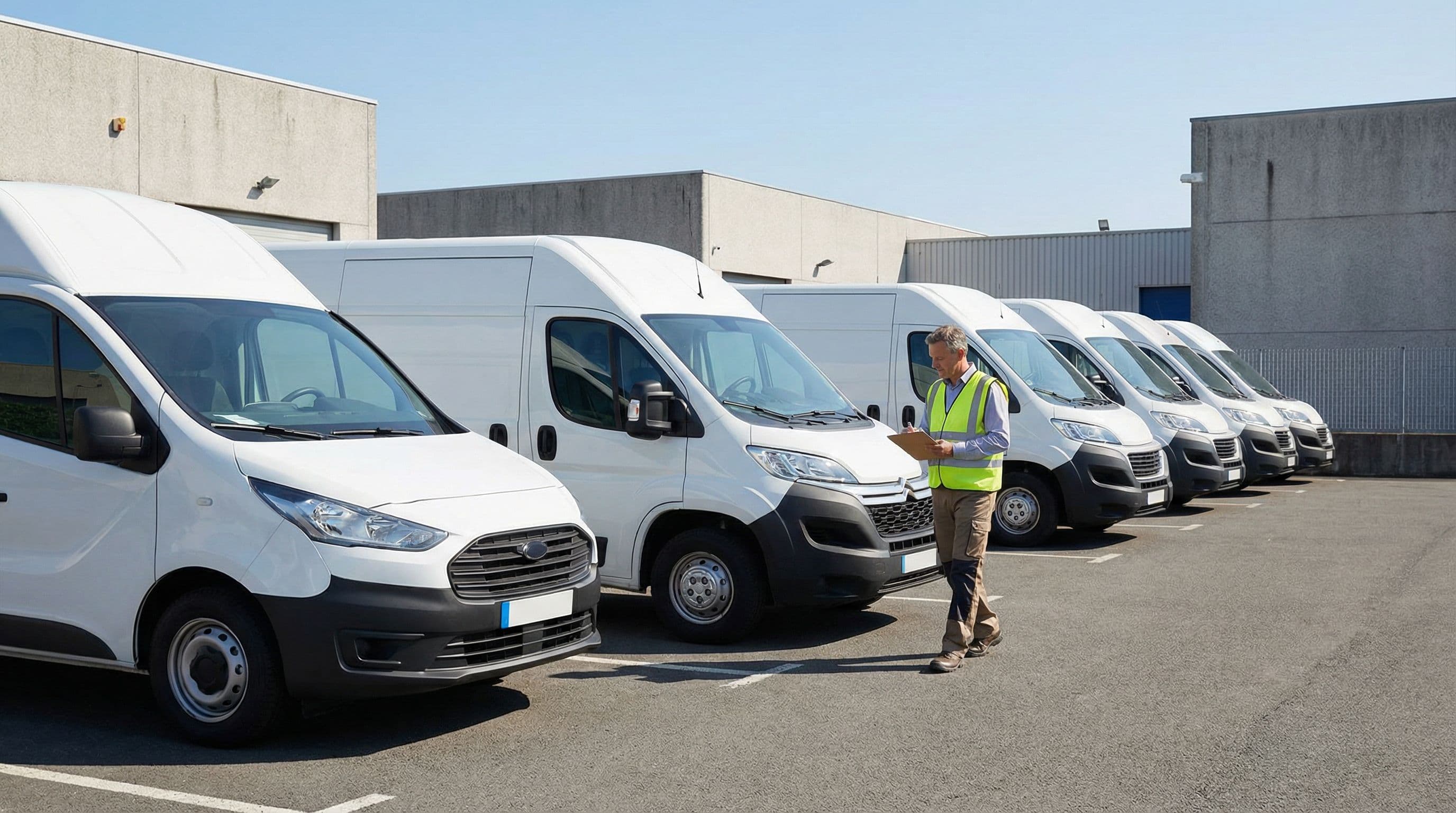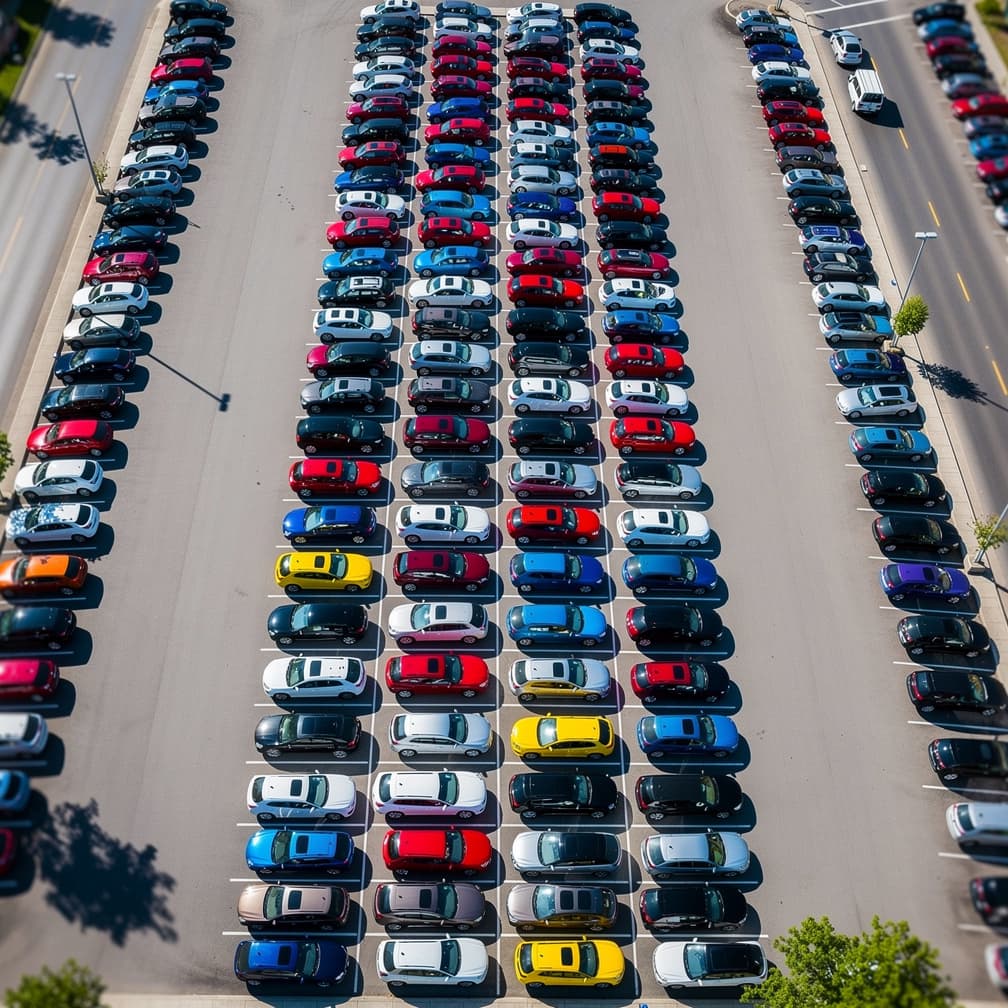
Updated July 16, 2026

Key Takeaways
- Compare quotes using the same peak inventory value, deductible, and valuation assumptions so you can see real coverage differences.
- Ask in writing how the policy handles hail, flood, theft, vandalism, and test drives before you bind coverage.
- Prepare a current inventory schedule, offsite storage list, and security summary before requesting dealer open lot insurance quotes.
- Review whether flood needs separate placement instead of assuming another policy form includes it automatically.
- Requote after security upgrades, lot layout changes, or improved claims history so pricing reflects your current risk.
Dealer Open Lot Insurance in Texas
Landlords, floorplan lenders, and some wholesale partners often want proof that your inventory exposure is insured before they finalize a lease, release funds, or approve storage arrangements. They are usually looking for clear evidence that your policy matches where vehicles are kept, how units move between locations, and who has custody during routine dealership operations. That is why a quote works best when it starts with your actual lot setup, not a generic application.
Texas weather and storage patterns can change the conversation quickly. If part of your inventory sits outdoors, part is staged at overflow storage, and part moves between auction, recon, and the front line, you need the quote to show that operating reality. Policy forms, complaint handling, and carrier oversight follow the state's regulatory framework. Before you request terms, gather your current inventory values, every storage address, your security controls, and any lender insurance requirements. That gives you a cleaner submission and fewer surprises when you review limits, deductibles, and location schedules.
What Dealer Open Lot Insurance Covers
In Texas, the most useful review is not just whether inventory is insured, but how the policy treats the way your dealership actually stores and moves vehicles. A single-location lot with perimeter fencing presents one underwriting picture. A dealer that rotates units between the main lot, a back storage yard, a recon vendor, and occasional auction pickups presents another. If those addresses, custody changes, or movement patterns are not described correctly, you can end up debating whether a loss happened at a scheduled location or during a covered handling step.
You may keep front-line inventory where customers shop, hold overflow units elsewhere, and move vehicles as merchandising changes. Your review should focus on whether each storage arrangement is disclosed, whether temporary offsite holding is addressed, and whether the policy language lines up with your normal transfer process. If a lender or landlord asks for proof of coverage, they usually want the named insured, covered locations, and effective dates to match the real operation.
You should also review how the policy handles practical dealership exposures tied to Texas conditions. Outdoor inventory can face sudden storms and hail, while keys, gate access, and after-hours lot controls affect theft and vandalism exposure. If you use third parties for transport, detailing, or reconditioning, ask how custody is treated before a claim forces the issue. A strong quote review is specific. Scheduled locations, peak inventory values, and offsite storage should all be checked before binding, along with test-drive procedures and any lender-required wording.

Weather Damage
Covers hail, wind, flood, and storm damage to lot inventory.
Theft Protection
Covers vehicles stolen from your lot.
Fire Damage
Covers fire and explosion damage to inventory vehicles.

Vandalism
Covers intentional damage to vehicles on your lot.
Test Drive Coverage
Covers vehicles during customer and employee test drives.
Transit Coverage
Covers vehicles being moved between lot locations.
Dealer Open Lot Insurance Requirements in Texas
- Texas does not impose a separate state-specific open lot requirement beyond the standard proof of insurance that lenders and landlords request.
- However, the Texas Department of Insurance regulates policy forms and complaint handling, which means carrier conduct and form language fall under state oversight.
- Dealers should confirm that any evidence of coverage provided to a floorplan lender or landlord meets Texas standards for certificate format and named insured wording.
How Much Does Dealer Open Lot Insurance Cost in Texas?
Pricing in Texas usually turns on exposure quality more than a simple vehicle count. Underwriters want to know the total value of inventory you hold for sale, but they also look at where that inventory sits, how often it moves, whether units are concentrated in one place, and how exposed the lot is to theft, vandalism, and weather. A dealer with a tightly controlled single site can present very differently from one using multiple storage addresses and frequent transfers.
Your deductible choice also changes the quote in a meaningful way. A higher deductible may reduce premium, but it also changes what a smaller weather or theft loss costs you out of pocket. That tradeoff matters if your inventory turns quickly and you carry a mix of lower-value and higher-value units. Limits matter just as much. If your peak inventory value rises during tax season, holiday promotions, or auction buying cycles, a stale limit can leave you underinsured at the exact moment your lot is fullest.
Texas-specific underwriting questions often center on operational detail. Are all locations scheduled correctly? Are overflow units stored behind the same security controls as the main lot? Do you document vehicle transfers between addresses? Is lighting, fencing, camera coverage, and key control consistent across every place inventory is kept? Those details affect how an underwriter views claim frequency and severity.
Before you compare quotes, build one clean submission with current inventory values, every storage address, your normal movement patterns, and any lender requirements. That lets you compare deductibles, location schedules, valuation assumptions, and exclusions on equal terms instead of chasing a lower number that leaves a gap. Dealer open lot insurance may cost less than you expect when the submission is organized, or more when the underwriter has to guess at exposures. Peak inventory value is the single number most likely to cause trouble if it is outdated.
Request a Quote Comparison
Enter your ZIP code to compare dealer open lot insurance rates from top carriers.
Business insurance starting at $25/mo
Who Needs Dealer Open Lot Insurance?
In Texas, this coverage becomes especially important for dealers whose inventory exposure is spread across more than the customer-facing lot. If you keep overflow units at a secondary yard, stage vehicles at another address after auction purchases, or hold inventory during reconditioning before it returns to the line, you should review whether every location and movement pattern is disclosed. The more your operation relies on multiple addresses or third-party handling, the more important accurate scheduling becomes.
That applies to independent used car dealers, franchise operations, powersports dealers, RV dealers, trailer dealers, and similar businesses that hold titled inventory for resale. It also applies to dealers with floorplan financing, because lenders often expect proof that financed inventory is insured in a way that matches the collateral they are funding. If your lender requires evidence of coverage before advancing funds or continuing a line, your policy review needs to line up with those conditions before a renewal date creates pressure.
Operators should pay close attention if they store inventory outdoors for long periods, rotate units between metro and rural locations, or rely on temporary overflow space during buying spikes. Those are not unusual dealership practices, but they do change the underwriting picture. A policy that fits one fenced lot may not fit a business that regularly shifts vehicles between addresses.
You should also review this coverage if your lease, lender agreement, or wholesale relationship requires certificates or other proof of insurance. In practice, the businesses that need the most careful review are the ones with changing inventory values, changing storage arrangements, and more than one party asking to see evidence that the exposure is insured correctly.
Dealer Open Lot Insurance by City in Texas
Dealer Open Lot Insurance rates and coverage options can vary across Texas. Select your city below for localized information:
How to Buy Dealer Open Lot Insurance
Buying this coverage in Texas goes more smoothly when you prepare the submission the way an underwriter reviews the risk. Start with a current inventory report showing the vehicles you own for sale and the values you want the quote based on. Then list every place inventory is stored, even if a location is used only for overflow or short-term holding. If vehicles move between auction, recon, storage, and the front lot, outline that process in plain language so the carrier can evaluate the exposure without guessing.
Next, gather the documents other parties may ask to see. That can include lease insurance requirements, floorplan lender requirements, and any contract language tied to offsite storage or third-party custody. If a landlord expects proof before occupancy or a lender expects evidence before funding, you want those requirements in front of the agent before the quote is built. That is often where avoidable delays start.
You should also document your controls. Note fencing, lighting, cameras, gate procedures, key storage, after-hours access rules, and how you track vehicle movement between locations. If one storage yard has weaker controls than the main lot, disclose it now and ask how it affects terms. Underwriters price what they can see and verify. Undisclosed conditions create friction, re-rating, and sometimes denied claims.
Finally, compare quotes by structure, not just premium. Review scheduled locations, deductibles, valuation basis, exclusions, and any conditions tied to offsite storage or transport. State oversight gives you a path for complaints and carrier conduct, but your best protection is still a careful pre-bind review of what the policy actually says. Request a quote through CPK Insurance to compare your options with participating licensed providers.
How to Save on Dealer Open Lot Insurance
The most dependable way to lower costs in Texas is to make your inventory exposure easier to understand and easier to control. Start with location discipline. If you use overflow storage, keep the address list current and avoid informal parking arrangements that are hard to explain to an underwriter after a loss. A clearly scheduled operation is usually easier to price than one with shifting, undocumented storage.
Security consistency also matters. If your main lot has lighting, cameras, fencing, and strict key control, but your secondary yard does not, the weaker location can drive the underwriting conversation. Standardize after-hours procedures, document who can move vehicles, and keep transfer logs when units go from auction to recon to storage to the sales line. Those records help both at quote time and during claims review.
You can also save by matching limits and deductibles to your real operating pattern instead of guessing. Review peak inventory values, not just average values. If your lot swells during certain buying periods, ask whether your limit still fits. Then test deductible options against what your business can comfortably absorb without disrupting cash flow. A low premium with a deductible your dealership cannot absorb after a moderate loss is not a savings.
Finally, clean up avoidable underwriting friction before renewal. Reconcile inventory reports, remove closed locations, confirm named insured details, and gather lender requirements early. A complete submission reduces back-and-forth and helps you compare terms faster.
Our Recommendation for Texas
For Texas dealers, the most important buying move is to treat location scheduling as a coverage issue, not an admin task. If inventory sits anywhere other than the front lot, ask for that address to be reviewed explicitly. That includes overflow yards, temporary storage, recon locations, and any place vehicles wait between purchase and sale. A claim is the worst time to discover that everyone assumed a location was covered.
Review your peak inventory values against your current limit before renewal and again before heavy buying periods. Dealers often focus on average inventory, but losses do not wait for average months. If your lot value rises quickly, your limit should be checked just as quickly.
Line up your insurance review with your lender and lease obligations. If a floorplan lender or landlord expects specific proof of coverage, provide those requirements before the quote is finalized. That helps avoid last-minute endorsements and rushed decisions.
Ask one practical question before binding. If a vehicle is damaged, stolen, or moved between your listed locations during normal operations, how does the policy respond under those facts? If the answer is vague, keep reviewing until it is clear enough to use.
FAQ
Frequently Asked Questions
Landlords, floorplan lenders, and some wholesale partners commonly ask for proof before they finalize a lease, release funds, or approve storage arrangements. Gathering those requirements early helps the quote and evidence of coverage match the real operation.
You should list every location where inventory is stored, even if a yard is used only for overflow or short-term holding. That gives the underwriter a clearer picture of the risk and helps you avoid disputes over whether a loss happened at a scheduled location.
Coverage for offsite inventory depends on your policy terms, scheduled locations, and how the vehicles are being stored or moved. If you use overflow yards, recon vendors, or temporary holding areas, ask for those facts to be reviewed before binding.
Floorplan lenders often want proof that financed inventory is insured in a way that matches the collateral they are funding. You should provide lender requirements early so the quote, named insured details, and any needed evidence of coverage line up.
Prepare a current inventory report, values for vehicles held for sale, every storage address, and a summary of security controls and vehicle movement. If a landlord or lender has insurance requirements, include those documents before the quote is built.
Underwriters usually look closely at fencing, lighting, cameras, gate procedures, and key control because those details affect theft and vandalism exposure. If one storage yard has weaker controls than the main lot, it can change both pricing and terms.
Dealers may be able to insure multiple locations under one policy structure, but the answer depends on the carrier's terms and how each address is scheduled. The important step is making sure every lot, yard, and overflow location is disclosed accurately.
Dealer open lot insurance nationwide is generally reviewed for damage or loss to vehicles you own for sale, including hail, wind, theft, vandalism, fire, flood, and test drive exposure, depending on your policy terms, deductibles, valuation method, and any location or off-premises limitations.
Sources
- 1.Texas Department of Insurance(The Texas Department of Insurance is the state's insurance regulator.)
Updated July 16, 2026