Updated July 16, 2026

Key Takeaways
- Review your construction contract before requesting a quote, so the named insureds and insurance responsibility match the job documents.
- Prepare the project budget, timeline, address, and scope summary before applying, so the quote reflects the work actually being built.
- Check whether the policy addresses on-site materials, transit, temporary structures, and soft costs before the first delivery arrives.
- Compare the policy term against your realistic completion schedule, then ask about extension options before the original term gets close to expiring.
- Map builders risk against your liability, installation, and equipment policies, so you avoid both coverage gaps and overlapping property insurance.
Builders Risk Insurance in Vermont
Weather exposure is often the first thing that moves a builders risk quote in Vermont, because jobs here can sit through heavy snow, freeze and thaw cycles, spring runoff, and wind before the building is dried in. The strongest submissions bring a clear construction schedule, a realistic completed value, and a site protection plan to the quote request. A carrier will want to know when materials arrive, how long they stay on site, whether the project pauses during winter, and who secures the job after hours. Those details affect how the policy is structured, which causes of loss deserve closer review, and whether temporary exposures need to be scheduled. You also want to confirm early who must be named on the policy, because Vermont projects often involve owners, lenders, general contractors, and key subcontractors with different contract obligations. If your build includes a mountain location, a rural road, or a renovation that leaves part of the structure exposed, ask for those conditions to be reflected in the submission before you compare terms.
What Builders Risk Insurance Covers
A project that starts in late fall can face a very different loss pattern than one framed and enclosed in summer, so you should ask how the form treats damage that follows snow load, ice, wind-driven water, or a partial collapse during construction. If your job includes a renovation, review how the policy draws the line between new work, existing structure, and materials waiting to be installed. That distinction matters on older homes, barns, mixed-use buildings, and phased commercial rehabs where only part of the property is under active construction.
Pay close attention to materials stored in detached areas, items in transit on rural routes, temporary works, scaffolding, and equipment that supports the build. These may not fall neatly into the main structure limit. If the site is hard to access in winter or mud season, ask whether delayed replacement of damaged materials could create a larger downstream loss and whether soft cost options are worth reviewing. Soft costs are the indirect expenses that pile up when a project is delayed, things like extended loan interest, additional architectural fees, or extra rent for temporary space. The same applies if your lender expects the project to stay on a tight draw schedule.
For your quote, the useful step is to mark exactly what property is on site, off site, and in transit. Then compare exclusions and sublimits line by line instead of assuming every form handles Vermont weather the same way.

Structure Coverage
Covers the building or structure under construction.
Materials on Site
Covers building materials stored at the construction site.

Materials in Transit
Covers materials being transported to the job site.
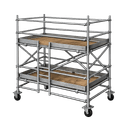
Temporary Structures
Covers scaffolding, fencing, and temporary buildings.

Soft Costs
Covers additional expenses from construction delays due to covered losses.
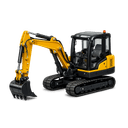
Equipment Coverage
Covers permanently installed fixtures and equipment.
Builders Risk Insurance Requirements in Vermont
- Vermont weather and geography shape builders risk underwriting in ways that show up at claim time as much as at quote time.
- Projects that span freeze and thaw periods should review water intrusion, collapse wording, and site shutdown procedures before the structure is enclosed, because those are the conditions where a small leak can become a major structural issue.
- Rural job sites bring longer delivery routes and slower replacement timelines, so stored materials and transit treatment deserve a line-by-line review rather than a general assumption that everything on or near the site is protected.
- Mountain and exposed locations may change how wind, snow, and access-related loss scenarios are evaluated during underwriting, often leading to higher deductibles or specific exclusions that a valley site would not trigger.
- Renovations to older properties often require careful separation of covered new work from property that remains part of the existing structure, since a form that blends the two can leave gaps when only part of the building is damaged.
How Much Does Builders Risk Insurance Cost in Vermont?
Builders risk pricing in Vermont usually moves with how clean and manageable the risk looks to an underwriter more than with a simple statewide average. Start with the completed value, project duration, construction type, and renovation versus new build status. Then add the details that matter in this state: elevation, winter work plans, site access, distance to responding fire services, security after hours, and whether materials will sit outside before installation. A project that stays enclosed quickly and keeps deliveries timed close to installation often looks like a tighter, more predictable risk to an underwriter than one with long open phases and stored materials.
You should expect the quote to change if the schedule slips into harsher weather, if the scope expands, or if the contract value rises after the initial submission. That is especially important on Vermont projects where a short delay can push roofing, siding, or interior dry-in work into a very different season. If your build is in a rural area, explain how the site is monitored, how snow is managed, and how emergency access is maintained. Those operational details can matter as much as the address itself.
Because this product is usually written for a specific project term, the lowest-priced option is not always the most usable one. A lower premium can come with narrower causes of loss, tighter theft conditions, or weaker treatment of temporary structures and stored materials. The better buying move is to request side-by-side terms for the same project facts. Then ask what changes if the job runs longer, pauses for winter, or adds owner-supplied materials after binding.
Request a Quote Comparison
Enter your ZIP code to compare builders risk insurance rates from top carriers.
Business insurance starting at $25/mo
Who Needs Builders Risk Insurance?
In Vermont, the buyers who most often need to review builders risk are the parties whose money is tied up in a project that can be set back by weather, theft, fire, or a partially completed structure taking damage before handoff. That often includes property owners, developers, general contractors, and lenders. The party responsible for placing the policy is usually whoever would lose money if work in place is damaged. On a custom home, the owner may carry that responsibility. On a commercial addition, the general contractor or project owner may be required to place the policy for everyone with an insurable interest.
This becomes more important on Vermont jobs with renovation exposure. If you are opening a roof, rebuilding after interior water damage, converting a seasonal property, or updating an older structure while part of it remains occupied, the financial stake can be spread across several parties. You should identify who is paying for materials before installation, who owns them once delivered, and who is responsible if a covered event delays the project and disrupts financing or occupancy plans.
Lenders also tend to care about how the policy is written, not just whether one exists. If draws depend on proof of coverage, named insured status, mortgagee language, or a term that matches the construction schedule, those items should be settled before work starts. If a covered loss during construction may lead to a costly dispute over who pays to rebuild, replace materials, or restart the job, you have not finished reviewing your policy.
Builders Risk Insurance by City in Vermont
Builders Risk Insurance rates and coverage options can vary across Vermont. Select your city below for localized information:
How to Buy Builders Risk Insurance
In Vermont, buying builders risk correctly starts with gathering the project documents that explain responsibility and timing. You then translate them into a submission that an underwriter can actually evaluate. Begin with the construction contract, lender requirements, project budget, and schedule. Then add the Vermont-specific operating details that often decide whether the quote is usable: when the site will be enclosed, whether work continues through winter, how materials are stored, whether the location is vacant after hours, and how the property is secured if weather interrupts the job.
Next, map the parties that may need to appear on the policy. That can include the owner, general contractor, lender, and others with a defined financial interest. If the project is a renovation, be explicit about what is existing structure and what is new work. If owner-furnished materials are involved, list them early. If there are detached storage areas, temporary structures, or long delivery routes, include those facts up front rather than trying to add them after terms come back.
Before you bind, compare forms on the points that matter most for Vermont jobs. Look at causes of loss, theft conditions, water-related exclusions, collapse language, transit treatment, and how extensions or policy term changes are handled if the schedule slips. Ask what documentation the carrier will need if the completed value changes mid-project. Then confirm certificates, lender evidence, and any required named insured or loss payee wording before the first draw or delivery. That sequence usually prevents the expensive mistake of buying a policy that satisfies a checkbox but not the actual project risk. Request a quote through CPK Insurance to compare your options with participating licensed providers.
How to Save on Builders Risk Insurance
In Vermont, the most effective way to lower builders risk cost is to reduce avoidable uncertainty before the underwriter has to price it. If you can show a realistic schedule that avoids leaving the structure open during the worst weather, that often puts the project in a stronger position than simply asking for a lower premium. The same is true if deliveries are timed close to installation instead of sitting exposed on site.
You can also save by tightening site controls. Document who locks and checks the property after hours, where materials are stored, how water is shut off when work stops, and how snow or ice is managed around partially completed structures. On rural Vermont sites, explain access routes, lighting, and how emergency responders can reach the property. Those details help an underwriter see a managed project rather than an unpredictable one.
Another common savings move is to avoid overstating or understating values. If the completed value is inflated, you may pay for limits you do not need. If it is understated, a claim can become harder to settle and a lender may reject the evidence of coverage. Review the budget for labor, materials, owner-supplied items, and change orders before requesting terms. Then compare deductibles, covered property definitions, and optional extensions together. A policy with a slightly higher deductible can make sense, but only if the tradeoff does not leave you exposed to the kinds of weather and storage losses your Vermont project is most likely to face.
Our Recommendation for Vermont
For Vermont projects, treat seasonality as a coverage issue, not just a scheduling issue. If your framing, roofing, or exterior envelope work could slide into snow or freeze conditions, ask the broker to model that in the initial quote instead of waiting for an extension request later. A policy that fits a summer schedule may look different once the job carries through winter.
On renovations, separate existing structure questions from new work questions before you compare forms. That is where buyers often assume they have broader protection than the policy actually provides. If the building is older, partially occupied, or being improved in phases, ask for a written explanation of what property is covered at each stage.
For rural Vermont sites, do not gloss over access and storage. Explain where materials are kept, how often the site is checked, and what happens if weather delays installation. Those facts can affect both pricing and claim handling.
Keep a copy of the final schedule of values, named insured wording, and lender requirements with the contract file. That makes it easier to catch mismatches before a storm, theft, or fire turns a paperwork issue into a project delay.
FAQ
Frequently Asked Questions
Renovation projects should separate new work from existing structure before you compare quotes. That matters on older homes and phased rehabs, where a loss may affect both the area under construction and parts of the building that remain in use.
Custom home projects are usually worth reviewing as soon as the contract assigns responsibility for insuring the work. If materials, labor, and lender draws are already committed, a covered loss during construction may lead to a costly dispute without clear project coverage.
Policies may treat transit and stored materials differently, so you should ask for those exposures to be addressed in the submission. That is especially important if your site is rural or deliveries arrive well before installation.
Projects often need the owner, general contractor, lender, and other parties with a financial interest reviewed against the contract. The right setup depends on who bears the risk of loss and what the lender requires before releasing funds.
An extension review is often needed if delays push exterior work into harsher weather. Ask about extension terms early, because the carrier may want updated values, schedule details, and confirmation of how the site will be protected.
Buyers should verify licensing and complaint resources through the state regulator before coverage is placed.
Rural sites can present different underwriting questions because access, storage, and emergency response may be less straightforward. You should explain site security, delivery timing, and weather-related access plans early so the quote reflects actual operating conditions.
Builders risk insurance may cover, subject to policy terms, the structure under construction, materials on site, materials in transit, temporary structures, and fixtures or equipment being installed. Depending on the policy, you can also review soft costs and delay-related coverage tied to a covered property loss.
Sources
- 1.Vermont Department of Financial Regulation(Finally, verify licensing and complaint resources through the Vermont Department of Financial Regulation before you bind.)
Updated July 16, 2026