Updated July 16, 2026

Key Takeaways
- Compare quotes using the same peak inventory value, deductible, and valuation assumptions so you can see real coverage differences.
- Ask in writing how the policy handles hail, flood, theft, vandalism, and test drives before you bind coverage.
- Prepare a current inventory schedule, offsite storage list, and security summary before requesting dealer open lot insurance quotes.
- Review whether flood needs separate placement instead of assuming another policy form includes it automatically.
- Requote after security upgrades, lot layout changes, or improved claims history so pricing reflects your current risk.
Dealer Open Lot Insurance in Vermont
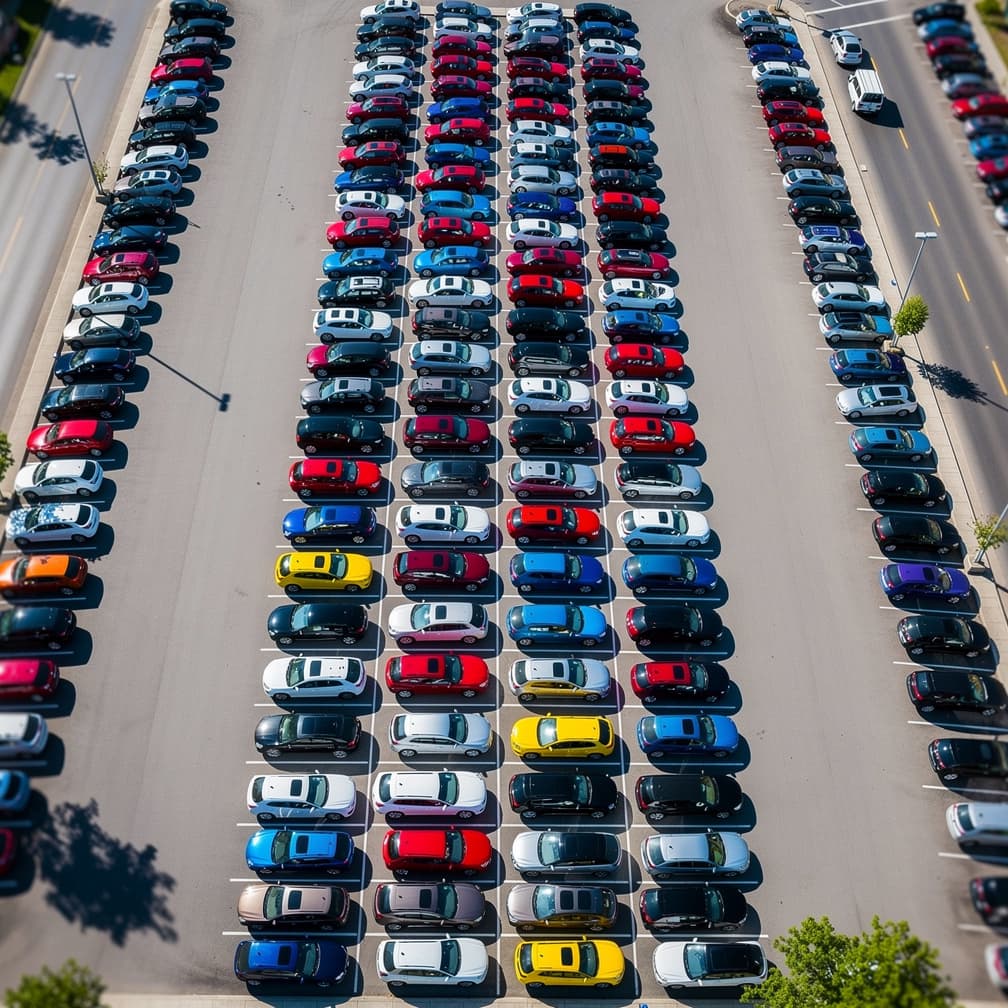
Landlords, floorplan lenders, and some auction partners often want proof that your inventory exposure is insured before they finalize a lease, extend financing, or release units to your dealership. In Vermont, that review usually gets practical fast. Where vehicles sit, how often you move them between locations, and what protections you have in place for weather and theft all affect what an underwriter wants to see. If you are shopping for dealer open lot insurance in Vermont, the goal is not a generic certificate. It is a policy review built around your actual inventory, storage setup, and daily handling.
That matters even more if you keep units on a main lot, overflow lot, repair area, or seasonal offsite storage. Because conditions shift fast across the state, a quote should match how exposed your vehicles are at each location, not just your business name and address. Before you request terms, gather your current inventory values, every storage address, your security details, and any lender insurance requirements so the quote comes back usable.
What Dealer Open Lot Insurance Covers
A small independent dealer with a single fenced lot presents one kind of exposure. A dealer that rotates units between a roadside lot, a recon area, and an overflow storage site presents another. That difference affects how you should review location schedules, reporting requirements, and any limits that apply by premises rather than across the whole operation.
You should also look closely at how the policy treats vehicles during ordinary dealership handling. That includes units being parked tightly for display, moved for snow clearing, repositioned for plowing access, or transferred between owned and leased storage areas. In Vermont, weather-driven movement can be part of normal operations. It is worth asking whether your policy language and declarations match the way your staff actually handles inventory during storms and cleanup.
If you store vehicles outdoors for long stretches, ask your agent to walk through claim scenarios tied to water, falling objects, theft, and vandalism. If you use temporary overflow space, confirm that address is scheduled correctly before a loss happens. If your inventory includes higher-value trucks, specialty vehicles, or seasonal units, review whether concentration at one location creates a limit problem.
Vermont is regulated by the Vermont Department of Financial Regulation, which means that agency oversees policy forms, endorsements, and consumer complaints. For you as a dealer, that matters because it determines what policy language is allowed in your state and where you would turn if a dispute over a claim or endorsement goes unresolved. As you compare options, ask for a plain-language explanation of what is covered at each lot and what documentation you would need after a loss.

Weather Damage
Covers hail, wind, flood, and storm damage to lot inventory.
Theft Protection
Covers vehicles stolen from your lot.
Fire Damage
Covers fire and explosion damage to inventory vehicles.

Vandalism
Covers intentional damage to vehicles on your lot.
Test Drive Coverage
Covers vehicles during customer and employee test drives.
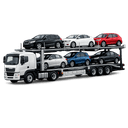
Transit Coverage
Covers vehicles being moved between lot locations.
Dealer Open Lot Insurance Requirements in Vermont
- Vermont dealers should pay attention to a few state-specific details that affect how coverage works in practice.
- If you move vehicles around the lot for snow clearing or plowing access, make sure your policy review matches that routine handling, since repositioning units is part of normal winter operations here.
- Overflow inventory at a separate address needs to be confirmed and scheduled before a storm or theft claim occurs, not after.
- If trees, runoff, or uneven site conditions affect where you park inventory, raise those details during underwriting so the insurer can price your real risk rather than discovering it after a loss.
- And if your inventory mix changes seasonally, review whether one location accumulates too much value for the limit carried there.
How Much Does Dealer Open Lot Insurance Cost in Vermont?
Dealer open lot insurance pricing in Vermont usually turns on exposure quality more than on a simple vehicle count. Underwriters want to know the total value of inventory on hand, but they also look at how that value is distributed. A lot with a modest number of higher-value units can present a very different loss profile than a larger lot filled with lower-value vehicles. If you use more than one location, the quote should reflect how much inventory sits at each address and whether values spike during certain seasons.
Security details matter because they change both loss frequency and claim defensibility. A carrier may price differently if your lot is fenced, lighted, camera-monitored, or checked after hours. The same goes for key control, transport procedures, and whether vehicles are left in areas visible from the road or stored in a more controlled section of the property. If you have prior losses, expect the underwriter to ask what changed afterward, not just what happened.
Vermont conditions also make storage practices part of the cost discussion. If vehicles are exposed to tree fall, runoff, or repeated snow management activity, that can affect how an insurer views the account. Offsite storage can raise pricing if it adds uncertainty around supervision or delays discovery of damage. Higher limits, lower deductibles, and broader endorsements can all increase premium, while tighter controls and cleaner documentation can help your submission look more favorable.
To get a quote you can actually compare, submit current inventory values, every storage address, your maximum value by location, and a short explanation of how vehicles move between sites. That gives you pricing tied to your real exposure instead of a rough placeholder.
Request a Quote Comparison
Enter your ZIP code to compare dealer open lot insurance rates from top carriers.
Business insurance starting at $25/mo
Who Needs Dealer Open Lot Insurance?
In Vermont, this coverage deserves attention from dealers whose inventory sits outside, moves between properties, or stays in temporary storage before sale. That includes used auto dealers, truck dealers, powersports sellers, trailer dealers, and mixed-inventory operations that carry titled units with different values and storage needs. The more your business relies on outdoor display or overflow parking, the more important it is to review how your inventory is insured at each location.
You may need a closer review if your operation changes shape during the year. Some dealers add units ahead of stronger selling periods, hold trade-ins longer than expected, or shift vehicles to secondary lots when space tightens. In Vermont, those operational changes can create coverage gaps if your policy assumes one address, one inventory pattern, or one stable maximum value. A lender may also require evidence that financed inventory is insured in a way that matches the collateral they are advancing against.
This also matters if you share space with another business, lease part of your lot, or use a service area that is separate from your sales frontage. Those setups can complicate who controls the premises, where vehicles are kept overnight, and how quickly damage is discovered after a storm or break-in. If you consign vehicles, store units for an affiliated business, or keep inventory at an owner's property, bring that up before binding coverage.
The practical test is simple. If you own vehicles for resale and they can be damaged before delivery to the buyer, you should have the lot exposure reviewed with your actual Vermont locations and handling practices in front of the underwriter.
Dealer Open Lot Insurance by City in Vermont
Dealer Open Lot Insurance rates and coverage options can vary across Vermont. Select your city below for localized information:
How to Buy Dealer Open Lot Insurance
To buy this coverage well in Vermont, start by building the submission the underwriter would ask for anyway. Prepare a current inventory list with values, VIN-level detail if available, and the highest total value you expect to hold at any one time. Then list every place inventory is stored, even if a location is used only during overflow periods or seasonal shifts. If one address is leased and another is owned, note that clearly because premises control can affect underwriting questions.
Next, document how vehicles are protected and managed. Include fencing, lighting, cameras, gate procedures, key storage, and who checks the lot after hours. If you move units between locations, explain how often that happens and who is responsible for updating records. In Vermont, that operational detail matters because weather and site conditions can force quick changes in where vehicles are parked or stored.
Before you compare quotes, ask each agent or broker the same practical questions. Are all storage locations scheduled correctly? Is there a limit issue if inventory concentrates at one site? How does the policy treat temporary overflow storage? What documentation would you need after a weather loss or theft claim? A quote is only useful if those answers are clear before binding.
You should also line up any third-party requirements early. Landlords may want to review certificates. Lenders may want specific evidence of coverage tied to financed inventory. If you wait until the last step, you can end up revising the policy after issuance. Request a quote through CPK Insurance with your locations, values, and contract requirements already organized.
How to Save on Dealer Open Lot Insurance
The strongest way to save on dealer open lot insurance in Vermont is to make your account easier to understand and easier to defend. Clear inventory reporting is the foundation. Keep a current list of units, values, and locations, and update it whenever vehicles move to overflow storage or a secondary lot. When an underwriter sees clear records, your submission is easier to price accurately, and if a claim happens, those same records can shorten disputes about what was on site.
Physical controls also improve how your risk is viewed. Review lighting, fencing, camera coverage, gate access, and key management. If you have blind spots on the lot or inconsistent after-hours checks, fix those before renewal shopping. A carrier may not reward every improvement the same way, but stronger controls can help support better terms and reduce avoidable losses that drive future pricing.
Concentration risk deserves the same attention. If too much value sits in one exposed area, consider whether you can spread inventory more deliberately across approved locations. That matters in Vermont where weather conditions can change quickly and one event can affect many units at once. Even if you keep the same total inventory, better distribution can make the account look more stable.
You can also save by choosing deductibles and limits deliberately instead of defaulting to the first option offered. A lower premium is not useful if the deductible strains cash flow after a loss, and a broad limit is not efficient if your peak inventory never approaches it. Ask for options that match your real maximum values, your storage pattern, and your tolerance for out-of-pocket cost, then compare the tradeoffs before renewing.
Our Recommendation for Vermont
For Vermont dealers, the most important buying move is to match the policy to the way inventory shifts across your properties during weather events and seasonal space pressure. Many coverage problems start when a dealer binds a policy for the main lot, then gradually uses overflow storage, a back parcel, or a service-area parking section without updating the schedule.
Ask for a location-by-location review, not a single blended description of your operation. You want to know the maximum value at each address, whether temporary storage is contemplated, and what proof you would need if multiple units are damaged in one event. That is especially important if your inventory mix changes during the year or if higher-value units tend to cluster in one area.
I would also review your lot procedures the same week you request quotes. Confirm who moves vehicles during storms, where keys are stored, how after-hours checks are documented, and who updates inventory records when units change locations. Those details help both underwriting and claims.
Finally, bring lender and landlord requirements into the quote process early. Proof of coverage is more useful when it already matches the contracts tied to your Vermont operation. That lets you compare policies on terms that matter instead of fixing avoidable issues after binding.
FAQ
Frequently Asked Questions
In Vermont, landlords, floorplan lenders, and some auction or storage partners may ask for proof before they finalize access, financing, or unit release. Have your locations, inventory values, and contract requirements ready so the certificate reflects the actual operation.
Vermont dealers should assume every regular storage address needs to be reviewed. If inventory sits on a main lot, overflow lot, or separate service-area parcel, ask whether each location is scheduled correctly before binding coverage.
Vermont conditions can change how often vehicles are moved, clustered, or stored offsite, which affects underwriting and claims preparation. Review where units sit during storms, snow clearing, and overflow periods so the policy matches actual handling.
Vermont buyers should prepare a current inventory list, values, all storage addresses, security details, and any lender or lease insurance requirements. That gives the underwriter enough detail to quote the real exposure instead of a rough estimate.
Vermont insurance oversight sits with the Vermont Department of Financial Regulation. If you are comparing policy forms, endorsements, or complaint options, keep that regulator in mind while you review terms and documentation.
Vermont dealers may use overflow storage, but whether it can help cover a loss depends on specific policy terms and how the location is disclosed. Ask before binding whether temporary or seasonal storage is contemplated, and get the answer tied to your listed addresses.
Vermont lenders care because financed inventory is collateral, and they want evidence that the vehicles are insured while held for sale. Bring lender requirements into the quote process early so the policy and certificate align with financing documents.
Dealer open lot insurance nationwide is generally reviewed for damage or loss to vehicles you own for sale, including hail, wind, theft, vandalism, fire, flood, and test drive exposure, depending on your policy terms, deductibles, valuation method, and any location or off-premises limitations.
Sources
- 1.Vermont Department of Financial Regulation(Vermont is regulated by the Vermont Department of Financial Regulation.)
Updated July 16, 2026