Updated July 16, 2026

Key Takeaways
- List every towing and transport service you perform before requesting quotes, so loading, unloading, winching, and recovery exposures are reviewed correctly.
- Compare the on-hook limit, deductible, valuation method, and exclusions side by side instead of choosing a policy on premium alone.
- Ask in writing whether your policy addresses the specific vehicles you tow most often, especially specialty, modified, low-clearance, or higher-value units.
- Use pre-tow photos, condition notes, and signed release procedures on every job to reduce disputes and support claims handling.
- Review on-hook coverage together with auto liability and any garagekeepers coverage before renewal to catch gaps between transport and storage.
On-Hook Towing Insurance in Washington
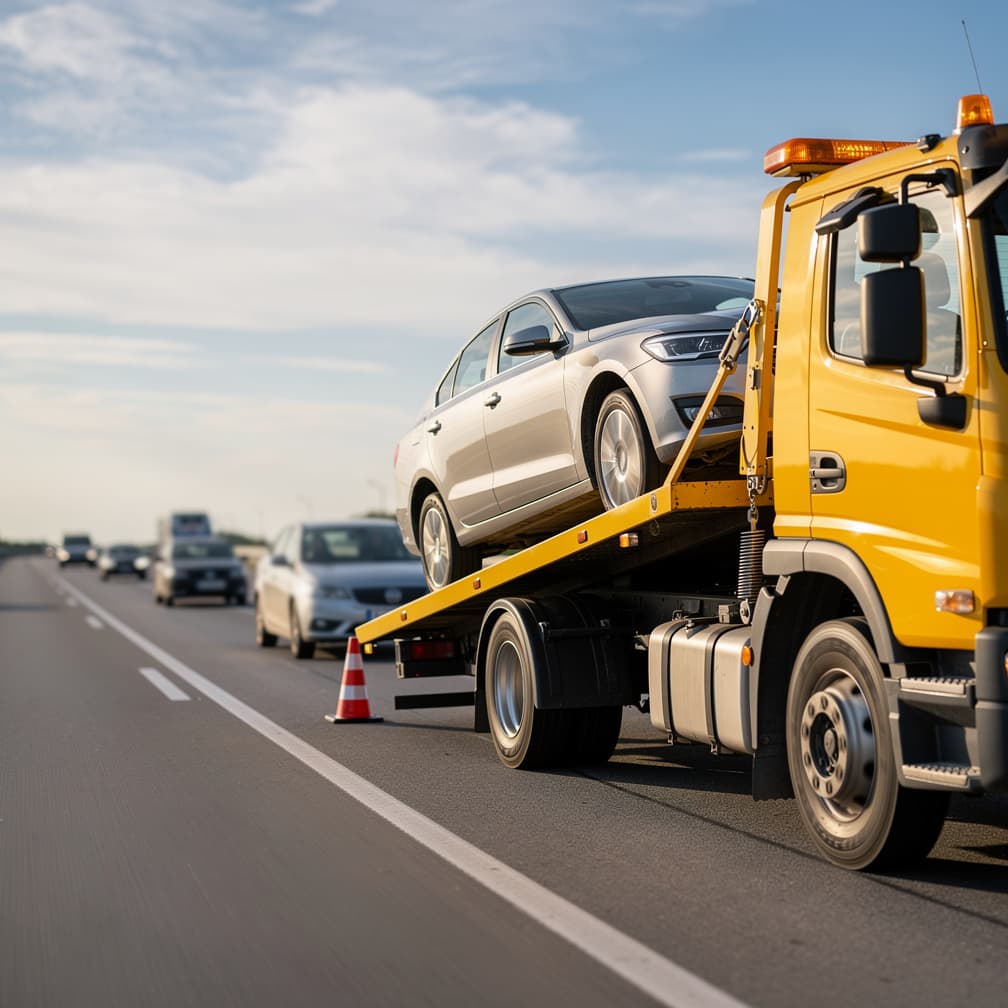
Most towers learn this gap the hard way. Your auto liability policy can respond to damage you cause to others on the road, but it does not automatically answer for a customer vehicle once it is hooked, winched, lifted, or carried. If you tow passenger cars one hour and heavier pickups or vans the next, your limits, vehicle schedule, and service mix need to be reviewed together, not pieced together after a loss. Washington is regulated by the Office of the Insurance Commissioner, so you should expect policy forms, exclusions, and complaint handling to sit inside a defined state framework. Before you buy, line up exactly how your drivers secure vehicles, where you store them between dispatch and drop-off, and whether your work leans toward roadside calls, police rotation, impounds, dealer moves, or recovery. That is usually where the real coverage gap shows up.
What On-Hook Towing Insurance Covers
In Washington, the practical review starts with the handoff points where claims are argued. A buyer usually needs to look closely at how the policy treats a vehicle during hookup, while it is secured for transport, and during release at the destination, because those are the moments when damage allegations often become specific. A scraped bumper after a steep driveway pull, suspension damage alleged after a wheel-lift tow, or body damage claimed after a tight recovery in rain all need to be evaluated against the policy language and your actual procedures.
State conditions make that review more operational than theoretical. If your routes move between dense city streets, suburban apartment complexes, rural shoulders, and mountain corridors, ask how the policy is written for the kinds of tows you actually perform. A flatbed operation handling dealer transfers may need a different conversation than a mixed fleet that also takes after-hours roadside calls, private impounds, and recovery work. The same applies if you tow low-clearance vehicles, electric vehicles, motorcycles, work vans, or lifted trucks. Each changes loading angle, securement method, and claim severity.
You should also review what is not intended to sit inside on-hook protection. If your operation stores vehicles after pickup, handles personal property disputes, or performs garage-related work around the yard, those exposures may need to be addressed elsewhere in the account. The cleanest buying approach is to match each service line to the policy section that is supposed to respond, then ask your agent to show where a towing claim would likely land before you commit to a policy.
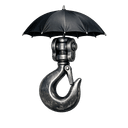
Collision on Hook
Covers damage to towed vehicles from collisions during transport.
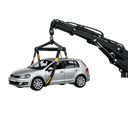
Comprehensive on Hook
Covers theft, fire, and weather damage to vehicles being towed.
Loading & Unloading
Covers damage during the process of loading and unloading vehicles.
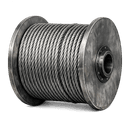
Winching Coverage
Covers damage to vehicles during winching and recovery operations.
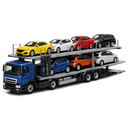
Multiple Vehicle
Covers all vehicles on multi-car carriers and rollback flatbeds.
On-Hook Towing Insurance Requirements in Washington
- Towing operations that move between dense city pickups, rural shoulders, and mountain routes should match coverage review to those different loading and recovery conditions.
- Wet pavement, steep grades, and tight access points can turn a routine hookup into a disputed damage claim, so securement and photo procedures need to be consistent.
- If your trucks alternate between scheduled transport and after-hours roadside or impound work, the policy should be reviewed for that mixed service pattern.
- Operators towing electric vehicles, low-clearance cars, motorcycles, or work vans should explain those vehicle types during underwriting instead of relying on a generic towing description.
How Much Does On-Hook Towing Insurance Cost in Washington?
The price of on-hook towing coverage in Washington is usually built from exposure details, not a shortcut rate. Underwriters want to know what kinds of vehicles you tow, whether you use flatbeds, wheel-lifts, or both, how often you handle recovery work, and whether your dispatch pattern is mostly scheduled transport or unpredictable roadside service. A truck assigned to dealer moves during business hours presents a different loss picture than a unit rotating through night calls, apartment impounds, accident scenes, and weather-related recoveries.
Your operating territory also matters. If your drivers work in downtown traffic, narrow alleys, ferry staging areas, steep residential streets, or long highway stretches through rain and low visibility, the chance of a loading, unloading, or securement dispute can change. The same is true if you regularly move heavier pickups, commercial vans, or vehicles with existing damage. Underwriters often look for a clear explanation of how your team documents pre-tow condition, chooses attachment points, and records drop-off condition, because carriers report that towers with consistent photo and documentation practices can see meaningfully better premium outcomes than those without them. In plain terms, if your records make it hard for a customer to blame you for damage that was already there, underwriters may price your policy more favorably.
Limits and deductibles shape the quote as well. Higher limits can make sense if you routinely tow newer vehicles or mixed fleets, but they also change premium. A lower deductible can reduce out-of-pocket cost after a loss, yet it usually raises the monthly spend. The most useful way to shop is to request options side by side, then compare how each quote handles service type, vehicle values, territory, driver experience, and claims history. That gives you a quote built around your operation instead of a generic towing template.
Request a Quote Comparison
Enter your ZIP code to compare on-hook towing insurance rates from top carriers.
Business insurance starting at $25/mo
Who Needs On-Hook Towing Insurance?
In Washington, this coverage deserves attention from any operator whose work puts customer vehicles in tow under varied road and weather conditions. That includes traditional towing companies, but it also reaches businesses that split time between roadside assistance, transport, impounds, recovery, and contract work for property managers, repair shops, auctions, fleets, or public agencies. If your invoice says transport, relocation, recovery, or impound, the exposure can still look like on-hook risk once the vehicle is attached to your truck.
The need becomes more obvious when your operation is not uniform. A company that handles routine dealer transfers during the day may also take after-hours calls from apartment complexes or commercial lots. Another may focus on roadside assistance but occasionally winch vehicles from ditches, parking structures, or tight residential access roads. Those mixed operations create more room for disagreement about when damage happened, whether it was pre-existing, and whether the tow method fit the vehicle.
You should pay particular attention if you tow higher-value passenger vehicles, electric vehicles, motorcycles, work trucks, or modified vehicles. These jobs can involve special loading angles, battery concerns, low-clearance issues, or securement questions that make a claim more expensive to investigate and resolve. The same goes for operators using subcontracted drivers or rotating trucks across different service types. If a customer vehicle is in your care during the tow and your business could be blamed for damage, this coverage should be reviewed before the next dispatch, not after a claim letter arrives.
On-Hook Towing Insurance by City in Washington
On-Hook Towing Insurance rates and coverage options can vary across Washington. Select your city below for localized information:
How to Buy On-Hook Towing Insurance
Buying this coverage in Washington goes faster when you present your operation the way an underwriter evaluates it. Start with a current equipment and service schedule, including each truck, how it tows, what it usually hauls, and which jobs are routine versus occasional, then separate your work by exposure, such as roadside calls, accident recovery, private impounds, dealer or auction transport, repossessions, and long-distance moves. That helps the quote reflect the real mix instead of a broad towing label.
Gather the documents that explain how you control damage claims, including driver lists, loss runs if available, photos of your equipment, and your written process for pre-tow inspections, securement, and delivery confirmation. If you use mobile photos or dispatch software to time-stamp vehicle condition, mention it. If you require drivers to note prior damage before hookup or to photograph wheel, bumper, and undercarriage areas when practical, include that too. Those details can matter because they show how a disputed claim would be defended.
When reviewing quotes, ask your agent to walk through exclusions and claim scenarios in plain language. You want to know how the policy responds to a low-clearance scrape during loading, a wheel-lift damage allegation after a short tow, or a complaint that a vehicle shifted during transport. Also ask how the account should be structured if you store vehicles, use subcontractors, or combine towing with garage or roadside service exposures. Before committing, compare the quotes line by line and confirm the listed operations match your dispatch reality. That is the point where many expensive gaps are either fixed or missed. Request a quote through CPK Insurance to compare your options with participating licensed providers.
How to Save on On-Hook Towing Insurance
In Washington, the most reliable way to lower the long-term cost of this coverage is to make every tow easier to underwrite and easier to defend. Start with photo discipline. Require consistent pre-tow and post-drop images, taken from the same angles whenever conditions allow, and tie them to the dispatch record. A carrier may view that process favorably because it reduces uncertainty around when damage occurred and whether it was pre-existing.
Driver selection and assignment also matter. Put your most experienced operators on recovery work, low-clearance vehicles, and difficult urban pickups. If a driver is newer, limit that person to simpler assignments until securement, loading angle judgment, and documentation habits are consistent. Underwriters often respond better to a fleet that shows control over job assignment than one that treats every truck and driver as interchangeable.
You can also save by tightening the scope of what you ask the policy to insure. If one truck only handles scheduled dealer or fleet moves, say so. If another unit is the one taking night calls, impounds, and recovery jobs, separate that exposure clearly in the submission. Cleaner classification can produce a more accurate quote than a blended description that makes every truck look like it does the riskiest work all week.
Finally, review deductibles, limits, and claims handling habits together. A deductible that your business can realistically absorb may reduce premium, but only if it does not create cash-flow strain after a loss. The goal is not the lowest sticker price. It is a policy structure that fits your service mix, supports claim defense, and avoids paying for assumptions that do not match your operation.
Our Recommendation for Washington
For Washington towing operators, the smartest buying move is to test the policy against your hardest routine job, not your easiest one. Think about the call types that create the most disagreement, including wet-weather recoveries, steep driveway pulls, apartment garage extractions, low-clearance vehicles, and mixed-use trucks that switch from scheduled transport to roadside work. If the quote is only comfortable on simple tows, it may not fit your real dispatch pattern.
Ask for a coverage review built around three things: tow method, vehicle type, and handoff procedure. A wheel-lift unit handling short urban relocations should not be evaluated the same way as a flatbed moving dealer inventory or a truck doing recovery work outside normal business hours. The more precisely you describe those differences, the more useful the quote becomes.
You should also press for clarity on documentation expectations after a loss. Find out what photos, driver notes, dispatch records, and customer signatures will help support your position if damage is disputed. That conversation is worth having early because claim outcomes often turn on records created in the field. Before renewal, compare your current policy against any changes in territory, truck mix, subcontractor use, and the kinds of vehicles you now tow.
FAQ
Frequently Asked Questions
Washington buyers often need to review both because liability and on-hook exposures are not the same. The Office of the Insurance Commissioner oversees the state's insurance market, so policy wording and complaint processes sit within that regulatory framework.
Washington operators usually start with the types of vehicles they tow, the mix of flatbed versus wheel-lift work, and how often they handle higher-value or harder-to-load units. From there, weigh the highest-value vehicle you typically move against the worst-case damage you could cause during a tow, and set your limit high enough to cover that scenario.
Washington claims often focus on those transition points, so you should ask the agent to walk through loading, securement, transport, and release scenarios in plain language. Some policies may cover damage during loading and unloading, but exclusions and conditions vary, so you need to confirm exactly how your specific policy wording applies.
Washington submissions are often evaluated differently when recovery work is part of the operation because the job conditions, vehicle condition, and damage allegations can be more complex. Separate those services clearly when you request quotes so the underwriting picture is accurate.
Washington underwriters usually want a truck schedule, driver list, service breakdown, loss history if available, and a clear explanation of how you document vehicle condition before and after the tow. Better operational detail often leads to a more usable quote comparison.
Washington businesses sometimes can, but the deductible should still be realistic for your cash flow after a claim. It makes more sense to compare deductible options alongside limits, tow types, and claims handling practices than to chase a lower premium by itself.
Washington damage disputes often turn on whether a condition existed before hookup or appeared during the tow. Time-stamped photos, driver notes, and delivery confirmation can make the claim easier to defend and can also help underwriters understand your risk controls.
On-hook towing insurance may cover damage to a customer vehicle while it is being loaded, attached, carried, winched, or unloaded by your tow truck, depending on the policy terms. Buyers should review collision, fire, theft, weather, and loading-related damage carefully.
Sources
- 1.Washington Office of the Insurance Commissioner(Washington is regulated by the Washington Office of the Insurance Commissioner.)
Updated July 16, 2026