Updated July 16, 2026

Key Takeaways
- Compare quotes using the same peak inventory value, deductible, and valuation assumptions so you can see real coverage differences.
- Ask in writing how the policy handles hail, flood, theft, vandalism, and test drives before you bind coverage.
- Prepare a current inventory schedule, offsite storage list, and security summary before requesting dealer open lot insurance quotes.
- Review whether flood needs separate placement instead of assuming another policy form includes it automatically.
- Requote after security upgrades, lot layout changes, or improved claims history so pricing reflects your current risk.
Dealer Open Lot Insurance in Wisconsin
Landlords, floorplan lenders, and some auction partners in Wisconsin often ask to see current proof of coverage before they release space, financing, or inventory. They want evidence that your lot exposure matches how you actually store, move, and present vehicles for sale. A quote works best when it starts with your real inventory pattern rather than a generic dealership template. If units sit outside through severe weather, rotate between your main lot and overflow storage, or move to detail shops and auctions, those details affect what you should review before binding. Wisconsin buyers also need to think about how policy terms apply to seasonal weather swings, theft controls, and off premises handling, because a gap often shows up only after a loss when it is too late to fix. Before you request quotes, gather your current inventory values, storage addresses, security details, and any lender insurance requirements.
What Dealer Open Lot Insurance Covers
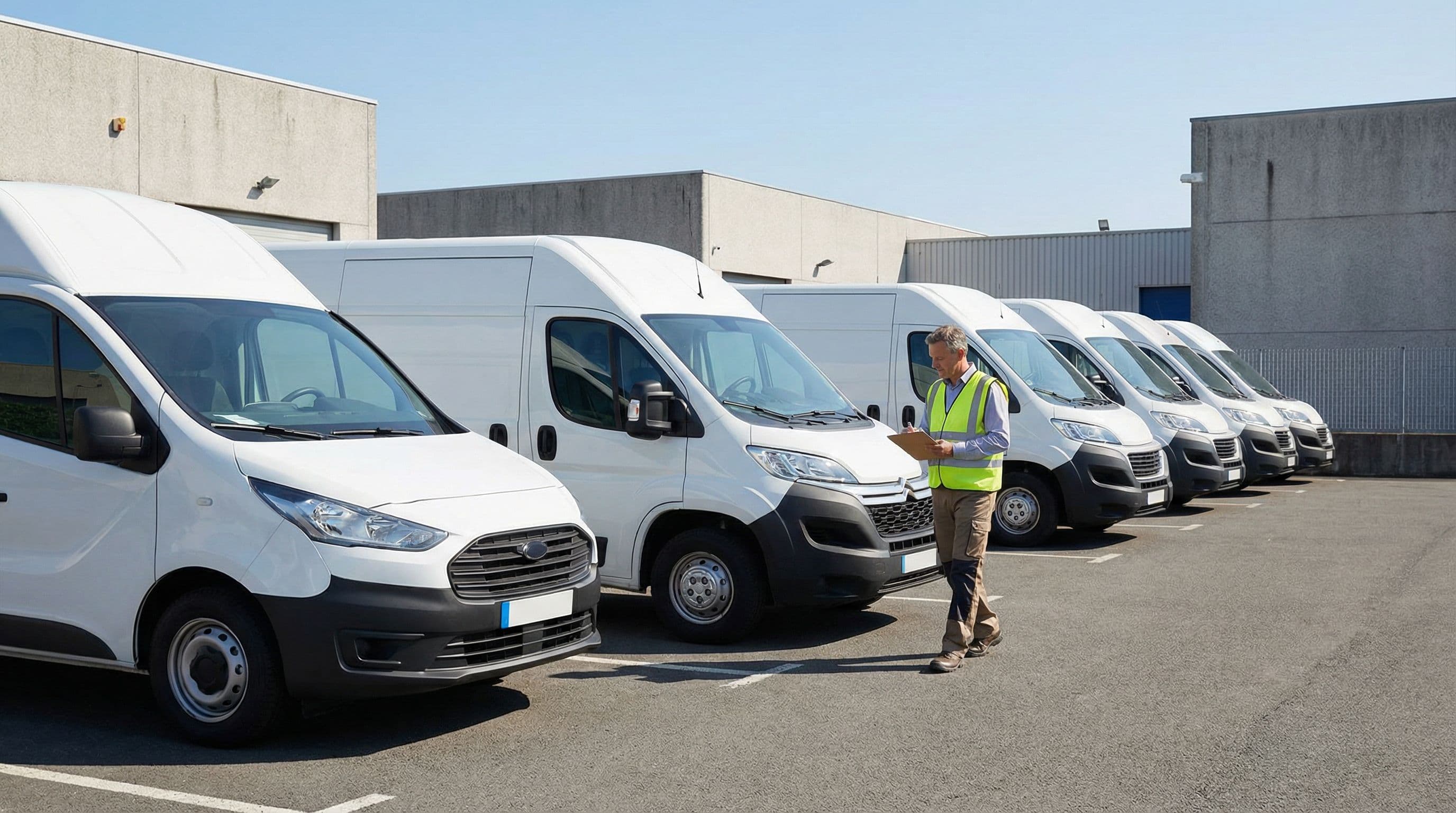
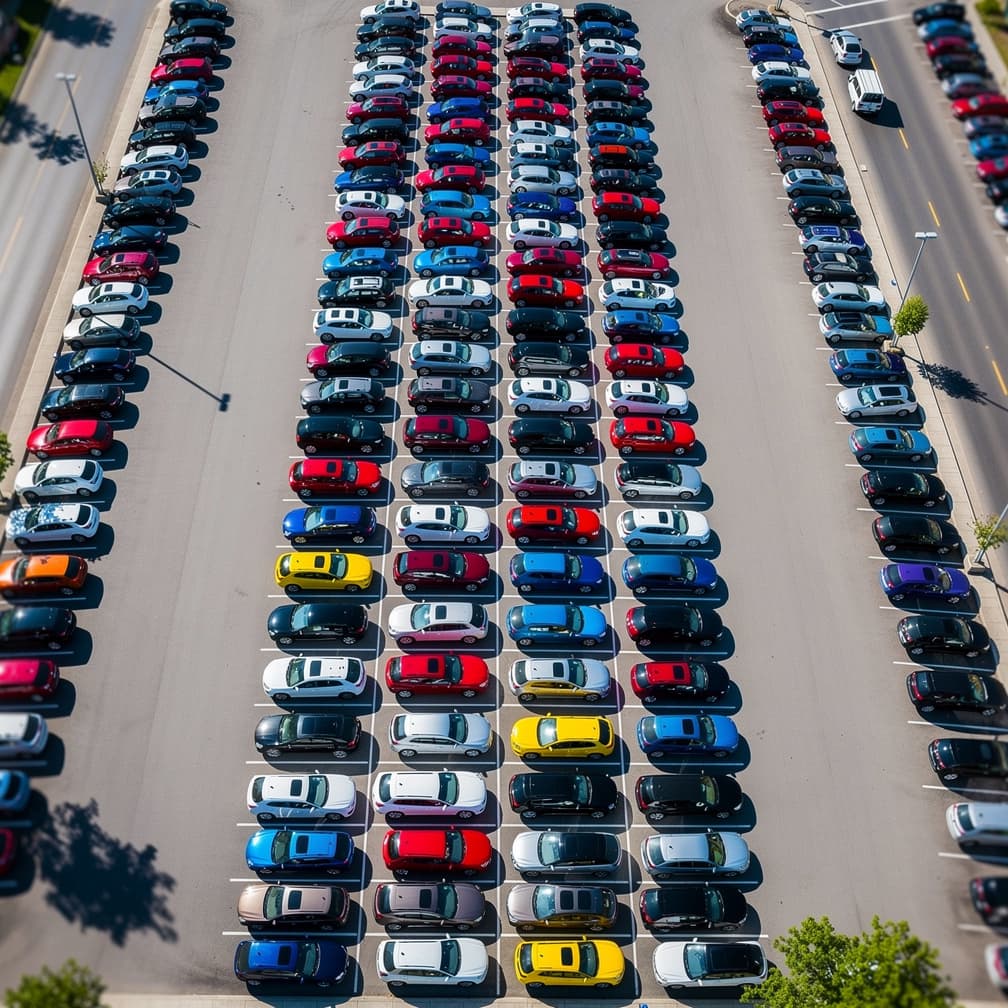
A dealership with a single fenced lot presents one underwriting picture. A dealership that keeps overflow units behind another business, sends vehicles to a reconditioning vendor, or rotates inventory through auctions presents a different one. Your policy review should focus on where vehicles sleep overnight, who has custody during transport or service, and whether any units are regularly kept away from the scheduled premises.
Weather exposure matters in Wisconsin because inventory can sit through severe storms that bring hail, falling tree limbs, and ice damage to roofs, glass, body panels, and lot surfaces. That makes it important to ask how the policy treats vehicles parked in open rows, under partial shelter, or at temporary storage locations. If your operation uses multiple addresses, confirm each one is disclosed and scheduled correctly. A claim gets harder to resolve when the loss location was never clearly listed.
You should also review how the policy handles ordinary dealership movement. That includes transfers between lots, trips to service or detail vendors, and customer test drive procedures if those activities connect to your inventory handling. The goal is to match policy language to your actual chain of custody. If a lender or landlord asks for proof of insurance, they usually want to see that the covered property, named insured, and location details line up with the way your dealership operates today, not the way it operated last year.

Weather Damage
Covers hail, wind, flood, and storm damage to lot inventory.
Theft Protection
Covers vehicles stolen from your lot.
Fire Damage
Covers fire and explosion damage to inventory vehicles.

Vandalism
Covers intentional damage to vehicles on your lot.
Test Drive Coverage
Covers vehicles during customer and employee test drives.
Transit Coverage
Covers vehicles being moved between lot locations.
Dealer Open Lot Insurance Requirements in Wisconsin
- Dealerships that use overflow parking or seasonal storage should confirm every active location is scheduled accurately, because an undisclosed address may leave that location uninsured at claim time.
- If your inventory regularly moves to detail, repair, or auction partners, document those handoffs clearly and ask how policy terms apply during ordinary dealership movement.
- Lots with shared access, mixed use property layouts, or informal after hours vehicle handling should review security procedures carefully before renewal or expansion.
- A Wisconsin floorplan lender or landlord may focus on named insured details and proof of coverage timing, so align certificates and policy documents before inventory arrives.
How Much Does Dealer Open Lot Insurance Cost in Wisconsin?
Pricing usually turns on exposure quality more than a simple dealership label. Underwriters want to know the total value of vehicles you hold for sale, but they also look closely at where those units are stored, how often inventory values spike, and whether your operation uses one address or several. A lot with stable inventory, documented controls, and clear overnight storage practices is easier to quote than a lot with frequent offsite movement and inconsistent records.
Your location setup affects pricing because carriers need to evaluate how exposed the vehicles are while parked. Open lots, mixed use properties, overflow storage, and shared access points can all change the risk profile. Security details matter too, because if you can show consistent key control, lighting, fencing, camera coverage, and a documented process for receiving and releasing vehicles, you give the underwriter a cleaner file to price.
A prior theft, weather loss, or unresolved discrepancy in inventory records can lead to closer scrutiny at renewal and at new business. Deductible choices and the limits you request will shape the quote as well, especially if your inventory mix includes higher value units or frequent swings in total lot value. Before you shop, prepare a current inventory valuation, all storage addresses, lender requirements, and a short written summary of your security controls so each quote is built on the same facts.
Request a Quote Comparison
Enter your ZIP code to compare dealer open lot insurance rates from top carriers.
Business insurance starting at $25/mo
Who Needs Dealer Open Lot Insurance?
The businesses that need this review most are the ones whose inventory exposure changes faster than their paperwork. That often includes independent used vehicle dealers with outdoor rows, franchise operations with overflow storage, powersports sellers with seasonal inventory shifts, and trailer or RV dealers that keep units in more than one place. The common issue is not the sign on the building, it is whether titled inventory for sale can be damaged or disappear before delivery to the buyer.
You should pay particular attention if your dealership uses offsite storage, shares space with another business, or moves units between locations for detailing, repair, photography, or auction. Those routines create handoff points where coverage misunderstandings tend to surface, and a policy that looks adequate on the declarations page may still leave questions if the addresses, custody arrangements, or business names are not aligned.
This also matters if a lender finances your inventory or a landlord requires proof of insurance before you occupy or renew a lease. They are not just asking whether you bought a policy, they want to see that the insured entity, covered property, and listed locations support the actual risk they are tied to. If your dealership recently expanded, added overflow parking, or changed how vehicles are stored overnight, that is a strong signal to review your coverage now rather than after a loss. Do not assume your exposure is too modest to matter if you sell from a small lot, because a smaller operation can still face a serious setback if several units are damaged at once or if a theft event interrupts sales during a key season.
Dealer Open Lot Insurance by City in Wisconsin
Dealer Open Lot Insurance rates and coverage options can vary across Wisconsin. Select your city below for localized information:
How to Buy Dealer Open Lot Insurance
Buying this coverage goes more smoothly when you present your operation the way an underwriter sees it. Start with a current inventory report that shows the vehicles you own for sale and their values, then separate those units by location. If some are on the main lot, some are in overflow storage, and some are regularly sent to vendors, make that visible from the start. A clean schedule of addresses prevents avoidable back and forth during quoting.
Next, document your controls. Underwriters usually want to understand fencing, lighting, camera placement, gate access, key storage, and who can move vehicles after hours. If your procedures are informal, write them down before you request quotes. A short, accurate summary helps the carrier evaluate your risk and helps you compare proposals on equal terms.
You should also gather any lender or landlord insurance requirements before shopping. If a floorplan lender expects specific evidence of coverage or a landlord wants to be shown on a certificate, that should be addressed early, not after you choose a policy. The same goes for any offsite storage agreement, so if another address is part of your normal operations, disclose it. As you compare quotes, look beyond premium and ask how each policy treats temporary storage, vendor handling, and movement between scheduled locations. Confirm the named insured matches the entity that owns the inventory, and before binding, read the location schedule and valuation details line by line.
Request a quote through CPK Insurance to compare your options with participating licensed providers.
How to Save on Dealer Open Lot Insurance
Making your inventory easier to verify, protect, and recover is where the meaningful savings show up. Begin with records by keeping a current inventory list, updating values consistently, and reconciling sold, transferred, and newly acquired units without delay. From there, look at security discipline. If keys are loosely handled, gates are inconsistently locked, or camera coverage leaves blind spots, you are giving the carrier reasons to worry about theft severity and claim disputes. Tighten key logs, restrict after hours access, and keep written procedures for who can release a vehicle and under what conditions. Those steps may not guarantee a lower quote, but they make your risk easier to underwrite.
You can also save by matching your policy structure to your real operations. If you no longer use a storage address, remove it, and if you added overflow parking, disclose it before renewal rather than after a loss. Review deductibles carefully and choose a level your business can absorb without straining cash flow. A deductible that looks attractive on paper is not useful if it creates a problem during a claim. Finally, standardize the information you send to each carrier by using the same inventory valuation date, the same address list, and the same description of controls for every quote request. That lets you compare terms more accurately and spot whether one proposal is cheaper because it is narrower.
Our Recommendation for Wisconsin
Treating this coverage as an inventory management review rather than just a policy purchase leads to a stronger buying decision. First, map every place a vehicle can be from acquisition to sale, including main lot, overflow storage, service vendor, detail shop, auction, and delivery staging. If one of those stops is missing from your application, add it to the schedule before you finalize coverage. Next, test your records against a claim scenario by asking whether you could produce ownership, value, exact location, and photos quickly if several units were damaged overnight. If not, improve that process now, because claims move more cleanly when your documentation is ready before the loss happens.
You should also compare policy terms with your lender and lease obligations. A floorplan lender may care about proof of coverage timing and named insured details more than you expect, and a landlord may focus on certificates and occupancy conditions. Those requirements should be checked against the quote, not handled as an afterthought. Finally, ask each carrier the same operational questions about how scheduled locations are treated, how temporary offsite storage is handled, and what documentation they expect after a loss. That side by side review often tells you more than the premium alone, so before renewing, walk the lot, verify every storage address, and update your inventory controls in writing.
FAQ
Frequently Asked Questions
Wisconsin landlords, floorplan lenders, and some auction or storage partners often ask for proof before space, financing, or inventory access is finalized. They usually want the insured business name, covered locations, and effective dates to match your actual dealership operations.
Dealerships should review every active storage address with the carrier because claims can become harder when a loss happens at a location that was not clearly disclosed or scheduled. That matters even more if you use overflow parking or vendor storage.
Floorplan lenders often expect proof that your inventory exposure is insured before financing is finalized or renewed. You should compare lender requirements against the quote early, especially the named insured, covered property description, and certificate timing.
Prepare a current inventory report, values, all storage addresses, and a written summary of security controls. That gives underwriters a clearer picture of your lot exposure and makes quote comparisons more reliable.
Wisconsin insurance regulation is overseen by the Wisconsin Office of the Commissioner of Insurance. That matters when you review policy documents, notices, and complaint channels, so keep the state regulator in mind if a coverage dispute or servicing issue arises.
Small lots still face concentrated inventory risk because several vehicles can be damaged or stolen before sale. Even a modest operation should review whether its policy matches overnight storage, key control, and any offsite handling.
Dealers should review coverage as soon as overflow storage is added, not at the next renewal. A new address changes where inventory is exposed, and that can affect how the carrier evaluates both pricing and claim handling.
Dealer open lot insurance nationwide is generally reviewed for damage or loss to vehicles you own for sale, including hail, wind, theft, vandalism, fire, flood, and test drive exposure, depending on your policy terms, deductibles, valuation method, and any location or off-premises limitations.
Sources
- 1.Wisconsin Office of the Commissioner of Insurance(Wisconsin insurance regulation is overseen by the Wisconsin Office of the Commissioner of Insurance.)
Updated July 16, 2026