Updated July 16, 2026

Key Takeaways
- Gather your current declarations, endorsements, loss runs, vehicle schedule, and driver list before requesting quotes so you can compare terms side by side.
- Review whether you need cargo coverage, trailer interchange, bobtail coverage, or non-trucking liability based on your dispatch pattern and contracts.
- Compare physical damage deductibles and valuation terms before renewing, especially on financed tractors, trailers, or recently added units.
- Check every broker, shipper, lender, and lease agreement against your policy endorsements so certificate wording does not hide a coverage gap.
- Start your renewal review early enough to update drivers, units, garaging, and operating radius before underwriters price the account.
Commercial Truck Insurance in Illinois
If you haul freight through Chicago, down I-55, or across winter routes near Springfield, your policy has to match your operating radius, cargo, and filing needs. Illinois has nearly 700 active insurers, giving you a wide field to compare. The state's baseline pricing runs about 8% above the national average, so expect to pay slightly more before your specific risk factors are even applied. That matters for owner-operators, regional fleets, and local delivery trucks because tornado exposure, severe storms, flooding, and winter weather can all affect how a policy is built. A policy that works for a box truck in Peoria may not fit a long-haul tractor running through multiple counties or a motor carrier that needs trailer interchange protection. The details that matter most are your liability limits, physical damage choices, cargo needs, and whether your operation needs bobtail coverage or non-trucking liability insurance.
What Commercial Truck Insurance Covers
Commercial truck insurance in Illinois is built around how your trucks actually move freight. The core pieces in this market usually include motor carrier liability, physical damage, cargo coverage, trailer interchange, bobtail coverage, and non-trucking liability insurance. That mix is important because a policy may need to support interstate hauling, local delivery, or a mixed fleet with various truck and trailer configurations.
Physical damage is especially relevant if your unit is exposed to hail, wind, winter road conditions, or flooding. Cargo insurance is usually a separate section of the policy and is shaped by the freight you move, the route, and the value of the load. Bobtail coverage and non-trucking liability may apply when the tractor is being driven outside dispatch or without a trailer, but the exact trigger depends on your policy wording.

Motor Carrier Liability
Can help cover injuries and property damage your truck causes to others, a coverage federal regulators require most for-hire carriers to maintain.
Physical Damage
Can help pay to repair or replace your own truck after an accident, fire, theft, or vandalism.
Cargo Coverage
May pay for damage to or theft of the freight you are hauling while it is in your care.
Trailer Interchange
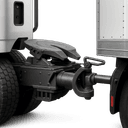
Can help cover damage to trailers you haul under an interchange agreement but do not own.

Bobtail Coverage
May provide liability protection when you drive your tractor without a trailer attached, such as after dropping off a load.

Non-Trucking Liability
Can help cover accidents that happen when you use your truck for personal errands rather than dispatched work.
Commercial Truck Insurance Requirements in Illinois
- The Illinois Department of Insurance regulates the market, and state commercial auto minimums are $25,000/$50,000/$20,000.
- Trucking operations may need different liability structures based on hauling and contract requirements.
- Endorsements should be checked against the exact policy wording before purchase.
- Weather exposure is a major underwriting factor, especially for physical damage coverage.
How Much Does Commercial Truck Insurance Cost in Illinois?
Average Cost in Illinois
$470 - $1,325
per month
Businesses in Illinois typically see commercial truck insurance premiums of $470 - $1,325 per month, which tends to run 18% above the national range of $400 - $1,125 per month.
- Radius of operation
- Commodities hauled and cargo value
- Number and value of power units
- Driver motor vehicle records and CDL experience
- DOT safety record, inspections, and FMCSA scores
- Liability limits and physical damage deductibles
Contact CPK Insurance for a personalized quote.
Premiums often move up when a truck runs through higher-risk corridors, hauls more valuable freight, or needs broader endorsements such as cargo insurance, trailer interchange, or motor carrier liability coverage. They can also rise with poor claims history, lower deductibles, or higher limits.
Illinois weather is a real pricing factor because tornado risk is rated very high, severe storm and flooding risk are high, and winter storm risk is high. The state also had 165 disaster declarations and 53 major disaster declarations on record. That history means a truck garaged in a repeated storm corridor will likely draw tighter underwriting and higher physical damage premiums than one parked in a lower-risk county. Your quote will usually reflect your truck type, operating radius, annual mileage, cargo class, deductible, endorsements, and claims history rather than just the vehicle itself.
How Illinois compares with the national baseline
Uninsured drivers
12.3% vs 11.6% baseline
About 12.3% of Illinois drivers are estimated to be uninsured, above the 11.6% average across states.
Fatal crashes per 100 million miles
1.21 vs 1.33 baseline
Illinois sees about 1.21 fatal crashes per 100 million miles driven, below the national average of 1.33.
Blue bar: Illinois. Gray line: national baseline.
Prices shown are general estimates, not guaranteed rates or quotes. Your actual premium will depend on the insurer, coverage selected, business details, location, claims history, and other underwriting factors. Learn about our pricing methodology.
Request a Quote Comparison
Enter your ZIP code to compare commercial truck insurance rates from top carriers.
Business insurance starting at $25/mo
Who Needs Commercial Truck Insurance?
Commercial truck insurance in Illinois is relevant for owner-operators, small fleets, and larger trucking companies that need protection tied to hauling activity rather than a personal auto policy. It is especially important for carriers running freight through the state's major logistics corridors, because route exposure, weather, and cargo value can change the structure of the policy. Long-haul operators often need motor carrier liability, physical damage, cargo coverage, and sometimes trailer interchange if they handle trailers they do not own. Regional delivery businesses may focus more on truck liability and physical damage, especially if they operate box trucks, refrigerated trucks, or delivery vans across multiple cities and counties. Local hauling operations may still need non-trucking liability or bobtail coverage if tractors are used outside dispatch or between assignments.
99.6% of the state's 346,200 businesses are small businesses, which means most buyers in this market are shopping with limited cash reserves and need to weigh the cost of higher liability limits against the risk of a claim gap. Carriers moving freight tied to manufacturing, retail trade, healthcare, and food service may need cargo insurance because those industries often depend on timely, protected deliveries. Businesses in or around Springfield, Chicago, Peoria, Rockford, and the broader interstate network may all face different route conditions.
Commercial Truck Insurance by City in Illinois
Commercial Truck Insurance rates and coverage options can vary across Illinois. Select your city below for localized information:
How to Buy Commercial Truck Insurance
To buy commercial truck insurance in Illinois with fewer surprises, start by matching the policy to your operation type, whether that is owner-operator, regional fleet, local delivery, or motor carrier with multiple units. Illinois businesses should compare quotes from multiple carriers because pricing can differ by route, loss history, and endorsements. Use a quoting process that includes your vehicle list, VINs, garaging locations, driver records, cargo types, annual mileage, and any trailer interchange agreements.
If you haul freight across state lines, confirm that your liability structure supports your operating authority and any shipper or broker requirements. When tractors run without trailers, ask specifically about bobtail coverage and non-trucking liability insurance so you know when each applies. If you move freight with mixed equipment, verify whether cargo insurance, physical damage, and trailer interchange are written with the right limits and deductibles. Because Illinois weather and route exposure can affect underwriting, be ready to discuss where your trucks are garaged, whether they run through flood-prone or storm-prone areas, and whether you need certificates after binding. Request a quote through CPK Insurance to compare your options with participating licensed providers.
How to Save on Commercial Truck Insurance
The most practical way to manage commercial truck insurance cost in Illinois is to control the factors underwriters actually price. Since Illinois premiums sit above the national average, it helps to quote more than one carrier and compare how each one prices your operation, especially if you haul through storm-prone areas or run routes with heavier traffic exposure.
Raising deductibles on physical damage can reduce premium pressure, but only if your cash flow can absorb a larger out-of-pocket cost after a loss. Keep cargo classes accurate, because underreporting freight value can create coverage problems and overbuying limits can add unnecessary cost. If you need bobtail coverage or non-trucking liability, confirm whether you truly need both based on how the tractor is used, since the wrong endorsement mix can add expense without matching your operations. Bundling can also matter, and multi-policy arrangements may create savings, though actual pricing varies by carrier and account.
Our Recommendation for Illinois
For Illinois trucking buyers, the best starting point is a policy design that matches your freight, route, and trailer use before you compare price. If you run long-haul or cross-county routes, prioritize motor carrier liability, then layer physical damage and cargo based on what you haul and how much equipment you can afford to replace. If you use tractors outside dispatch, ask for a clear explanation of bobtail coverage and non-trucking liability so there is no gap in how the policy responds. In a state with high weather exposure, ask how the carrier handles physical damage claims and downtime after events. Compare at least several carriers because this market can produce very different quotes for the same truck.
FAQ
Frequently Asked Questions
It commonly includes motor carrier liability, physical damage, cargo coverage, trailer interchange, bobtail coverage, and non-trucking liability insurance.
The Illinois Department of Insurance regulates the market, and state commercial auto minimums are $25,000/$50,000/$20,000. Trucking liability needs can be higher depending on federal freight rules and shipper or broker requirements.
Cost per truck varies by limits, deductibles, claims history, location, endorsements, cargo type, route exposure, and the vehicles you insure.
Many Illinois trucking buyers need all three. Cargo and physical damage are separate parts of the policy.
They may apply when a tractor is being used outside dispatch or without a trailer. Confirm the policy wording so you know exactly when each coverage applies.
Quotes are influenced by route exposure, storm risk, garaging location, claims history, coverage limits, deductibles, cargo type, and policy endorsements.
Share your truck list, VINs, driver records, cargo details, garaging address, annual mileage, and any trailer interchange needs.
Commercial truck insurance can be written for many working vehicles, including semis, tractor-trailers, box trucks, flatbeds, dump trucks, refrigerated units, tankers, tow trucks, and delivery vehicles. The key question is how each unit is used, who drives it, and whether trailers or cargo create added exposure.
Updated July 16, 2026