Updated July 16, 2026

Key Takeaways
- Review your construction contract before requesting a quote, so the named insureds and insurance responsibility match the job documents.
- Prepare the project budget, timeline, address, and scope summary before applying, so the quote reflects the work actually being built.
- Check whether the policy addresses on-site materials, transit, temporary structures, and soft costs before the first delivery arrives.
- Compare the policy term against your realistic completion schedule, then ask about extension options before the original term gets close to expiring.
- Map builders risk against your liability, installation, and equipment policies, so you avoid both coverage gaps and overlapping property insurance.
Builders Risk Insurance in New York
A Brooklyn brownstone gut renovation and an upstate ground-up warehouse build present very different builders risk decisions. The city renovation may involve tight lot lines, partial occupancy concerns, and materials arriving in small deliveries. The upstate build may put more weight on site security, weather delays, and how long equipment and supplies sit before they are incorporated into the work. That is why this coverage should be quoted around the actual job, not a generic construction template.
You need the policy to match the contract structure, the ownership entity, and the way the work moves from delivery to installation. In this state, that often means paying close attention to renovation language, temporary storage, transit, soft cost options, and who must be shown as an insured or additional interest. Before you request terms, line up the construction agreement, draw schedule, project timeline, and a clear statement of completed value. That gives you a cleaner submission and helps you spot gaps before a lender, owner, or GC asks for evidence of coverage.
What Builders Risk Insurance Covers
Projects in this state often create coverage questions that do not show up on a simple ground-up build. A townhouse renovation in a dense neighborhood can involve existing structure exposure, shared walls, limited space, and materials that arrive in phases because there is nowhere to stockpile them. A suburban addition or commercial fit-out may raise different issues, especially if the owner keeps part of the property in use while construction continues.
As you review terms, focus on where property is located before it becomes part of the work. If key materials move from supplier to temporary storage to the site, confirm how those stages are addressed and whether sublimits apply. If the project depends on custom windows, millwork, mechanical components, or imported finishes, confirm how delay after a covered property loss could affect the schedule and whether soft cost coverage is worth reviewing.
Renovation work deserves extra scrutiny. If the contract places responsibility on you for damage tied to the work, ask how the policy treats the new construction versus the preexisting building. You should also verify who needs to appear on the policy, such as the owner, lender, general contractor, or development entity, and whether they need insured status or evidence as a loss payee or additional interest. Insurance here is regulated by the State Department of Financial Services, so policy forms and notices should be reviewed with that framework in mind before you finalize the purchase.

Structure Coverage
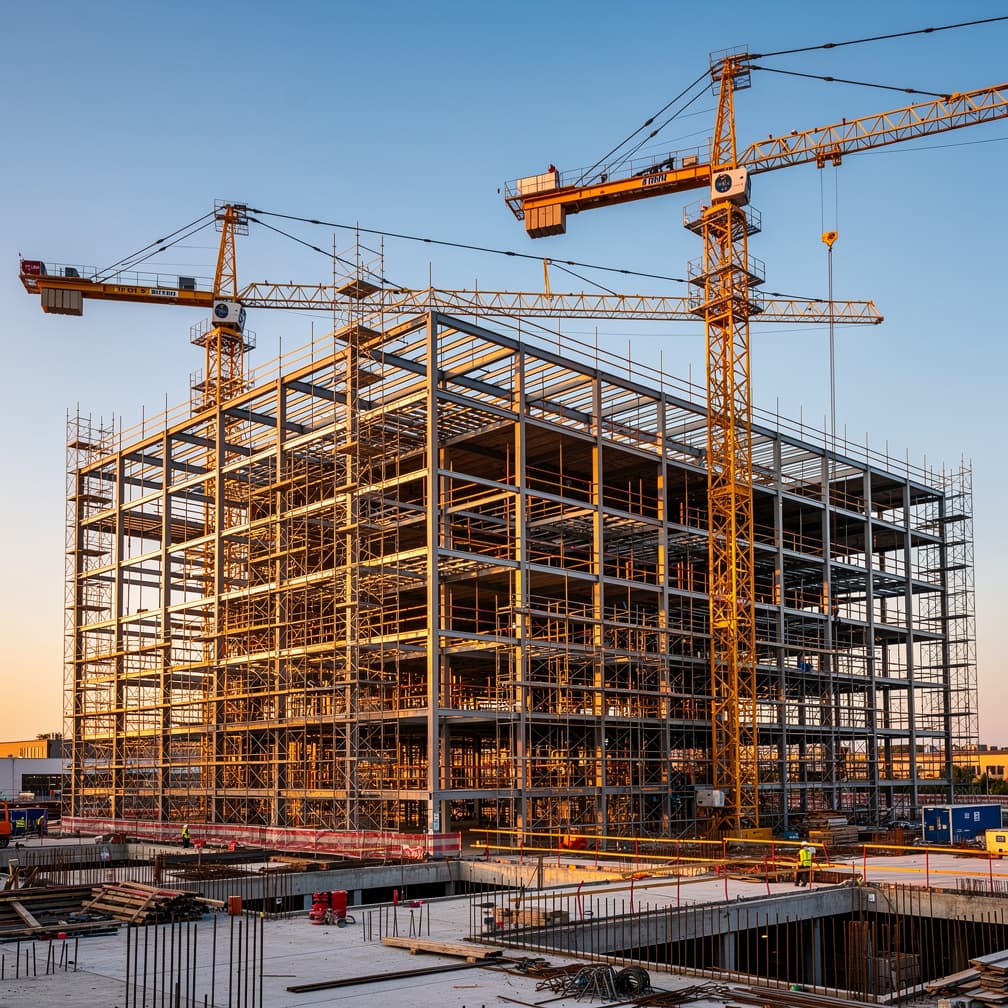
Covers the building or structure under construction.

Materials on Site
Covers building materials stored at the construction site.

Materials in Transit
Covers materials being transported to the job site.
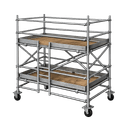
Temporary Structures
Covers scaffolding, fencing, and temporary buildings.

Soft Costs
Covers additional expenses from construction delays due to covered losses.

Equipment Coverage
Covers permanently installed fixtures and equipment.
Builders Risk Insurance Requirements in New York
- Renovation projects here often need careful separation between the new work and any preexisting structure, especially when part of the property remains occupied during construction.
- New York's Department of Financial Services requires specific policy form filings and notices, so confirm that the insurer's forms are approved for use in the state and that any mandatory endorsements are included.
- If a lender, owner entity, and general contractor all need evidence of interest, match those roles to the contract language before certificates are requested.
- Projects with custom finishes or long-lead components should review delay-related soft cost exposure after a covered property loss interrupts the schedule.
How Much Does Builders Risk Insurance Cost in New York?
Builders risk pricing usually turns on project characteristics that underwriters can verify quickly. The first driver is the completed value you submit. If the budget leaves out owner-furnished materials, site prep already in place, or high-value finishes arriving later in the job, the quote can miss the real exposure. The second driver is the construction profile itself, including whether the work is new construction, a major renovation, or an addition attached to an occupied structure. Both factors shape how the underwriter views the job.
Location also changes the underwriting conversation. A tightly packed urban site can raise concerns about theft opportunity, staging constraints, neighboring property exposure, and how debris removal would work after a loss. A more remote site can shift attention to response time, fencing, lighting, and how long materials remain unattended. Project duration matters too, because the longer the build, the more chances there are for weather interruptions, rescheduling, and values accumulating on site before they are installed.
You can usually improve the quote process by presenting a clean schedule of values, a realistic start and completion timeline, and a short explanation of site controls. Underwriters want to know who secures the premises, how deliveries are timed, whether combustible debris is removed promptly, and how water intrusion risk is managed during the build. If the job includes lender requirements, phased turnover, or owner-supplied components, disclose that early. The goal is not to chase a generic low number but to get terms that fit the project so a claim does not expose a gap you could have addressed before work started.
Request a Quote Comparison
Enter your ZIP code to compare builders risk insurance rates from top carriers.
Business insurance starting at $25/mo
Who Needs Builders Risk Insurance?
On some jobs, the property owner or developer carries the financial risk because the loan documents and prime contract place the insurance obligation there. On others, a general contractor may be tasked with arranging coverage, especially if the contract package requires one policy for the full course of construction and specific parties must be scheduled.
Renovation projects often need the closest review. If you are improving a mixed-use building, converting space, or adding onto an occupied property, several stakeholders may have money at risk at the same time. The owner may need protection for the work in place, the lender may require evidence of its interest, and the contractor may need confirmation that materials purchased for the job are contemplated before they are incorporated. If you are a developer using a single-purpose entity for one project, make sure the named insured structure matches the contract and title documents.
This coverage is also worth reviewing if your agreement makes you responsible for materials after delivery, for temporary works, or for rebuilding after a covered loss that interrupts the schedule. That can apply to owners, developers, general contractors, construction managers at risk, and sometimes subcontractors with a significant property interest in stored or installed materials. Start by identifying whose balance sheet absorbs the loss first, then match the policy structure to that answer.
Builders Risk Insurance by City in New York
Builders Risk Insurance rates and coverage options can vary across New York. Select your city below for localized information:
How to Buy Builders Risk Insurance
Buying builders risk correctly starts with document review, then moves to submission quality. Gather the construction contract, lender insurance requirements, project budget, timeline, and entity documents, because those papers usually answer the most important questions: who must buy the policy, whose interests need to be shown, what value should be insured, and whether soft costs or delay-related exposures should be considered.
Next, prepare a submission that explains the project the way an underwriter sees it. State whether the job is ground-up construction, an addition, interior build-out, or a substantial renovation. Identify whether any part of the property remains occupied. List the construction type, security controls, water damage prevention steps, and where major materials will be stored prior to incorporation. If the site has limited access or deliveries must be staged off-site, say that clearly rather than leaving the underwriter to guess.
Then review the quote for operational fit, not just price. Check the covered property description, policy term, valuation basis, deductible structure, and any limitations on theft, temporary storage, transit, scaffolding, or existing structure. Confirm the named insureds and any lender or owner interests exactly match the contract package. If the project schedule is tight, ask how extensions are handled before the original term expires. The cleanest purchase process is the one that resolves these points before the first draw is funded and before materials begin arriving at the site. Request a quote through CPK Insurance to compare your options with participating licensed providers.
How to Save on Builders Risk Insurance
Underwriters reward submissions that answer their questions before they have to ask. Start with a complete and defensible statement of values. If your budget is organized, your draw schedule is current, and your completed value is supported, the underwriter spends less time correcting assumptions. That can lead to a smoother quote and fewer surprises later.
Security planning often affects how the risk is viewed. If the site is fenced, lit, locked, and monitored, say so in the submission. If deliveries are scheduled close to installation instead of sitting exposed for long periods, include that detail. On renovation work, explain how you separate the construction area from occupied portions, control access, and handle water shutoffs, temporary heat, and debris removal. Those are practical claim drivers, and underwriters price around them.
You can also save by buying the right term and options the first time. A policy that expires before completion can create extension costs and administrative friction. A policy that ignores soft costs or off-site storage may look lean at binding but become expensive after a loss. Review the contract to avoid adding parties or interests late, because last-minute corrections can slow closing and complicate certificates.
Finally, present one consistent story across the contract, application, and budget. Mismatched values, vague renovation descriptions, and missing entity names are common reasons quotes get delayed or revised. A cleaner submission gives you a better chance to compare terms on substance, then choose the option that fits the project without paying for avoidable confusion.
Our Recommendation for New York
For projects in this state, treat renovation and ground-up construction as different buying exercises even if the completed values look similar. Renovation work often deserves a closer review of existing structure exposure, occupied premises issues, and how materials move through constrained sites. Ground-up jobs usually put more weight on perimeter security, weather planning, and the accumulation of materials before they are installed.
Ask for the quote to mirror the contract package exactly. That means the named insured, project address, lender interests, and completed value should line up with the loan and construction documents before you finalize the purchase. If your project uses a development entity, verify that the policy reflects that entity rather than a related company that signed an earlier draft.
For city jobs, review off-site storage and transit carefully if deliveries are phased because the site has limited room for stockpiling. For longer projects, ask in advance how extensions are handled and what information will be needed if the completion date moves. If any part of the building stays occupied during the work, raise that early so the underwriter can address it directly instead of discovering it after a loss.
FAQ
Frequently Asked Questions
Brownstone renovations often need closer review of existing structure issues, occupied premises, and how materials move through constrained sites. Ask the quote to distinguish the new work from the preexisting building and to address transit or temporary storage if the site has limited room for stockpiling.
Construction lenders often set insurance requirements in the loan package, so review those documents before shopping. The practical step is to match the quote to the lender's required interests, project value, and policy term before the first draw closes.
Projects here commonly involve an owner, development entity, lender, and general contractor, but the contract decides whose interests must appear. Check whether each party needs insured status, loss payee treatment, or simple evidence of coverage before you finalize the policy.
Renovation work usually raises different underwriting questions than ground-up construction because existing structures, partial occupancy, and access constraints can change the exposure. Submit a clear project description so the quote addresses the actual job conditions rather than a generic build.
Projects sometimes rely on off-site storage because urban sites have limited space. Review the quote for how temporary storage is treated, whether sublimits apply, and whether the storage arrangement matches how materials actually move to the job.
Submissions move more cleanly when you send the construction contract, lender requirements, budget, timeline, and entity details together. Add a short note on site security, occupancy, and material storage so the underwriter can evaluate the project without guessing.
Insurance in this state is regulated by the Department of Financial Services. That matters because policy forms, notices, and insurer practices should be reviewed within that framework before you finalize coverage for a project.
Builders risk insurance may cover, subject to policy terms, the structure under construction, materials on site, materials in transit, temporary structures, and fixtures or equipment being installed. Depending on the policy, you can also review soft costs and delay-related coverage tied to a covered property loss.
Sources
- 1.New York State Department of Financial Services(New York insurance is regulated by the New York State Department of Financial Services.)
Updated July 16, 2026